What Is a Five-Roll Idler Bracket?
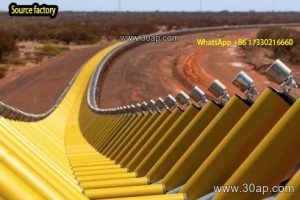
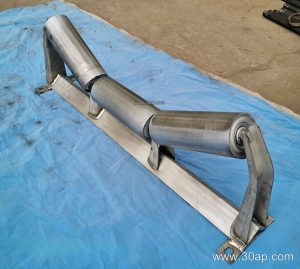
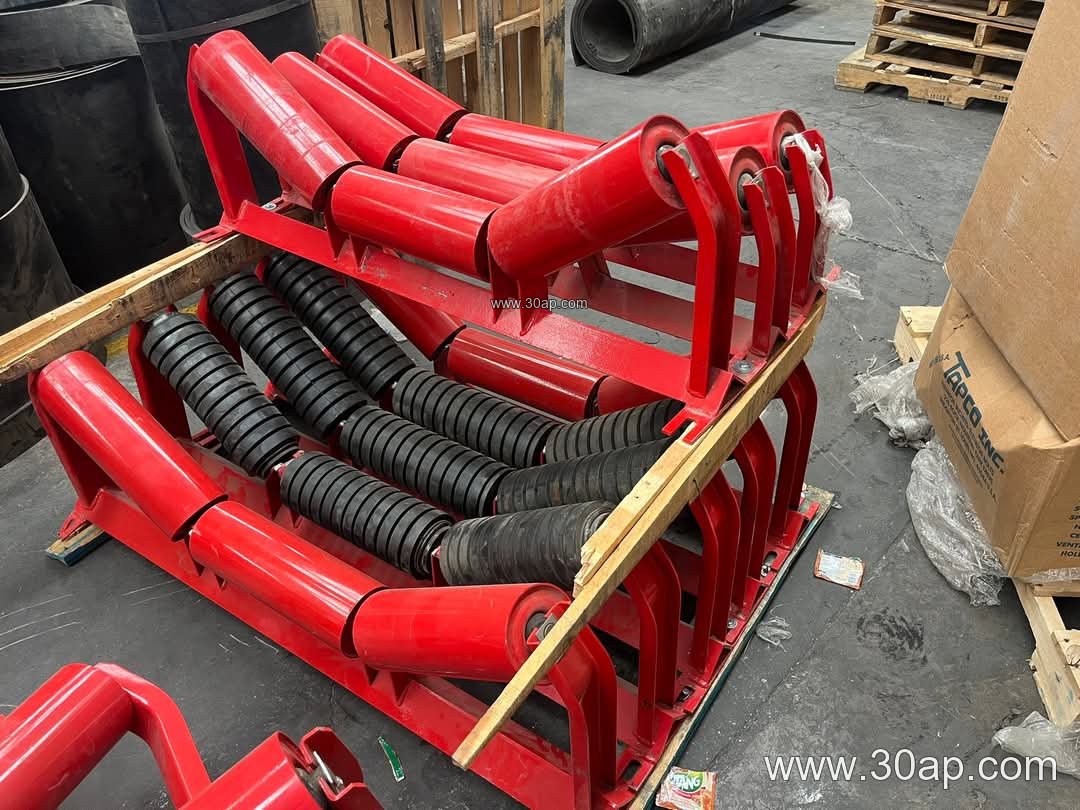
A five-roll idler bracket is a specialized support structure that holds five idler rollers in a specific arrangement, typically with three rolls forming the trough and two additional rolls at the outer edges to create a deeper trough profile. This bracket is also known as a five-roll idler frame or five-roll troughing bracket. It is designed to provide superior belt support and material containment, especially in high-capacity conveying applications. The five-roll configuration increases the trough angle and improves load stability, reducing spillage and extending conveyor belt life.
Construction and Design Features
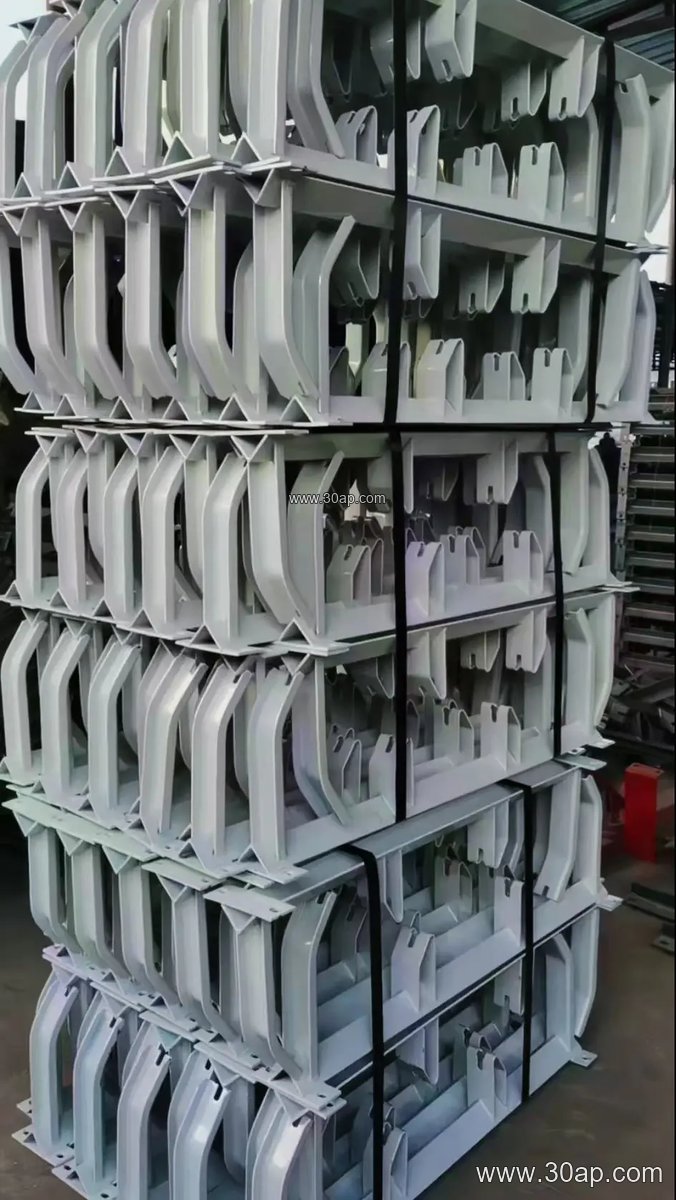
Five-roll idler brackets are commonly fabricated from angle steel, channel steel, or folded steel plate to withstand heavy loads and harsh conditions. The bracket typically includes mounting slots or holes that allow for adjustment of the idler positions, accommodating different trough angles. The design often incorporates a central roll and two side rolls on each side, creating a smooth transition and minimizing belt stress. The bracket must be robust enough to support the weight of the conveyor belt and material, particularly in mining, quarrying, and bulk material handling.
Typical Applications
These brackets are widely used in industries such as mining, coal preparation plants, cement plants, power plant coal conveying, and port bulk terminals. In a quarry or aggregate line, a five-roll idler bracket helps contain large lumps and reduces spillage on steep inclines. In underground coal mining, the bracket works with flame retardant conveyor belts to maintain a stable trough and improve safety. The five-roll design is also beneficial for handling abrasive materials like iron ore or copper ore, where proper belt support minimizes wear.
Key Parameters and Selection Guidelines
When selecting a five-roll idler bracket, consider the conveyor belt width, required trough angle, and idler diameter. Common belt widths include B500, B650, B800, B1000, B1200, B1400, B1600, B1800, B2000, B2200. Trough angles are typically 20, 30, 35, or 45 degrees, and adjustable brackets can accommodate multiple angles. Idler diameters such as Ø89, Ø108, Ø133, Ø159, and Ø194 are available. The table below shows some reference combinations, but actual selection should be based on design requirements.
| Belt Width | Trough Angle | Idler Diameter |
|---|---|---|
| B800 | 35° | Ø108 |
| B1200 | 45° | Ø133 |
| B650 | 30° | Ø89 |
| B1600 | 35° | Ø159 |
| B2000 | 45° | Ø194 |
Note that these are common examples; the bracket mounting hole spacing and crossbeam length vary with belt width and trough angle. Do not assume a fixed shaft diameter from belt width alone.
Compatibility with Conveyor Components
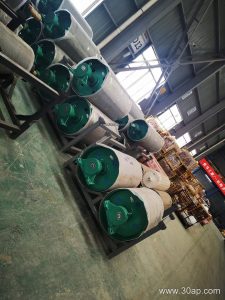
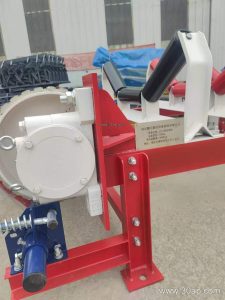
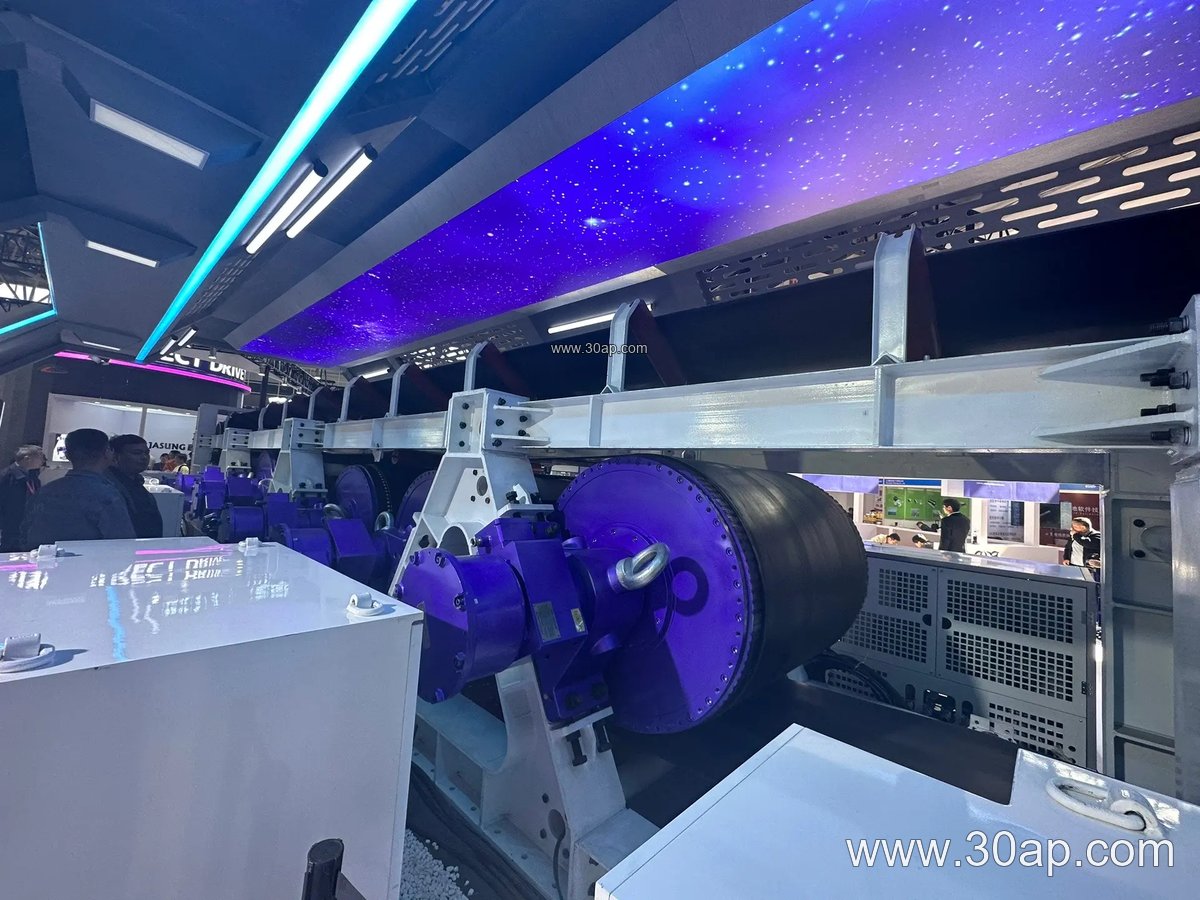
A five-roll idler bracket must work in harmony with the conveyor belt, idler rollers, and conveyor pulley. For high-tension applications, steel cord conveyor belts such as ST1000 or ST1250 may be used, while EP conveyor belts like EP200 or EP300 are common in medium-duty systems. In coal mining, PVG800S conveyor belts are often paired with flame retardant properties. The bracket should be matched with the appropriate idler roller type, such as impact idlers at loading points or training idlers for belt alignment. Proper integration ensures smooth operation and reduces maintenance.
Buyer’s Checklist
- Verify the conveyor belt width and trough angle required for your application.
- Confirm the idler diameter and mounting dimensions to ensure compatibility.
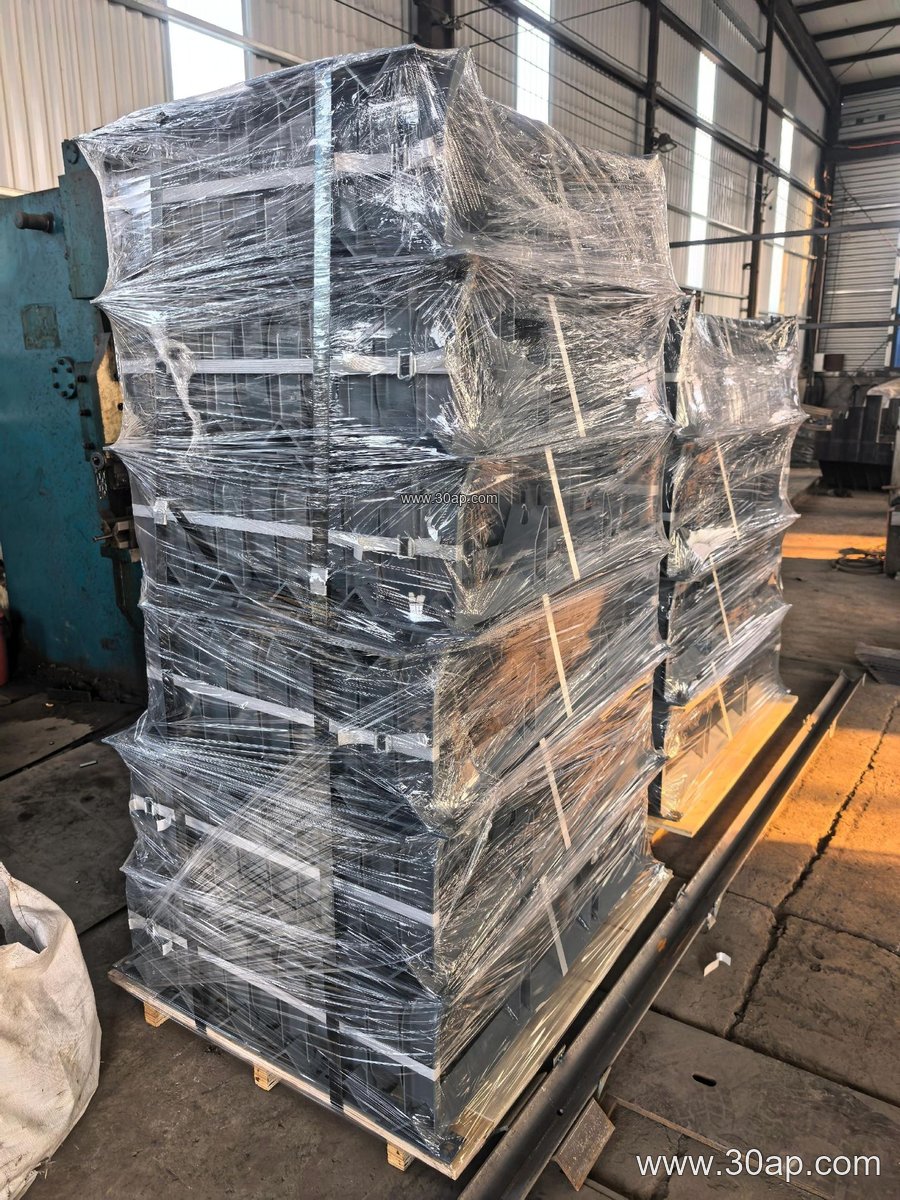
- Check the material and finish of the bracket for corrosion resistance and strength.
- Consider adjustable brackets if future changes in trough angle are anticipated.
- Ensure the bracket design allows for easy installation and maintenance access.
For reliable performance, source five-roll idler brackets from suppliers who understand the demands of your industry, whether it is a sand and gravel plant, a cement kiln line, or a power station coal yard. Remember that the bracket is part of a system; pairing it with quality conveyor belts and rollers will maximize uptime and safety.