What a Construction Industry Conveyor Belt Does on Site
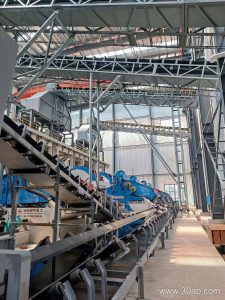
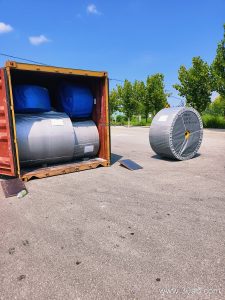
A construction industry conveyor belt is the endless moving surface that carries crushed stone, sand, gravel, cement, recycled concrete and spoil between crushers, screens, stockpiles and load-out points. On a quarry or sand making plant it may run for long shifts in dust, grit and open weather, so the belt has to resist cutting, abrasion and edge damage rather than simply move material. The same product is often described as a construction conveyor belt or a bulk material conveyor belt, and those names refer to the same item: a fabric or steel reinforced rubber carcass with rubber covers.
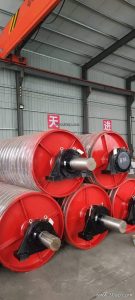
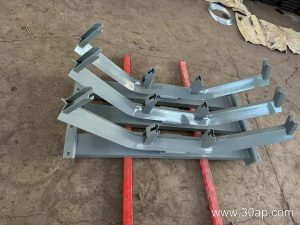
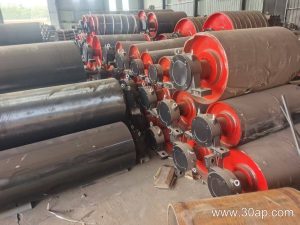
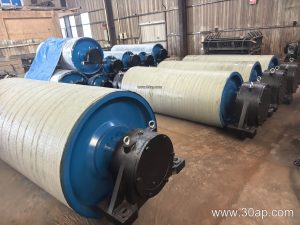
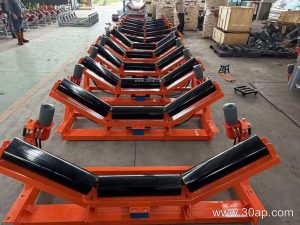
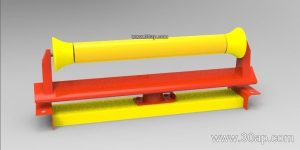
The belt is only one part of the line. It runs over a conveyor pulley at the drive and tail ends, is supported by idler rollers, and is held in line by a conveyor bracket and frame. Misalignment or a worn pulley face will damage a belt far faster than the belt itself wears out, which is why buyers should treat the whole conveyor as a system.
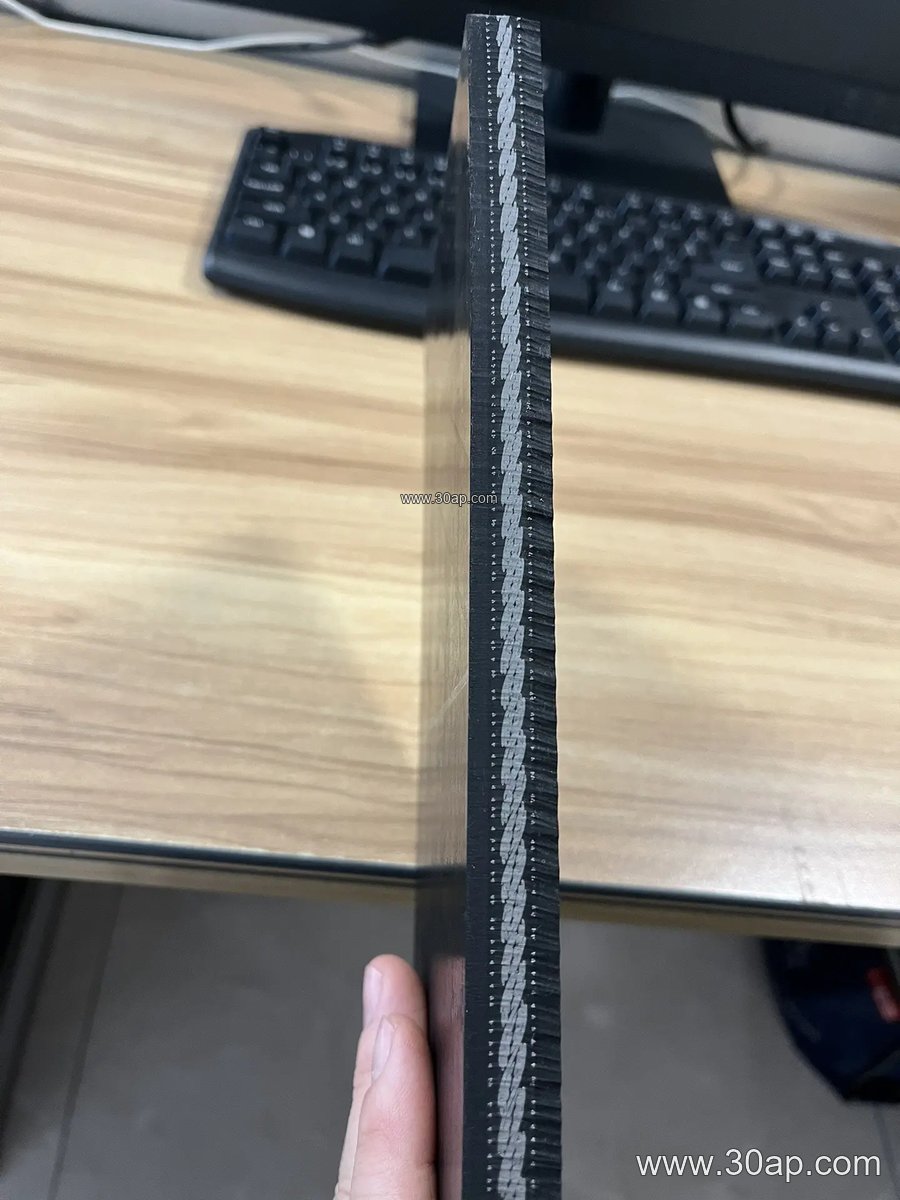
Construction and Common Belt Types
Most belts used in aggregate and cement work have a multi-ply fabric core. EP Conveyor Belt (polyester warp, nylon weft) and NN Conveyor Belt (all nylon) are the two common carcass choices, and both are supplied as a Fabric Core Conveyor Belt in 2 to 6 plies. For long overland runs or high tonnage, a Steel Cord Conveyor Belt is used instead. Where a steep incline must be handled, a Chevron Conveyor Belt or a Corrugated Sidewall Conveyor Belt keeps material from rolling back.
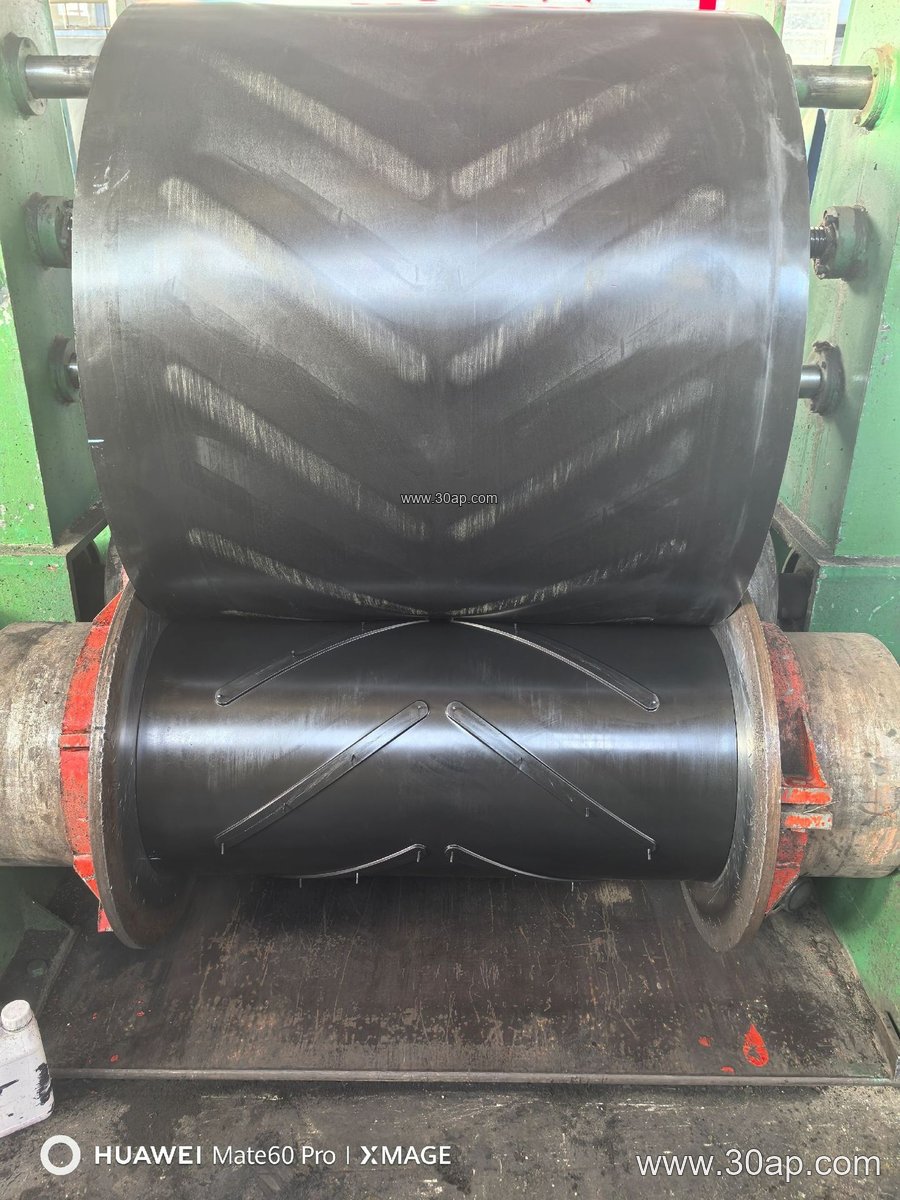
Cover compound matters as much as carcass. An Abrasion Resistant Conveyor Belt suits sharp crushed rock, a Heat Resistant Conveyor Belt suits clinker and hot aggregate, and a Flame Retardant Conveyor Belt or Anti-Static Conveyor Belt is normally specified for enclosed or dusty areas where ignition risk is a concern. A Cold Resistant Conveyor Belt is chosen for winter pouring in northern regions.
Typical Reference Data
The figures below are common reference values, not fixed rules. Final construction is confirmed by the conveyor designer.
- Fabric grades seen in construction duty: EP200, EP315, EP400, EP500, EP630, EP800, EP1000, EP1250, EP1600
- Belt widths: B500, B650, B800, B1000, B1200, B1400, B1600, B1800, B2000
- Cover thickness combinations: 3+1.5, 4+2, 5+2, 6+2, 8+3 mm
- Carcass plies: usually 2 to 6 layers for fabric belts
| Parameter | Common Range | Note |
|---|---|---|
| Belt width | B500 to B2000 | Matched to lump size and capacity |
| Fabric strength | EP200 to EP1600 | Selected by tension calculation |
| Top cover | 3 to 8 mm | Thicker for sharp rock |
| Bottom cover | 1.5 to 3 mm | Depends on pulley contact |
Where These Belts Are Used
In a quarry or aggregate plant, a Quarry Conveyor Belt or Aggregate Conveyor Belt links the primary crusher to the screen deck, then carries sized stone to stockpile. A Crusher Conveyor Belt handles the shock load directly under the jaw or cone, where impact idlers and a thicker top cover help. In a cement plant, belts move limestone, clay and clinker, with a Heat Resistant Conveyor Belt used after the kiln. Power plants and steel plants use similar belts for coal and ore, and a Coal Mining Conveyor Belt or Underground Mining Conveyor Belt must meet flame retardant requirements.
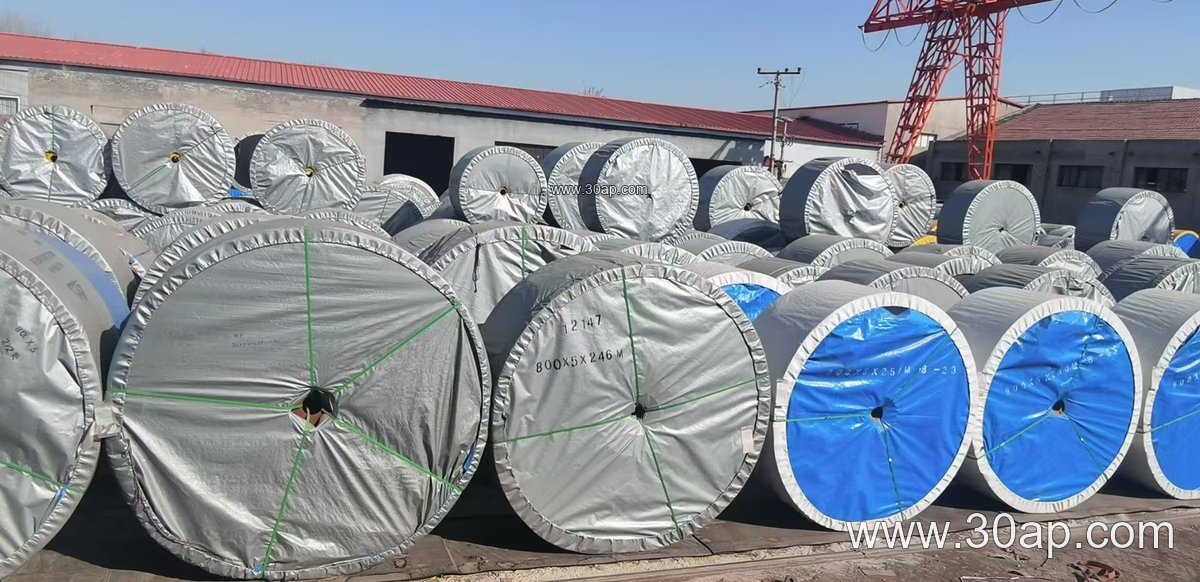
Other construction-related duties include recycling lines, where a Recycling Conveyor Belt sorts demolition waste, and port or ship loading conveyors that move bulk material at high capacity. In every case the belt works with conveyor pulleys, idler rollers and brackets that must be checked together.
Buyer Checklist Before Ordering
- Confirm material type, lump size, moisture and temperature, since these decide cover grade and thickness.
- Ask for the calculated belt tension so the fabric grade is not guessed. Do not assume a wide belt automatically needs a heavy carcass, or that one belt width fits one pulley diameter.
- Check pulley diameters and shaft details with the conveyor designer rather than deriving them from belt width alone.
- Decide whether an Endless Conveyor Belt is required for a fixed installation or whether mechanical splicing is acceptable.
- For dusty or enclosed tunnels, confirm flame retardant and anti-static properties in writing.
A practical spare policy also helps: keep a short length of the same specification, plus belt fasteners, on site so a small repair does not stop the whole crushing line. Buyers comparing quotes should ask for carcass type, ply count, cover thickness and grade on the datasheet, because two belts of the same width can differ greatly in service life.