What a Sensor-Assisted Belt Tracker Does
A sensor-assisted belt tracker is a conveyor belt alignment device that combines mechanical steering rollers with position sensing and a control unit. Instead of waiting for an operator to notice a wandering belt, the tracker detects lateral drift at a defined point and corrects it through a steering action. In a quarry, cement plant, coal preparation facility, or power plant coal yard, this kind of feedback loop helps keep the belt centred on the conveyor pulley and idler roller train, reducing edge damage and spillage.
The keyword here is not a replacement for a training idler in every case. A sensor-assisted belt tracker is a distinct approach: sensing, decision, and actuation work together. It is also different from a simple self-aligning idler that reacts only to belt contact, and it should not be confused with pulley types such as the drive pulley, tail pulley, or bend pulley. Those pulleys transmit power or change belt direction; a tracker corrects lateral position.
How the System Is Built
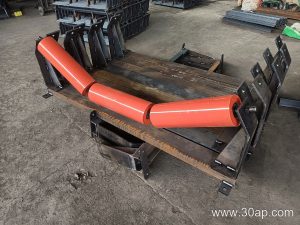
A typical assembly includes sensing elements, a controller or signal interface, and a steering frame carrying rollers. The sensor may monitor belt edge position, frame displacement, or roller angle, depending on the design. The control unit processes the signal and commands an actuator; some designs use electric drives, others hydraulic or pneumatic action. Because these dimensions are independent, a hydraulic tracker and a sensor-assisted tracker can overlap in one machine, and a PLC-linked unit is not automatically the same as an electric one.
The tracker is usually mounted at a transfer point, on the carrying run before a critical pulley, or on the return run where misalignment is persistent. Correct mounting depends on belt width, belt speed, running direction, frame dimensions, and the actual drift pattern. On a 1200 mm or 1600 mm wide conveyor, the device must match the existing bracket and roller layout; belt width alone does not determine roller diameter, shaft size, or the number of units required.
Where It Fits in Bulk Handling
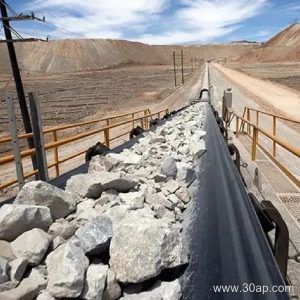
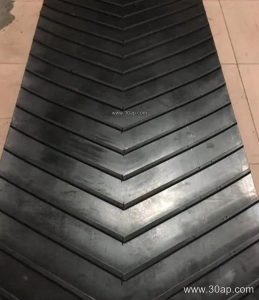
Sensor-assisted tracking is relevant in mines, coal handling, cement and clinker lines, steel plants, ports, and aggregate crushing circuits. A rubber conveyor belt carrying abrasive ore or a steel cord conveyor belt on a long overland route both benefit from early correction, though the tracker must suit the belt construction and loading conditions. In dusty or wet service, sensor fouling and buildup deserve attention during maintenance planning, and the enclosure rating should be checked against the site environment.
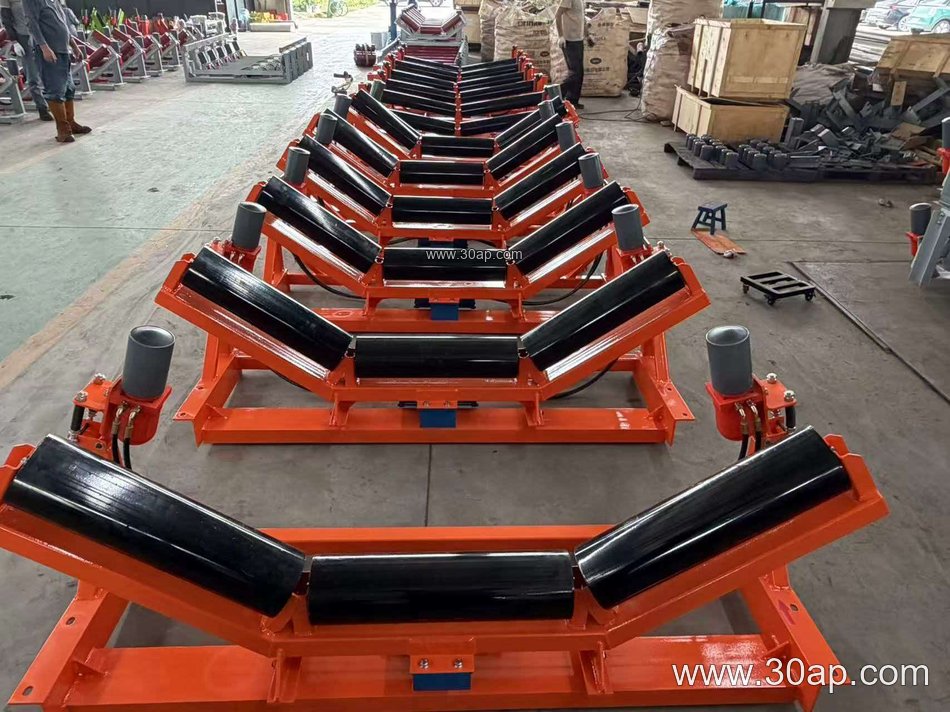
The device works alongside the conveyor belt, idler roller, conveyor pulley, and conveyor bracket rather than replacing any of them. It cannot compensate for a badly skewed frame, off-centre loading, seized rollers, or a spliced belt with a diagonal joint. Those causes should be corrected first; a tracker is a control measure, not a cure for poor installation.
Selection and Buyer Checklist
Buyers should gather the belt width, speed, running direction, carrying or return position, belt type, observed drift pattern, and available mounting space. Material conditions such as moisture, dust, temperature, and impact also matter. The table below lists examples of reference data that may appear in project discussions; these are not universal specifications or a supply list.
- Belt width examples: 600 mm, 800 mm, 1000 mm, 1200 mm, 1600 mm, 2000 mm
- Belt construction examples: EP conveyor belt, NN conveyor belt, steel cord conveyor belt, heat resistant conveyor belt, flame retardant conveyor belt
- Position examples: carrying run, return run, before a drive pulley or bend pulley
- Control examples: local control, PLC interface, alarm-only sensing
Ask whether the unit provides detection only or active correction, what signal interface is available, and how the actuator is powered. Confirm the mounting interface with the conveyor bracket drawing. Request maintenance instructions for sensor cleaning and roller inspection, and verify spare parts availability. A short inspection routine after startup and during scheduled shutdowns will reveal whether the tracker is responding to real drift or to a sensor fault.
Installation and Care Notes
Before any work, stop the conveyor, isolate the energy supply, and prevent unexpected restart. Observe belt tracking only from a safe position; never touch moving parts. After installation, check that the tracker frame is square to the belt centreline and that the sensor has a clear view of the belt edge. If misalignment persists, review loading, roller condition, and splice quality before adjusting the tracker.
For plants evaluating a sensor-assisted belt tracker alongside a conventional training idler, the deciding factors are usually the cost of downtime, the frequency of drift events, and the availability of controls expertise. A well-matched unit supports safer operation and longer belt life, but it should be selected from verified product data and site measurements rather than from a single belt width figure.