What a Ceramic Lagged Pulley Is
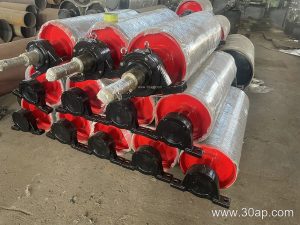
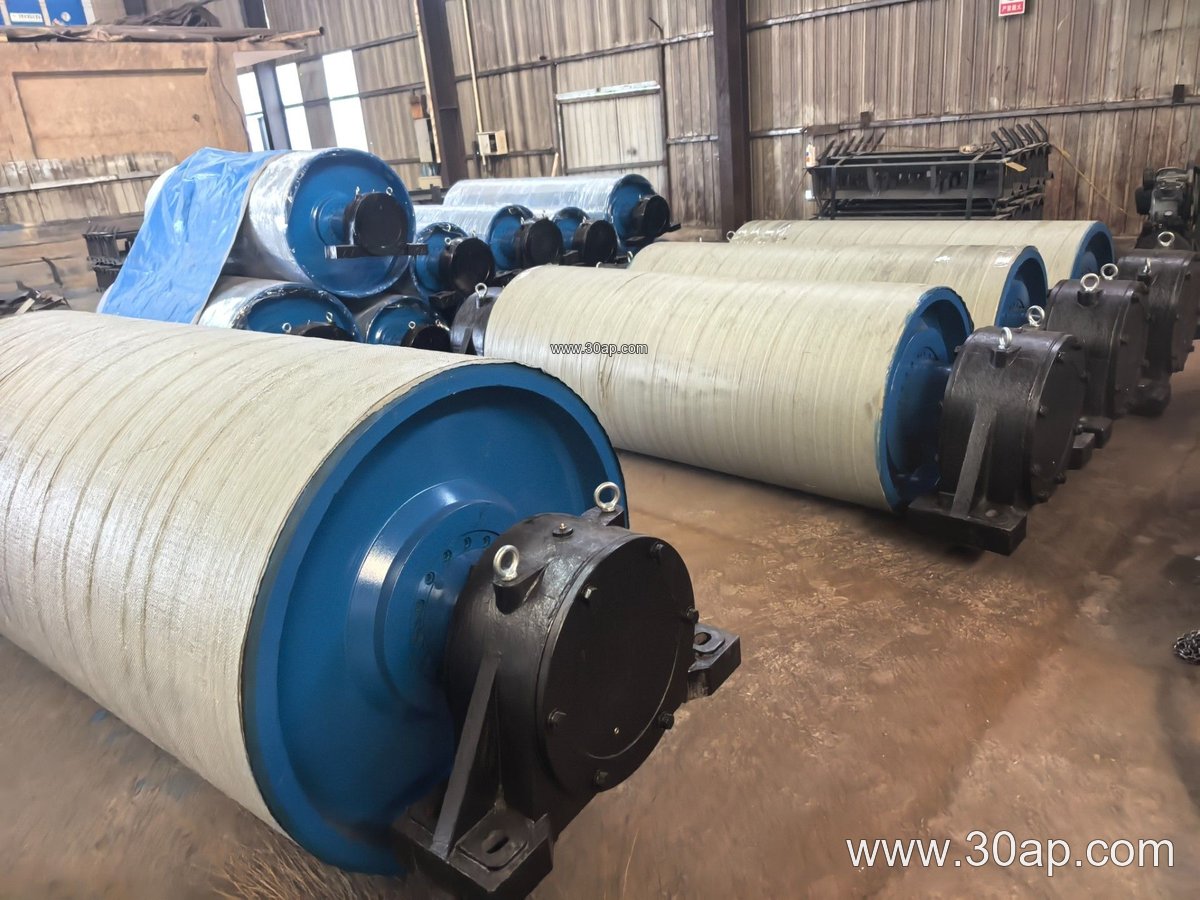
A ceramic lagged pulley is a conveyor pulley whose shell is covered with ceramic tiles set in a rubber or epoxy matrix. This ceramic lagging is a wear-resistant surface form used on drive, tail, and bend pulleys in bulk material handling. The tiles provide a hard, textured grip that helps maintain friction between the pulley and the conveyor belt, especially in wet or dusty conditions. Unlike plain rubber lagging, the ceramic elements resist abrasion and prolong the effective life of the lagging in demanding service.
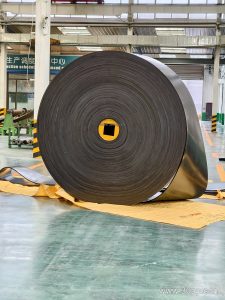
In many plants, the ceramic lagged pulley is specified alongside a Rubber Conveyor Belt or an EP Conveyor Belt to ensure reliable traction at the drive point. The ceramic surface is not a substitute for the pulley type itself; it is a surface enhancement applied to a drive pulley, tail pulley, or bend pulley as the application requires.
Construction and Surface Forms
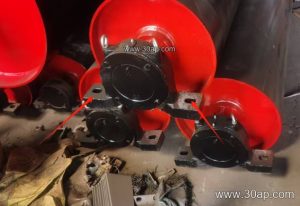
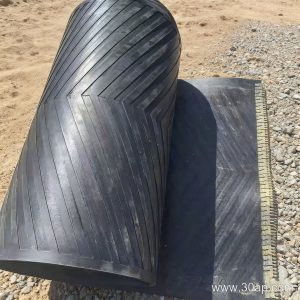
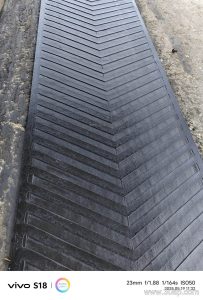
The pulley body is typically a steel drum with welded end discs and a shaft. Ceramic lagging is applied as individual tiles, often rectangular or square, bonded to the drum surface. The tiles may be embedded in a rubber layer or fixed with a cold-bonded adhesive system. Common surface patterns include diamond and herringbone, though ceramic tiles themselves often have raised studs or grooves for extra grip.
Lagging thickness commonly ranges from 8 mm to 20 mm, depending on the duty. The ceramic lagged pulley is one of several surface options; others include plain steel, cast rubber, cold-bonded rubber, hot-vulcanized rubber, diamond lagging, and herringbone lagging. Each has its place, but ceramic lagging is chosen where abrasion and slip risk are high.
Where Ceramic Lagging Fits
Ceramic lagged pulleys are found in quarry and aggregate lines, cement plants, coal washing plants, and power plant coal handling. They also appear in iron ore and copper ore operations where fines and moisture reduce friction. In a typical conveyor, the drive pulley with ceramic lagging transmits motion to the belt, while a tail pulley or bend pulley may also be ceramic-lagged to resist wear and maintain alignment.
Because the ceramic surface is harder than rubber, it is less prone to polishing and glazing. This can be an advantage when the conveyor belt carries abrasive bulk material and the pulley face is exposed to carryback. However, ceramic lagging is not a universal answer; for very light-duty or clean applications, a standard rubber lagging may be sufficient.
Matching Belt and Pulley
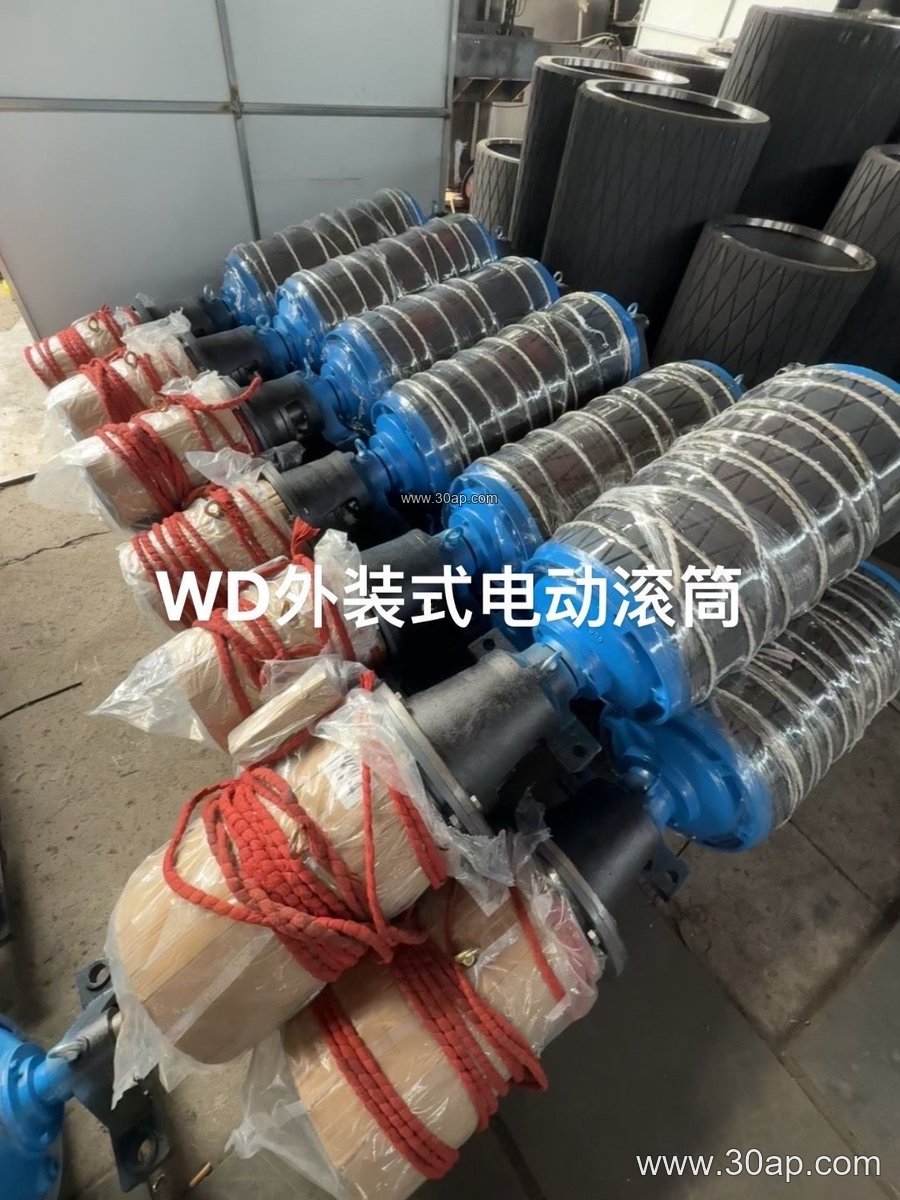
Belt width and pulley diameter are selected together, but there is no fixed rule that one belt width matches only one pulley diameter. For reference, common combinations include B800 × Ø500, B1200 × Ø1000, and B1400 × Ø800. Pulley face width is usually slightly greater than belt width, for example B650 with about 750 mm face, or B1000 with about 1150 mm face. Shaft diameter is determined by torque and load, not by belt width alone; typical shaft sizes range from Ø50 to Ø200 depending on the design.
When specifying a ceramic lagged pulley, the buyer should confirm the belt type and tension. A Steel Cord Conveyor Belt or a Multi-Ply Fabric Core Conveyor Belt may require different traction considerations. In coal mining, a Flame Retardant Conveyor Belt is often used, and the pulley lagging should be compatible with the belt cover and the environment.
Buyer Checklist
- Confirm the pulley role: drive, tail, or bend. These are not interchangeable, and the lagging pattern may differ.
- Check the conveyor belt width and the required face width. The face should exceed the belt width to avoid edge damage.
- Review the material being conveyed. Abrasive ore or aggregate may justify ceramic lagging, while a Heat Resistant Conveyor Belt application may need a different surface.
- Ask for the lagging thickness and tile pattern. Common thicknesses are 8, 10, 12, 15, and 20 mm.
- Verify shaft diameter against the actual torque load, not against a belt-width rule of thumb.
- Consider the environment: wet, dusty, or oily conditions affect friction and lagging choice.
For assistance with ceramic lagged pulley selection or to pair it with a suitable conveyor belt, idler roller, or conveyor bracket, contact our engineering team at example.com/conveyor-pulley and example.com/conveyor-belt.
Maintenance Notes
Inspect ceramic lagging periodically for tile loss or bond failure. Missing tiles can reduce traction and damage the belt. Keep the pulley face clean and ensure the belt training is correct. When replacing lagging, match the original thickness and pattern unless a design change is approved. A ceramic lagged pulley can deliver long service in abrasive conditions, but it still needs routine checks like any other conveyor pulley.