What a Trough Idler Bracket Does
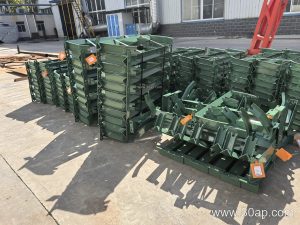
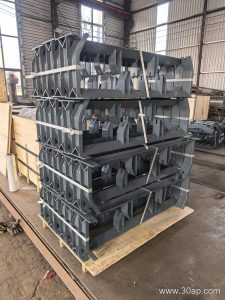
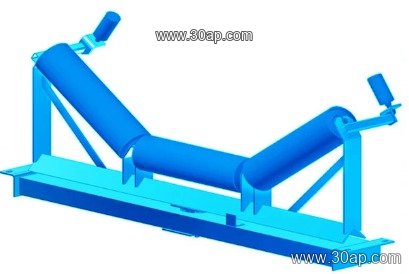
A trough idler bracket is the structural component that holds the idler rollers in a troughed arrangement on the carrying side of a conveyor belt. It positions the rollers at a specific trough angle so the belt forms a channel that keeps bulk material centered during transport. Often called a troughing idler support bracket, it is distinct from the idler rollers themselves and from the conveyor pulley at the drive or tail end. In quarry, cement, and power plant coal handling lines, this bracket works together with the conveyor belt and idler roller to maintain smooth material flow.
Construction and Materials
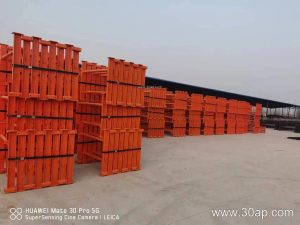
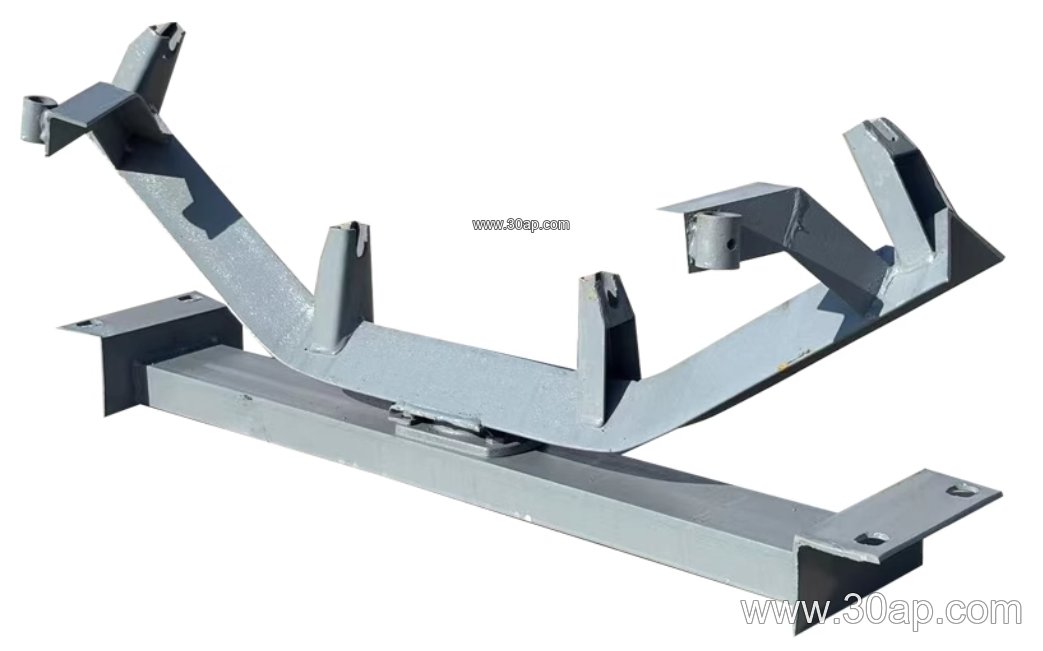
Trough idler brackets are typically fabricated from angle steel, channel steel, or bent steel plate. The choice of material and thickness depends on the load and the belt width. Common designs include fixed troughing brackets and adjustable types that allow the trough angle to be set between 20 and 45 degrees. The bracket includes mounting holes or slots for the idler shafts, and its crossbeam length varies with belt width and trough angle. For heavy-duty mining conveyor belts, brackets are often reinforced to withstand impact and misalignment forces.
Applications in Bulk Handling
These brackets are found in a wide range of industries. In a limestone quarry or sand and gravel line, they support the belt on the carrying side as it moves crushed rock. In a coal washing plant or a power plant coal yard, trough idler brackets help keep the belt loaded evenly, which is essential when using a flame retardant conveyor belt or an abrasion resistant conveyor belt. They are also used in cement plants, steel mills, and port loading facilities where bulk material conveyor belts operate continuously.
Key Selection Points
When choosing a trough idler bracket, consider the belt width, the required trough angle, and the idler roller diameter. Common belt widths include B500, B650, B800, B1000, B1200, B1400, B1600, B1800, B2000, and B2200. Trough angles are usually 20, 30, 35, or 45 degrees. Roller diameters such as Ø89, Ø108, Ø133, Ø159, and Ø194 are matched to the bracket design. The table below shows typical combinations, but these are reference examples only; actual selection depends on the conveyor design and material characteristics.
| Belt Width | Trough Angle | Idler Diameter |
|---|---|---|
| B650 | 30° | Ø89 |
| B800 | 35° | Ø108 |
| B1000 | 35° | Ø108 |
| B1200 | 45° | Ø133 |
| B1400 | 45° | Ø159 |
| B1600 | 35° | Ø159 |
| B1800 | 45° | Ø194 |
Adjustable brackets offer flexibility in setting the trough angle, while fixed brackets provide a simpler, more rigid solution. For transition zones near the tail pulley, transition idler brackets may be used to gradually change the belt shape. Impact idler brackets, with additional cushioning, are available for loading points.
Installation and Maintenance Tips
Proper alignment is critical. The bracket must be square to the conveyor centerline and at the correct height so the idler rollers contact the belt evenly. Check mounting bolts regularly, especially in high-vibration environments such as crusher discharge or screen feed points. Inspect for wear or deformation, particularly when handling abrasive materials like iron ore or copper ore. Using a well-matched conveyor belt, such as an EP conveyor belt or a steel cord conveyor belt, along with quality brackets and idler rollers, helps extend the service life of the entire conveyor system. For more information on compatible components, visit our site at www.example.com/trough-idler-bracket or www.example.com/conveyor-bracket.