What a Drive Rubber Lagged Pulley Does
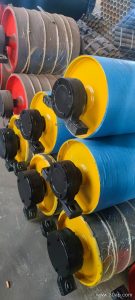
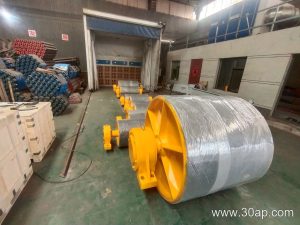
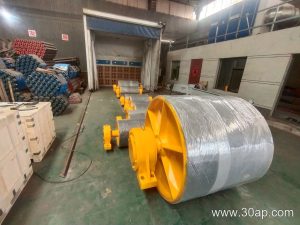
A drive rubber lagged pulley is the powered pulley at the head of a conveyor that transfers torque to the belt. The rubber lagging is bonded to the drum surface to raise friction between pulley and belt, which reduces slip under load and helps protect both components from wear. In mining, coal preparation, cement, power generation and quarrying, this pulley is often the single point where the entire conveyor drive is applied, so its grip and durability matter.
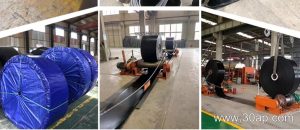
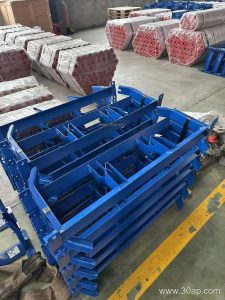
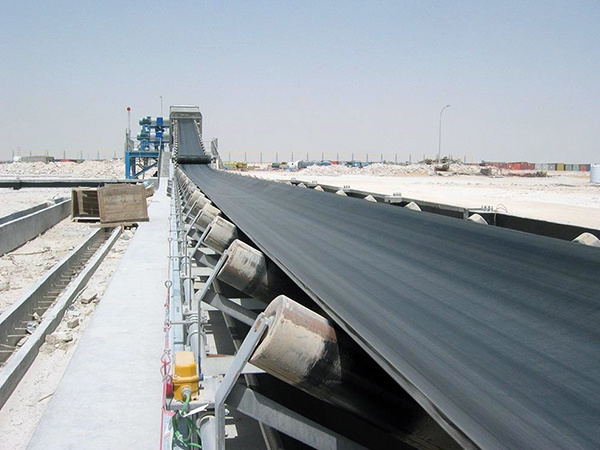
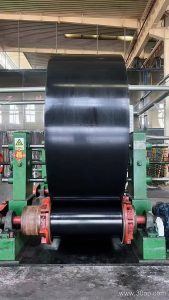
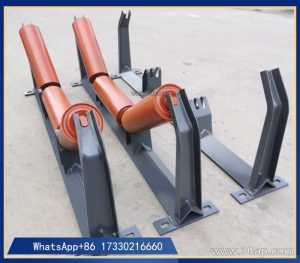
Unlike a tail pulley or bend pulley, which mainly guide or tension the belt, the drive pulley must handle high tangential force. That is why lagging selection and pulley construction are critical. A typical conveyor pulley of this type works with a rubber conveyor belt, conveyor idler rollers and sturdy conveyor brackets to keep the line running.
Construction and Lagging Options
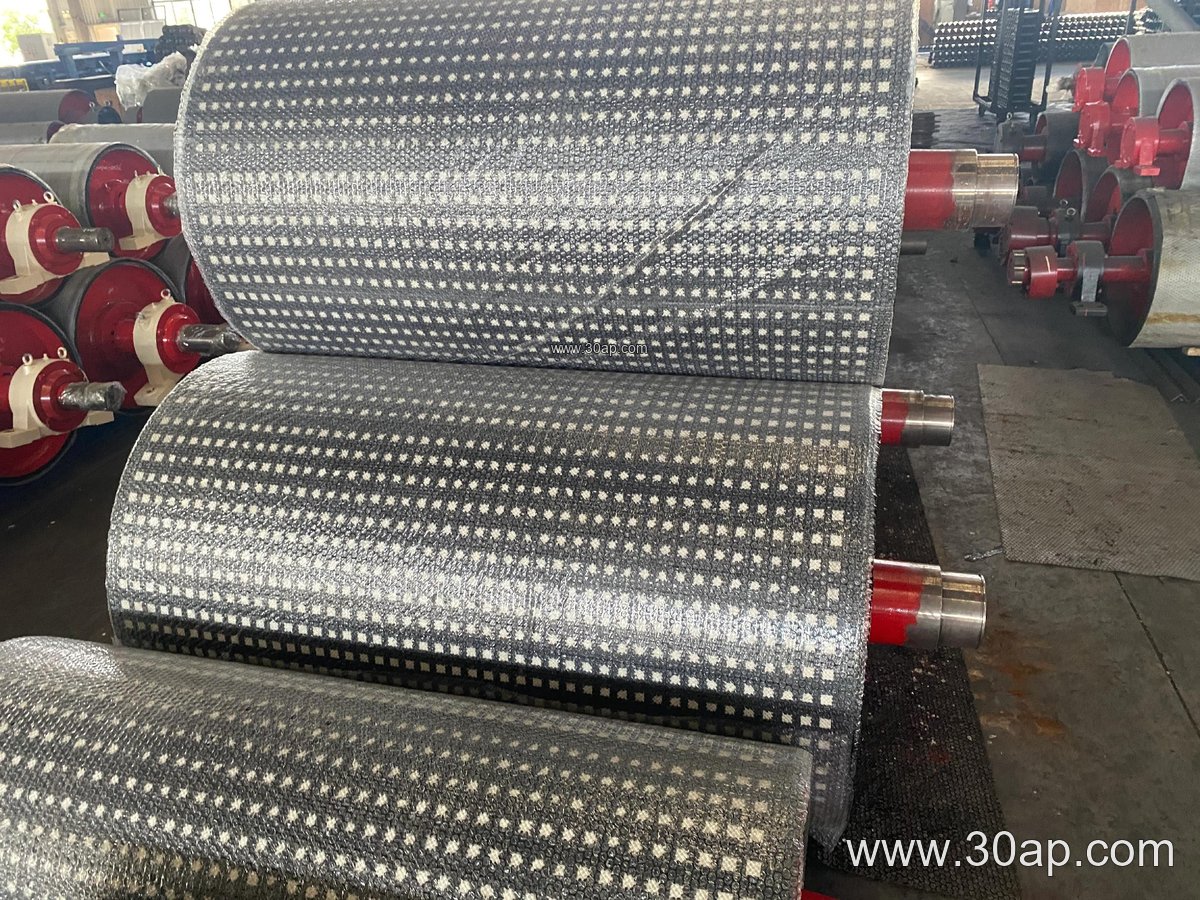
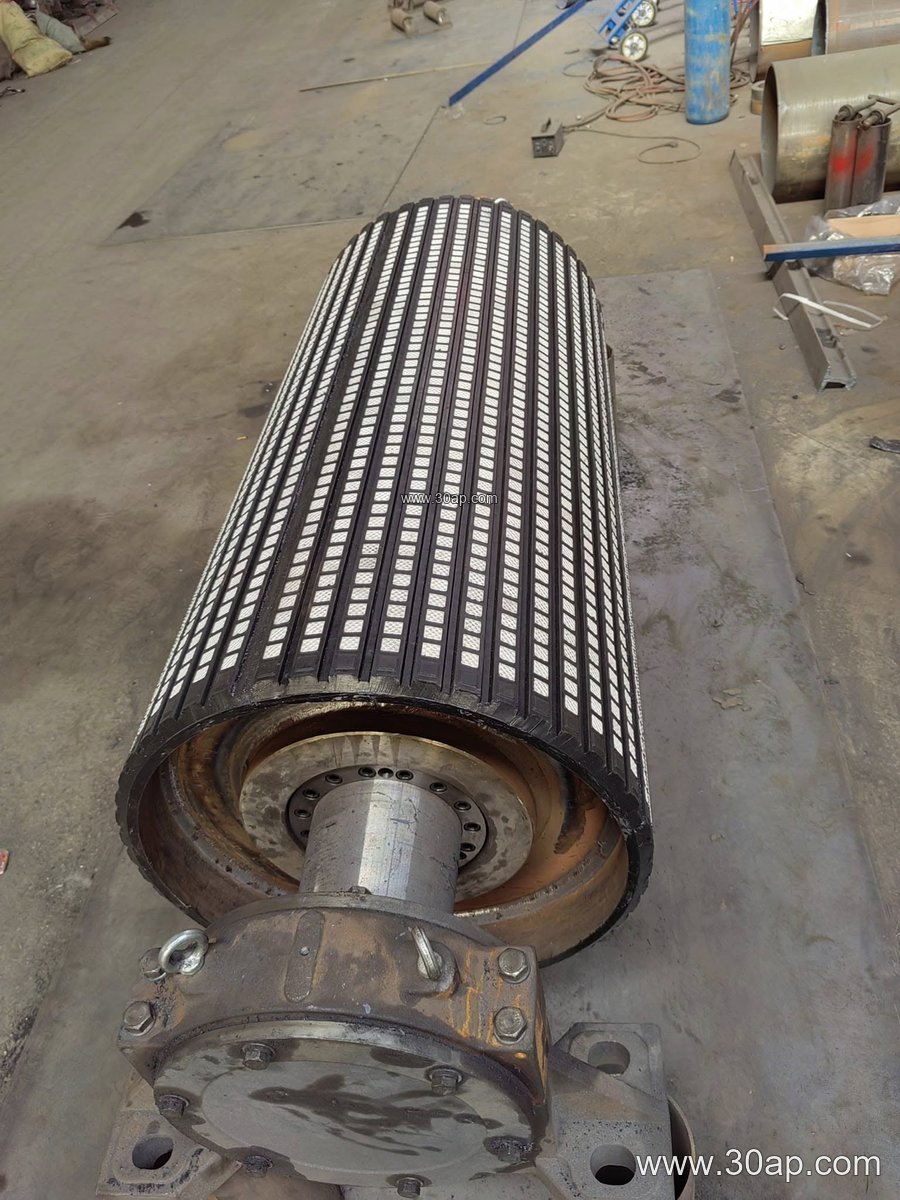
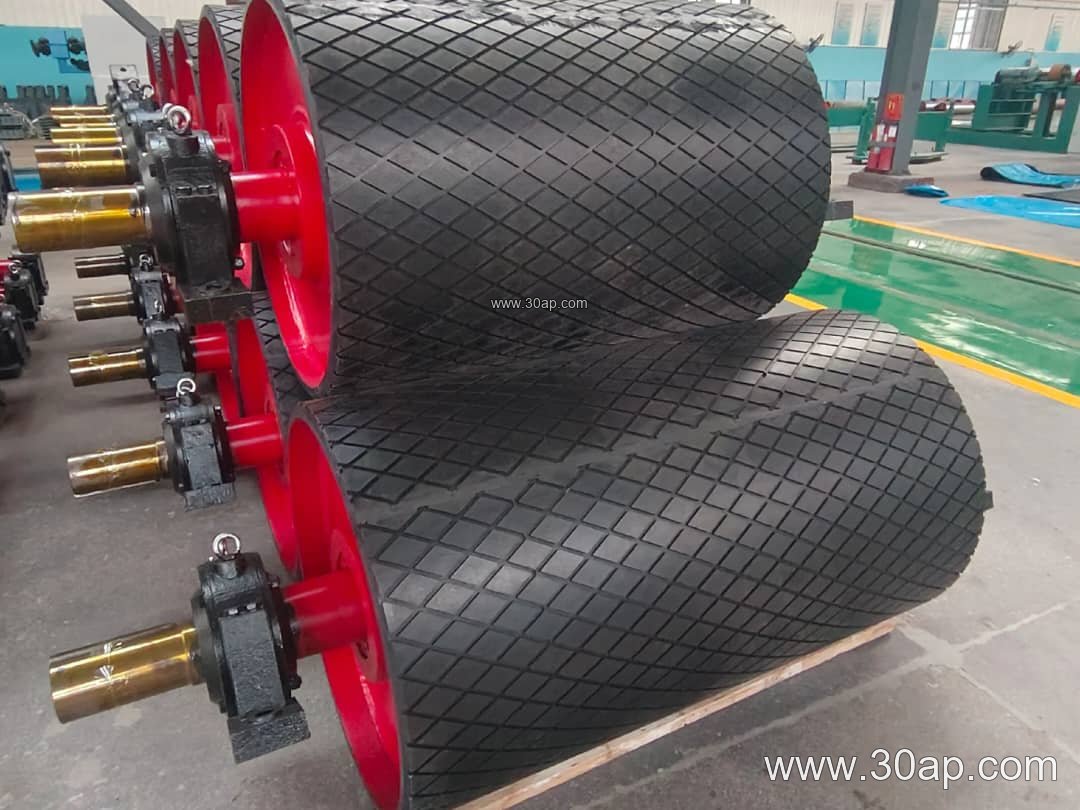
The drum is usually fabricated from rolled steel plate with welded end discs and a shaft sized by torque and load. Lagging can be applied in several ways: hot vulcanized rubber, cold bonded rubber, cast rubber, or ceramic lagging for extreme slip conditions. Surface patterns include plain, diamond and herringbone. Common lagging thicknesses are 8, 10, 12, 15 and 20 mm, chosen according to belt tension and environmental conditions.
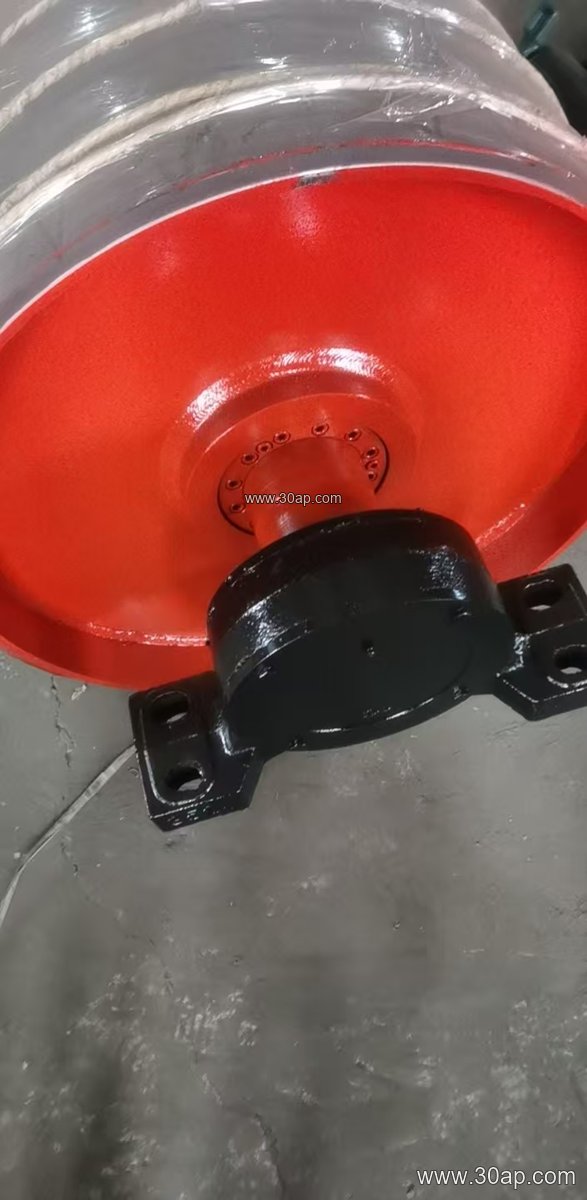
Shaft diameters commonly range from Ø50 to Ø200 mm, and pulley diameters from Ø200 to Ø1800 mm. These are reference ranges, not fixed rules; final dimensions depend on the conveyor design. The pulley face width is normally wider than the belt, for example about 500 mm for B400 and about 1150 mm for B1000. A drive rubber lagged pulley may be supplied as B800 × Ø500, B1200 × Ø1000 or B1400 × Ø800, but no single belt width dictates one diameter.
Where It Fits in the Conveyor
This pulley is mounted at the head or drive station, often as a head pulley or unloading pulley. In some layouts it may also act as a tension pulley or take-up pulley, but those are separate functions and should not be confused with the drive role. A bend pulley or snub pulley only changes belt direction and is not a substitute for the drive pulley.
Typical applications include coal mining conveyors, cement plant clinker lines, power plant coal handling, iron ore and copper ore transport, and aggregate crushing circuits. In these settings, the pulley must resist abrasive dust, moisture and sometimes heat. Matching the lagging to the belt type helps: for example, a flame retardant conveyor belt in underground coal mining may require lagging that meets similar safety expectations, while a heat resistant conveyor belt on a clinker line calls for rubber that can tolerate elevated temperatures.
Buyer Checklist for Drive Rubber Lagged Pulleys
- Confirm the pulley role: drive, head or unloading. Do not specify a tail pulley or bend pulley in its place.
- Provide belt width, belt type and maximum tension so the manufacturer can size the drum and shaft. Belt width alone does not determine shaft diameter.
- Select lagging thickness and pattern based on slip risk and material. Diamond or herringbone lagging can improve water shedding; ceramic lagging may suit high-torque drives.
- Check compatibility with the conveyor belt, idler roller spacing and conveyor bracket dimensions.
- Ask for the balancing grade and inspection reports if the pulley will run at high speed.
Maintenance and Long-Term Performance
Inspect lagging for wear, glazing or chunking during scheduled shutdowns. Worn lagging reduces friction and can lead to belt slip, especially when the belt is wet or overloaded. Keep the pulley face clean and verify that the belt tracking is correct; misalignment accelerates lagging wear on one side. When replacing lagging, match the original thickness and pattern unless the drive conditions have changed. A well-maintained drive rubber lagged pulley helps extend the service life of the conveyor belt and reduces unplanned downtime in demanding industries such as quarrying, steel plants and port bulk handling.