What a Galvanized Conveyor Bracket Does
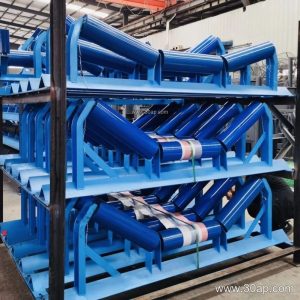
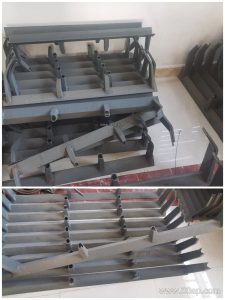
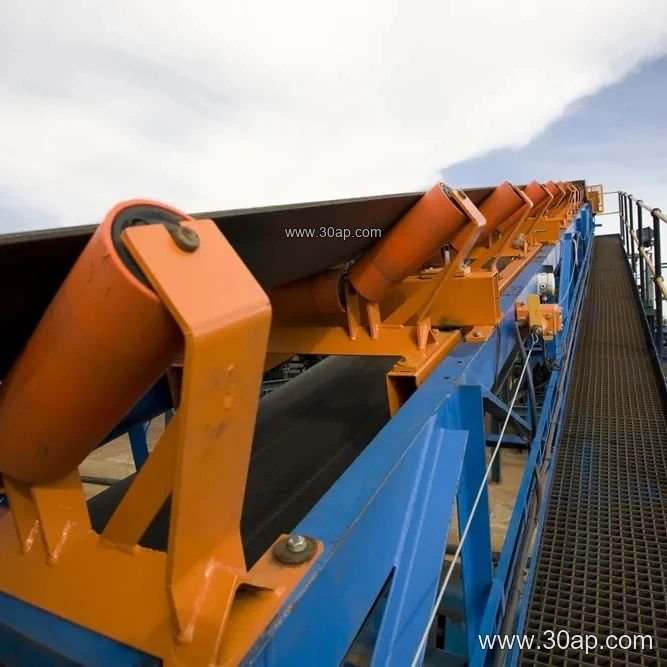
A galvanized conveyor bracket is the structural support that holds idler rollers in position along a conveyor frame. It connects the roller shaft to the stringer or cross beam and sets the trough angle that shapes a loaded conveyor belt. In a quarry, a coal preparation plant, or a cement kiln line, these brackets carry the repeated load of bulk material and keep the belt tracking in a stable profile. Hot-dip galvanizing gives the steel a zinc layer that resists moisture, dust, and the corrosive splash common in washing and screening areas.
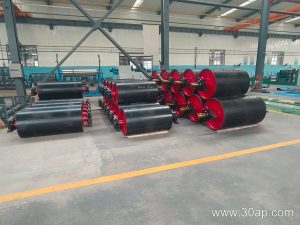
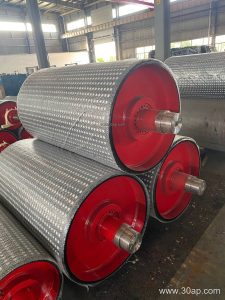
The bracket is not a pulley. Drive pulleys, tail pulleys, and bend pulleys transmit or redirect belt tension, while a bracket only positions the idlers that support the belt. Mixing these roles leads to wrong spare parts and poor maintenance planning.
How the Bracket Is Built
Most frames are fabricated from angle steel, channel steel, or folded steel plate, then welded and galvanized. A typical trough bracket carries three idlers at a fixed or adjustable angle. Common trough angles are 20, 30, 35, and 45 degrees, and an adjustable bracket can move between these positions. Forward-leaning designs often use about 1.5 to 2 degrees of tilt to help belt training.
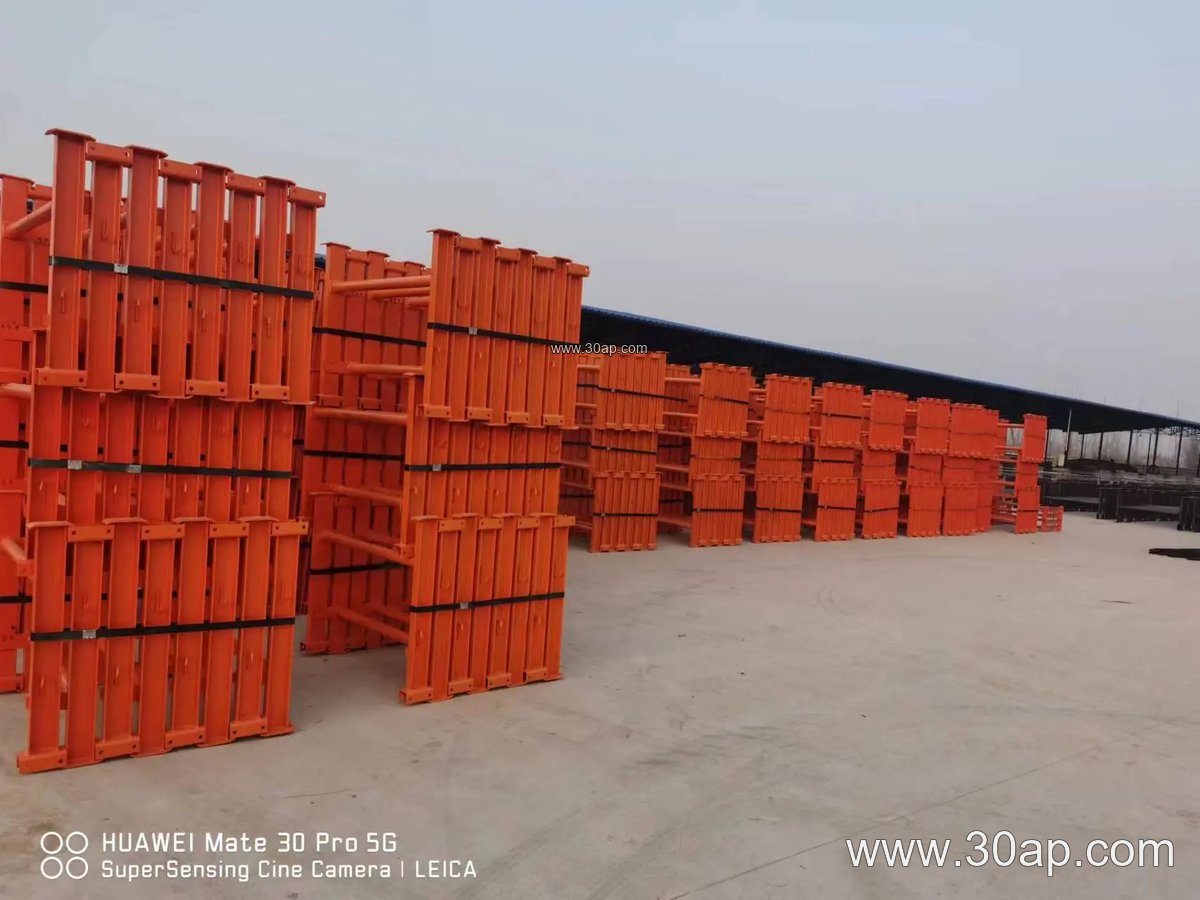
Bracket geometry follows belt width and roller diameter. Some common reference combinations include B800 with 35 degrees and Ø108 rollers, B1200 with 45 degrees and Ø133 rollers, or B650 with 30 degrees and Ø89 rollers. These are examples, not fixed rules. Bolt hole spacing and beam length usually change with belt width and trough angle, so they are confirmed by design drawings rather than assumed from one figure.
Common Bracket Forms
- Trough and upper trough brackets for the carrying side
- Transition brackets near pulleys where the belt changes profile
- Return and V-return brackets for the empty side
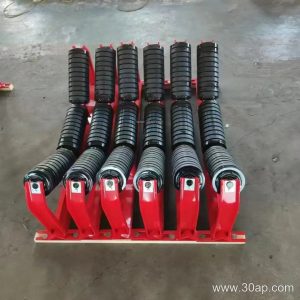
- Impact bracket under loading points
- Self-aligning and forward-leaning brackets for belt training
- Spiral, suspended, and adjustable brackets for special frames
Where Galvanized Brackets Fit in a Conveyor
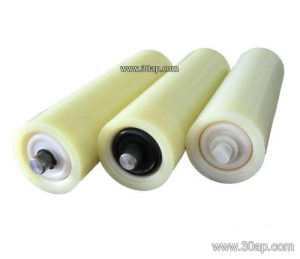
In a limestone quarry or a sand and gravel line, trough brackets sit on the carrying run and guide an abrasion resistant conveyor belt through the loading zone. Return brackets support the belt on its way back and work together with a return idler roller to reduce sag. At a transfer point, impact brackets absorb the fall of rock before the belt reaches the next section.
In a power plant coal yard or a port bulk terminal, galvanized frames are often chosen where humidity and dust are present. A flame retardant conveyor belt may run on the same structure, but the bracket material and finish should still suit the local environment. When a steel cord conveyor belt is used for long overland routes, bracket alignment and spacing become more critical because belt tension is higher and tracking errors are costly.
Matching Brackets to Belt Width and Roller Size
Selection starts with belt width, trough angle, roller diameter, and the load carried. A wide belt on a heavy-duty mining conveyor needs a stronger frame and more support points than a narrow belt in a grain silo. The table below shows reference data that helps in early planning; final values should follow the conveyor design.
| Parameter | Common Reference Range |
|---|---|
| Belt width | B500, B650, B800, B1000, B1200, B1400, B1600, B1800, B2000, B2200 |
| Trough angle | 20°, 30°, 35°, 45° |
| Roller diameter | Ø89, Ø108, Ø133, Ø159, Ø194 |
| Frame material | Angle steel, channel steel, folded steel plate |
| Finish | Hot-dip galvanized |
Do not assume that one belt width can only pair with one trough angle or one roller diameter. A B1000 frame may be built at 30 or 35 degrees depending on the material and belt speed. Similarly, shaft diameter is not fixed by belt width alone; it comes from the idler rating and the load calculation.
Buyer Checklist
- Confirm belt width and required trough angle before ordering.
- State the roller diameter and shaft size so the mounting slots match.
- Ask for the zinc coating specification and check for sharp edges or weld spatter.
- Verify hole spacing against the actual conveyor stringer drawing.
- Consider the environment: washdown, dust, or coastal air may justify a heavier galvanized finish.
- Keep a small stock of the most used bracket forms to reduce downtime.
For a crusher conveyor or a stockyard line, a well-matched galvanized bracket keeps the idlers square to the belt and lowers the chance of edge damage. Whether the plant handles iron ore, cement clinker, or fertilizer, the bracket is a small part that influences belt life and maintenance cost. Review the frame layout together with the conveyor belt, idler roller, and pulley schedule so the whole support system works as one.