What an Extra-Wide Conveyor Belt Is
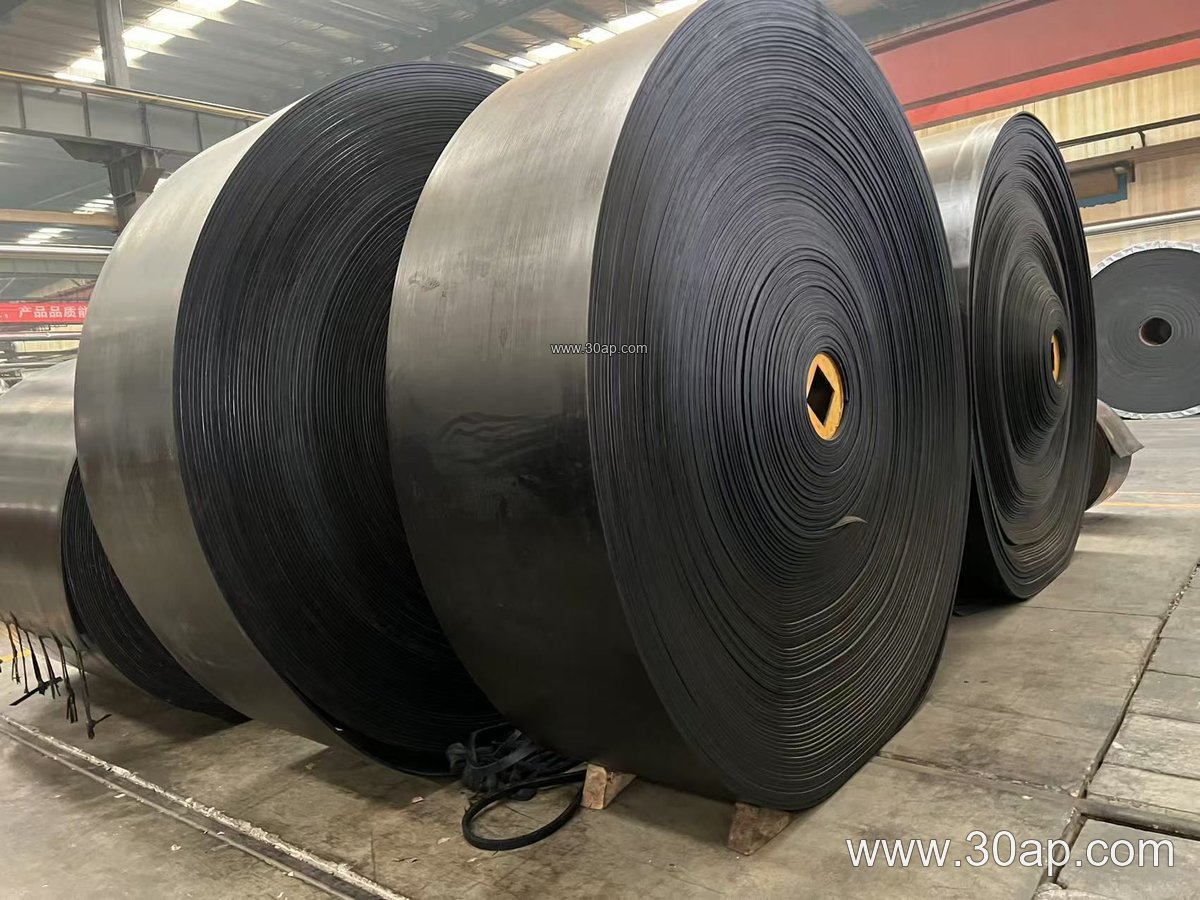
An extra-wide conveyor belt is a heavy-duty belt built with a large cross-sectional width, typically used where high tonnage and broad material streams must be moved efficiently. In practice, widths beyond the common 1200 mm or 1400 mm range—such as 1800 mm, 2000 mm, or 2200 mm—are often considered extra-wide, though the exact threshold depends on the application and conveyor design. This wide conveyor belt is not simply a scaled-up standard belt; its carcass, cover compounds, and splice design must handle the greater load and bending forces across the full width.
Buyers often encounter this product under names like wide conveyor belt or heavy-duty wide belt, but the core function remains the same: transporting bulk material in mines, cement plants, power stations, ports, and aggregate yards without excessive spillage or belt sag.
Construction and Material Options
The construction of an extra-wide belt follows the same family as standard conveyor belting, with fabric core or steel cord reinforcement. For many quarry and cement applications, an EP conveyor belt (polyester-nylon) or NN conveyor belt (nylon-nylon) provides a good balance of strength and troughability. Where higher tension and longer center distances are involved, a steel cord conveyor belt is often selected. The table below shows typical reference values; actual specifications are determined by the conveyor designer.
| Parameter | Common Reference Range |
|---|---|
| Belt width | B1800, B2000, B2200 (extra-wide range) |
| Fabric core strength | EP200 to EP2000, NN100 to NN400 |
| Steel cord strength | ST1000 to ST3150 |
| Cover thickness | 4+2 mm, 5+2 mm, 6+2 mm, 8+3 mm |
| Carcass layers | 2 to 6 plies (fabric core) |
Cover compound selection matters as much as width. An abrasion resistant conveyor belt is common in sand and gravel plants, while a heat resistant conveyor belt suits cement clinker or sintered ore. In coal mining and underground coal mining, a flame retardant conveyor belt or fire resistant conveyor belt is typically required, and anti-static properties are often specified alongside. For cold climates, a cold resistant conveyor belt helps prevent cracking. Oil resistant and chemical resistant grades are available for recycling and industrial processing lines.
Where Extra-Wide Belts Are Used
Extra-wide belts appear where a single conveyor must carry a large volumetric flow. In the mining industry, they move ore from primary crushers to stockpiles; in coal mining, they handle run-of-mine coal at high capacity. Cement plants use them for clinker and limestone, power plants for coal and ash, and ports for ship loading and unloading. Aggregate operations, including quarry conveyor belts and crusher conveyor belts, often rely on extra-wide units to reduce the number of parallel conveyors.
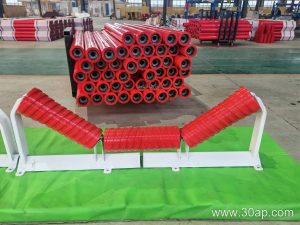
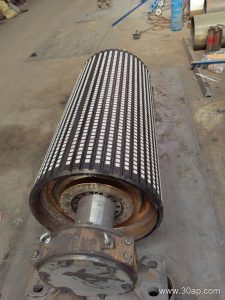
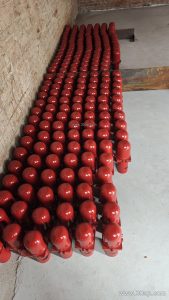
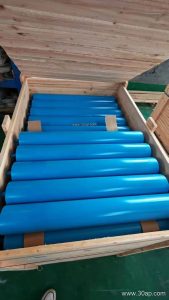
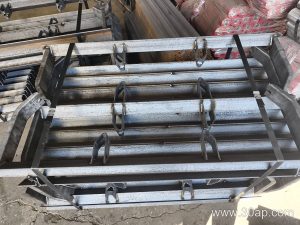
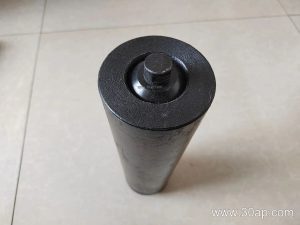
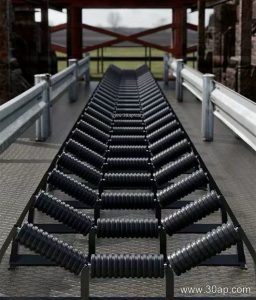
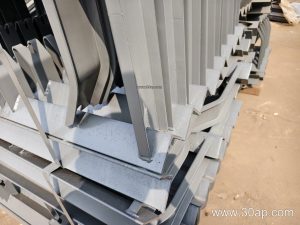
Because the belt is wide, matching components must be selected carefully. The conveyor pulley—whether drive, tail, or bend pulley—must be sized for the belt width and tension, and the idler roller frames must support the full load without excessive deflection. Conveyor brackets and stringers also need to be robust. A common mistake is to assume that a given belt width dictates a single pulley diameter; in reality, pulley diameter depends on belt tension, carcass type, and required wrap angle, not width alone.
Selection and Maintenance Notes
When specifying an extra-wide conveyor belt, start with the material characteristics: lump size, bulk density, moisture, temperature, and abrasiveness. Then confirm the required belt strength and cover grade. For example, an EP1000 1800mm conveyor belt may suit a medium-duty aggregate line, while a steel cord ST2000 belt at 2000 mm width might be needed for a long overland conveyor. Always ask for the manufacturer’s recommended minimum pulley diameter and splice method for the specific carcass.
- Check that the conveyor frame and idler rollers are rated for the extra width and load.
- Use a vulcanized splice designed for the belt width to avoid edge separation.
- Monitor belt tracking closely; wide belts are less tolerant of misalignment.
- Keep the tail pulley and bend pulley clean to prevent material buildup that can damage edges.
For harsh environments, consider a corrugated sidewall conveyor belt or skirted conveyor belt if material containment is critical, but note these are different subtypes and not direct replacements for a flat extra-wide belt. Similarly, a pipe conveyor belt serves a different purpose entirely. The right choice depends on the conveyor layout and the material being handled.
Regular inspection of the belt surface, edges, and splices extends service life. In dusty operations such as coal handling or cement plants, cleaning the return side and checking idler roller rotation helps prevent premature wear. With proper selection and maintenance, an extra-wide conveyor belt can deliver reliable high-capacity performance across mining, quarry, power, and port applications.