What a Conveyor Bracket Assembly Does
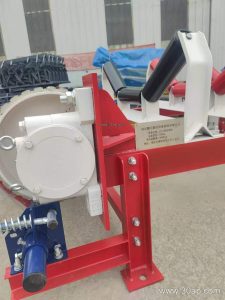
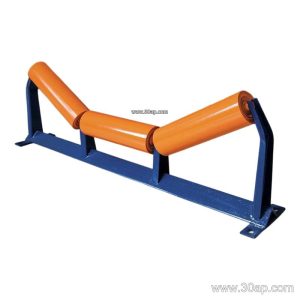
A conveyor bracket assembly is the structural link between the conveyor frame and the idler rollers that carry or return the conveyor belt. Often called an idler frame bracket or roller support bracket, it holds the rollers at the correct angle and spacing, keeps the belt tracking smoothly, and transfers the load of the belt and material into the main frame. On a quarry conveyor or a coal mining conveyor, these assemblies are exposed to constant vibration, dust, and heavy loads, so their design and installation quality directly affect belt life and downtime.
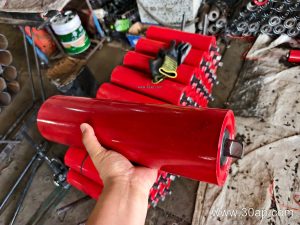
In practice, the assembly is more than a simple steel part. It usually includes the bracket body, mounting plates, angle-setting slots or holes, and the fasteners that clamp the idler roller in place. Some designs add self-aligning features or impact-absorbing elements. The bracket works together with the conveyor belt, the conveyor pulley at each end, and the idler rollers along the run.
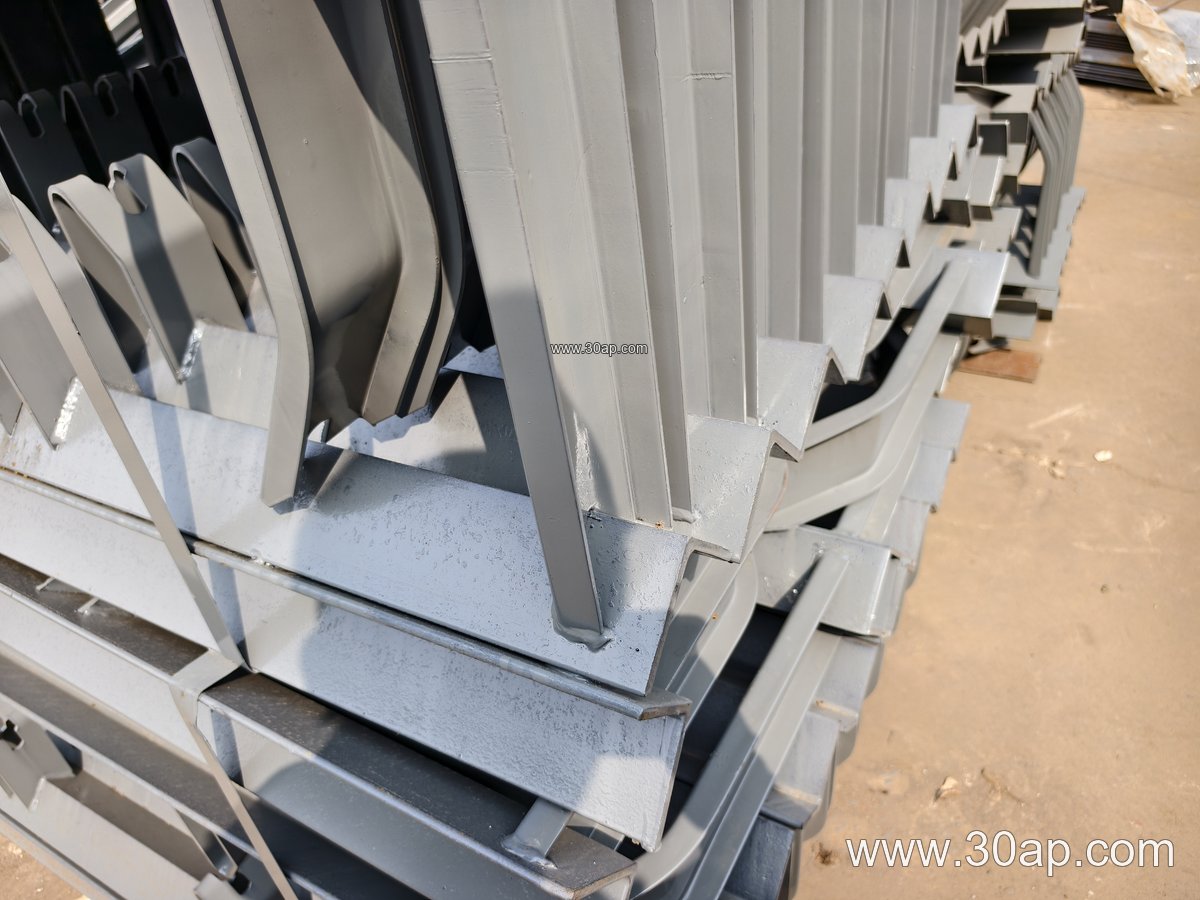
Construction and Common Types
Most bracket assemblies are fabricated from angle steel, channel steel, or folded steel plate, then drilled or slotted for mounting. The type chosen depends on where it sits in the conveyor and what the belt must do at that point.
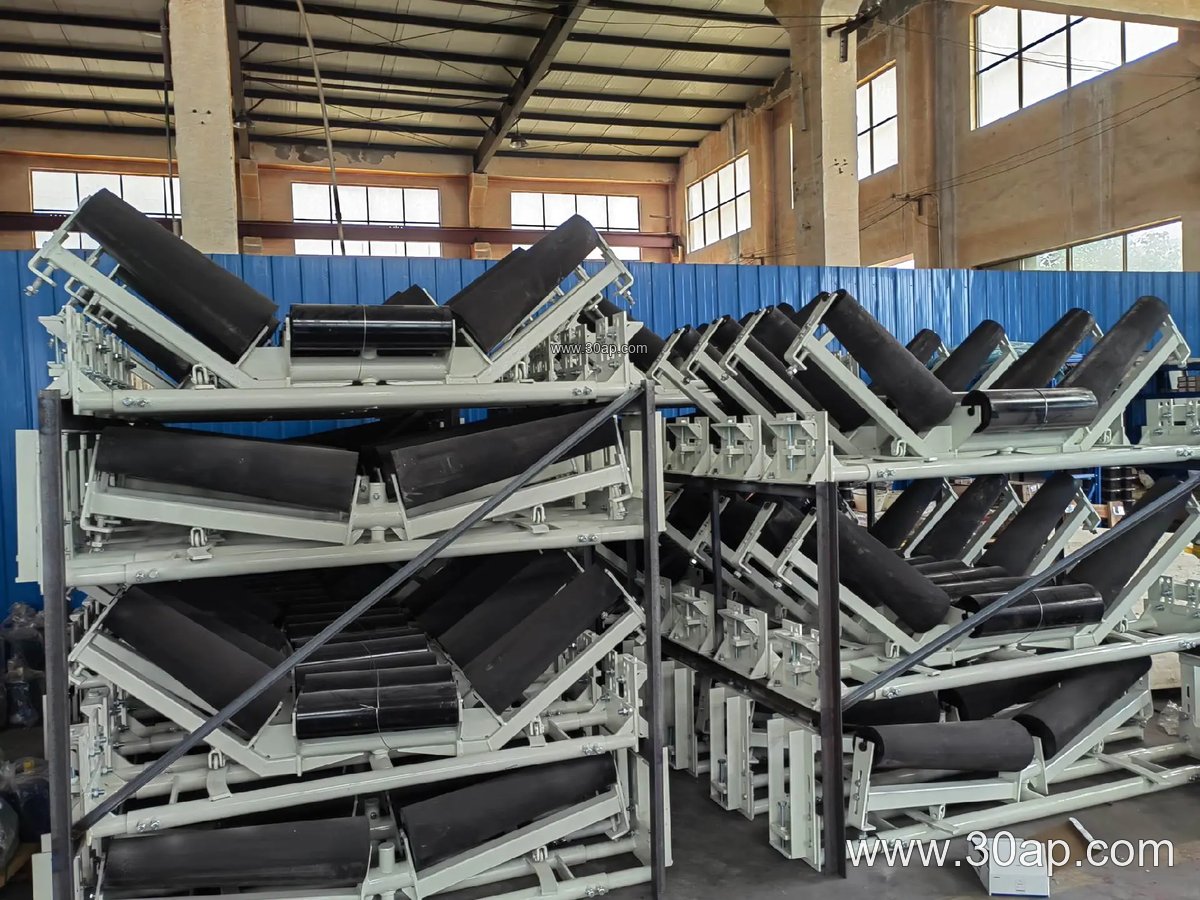
- Troughing bracket assembly supports the upper carrying rollers and sets the trough angle so the belt forms a stable trough for bulk material.
- Transition bracket eases the belt from a flat profile near the pulley to a full trough, reducing edge stress.
- Return bracket and V-return bracket support the lower run and help clean and center the belt.
- Impact bracket sits under loading points and absorbs the shock of falling rock or ore.
- Self-aligning bracket allows slight pivoting to correct belt misalignment.
- Adjustable bracket lets maintenance staff change the trough angle within a range instead of replacing the frame.
Material and surface treatment matter in wet or corrosive plants. Galvanized or painted assemblies are common in ports and fertilizer handling, while heavy folded plate brackets suit iron ore and crusher discharge zones.
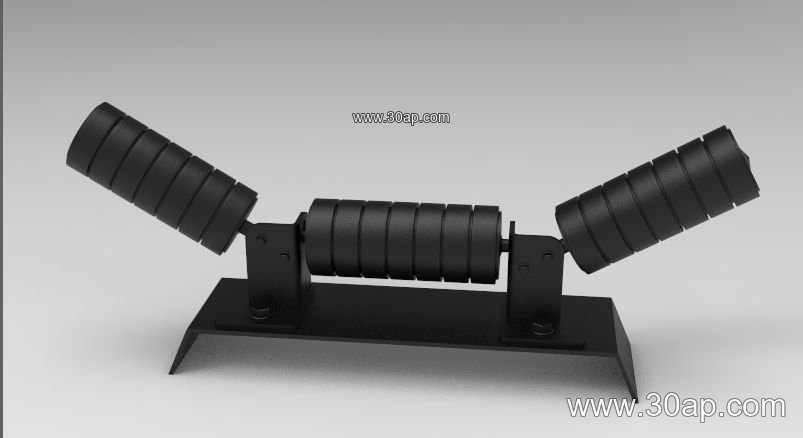
Matching Brackets to Belt Width and Roller Diameter
Bracket size follows the belt width, the roller diameter, and the required trough angle. Common belt widths include B500, B650, B800, B1000, B1200, B1400, B1600, B1800, B2000, B2200, but the bracket should be selected from the actual frame design rather than a single fixed rule. Typical trough angles are 20, 30, 35, and 45 degrees, and forward-leaning brackets often use about 1.5 to 2 degrees of tilt. Roller diameters such as Ø89, Ø108, Ø133, Ø159, and Ø194 are matched to load and belt speed.
| Parameter | Common reference values |
|---|---|
| Belt width | B500 to B2200 |
| Trough angle | 20°, 30°, 35°, 45° |
| Roller diameter | Ø89, Ø108, Ø133, Ø159, Ø194 |
| Mounting hole spacing | According to belt width and trough angle |
| Cross beam length | Determined by frame design |
A useful example is B800 with 35 degrees and Ø108 rollers for a sand and gravel line, or B1200 with 45 degrees and Ø133 rollers for a cement plant. These are references, not fixed pairings; a wider belt does not automatically dictate one roller size.
Where These Assemblies Are Used
Bracket assemblies appear wherever a conveyor belt runs on rollers. In a limestone quarry or aggregate crushing circuit, troughing and impact brackets support the belt under coarse rock. In a power plant coal yard, flame retardant and anti-static belts run on sturdy return brackets. In a steel plant sintering line, heat resistant belts need brackets that keep alignment despite thermal expansion. Port ship loaders and tunnel spoil conveyors also rely on well-aligned bracket assemblies to avoid belt edge damage.
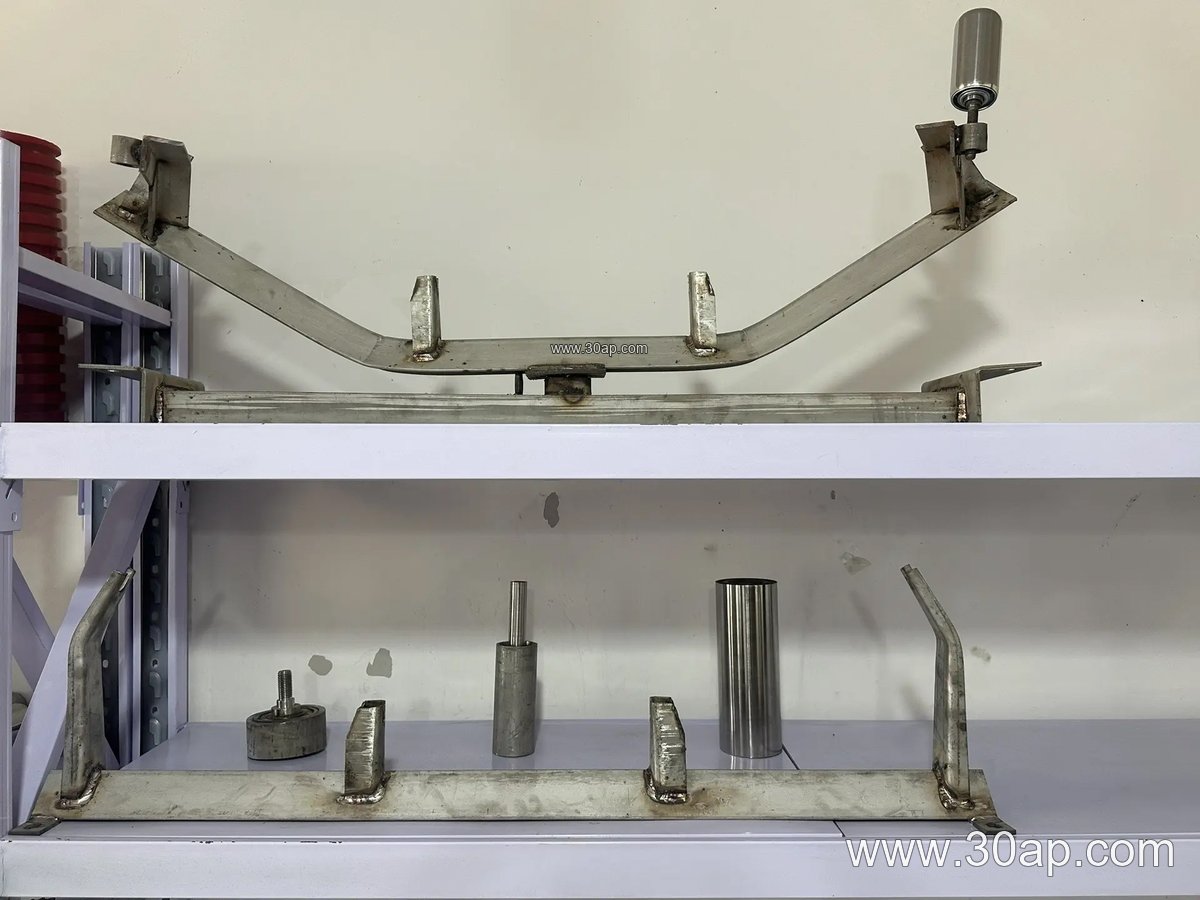
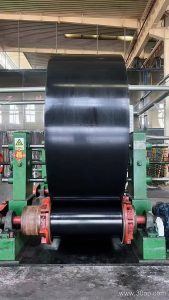
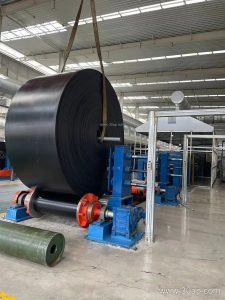
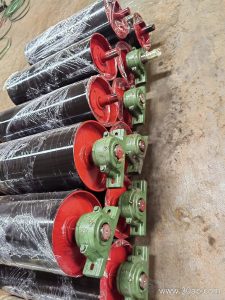
The bracket must suit the belt it carries. A heavy-duty mining conveyor belt with steel cord reinforcement needs a rigid assembly, while a pipe conveyor belt or corrugated sidewall belt may need special roller positions. Mentioning a drive pulley or tail pulley is useful only as a comparison point: the bracket near a pulley often needs a transition design, but a drive pulley and a tail pulley are not interchangeable.
Buyer Checklist
- Confirm belt width, roller diameter, and trough angle before ordering.
- Check whether the frame uses fixed or adjustable brackets.
- Ask for mounting hole spacing and cross beam length from the actual drawing.
- Match material and coating to the site: wet, dusty, corrosive, or high impact.
- Plan spare brackets for loading points and transition zones, where wear is fastest.
For more on compatible components such as conveyor idlers and conveyor pulleys, review the full conveyor system layout before finalizing any bracket order.