What a Conveyor Carrying Bracket Does
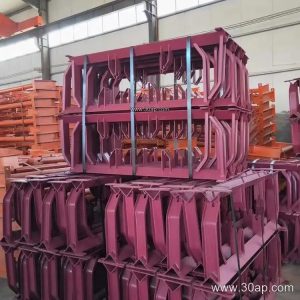
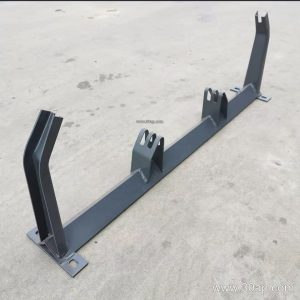
A conveyor carrying bracket is the structural component that holds the troughing idlers in place along the carrying side of a belt conveyor. It sits between the conveyor frame and the idler roller, maintaining the correct trough angle so that the conveyor belt forms a stable, material-holding profile. In quarry, coal mining, and cement plant operations, this bracket is often the difference between smooth material flow and costly spillage. For anyone specifying a conveyor bracket, understanding its construction and selection factors is essential.
Construction and Materials
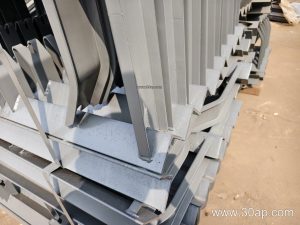
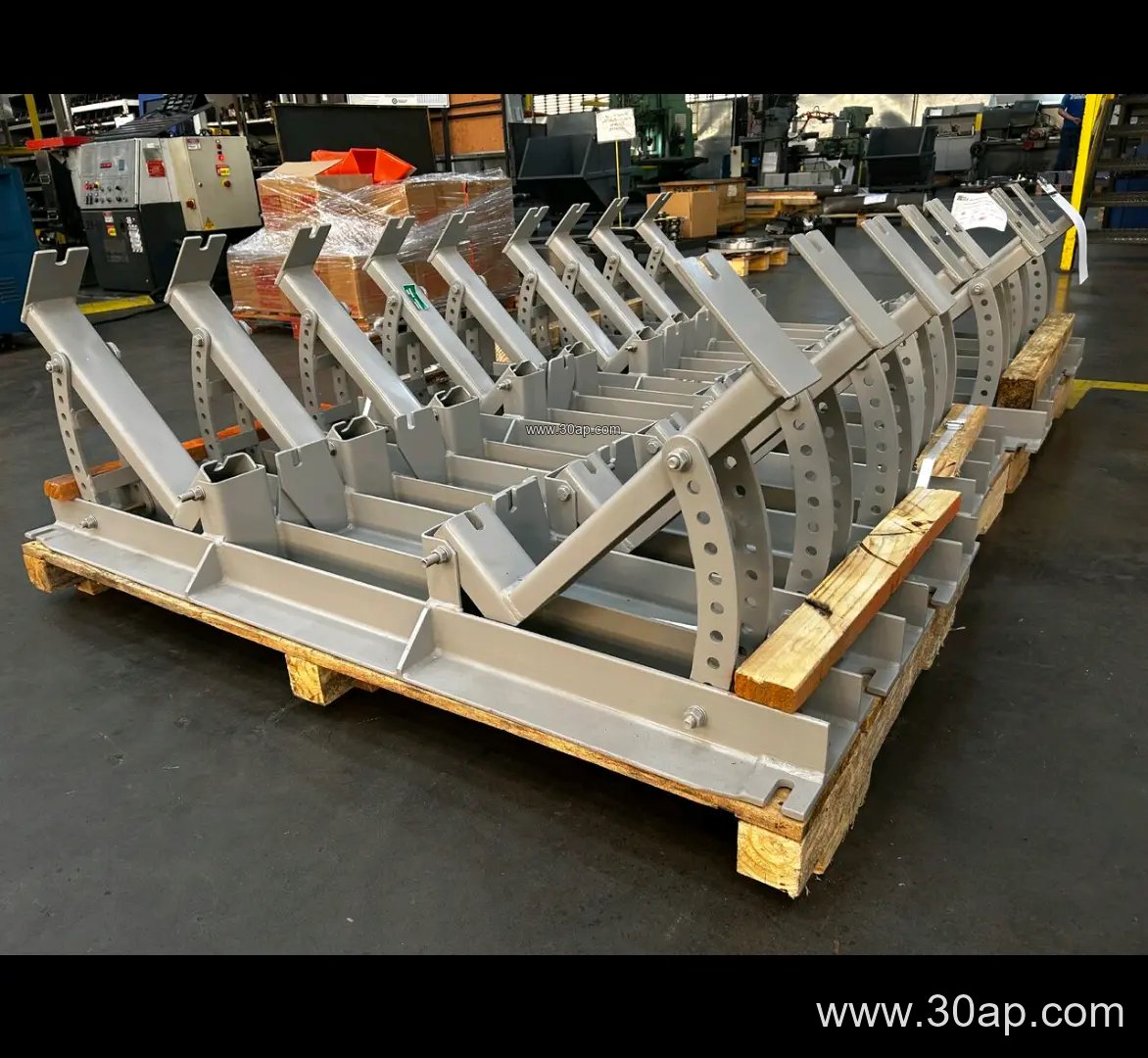
Most carrying brackets are fabricated from angle steel, channel steel, or bent steel plate. The choice depends on load and environmental conditions. Angle steel offers simplicity and cost efficiency for lighter duties, while channel steel and bent plate provide greater rigidity for heavy-duty mining conveyor belts carrying dense ore. The bracket typically includes mounting slots or holes for the idler shaft, and may have a fixed or adjustable trough angle. Welding quality and surface treatment (such as painting or galvanizing) affect longevity, especially in wet or corrosive settings like wash plants or port terminals.
Trough Angle Selection
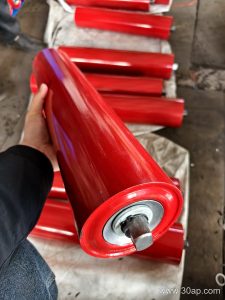
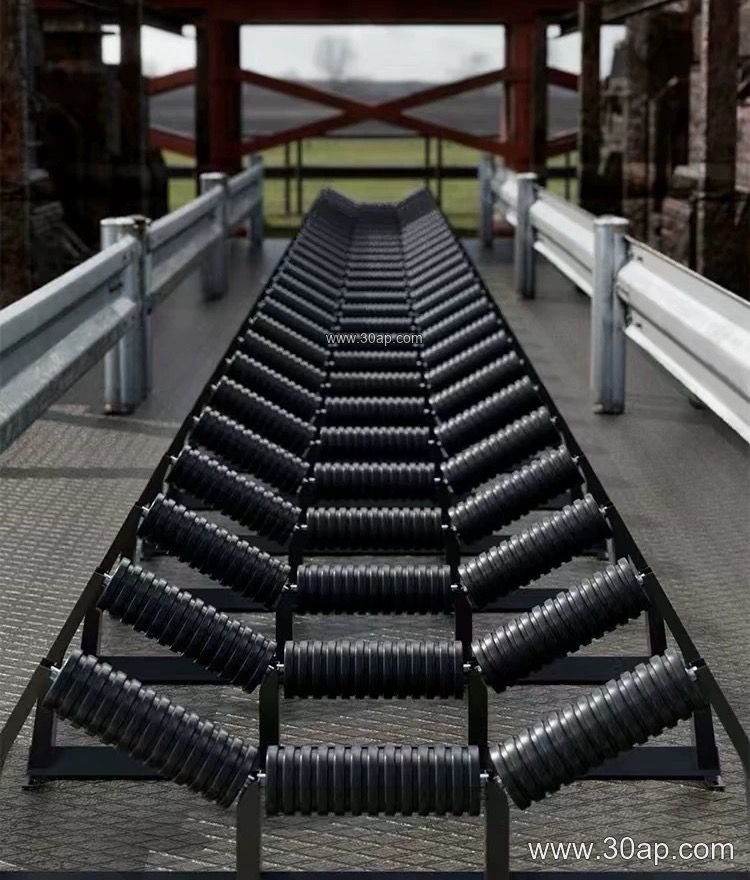
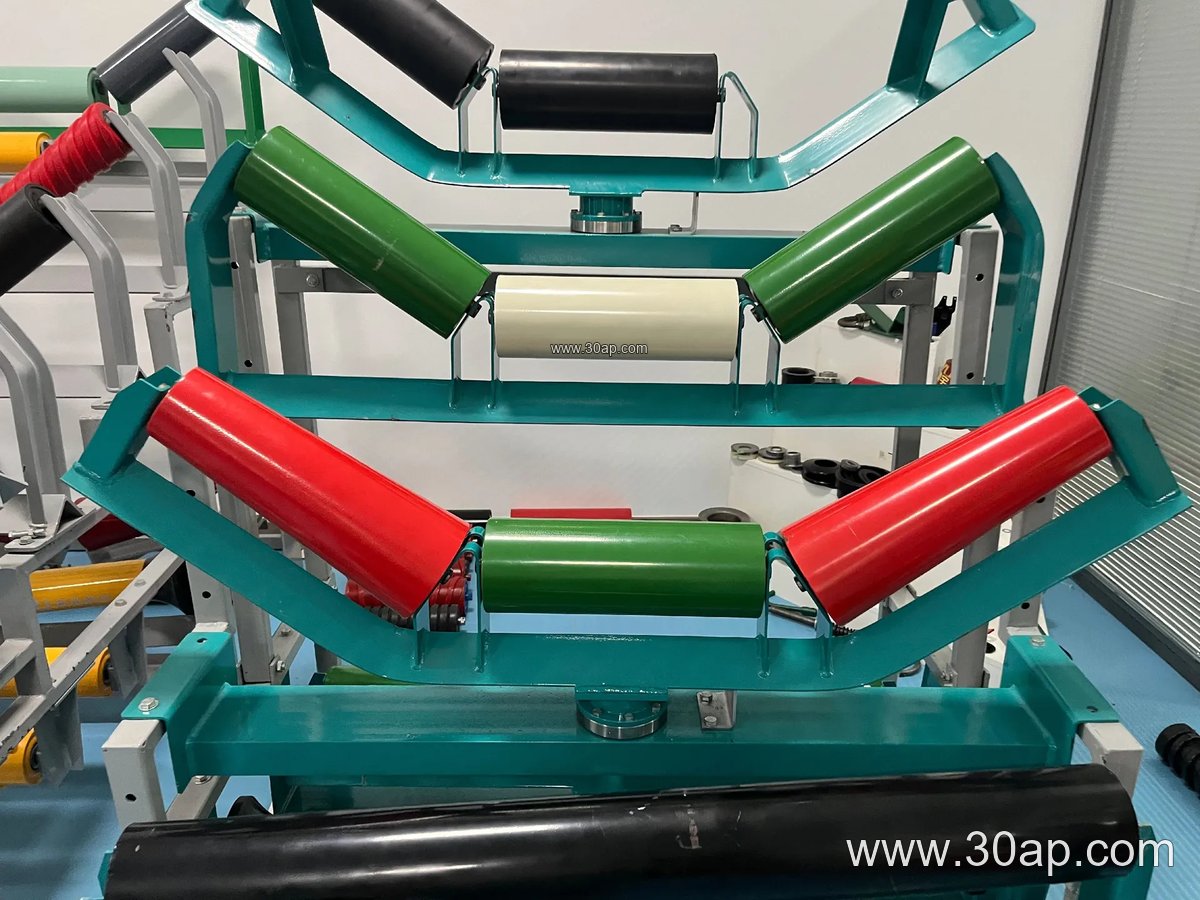
The trough angle determines how well the belt contains material. Common angles include 20°, 30°, 35°, and 45°. A 20° angle suits flat or easily spilled materials, while 35° and 45° are typical for high-capacity haulage of coal, aggregate, or iron ore. Adjustable brackets allow operators to change the angle within a range, which is useful when material characteristics vary. For instance, a B1200 belt handling abrasive rock might use a 45° trough with Ø133 idlers, but the same width could also run at 35° with Ø108 idlers depending on load and belt stiffness. No single angle or roller diameter is mandatory for a given belt width.
Where It Is Used
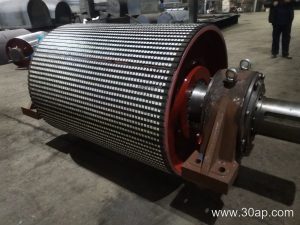
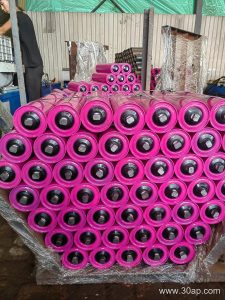
You will find conveyor carrying brackets in primary crushing circuits at limestone mines, in coal preparation plants feeding belt conveyors, and in power plant coal yards. They also appear in aggregate conveyor lines at sand and gravel operations and in cement kiln feed systems. The bracket works alongside the conveyor pulley and idler roller to keep the belt tracking and supported. In dusty or high-impact areas, a cushioning or impact bracket may be used, but the carrying bracket remains the standard support for the normal load zone.
Key Parameters and Sizing
When selecting a carrying bracket, several parameters must be matched to the conveyor design. The table below lists typical reference values; actual dimensions depend on the conveyor manufacturer and application.
| Parameter | Common Options |
|---|---|
| Belt width (B) | B500, B650, B800, B1000, B1200, B1400, B1600, B1800 |
| Trough angle | 20°, 30°, 35°, 45° (adjustable within range) |
| Idler diameter | Ø89, Ø108, Ø133, Ø159, Ø194 |
| Material | Angle steel, channel steel, bent steel plate |
Note that installation hole spacing and beam length vary with belt width and trough angle. A bracket for a B800 belt will not fit a B1600 conveyor without modification. Always confirm mounting dimensions with the idler and frame supplier. For heavy-duty mining conveyor belts carrying copper ore or overburden, a larger idler diameter such as Ø159 may be chosen to handle higher loads, but this is a design decision, not a fixed rule.
Buyer Checklist
- Verify the bracket material matches the duty: angle steel for light to medium, channel or bent plate for heavy-duty mining conveyor belts.
- Confirm the trough angle suits the material’s angle of repose and the belt’s load capacity.
- Check that the idler diameter and shaft size fit the bracket’s mounting slots.
- Consider adjustable brackets if material types change frequently.
- Ensure surface treatment is adequate for the environment—galvanized for wet ports, painted for dry cement plants.
- Ask for dimensional drawings to confirm hole spacing and overall height.
A well-chosen conveyor carrying bracket reduces belt wear, prevents material spillage, and keeps the conveyor pulley and idler roller running smoothly. Whether you are upgrading a quarry conveyor belt line or specifying brackets for a new coal mining conveyor belt system, matching the bracket to the belt width, trough angle, and idler size is the key to reliable operation.