What an Aggregate Conveyor Idler Does
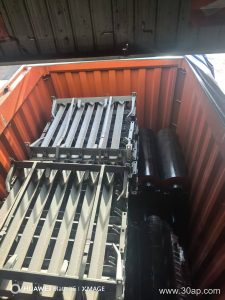
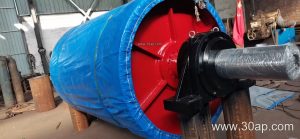
An aggregate conveyor idler is the rotating roller assembly that supports the conveyor belt along its carrying and return runs. In a sand and gravel plant, the idler must handle abrasive rock, variable load, and often dusty or wet conditions. Unlike a drive pulley or a tail pulley, which transmit power and set belt tension, the idler roller simply carries the belt and material. The idler works together with the conveyor bracket and the conveyor belt to keep the load moving smoothly.
Aggregate duty is tough on components. Sharp stone, grit, and fines can work into seals and shorten bearing life. That is why the idler design, roller surface, and bearing protection matter as much as the roller diameter. A well-chosen idler keeps the belt tracking and reduces downtime in crushing and screening circuits.
Construction and Common Types
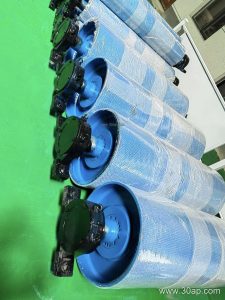
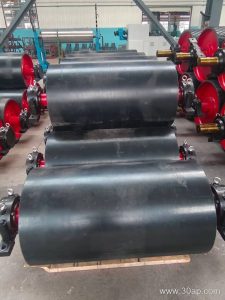
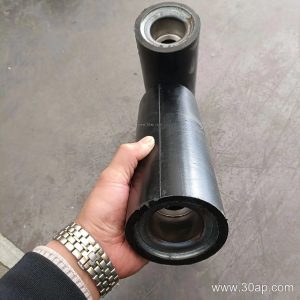
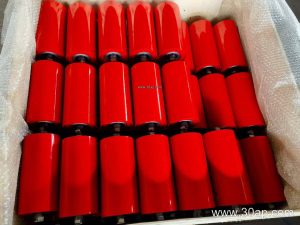
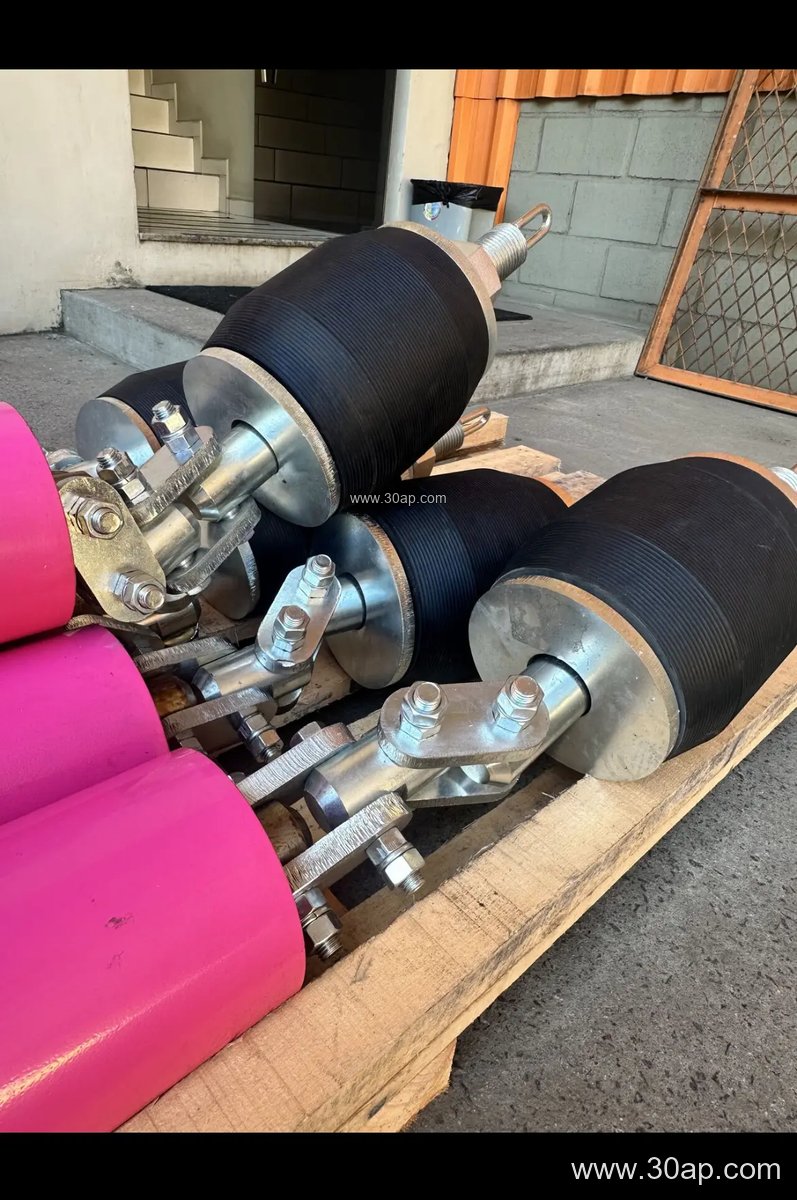
Most aggregate conveyor idlers use a steel tube shell with pressed end caps and a through shaft. The shaft sits in bearings, commonly 6204, 6205, 6305, 6306, 6308, or 6310, though the exact bearing is selected by the idler manufacturer for the load and speed. Roller surfaces include plain steel, nylon, ceramic, and rubber rings. Rubber-ring impact idlers are often used at transfer points below a crusher, while plain steel or nylon rolls suit general carrying positions.
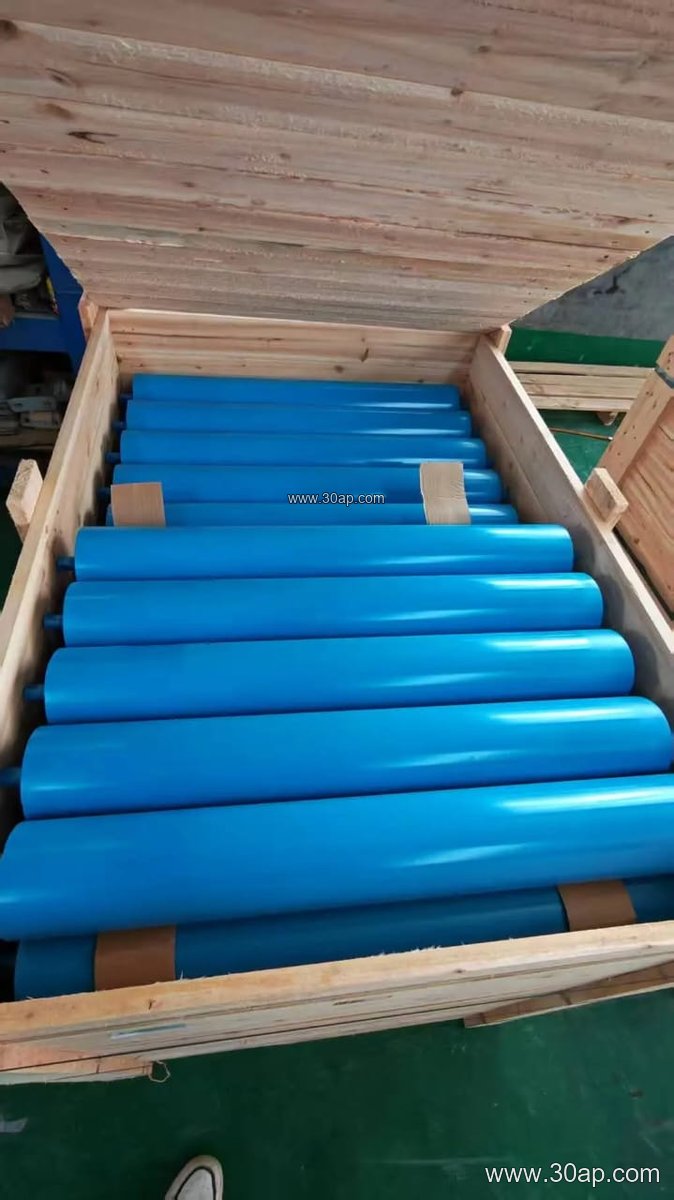
Typical idler arrangements include single-roll, two-roll, and three-roll troughing sets. Trough angles of 20, 30, 35, and 45 degrees are common; a 35-degree three-roll set is widely used in aggregate conveying. For the return side, flat return idlers and V-return idlers are common. Self-aligning idlers, including friction and conical types, help correct belt wander on long runs.
| Idler Type | Typical Position | Common Roll Diameter | Note |
|---|---|---|---|
| Troughing idler (3-roll) | Carrying side | Ø89, Ø102, Ø108, Ø127, Ø133 | 20–45 degree trough angles |
| Impact idler (rubber ring) | Load zone | Ø108, Ø127, Ø133, Ø159 | Absorbs lump impact |
| Flat return idler | Return side | Ø89, Ø102, Ø108, Ø127 | Supports empty belt |
| V-return idler | Return side | Ø89, Ø102, Ø108, Ø127 | Helps center the belt |
| Self-aligning idler | Carrying or return | Ø89, Ø108, Ø127, Ø133 | Friction or conical design |
Roll length changes with belt width, trough angle, and idler arrangement. For example, a three-roll troughing set might use a center roll of about 200 mm on a B500 belt, 315 mm on B800, 465 mm on B1200, and 600 mm on B1600. These are common examples, not fixed rules; side rolls and center rolls can differ. Belt width and pulley diameter are selected independently, so one belt width does not dictate one pulley size.
Where Aggregate Idlers Are Used
Aggregate conveyor idlers appear throughout quarry and sand and gravel operations: under crusher discharge, along screening feed belts, on stockpile conveyors, and in wash plant circuits. In a limestone quarry, a heavy-duty mining conveyor belt may run over impact idlers at the primary crusher and troughing idlers on the main incline. In a concrete mixing plant, smaller idlers handle cement and aggregate blends. The same idler family also serves cement plants, power plant coal handling, and port bulk terminals, but the aggregate duty emphasizes abrasion and impact resistance.
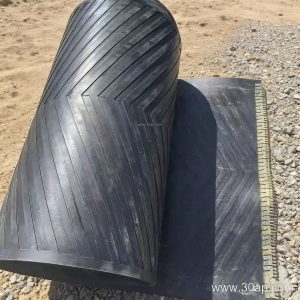
Matching the idler to the belt is important. An abrasion resistant conveyor belt or a heavy-duty conveyor belt can carry more load, but the idler still needs proper spacing and alignment. A misaligned idler can damage even a high-quality EP conveyor belt or steel cord conveyor belt. In dusty aggregate plants, sealed bearings and good housekeeping extend idler life.
Buyer Checklist
- Confirm belt width (B400 to B2400 are common) and trough angle before choosing roll length.
- Select roll diameter based on load, belt speed, and available space; Ø89 to Ø159 covers many aggregate duties.
- Specify impact idlers at transfer points and self-aligning idlers on long or curved runs.
- Check bearing size and seal type for dust and water exposure.
- Verify that the conveyor bracket and idler frame match the existing structure.
- Ask for the idler’s load rating and recommended spacing rather than assuming a universal specification.
Regular inspection of idler rotation, shell wear, and belt tracking prevents small issues from becoming belt damage. In aggregate service, a few spare idlers and brackets on site often save a full shift of downtime.