What a High-Capacity Idler Is
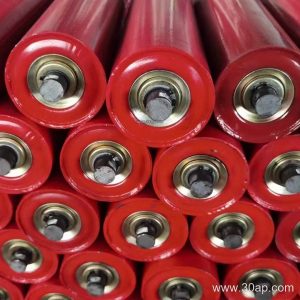
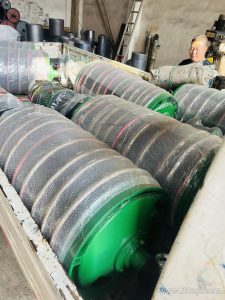
A high-capacity idler is a heavy-duty idler roller engineered to carry high belt tensions and bulk material loads without premature wear. In a conveyor system, it supports the conveyor belt on the carrying and return sides, keeping the belt aligned and reducing friction. Unlike standard idlers, a high-capacity idler typically uses thicker shells, larger bearings, and reinforced seals to handle continuous operation in mines, coal preparation plants, cement works, power station coal yards, and aggregate quarries.
When specifying a high-capacity idler, buyers often look at the idler roller diameter, belt width, and trough angle together. The idler must match the conveyor bracket and the belt speed, and it should be selected with the actual load profile in mind rather than copied from a neighboring line.
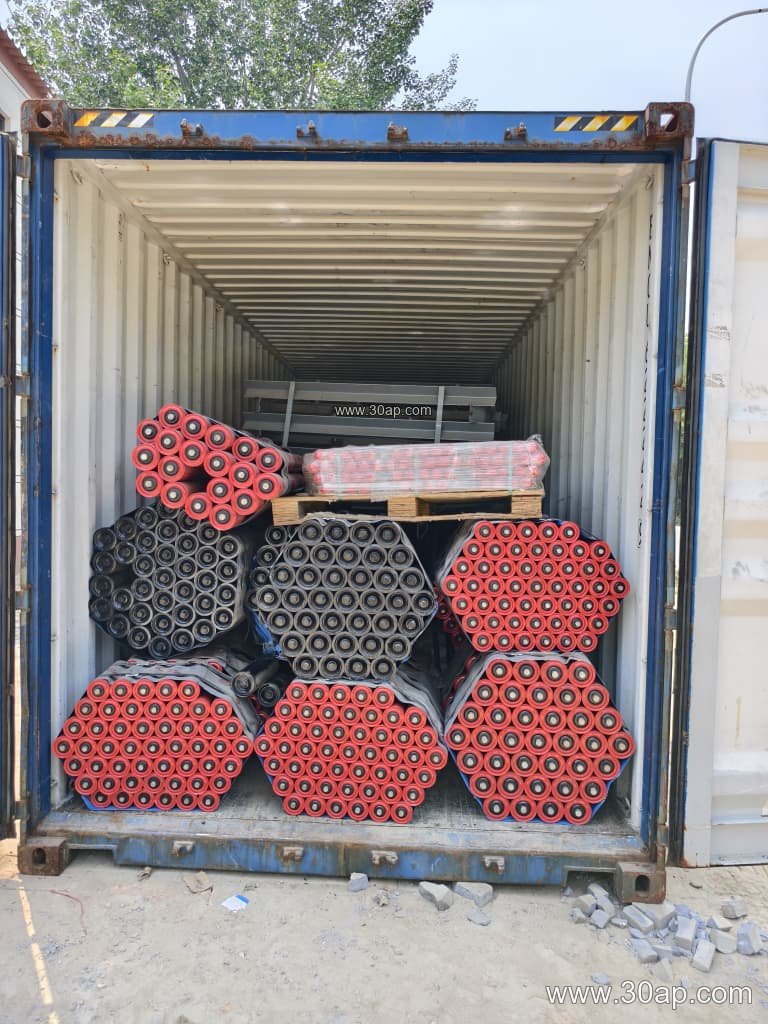
Construction and Key Components
A high-capacity idler usually starts with a steel tube shell, though nylon, ceramic, or rubber-ring surfaces are available for specific conditions. The bearing housing is sealed to keep out dust and water, which matters in coal mining, limestone quarries, and iron ore operations. Common bearing sizes include 6205, 6305, 6306, and 6308, but the bearing is chosen according to the idler diameter and load, not by belt width alone.
The roller length depends on belt width, trough angle, and whether the idler set is single-roll, two-roll, or three-roll troughing. For example, a three-roll troughing set on a B800 belt commonly uses a roll length around 315 mm, while a B1200 set may use about 465 mm. These are reference examples, not fixed pairings, and side rolls can differ from the center roll.
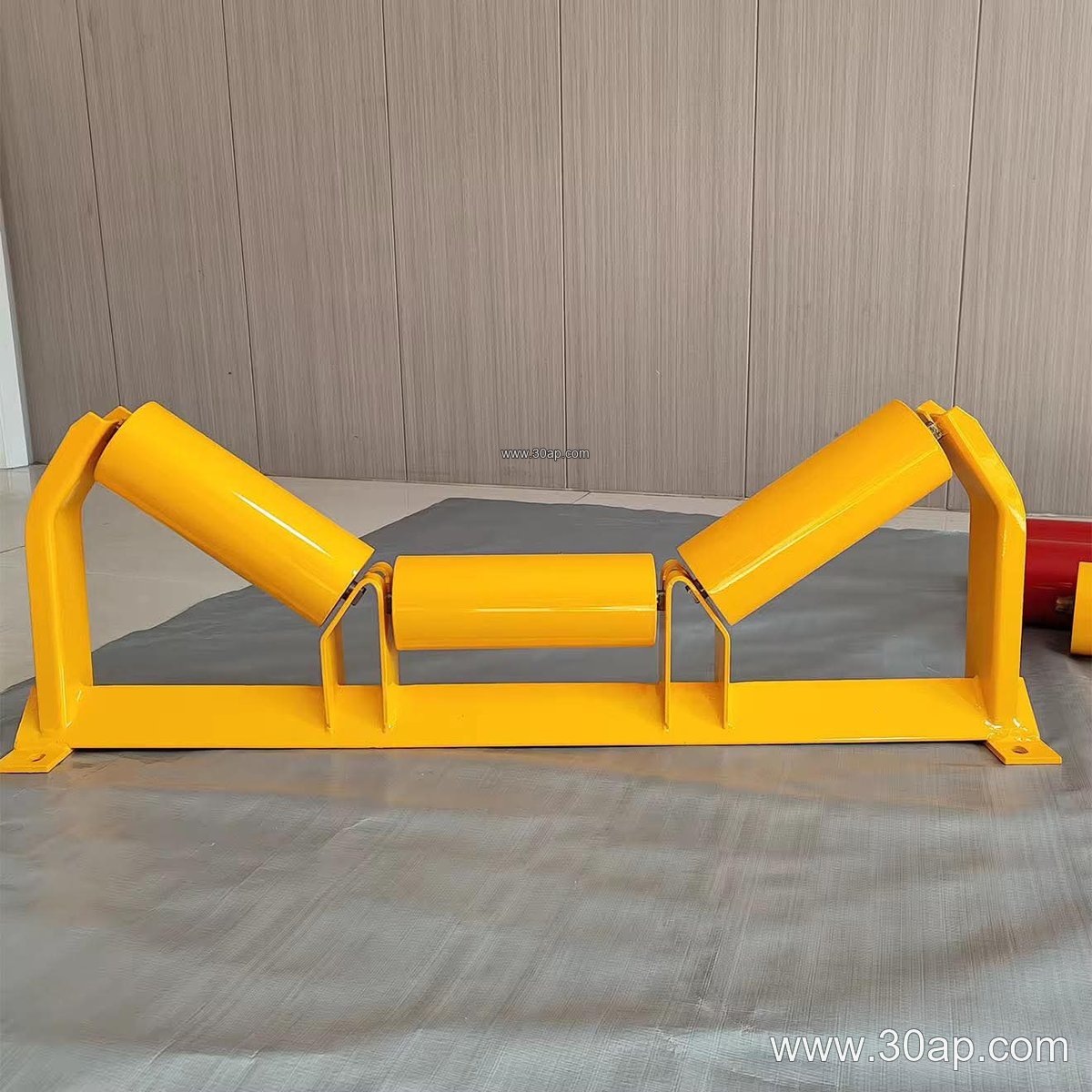
Where High-Capacity Idlers Are Used
These idlers suit heavy-duty mining conveyor belts and abrasive bulk material conveyor belts in primary crushing, screening, and stockyard lines. In a copper ore or gold mining conveyor, a high-capacity idler helps maintain belt support under impact and variable loading. In cement plants, they are often found on clinker and limestone conveyors where heat and dust are present. Power plants use them on coal conveyors, while port and ship loading systems rely on them for continuous high-tonnage operation.
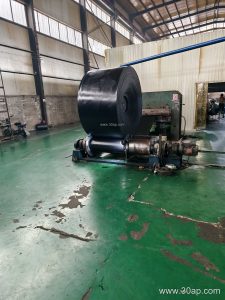
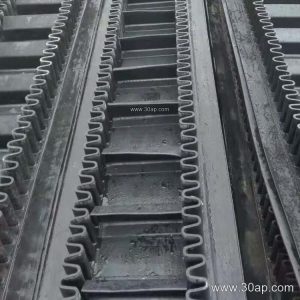
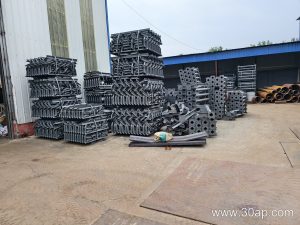
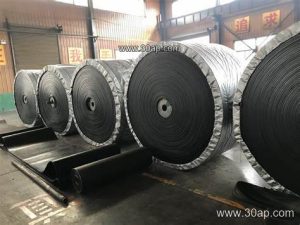
The idler works together with the conveyor pulley, conveyor bracket, and the belt itself. A well-matched high-capacity idler reduces belt edge damage and extends the service life of the entire conveyor.
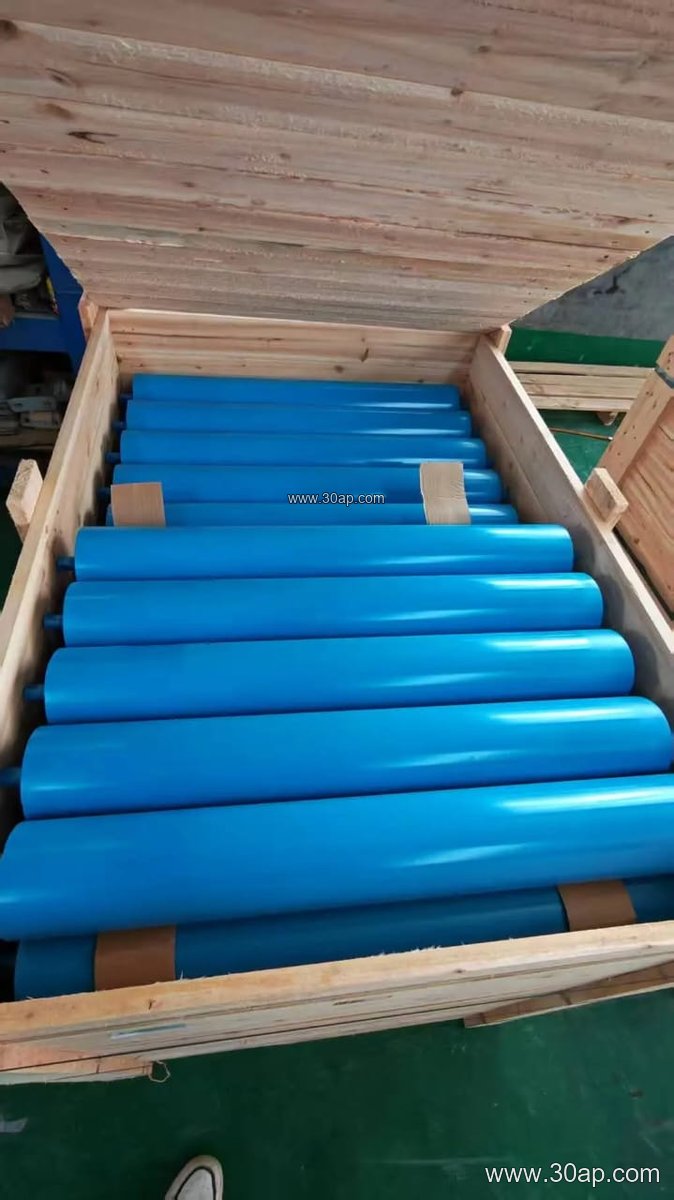
Common Configurations and Reference Dimensions
High-capacity idlers are available in troughing, return, impact, and self-aligning designs. The table below gives common reference values; actual selection should follow the conveyor design.
| Parameter | Common Reference Range |
|---|---|
| Idler diameter | Ø89, Ø102, Ø108, Ø127, Ø133, Ø159, Ø178, Ø194, Ø219 |
| Belt width | B500, B650, B800, B1000, B1200, B1400, B1600, B1800, B2000 |
| Trough angle | 20°, 30°, 35°, 45° |
| Roll surface | Steel tube, nylon, ceramic, rubber ring |
| Bearing examples | 6204, 6205, 6305, 6306, 6308, 6310 |
For a high-capacity idler on a 1200mm wide conveyor belt or an 1800mm wide conveyor belt, the roll length and bearing size are determined by the load calculation. Do not assume that one belt width matches only one pulley diameter or one shaft diameter.
Buyer Checklist
- Confirm the actual belt width, trough angle, and idler set type before ordering.
- Match the idler diameter to the conveyor bracket and the belt speed.
- Check the sealing arrangement for dust, water, and fines in the specific industry.
- Review the bearing size and shell thickness against the expected load, not just the belt width.
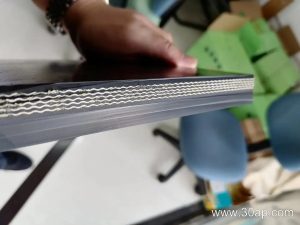
- Consider the belt type, such as an abrasion resistant conveyor belt or a flame retardant conveyor belt, when selecting the roll surface.
For more information on idler rollers and conveyor components, visit www.example.com/high-capacity-idler or www.example.com/conveyor-idler.