Understanding the Large Belt Conveyor Idler
A large belt conveyor idler is a heavy-duty roller assembly that supports the conveyor belt and its load along the carrying and return sides of a bulk handling system. In wide, high-capacity installations—such as those found in iron ore mines, coal preparation plants, or cement quarries—these idlers must handle substantial belt tensions, abrasive materials, and continuous operation. While often overlooked, the idler roller directly influences belt life, energy consumption, and system reliability.
Construction and Key Components
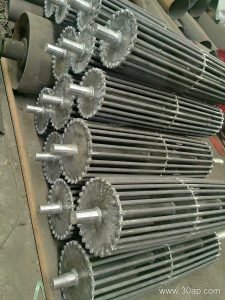
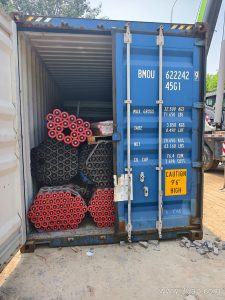
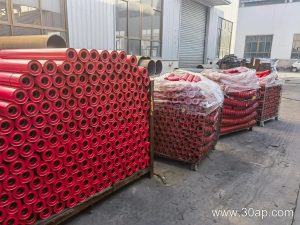
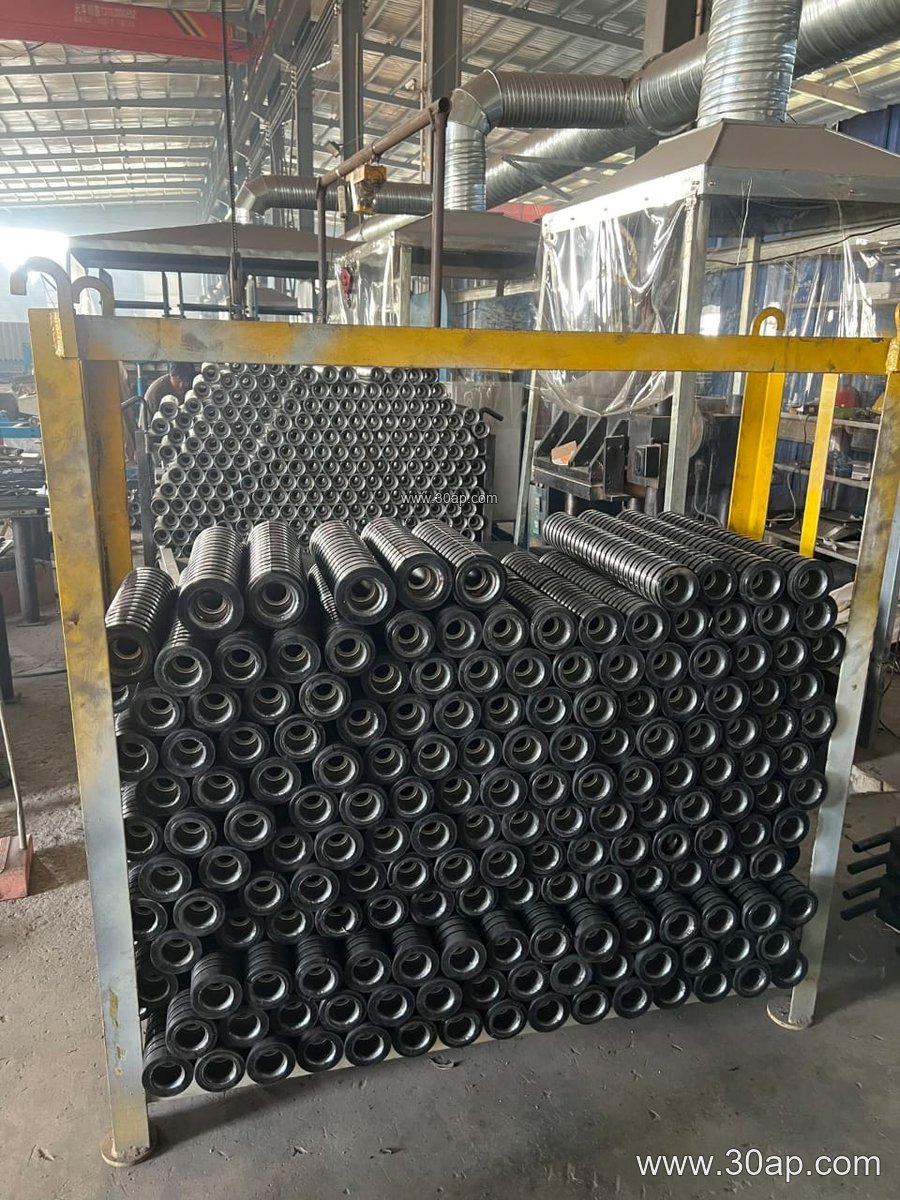
The typical large idler consists of a steel tube shell, bearing housings, a shaft, and sealing arrangement. Roller diameters for large systems commonly range from Ø127 mm up to Ø219 mm, with shell materials including steel, nylon, or rubber lagging. Bearings such as 6205, 6305, or 6308 are frequently used, but the exact match depends on load and speed—never assume one bearing size fits a given roller diameter. Sealing is critical in dusty environments; labyrinth seals or contact seals help keep fines out and grease in, extending service life.
Common idler types for large belts include:
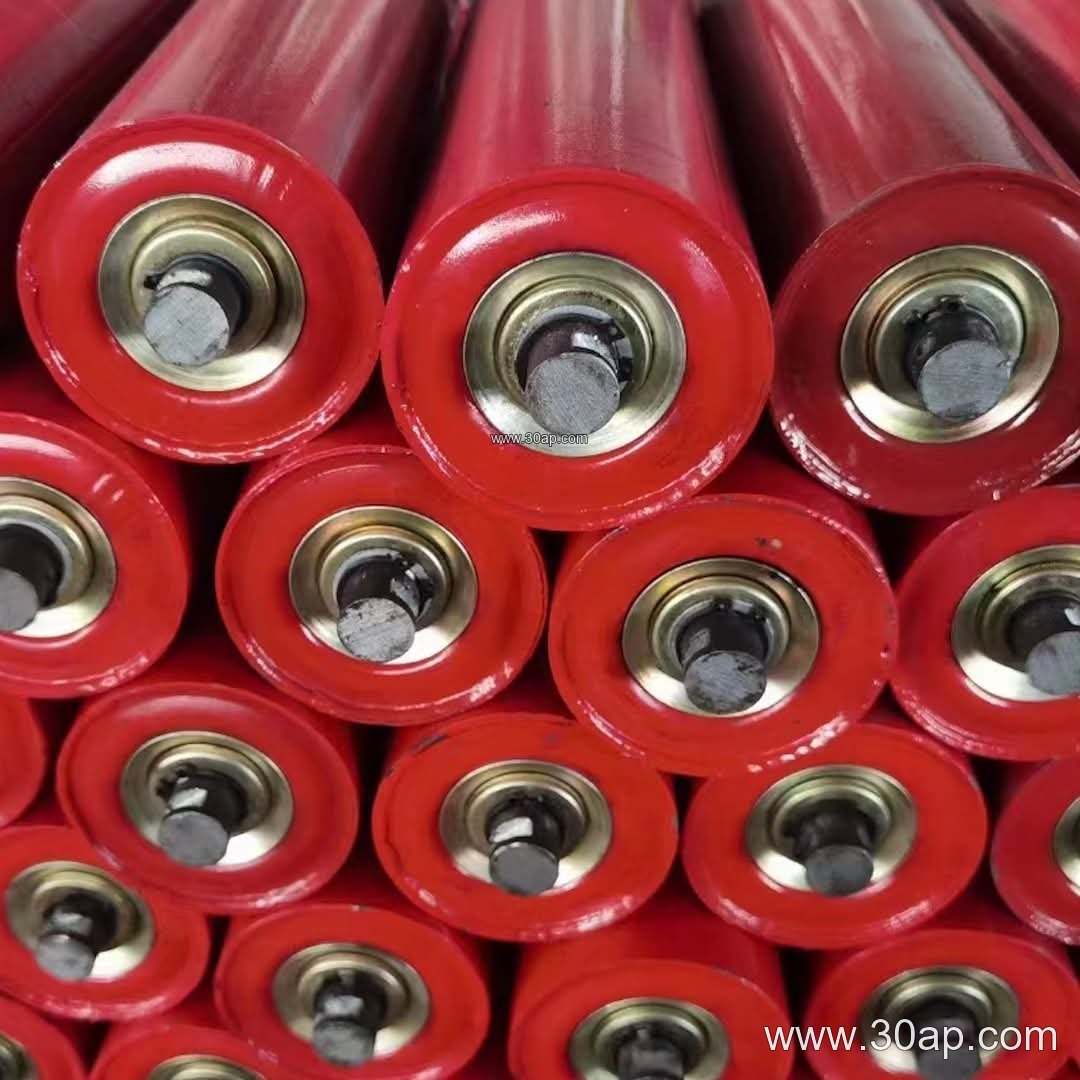
- Troughing idlers (three-roll, 20° to 45° trough angles) for carrying material
- Impact idlers with rubber rings for loading zones
- Return idlers, including flat and V-type, for supporting the empty belt
- Self-aligning idlers to correct belt tracking
For a given belt width, roll length varies. For example, a three-roll troughing set on a B1200 belt often uses rolls around 465 mm long, while B1800 may use approximately 670 mm. These are typical references, not fixed rules—side rolls and center rolls can differ, and design requirements always govern.
Where Large Idlers Are Used
These heavy-duty components are essential in mining and quarrying operations where high tonnage and long conveyors are the norm. In a copper ore beneficiation plant, troughing idlers support a heavy-duty mining conveyor belt carrying crushed ore. In a coal-fired power plant, flame retardant conveyor belts run over idlers that must resist both abrasion and occasional heat. Aggregate operations rely on idlers to keep crusher conveyor belts aligned through every transfer point. The same idler technology appears in port ship-loading systems, steel plant sinter lines, and tunnel spoil removal, though the specific selection changes with the duty.
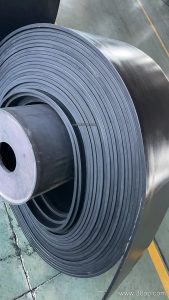
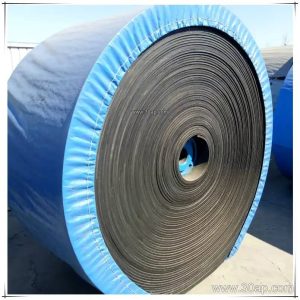
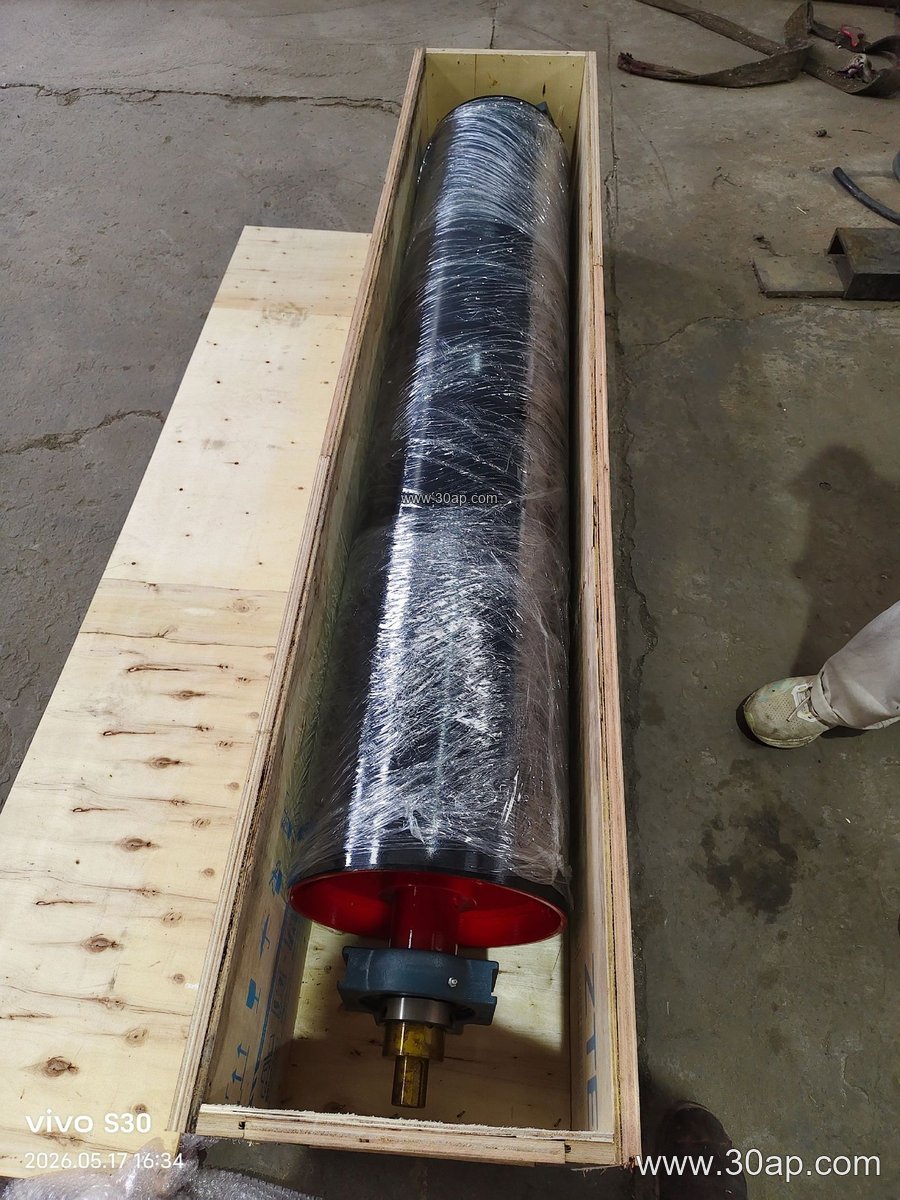
For wider belts—B1600, B1800, or B2000—large idlers with reinforced shafts and thicker shells are common to handle the increased belt weight and material load. The belt itself may be an EP conveyor belt, steel cord conveyor belt, or multi-ply fabric core conveyor belt, each imposing different demands on roller spacing and impact resistance.
Selection Considerations for Buyers
When specifying a large belt conveyor idler, buyers should consider several factors:
- Belt width and trough angle: Match idler roll length and frame to the belt width (e.g., B1000, B1400, B1800) and required trough angle (20°, 30°, 35°, or 45°).
- Load and speed: Calculate the load per idler using belt speed, material weight, and spacing. Higher loads may require larger shaft diameters or heavier bearings.
- Environment: In dusty or wet conditions, choose sealed-for-life idlers; in high-temperature zones, consider heat-resistant lubricants and seals. For corrosive atmospheres, nylon or ceramic rollers may be beneficial.
- Belt tracking: Self-aligning idlers with forward tilt (about 1.5° to 2°) help maintain belt centering, but they must be installed correctly and not used as a substitute for proper pulley alignment.
- Impact zones: Use rubber-ring impact idlers under loading points to absorb shock and protect the belt, especially when handling large lumps.
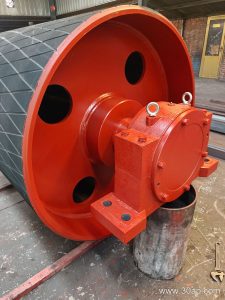
Remember that drive pulleys, tail pulleys, and bend pulleys serve different functions and cannot be replaced by idlers. A complete conveyor system requires correctly matched conveyor pulleys, brackets, and idlers working together.
Maintenance and Longevity
Regular inspection of idler rotation, seal condition, and roller wear prevents belt damage and reduces downtime. In harsh applications—such as a gold mining conveyor or a quarry conveyor—idler life can be extended by choosing abrasion-resistant roller surfaces and maintaining proper belt tension. Lubrication intervals should follow manufacturer guidance; many modern idlers are sealed for life and require no greasing. Keeping the belt clean and aligned reduces uneven roller wear.
Whether you are upgrading an existing system or designing a new one, selecting the appropriate large idler for your belt width, load, and environment is a decision that pays off in reliable conveying. Consult application engineers to match idler specifications to your conveyor belt type—EP, steel cord, or fabric—and operating conditions.