What a Coal Mine Belt Conveyor Pulley Does
A coal mine belt conveyor pulley is the rotating drum that carries, drives, or redirects the conveyor belt in a coal handling system. On a typical face conveyor or a main haulage line, several of these drums work together: a drive pulley at the head, a tail pulley at the load end, and bend or snub pulleys that guide the belt around curves and tensioning stations. Each position asks something different from the drum, so the surface, shell, and shaft design should follow the duty rather than a single catalog row.
In a coal preparation plant, the same drum may run in a dusty, slightly damp environment where fine coal and water combine into a sticky film. Underground, flame retardant conveyor belt and anti-static conveyor belt requirements usually mean the pulley and its lagging should support a fire-resistant belt system, while the lagging itself must grip without slipping. This is why buyers often treat the drum as part of the belt circuit, not as a standalone spare.
How the Drum Is Built
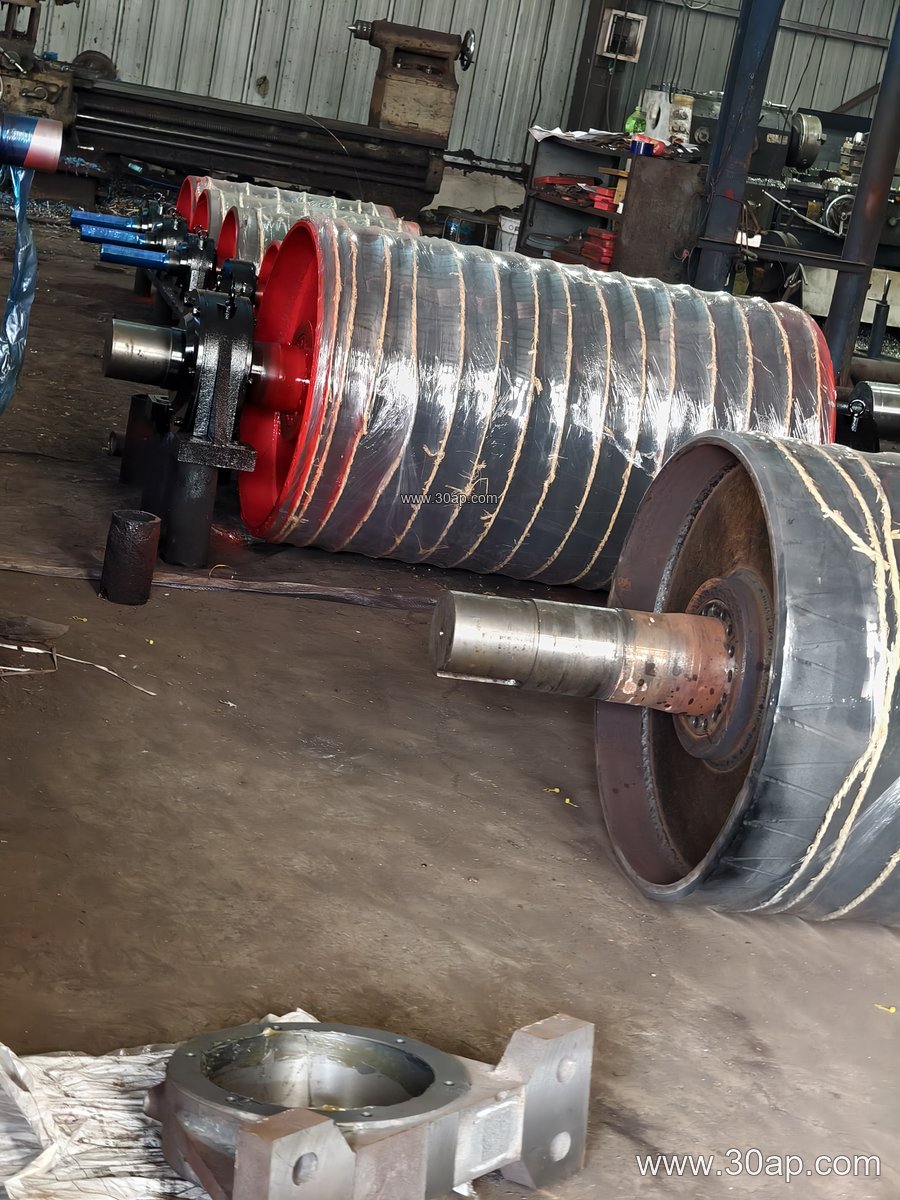
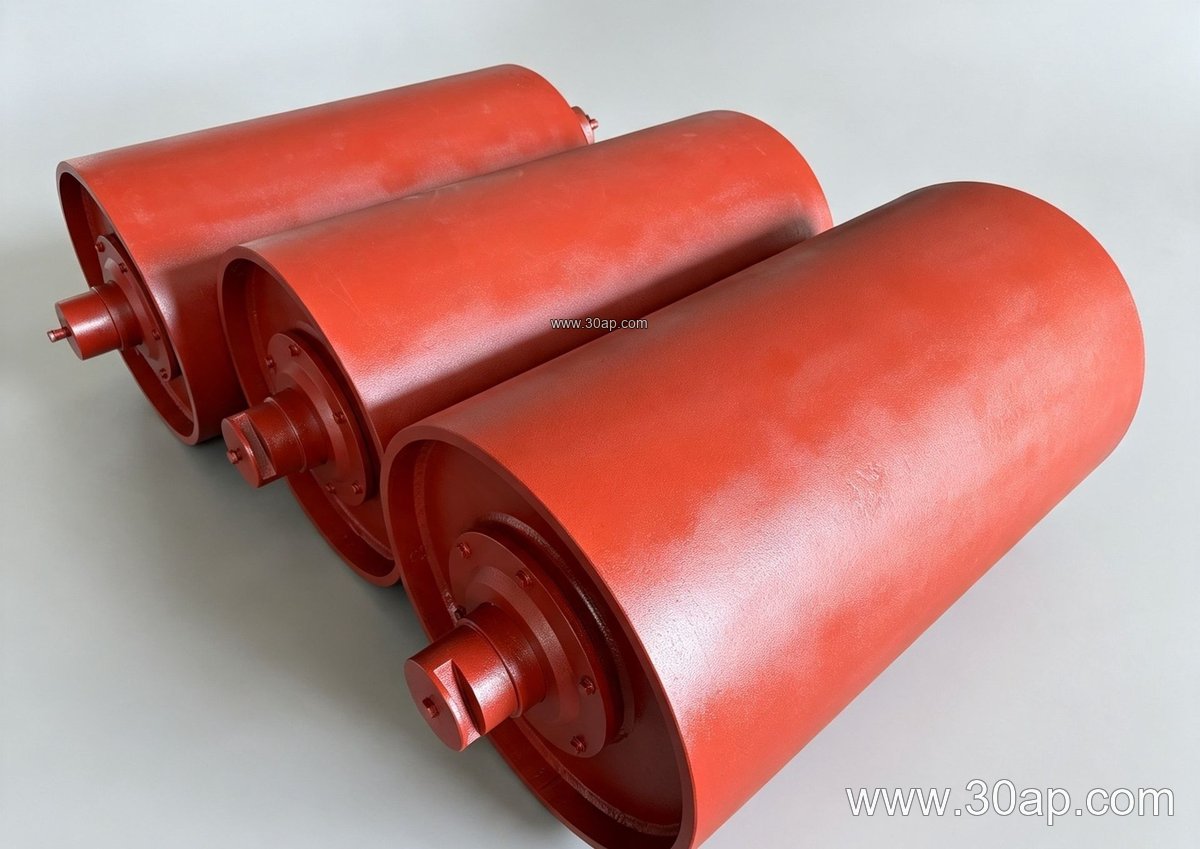
Most units use a welded steel shell with a machined face, end discs, and a through shaft or stub shafts. The shell diameter and face width are matched to the belt width, and the shaft diameter is set by torque, radial load, and bearing life. A common example is a B1200 belt running on a Ø1000 drive pulley, or a B800 line using a Ø500 tail drum; these are typical references, not fixed rules, and a wider belt does not automatically require one specific diameter.
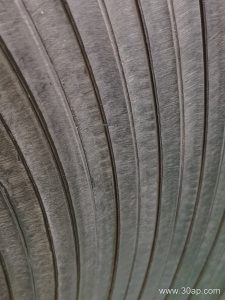
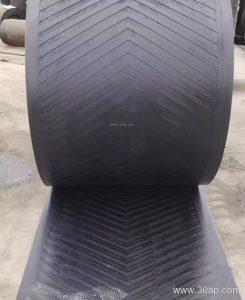
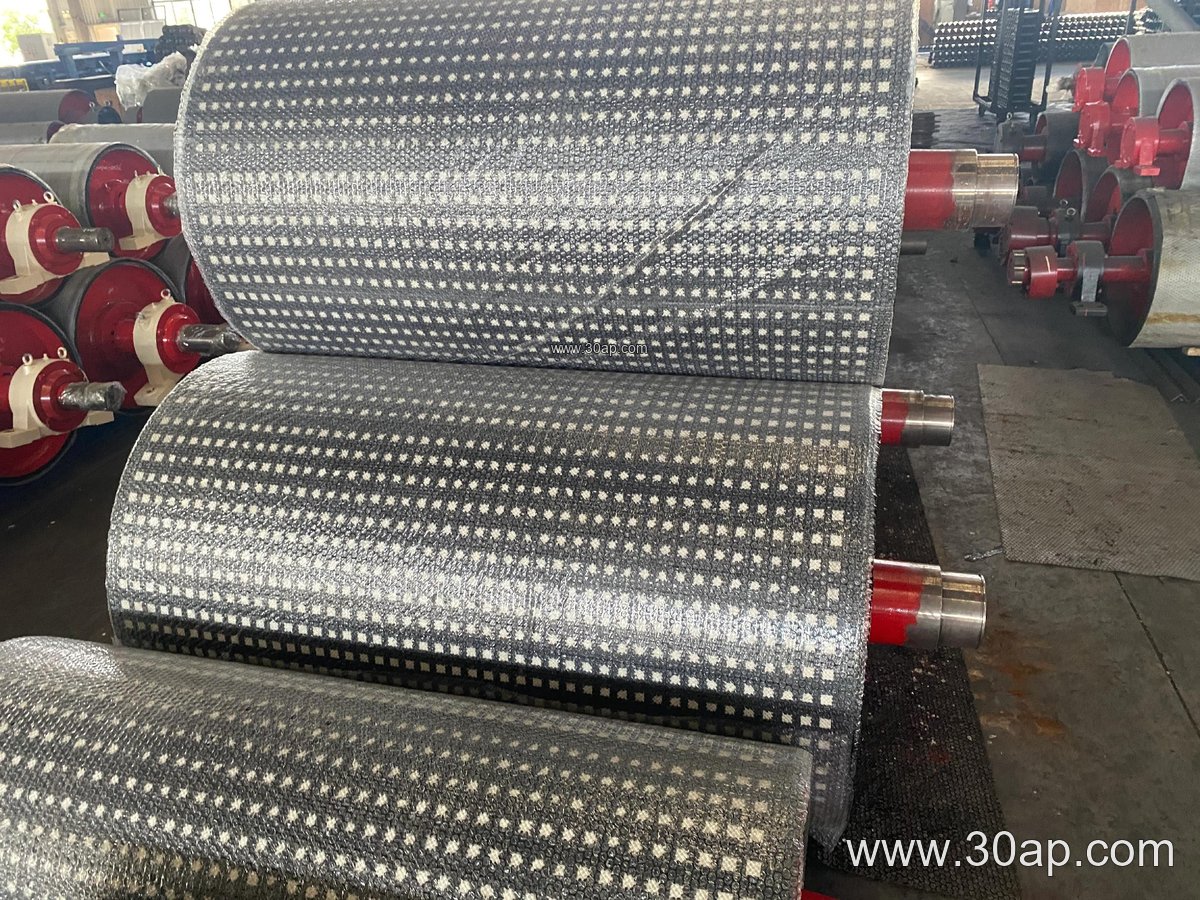
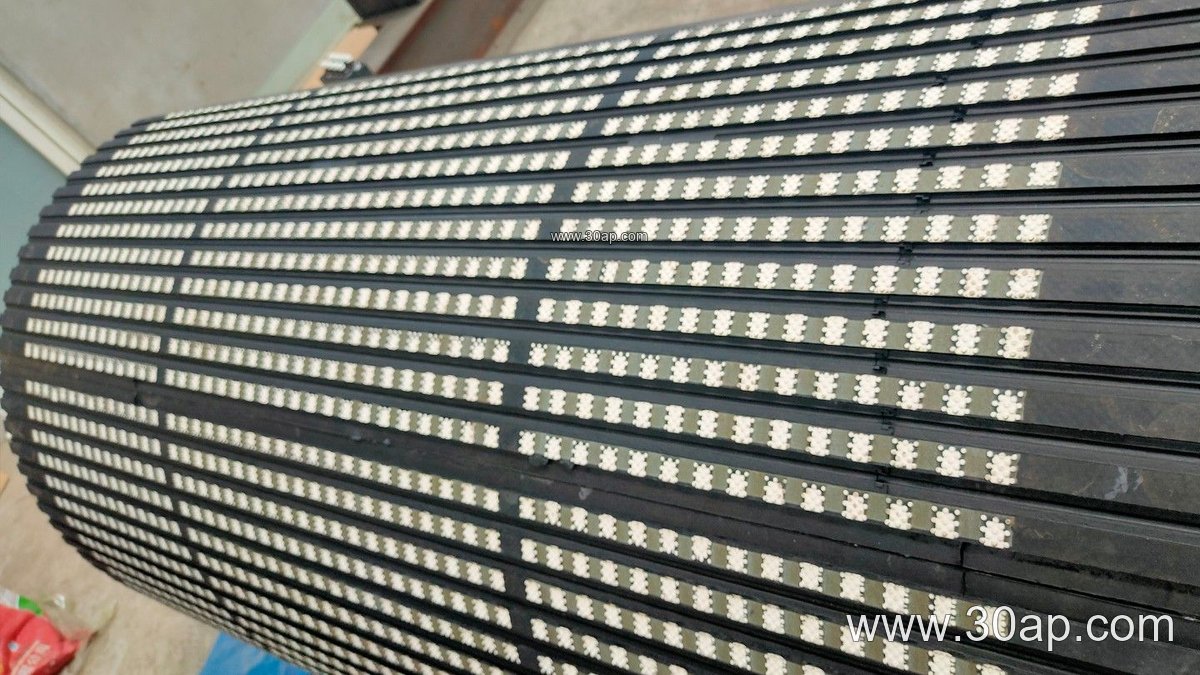
Surface treatment is where much of the performance is decided. Plain or light-faced drums suit clean, low-tension return positions. Rubber lagging, applied cold or hot, improves grip on the drive side. Diamond and herringbone patterns help shed water and fine coal. Ceramic lagging is chosen where slip and wear are both severe, and lagging thickness commonly runs from 8 mm to 20 mm depending on the duty.
Common Reference Ranges
- Belt widths: B400 to B2400, with B650, B800, B1000, B1200 and B1400 among the most frequent in coal plants.
- Drum diameters: Ø200 to Ø1800, with Ø315, Ø400, Ø500, Ø630 and Ø800 widely used.
- Face width: usually slightly wider than the belt, for example about 1400 mm for B1200 or about 950 mm for B800.
- Shaft diameters: Ø50 to Ø200, confirmed by torque and bearing calculation rather than belt width alone.
Where It Fits in Coal Handling
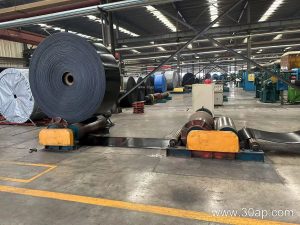
At the head of a coal mining conveyor belt, the drive pulley transmits power through the lagging to the belt. At the tail, the drum supports the return side and helps keep the belt tracking. Bend pulleys change direction at tensioning towers, while snub pulleys increase wrap angle on the main drive. A coal washery may use several of these positions on one line, and a power plant coal yard may run similar drums on a longer, slower circuit.
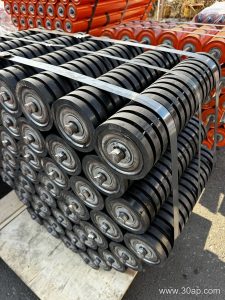
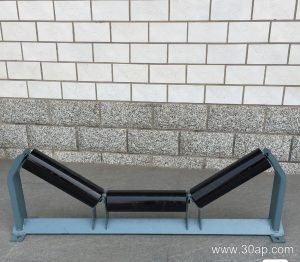
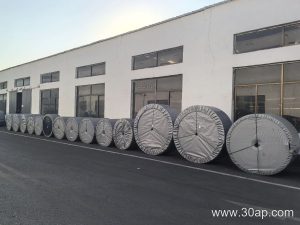
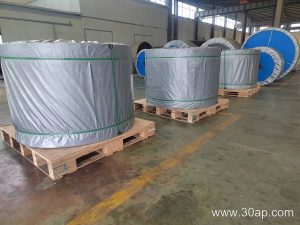
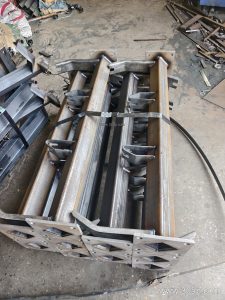
The belt itself matters as much as the drum. A heavy-duty mining conveyor belt or a steel cord conveyor belt carries higher tension and needs a drive drum with adequate lagging and a properly sized shaft. In contrast, a fabric core conveyor belt on a shorter transfer may only need a plain-faced tail drum. Matching the pulley to the belt construction, troughing idler roller spacing, and conveyor bracket layout keeps the whole line stable.
What Buyers Should Check
Start with the position and duty: drive, tail, bend, take-up, or snub. Then confirm belt width, belt type, and expected tension, and ask how the shaft diameter was calculated. Review the lagging material and pattern for the local conditions, especially where wet coal or fines cause slip. Check bearing selection, sealing, and lubrication access, since underground and wash-box environments punish poor sealing. Finally, confirm that face width, keyway, and mounting dimensions fit the existing conveyor bracket and frame. For related components, buyers often review options such as a flame retardant conveyor belt or an abrasion resistant conveyor belt alongside the drum order.
Used as a coordinated part of the conveyor, a well-specified coal mine belt conveyor pulley reduces belt wear, improves tracking, and keeps coal moving from the face to the preparation plant or stockyard.