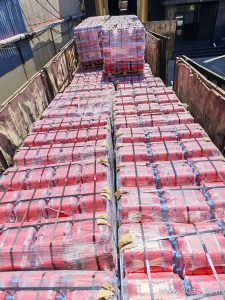
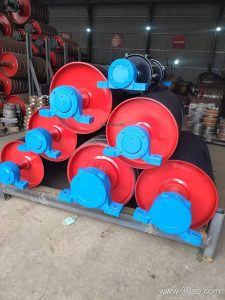
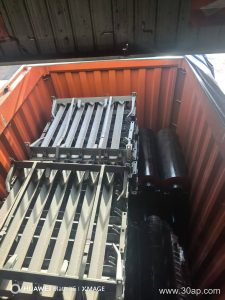
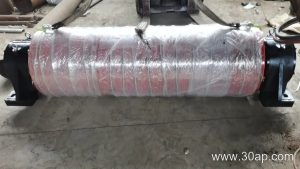
What a 650mm Conveyor Belt Is
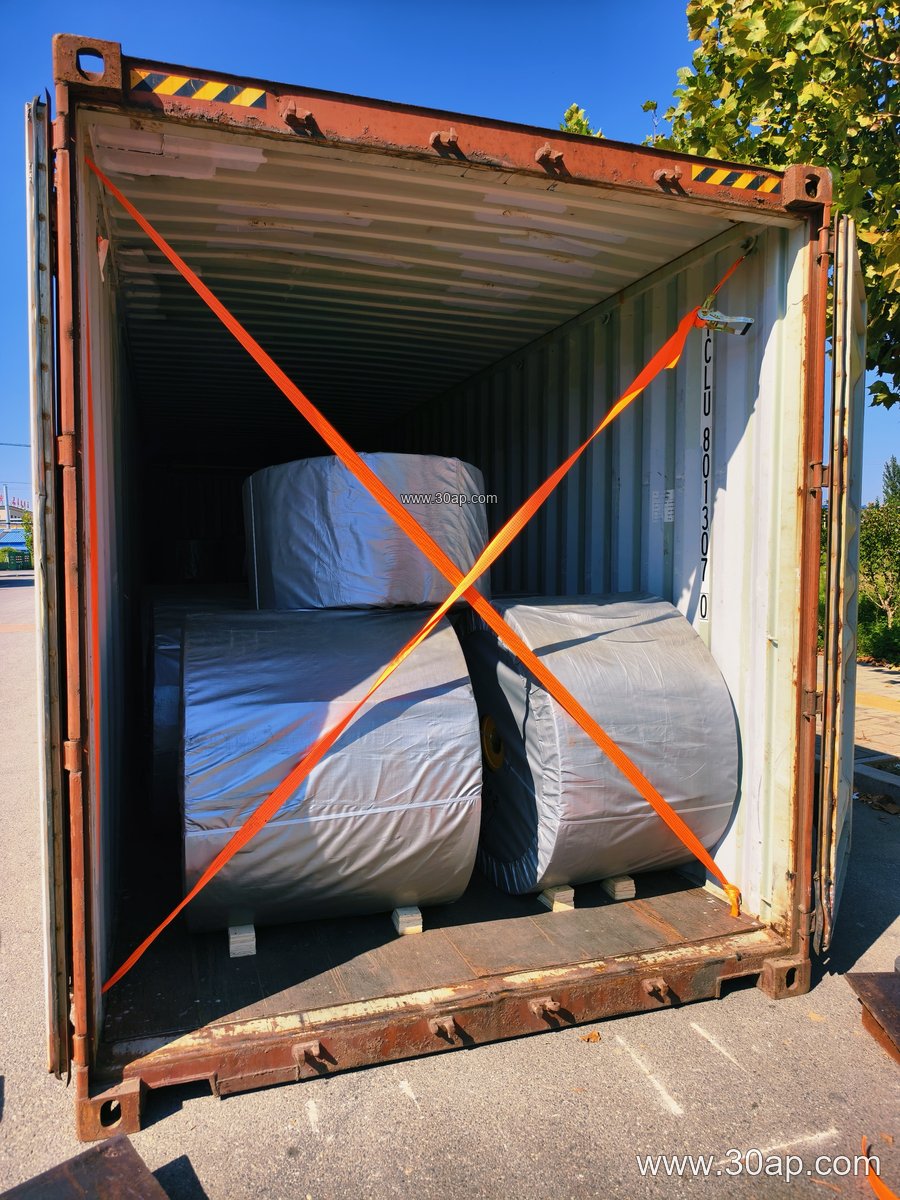
A 650mm conveyor belt is a belt with a nominal width of 650 millimeters, which is the same as the familiar B650 size. It is a mid-narrow belt width used on medium-capacity conveying lines, and it appears in mines, coal preparation plants, cement works, power stations, sand and aggregate yards, and crushing circuits. The belt is only one part of the machine: it runs over a drive pulley, turns at a tail pulley, is supported by idler rollers, and is held in line by conveyor brackets and frames. A 650mm conveyor belt is therefore a system component, not a standalone product.
How the Belt Is Built
Most belts at this width use a fabric core. EP conveyor belt (polyester warp, nylon weft) and NN conveyor belt (nylon warp and weft) are common carcass choices because they balance strength with troughability. A multi-ply fabric core conveyor belt may carry two to six plies depending on the duty. For heavier, longer runs, a steel cord conveyor belt can be specified, though at 650mm the fabric core is the more usual route. Rubber covers sit on both faces, typically quoted as top plus bottom thickness, for example 4+2 mm, 5+2 mm or 6+2 mm.
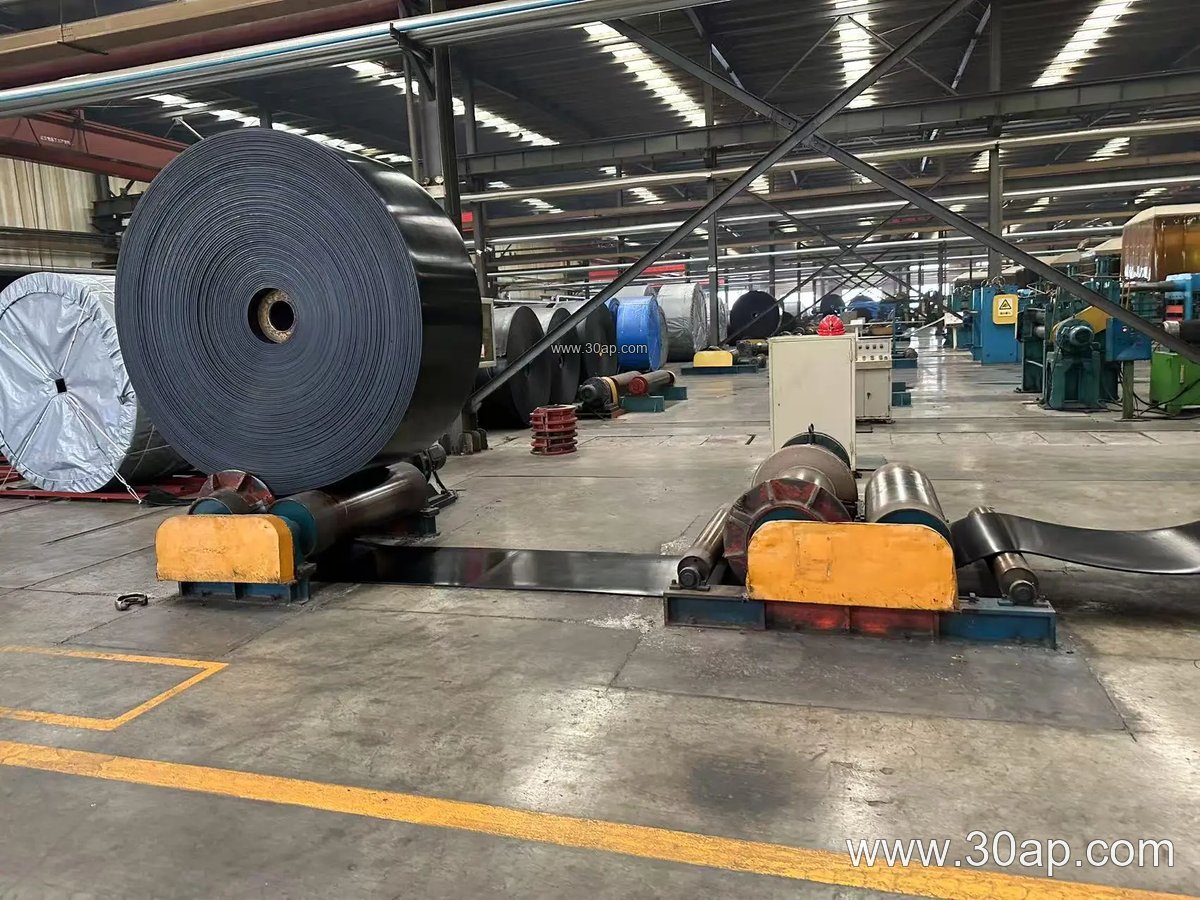
The cover compound is selected for the cargo and the environment. Abrasion resistant conveyor belt grades suit crushed rock and ore; heat resistant conveyor belt grades suit clinker and hot sinter; flame retardant and fire resistant grades are used in coal mining conveyor belt and underground coal mining conveyor belt service; oil resistant and chemical resistant covers handle contaminated loads. Anti-static conveyor belt construction is common where dust ignition is a risk.
Typical Specification Range
The values below are common reference figures, not a fixed catalogue. Actual strength and cover thickness should follow the conveyor design and the supplier’s data sheet.
- Nominal width: 650 mm (B650)
- Carcass types: EP fabric, NN fabric, multi-ply fabric, steel cord
- Common strength grades: EP200, EP315, EP400, EP500, EP630, EP800, EP1000
- Cover thickness examples: 3+1.5 mm, 4+2 mm, 5+2 mm, 6+2 mm
- Ply count: usually 2 to 6 layers
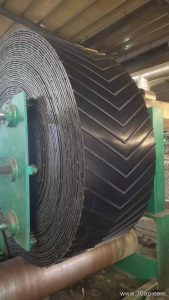
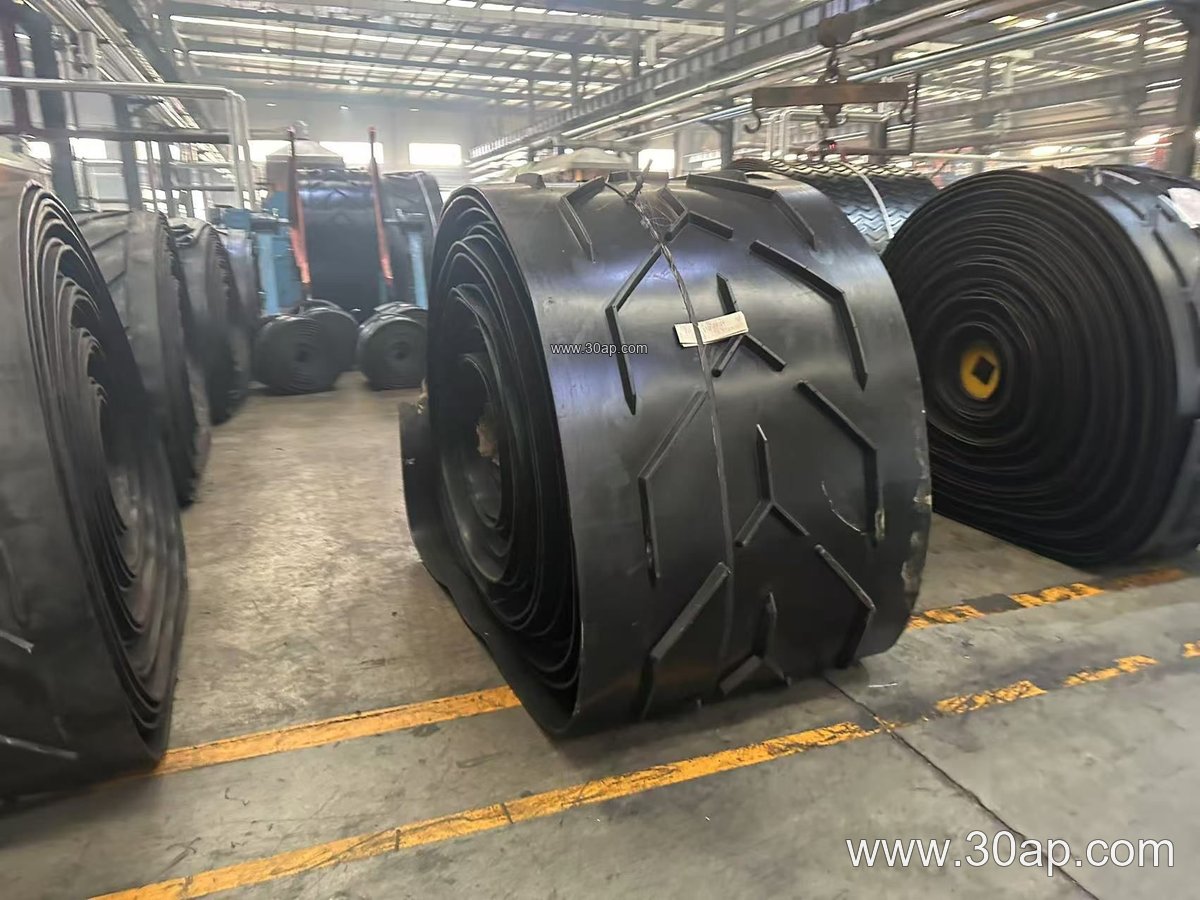
- Surface forms: plain, chevron conveyor belt, skirted conveyor belt, corrugated sidewall conveyor belt
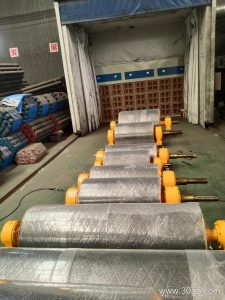
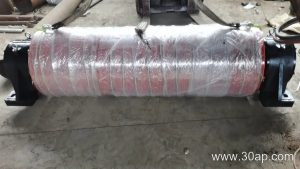
Belt width does not fix pulley diameter. The drive pulley, tail pulley and bend pulleys are sized from belt tension, wrap angle and shaft load, and they are separate components with their own specifications. A wider belt may run on the same pulley size in one plant and a different one in another.
Where the 650mm Width Fits
This width is often chosen for secondary and tertiary crushing lines, screening decks, transfer points, and yard conveyors where tonnage is moderate. In a quarry conveyor belt or aggregate conveyor belt system, B650 is a practical size for moving sized stone between screens. In cement plants it may feed raw meal or clinker across short spans. In a coal mining conveyor belt network it can serve as a gate or branch belt rather than the main trunk line. A 650mm conveyor belt also suits mobile crushing and screening plants and small port or ship loading lines.
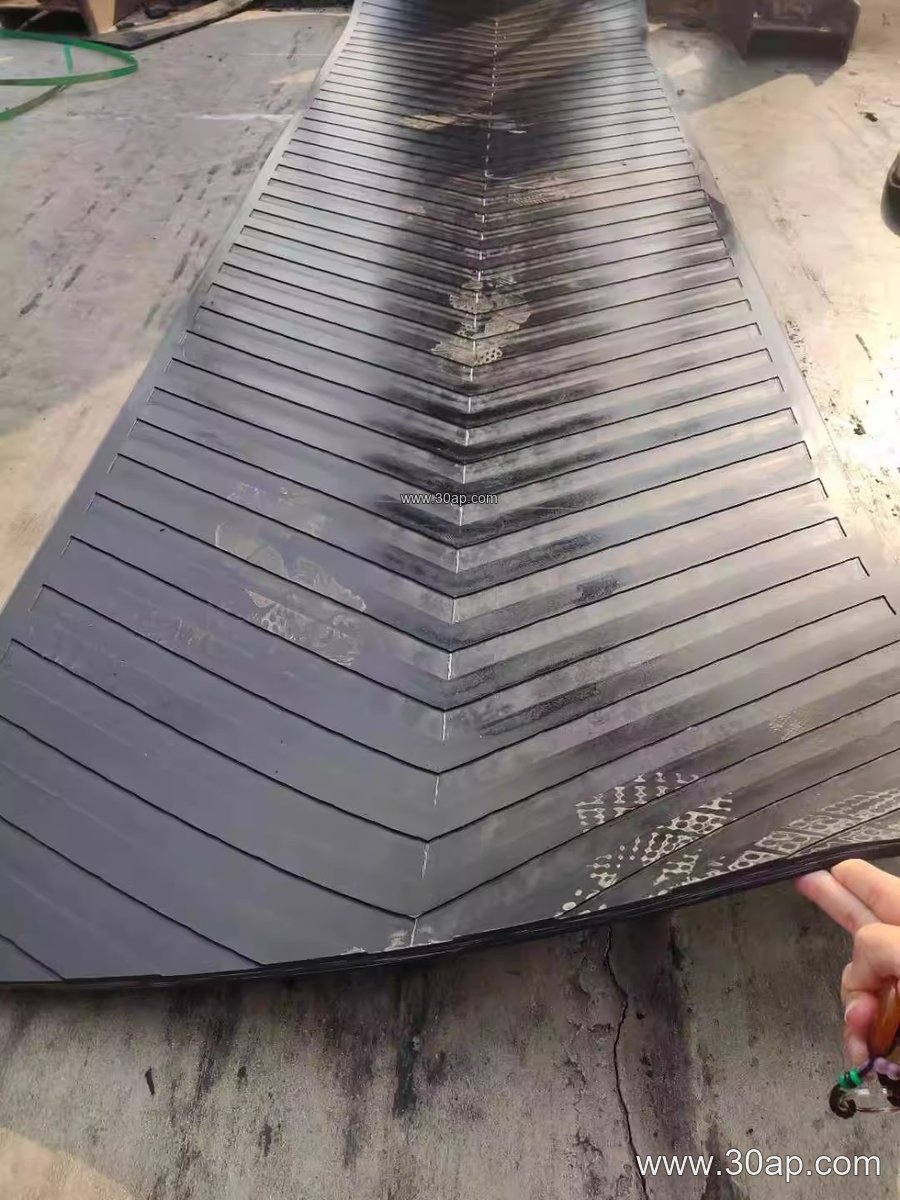
Where the route climbs steeply, a chevron conveyor belt in 650mm width gives extra grip. Where material must be fully enclosed, a pipe conveyor belt is a different construction altogether; it should be considered as a system alternative, not as a variant of the same flat belt.
Buyer Checklist
Before ordering, confirm the cargo type, lump size, belt speed, incline angle, and the number of hours per day. State the ambient and material temperature if heat or cold resistance matters. Ask for the carcass type and ply count, the cover grade, and the cover thickness in top-plus-bottom form. Check whether the belt needs to be an endless conveyor belt made to length on site or supplied in rolls for splicing. Confirm the pulley diameters and the idler roller spacing already installed, so the belt’s flexibility and troughability match the existing hardware.
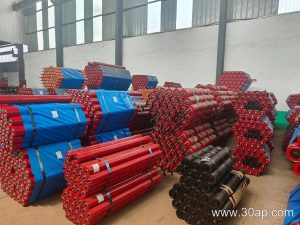
For abrasive ore duties, an abrasion resistant conveyor belt with a thicker top cover usually lasts longer than a thin standard cover. For coal service, confirm the flame retardant class required by the site. Keep spare idler rollers and a spare conveyor pulley inspected on the same schedule as the belt, because a seized roller can damage the edge of a 650mm belt quickly.
Maintenance Notes
Track belt wear at the edges and at the splice. Re-tension after the first weeks of running, check skirt rubber and sidewall condition on skirted or corrugated sidewall belts, and keep the tail pulley clean so fines do not build up and misalign the belt. Record cover thickness readings over time to plan replacement rather than react to a failure.