What a Highly Wear-Resistant Idler Does
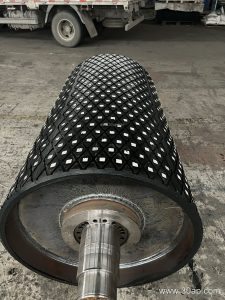
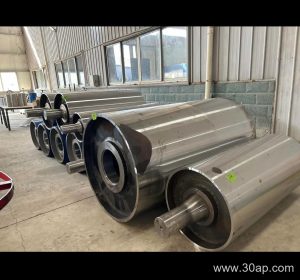
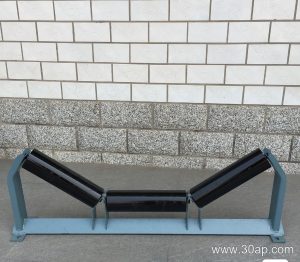
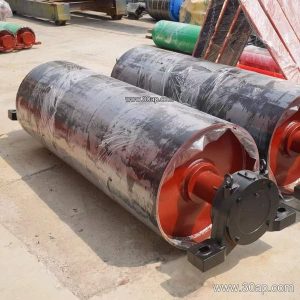
A highly wear-resistant idler is a carrying or returning roller built to survive the abrasive side of bulk handling. On a quarry conveyor or a cement plant clinker line, the belt does not simply roll over steel; grit, dust and sharp fines work their way into every contact point. The idler that lasts is the one whose shell, bearing housing and seal package are chosen for that grinding environment rather than for light duty. In practice, this wear-resistant roller is the component that keeps a conveyor belt tracking smoothly between the head and tail of the system, while the conveyor pulley at each end does the driving and redirecting.
Construction That Resists Abrasion
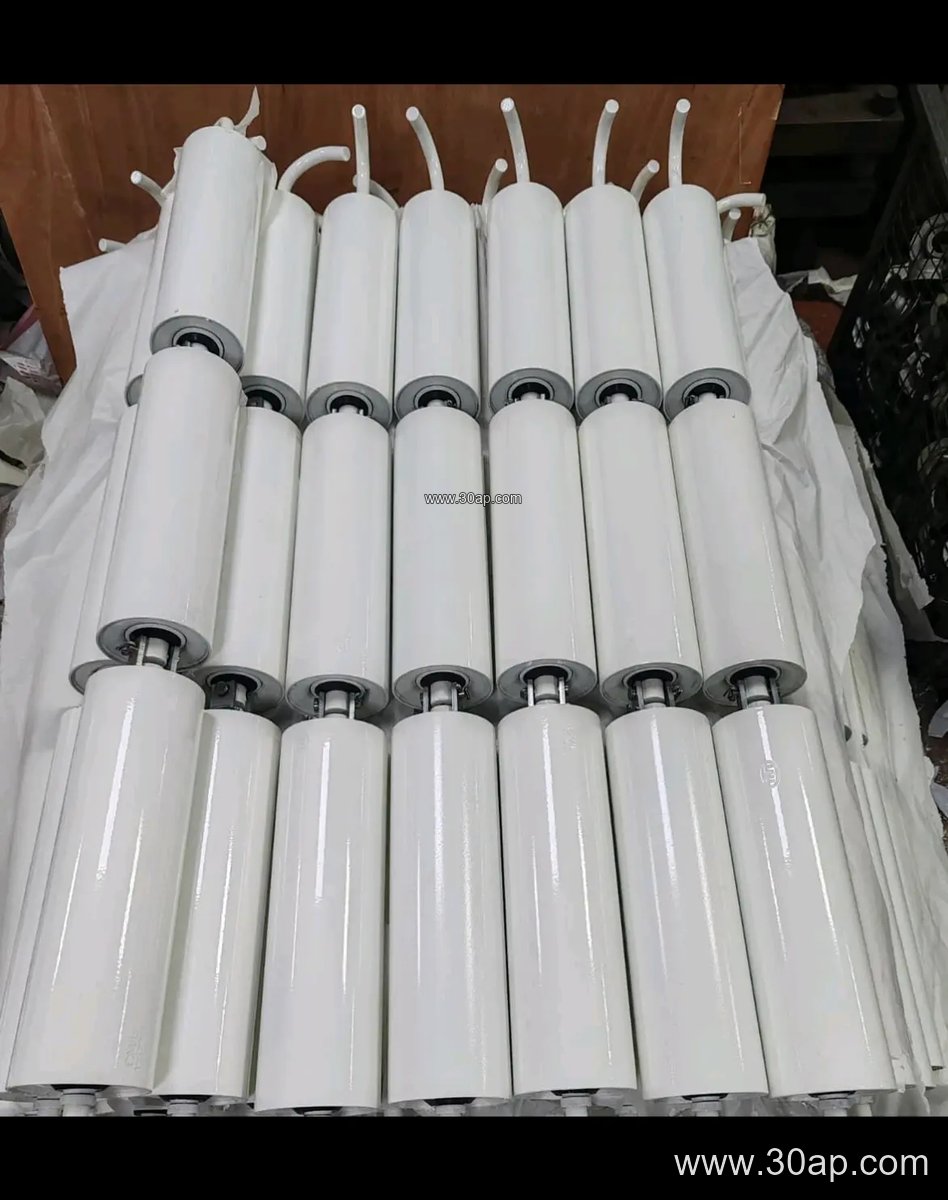
Durability starts with the roller shell. Common surfaces include steel tube, nylon, ceramic and rubber rings, and each behaves differently under attack. A rubber-ring buffer idler absorbs impact at the loading point, while a ceramic-faced roller suits fine, sharp material that would polish plain steel. The bearing package matters just as much: sizes such as 6204, 6205, 6305, 6306, 6308 and 6310 appear across the range, and the right choice depends on load and speed, not on a fixed rule. Seals are the quiet hero, keeping grit away from the bearing cavity so the roller keeps turning instead of skidding.
Common Roller Diameters
Diameter is selected together with belt width and load. Typical values include Ø63, Ø76, Ø89, Ø102, Ø108, Ø127, Ø133, Ø159, Ø178, Ø194 and Ø219 mm. A wider, heavier belt generally calls for a larger diameter and a stronger shaft, but the pairing is a design decision, not a catalogue constant.
Where These Idlers Earn Their Keep
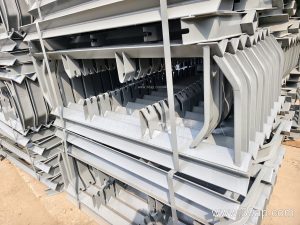
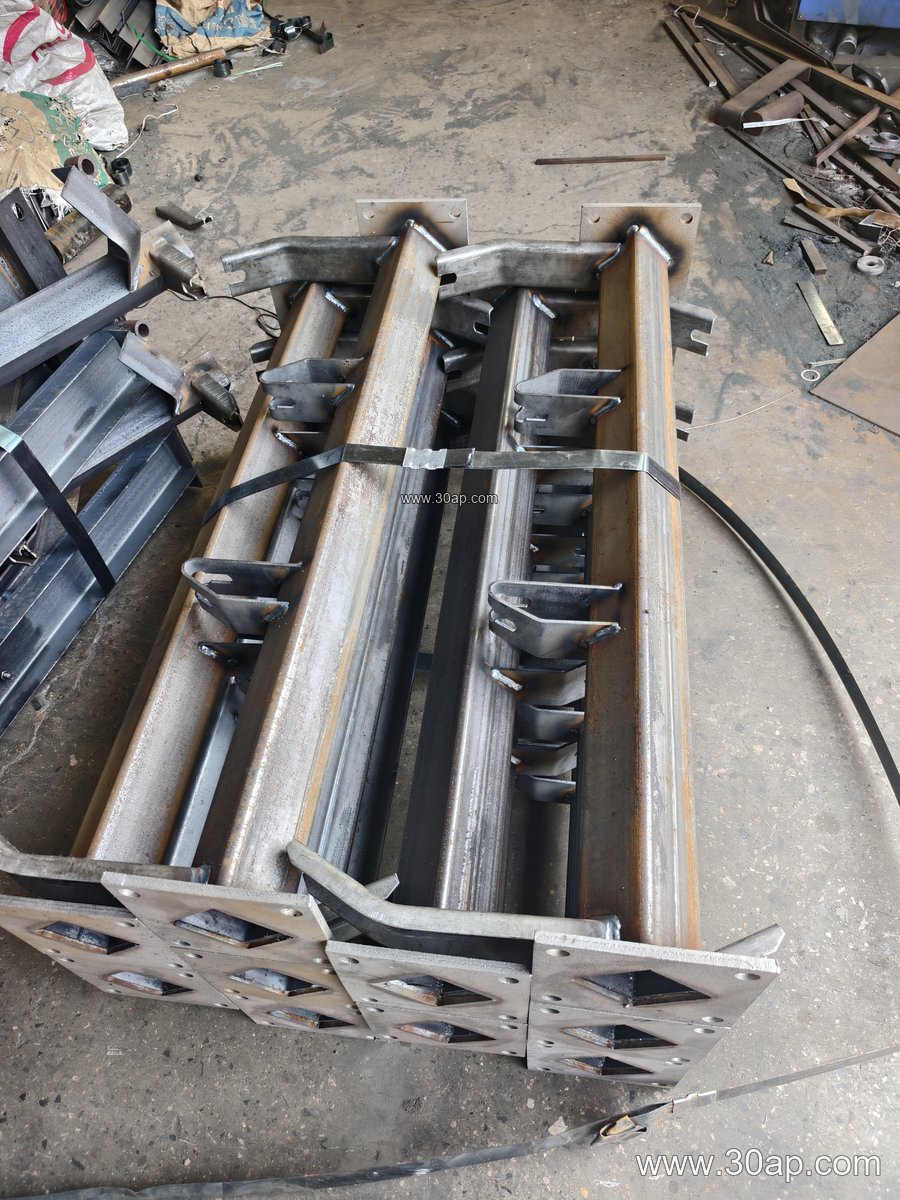
Two settings show the value most clearly. In a limestone quarry, crushed rock dust coats everything, and a wear-resistant idler on the return run keeps the belt from dragging. In a coal washing plant, fine slurry and sharp particles shorten the life of ordinary rollers, so sealed, abrasion-ready units reduce stoppages. Similar logic applies in iron ore handling, sinter plants and aggregate crushing circuits, where the belt carries sharp, heavy lumps. The conveyor bracket and frame must also be sturdy enough to hold alignment, because a worn idler that sits crooked will damage the belt edge long before the shell fails.
Matching the Idler to the Belt Line
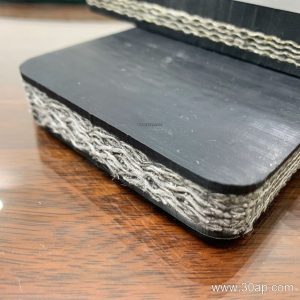
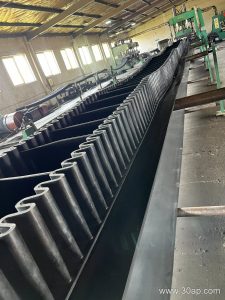
Buyers should think in terms of the whole conveyor, not one part. Belt width commonly runs from B400 and B500 up through B650, B800, B1000, B1200, B1400, B1600, B1800, B2000, B2200 and B2400, and trough angles of 20, 30, 35 and 45 degrees change the load profile. Roller length follows belt width, trough angle and the roller set arrangement; for a three-roll trough set, common examples are about 200 mm at B500, 250 mm at B650, 315 mm at B800, 380 mm at B1000, 465 mm at B1200, 530 mm at B1400, 600 mm at B1600, 670 mm at B1800 and 750 mm at B2000, though side and centre rolls can differ. The belt itself sets the duty: an abrasion resistant conveyor belt or a heavy-duty mining conveyor belt on an ore conveyor belt line will punish weak rollers, while a pipe conveyor belt or corrugated sidewall conveyor belt may need a different roller layout entirely.
Specification Reference
The table below groups typical reference values. Treat them as guidance for discussion with a supplier, not as verified universal specifications.
| Parameter | Common Reference Values |
|---|---|
| Roller diameter | Ø63, Ø76, Ø89, Ø102, Ø108, Ø127, Ø133, Ø159, Ø178, Ø194, Ø219 mm |
| Belt width | B400 to B2400 (B500, B650, B800, B1000, B1200, B1400, B1600, B1800, B2000 common) |
| Trough angle | 20°, 30°, 35°, 45° |
| Roller surface | Steel tube, nylon, ceramic, rubber ring |
| Bearing | 6204, 6205, 6305, 6306, 6308, 6310 |
| Roller set form | Single roll, two-roll, three-roll trough |
What to Confirm Before Ordering
- Check the actual belt width and trough angle, then confirm roller length with the frame drawing rather than assuming a fixed match.
- State the material being carried, its lump size and moisture, because sharp wet fines demand better sealing and a harder surface.
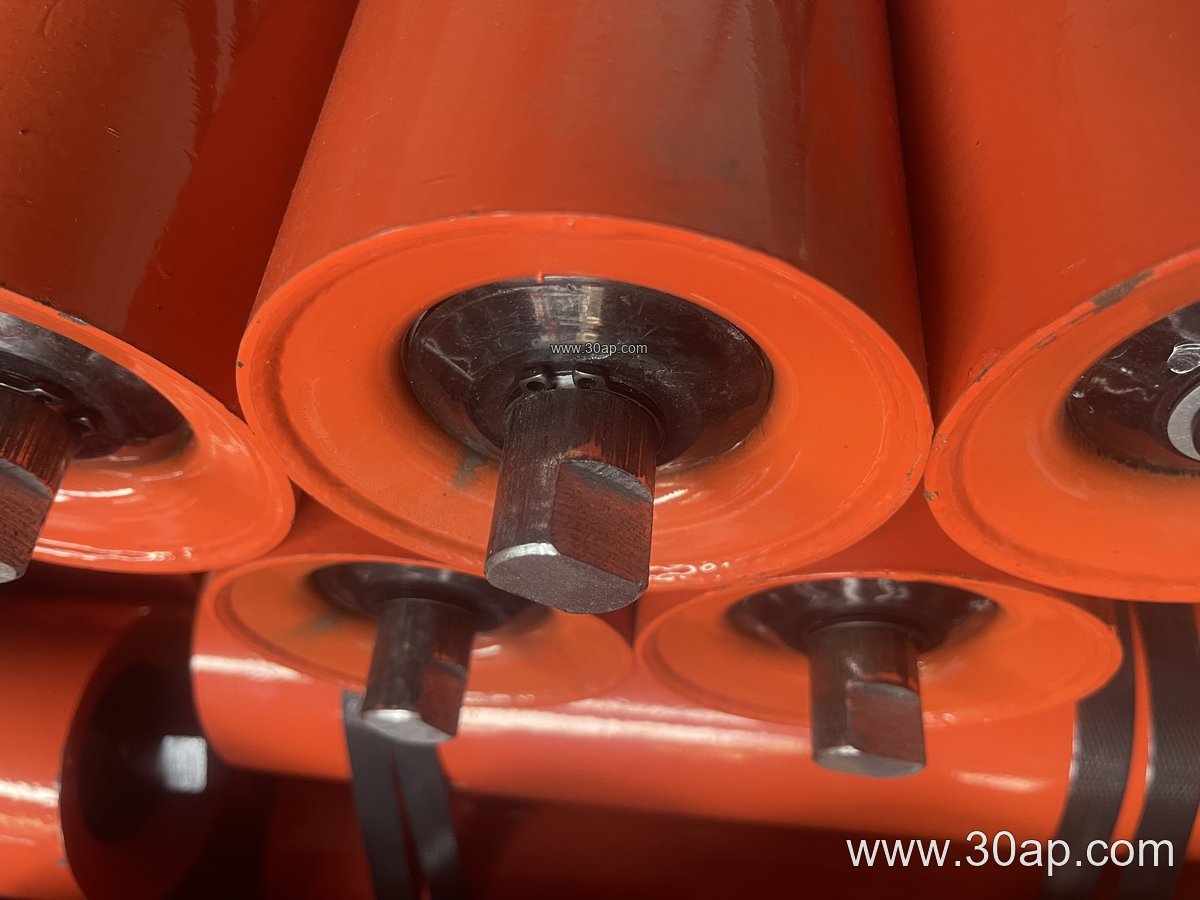
- Ask about bearing size and seal design, since these decide service life more than shell thickness alone.
- Confirm the shaft and bracket fit, so the new idler sits true in the existing conveyor bracket.
- Consider the full belt system, including whether a flame retardant conveyor belt or heat resistant conveyor belt is in use, as temperature affects grease and seal choice.
For more on matching rollers to belts and pulleys, see highly wear-resistant idler and our notes on conveyor belt selection. A well-chosen wear-resistant roller is a small part of the capital cost and a large part of uptime in any abrasive bulk handling operation.