What an ST1000 Conveyor Belt Is
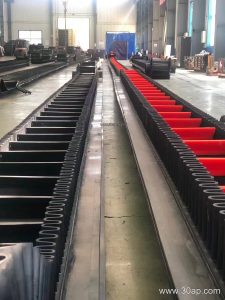
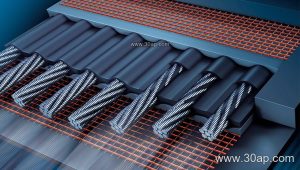
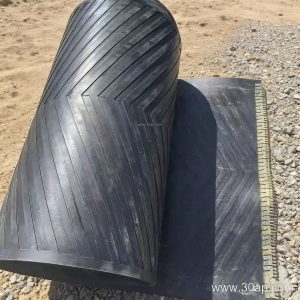
An ST1000 Conveyor Belt is a steel cord conveyor belt with a nominal tensile strength of 1000 N/mm. Instead of fabric plies, the carcass holds a single layer of high-carbon steel cords running longitudinally, encased in rubber. That construction gives the belt high strength with relatively low elongation, which suits long conveying routes and heavy bulk loads. Buyers sometimes call it an ST1000 steel cord belt; both names describe the same product.
The ST rating refers to the cord strength class, not to belt width or cover thickness. A 1000-class belt can be built in several widths and cover combinations, so the data sheet matters more than the class number alone.
How the Belt Is Built
The carcass is the load-bearing heart. Steel cords are spaced and tensioned uniformly, then bonded to core rubber. Top and bottom cover rubber protect the cords from abrasion, impact, moisture and, where required, heat or oil. Edge construction is critical on steel cord belts because cord ends and edges carry concentrated stress.
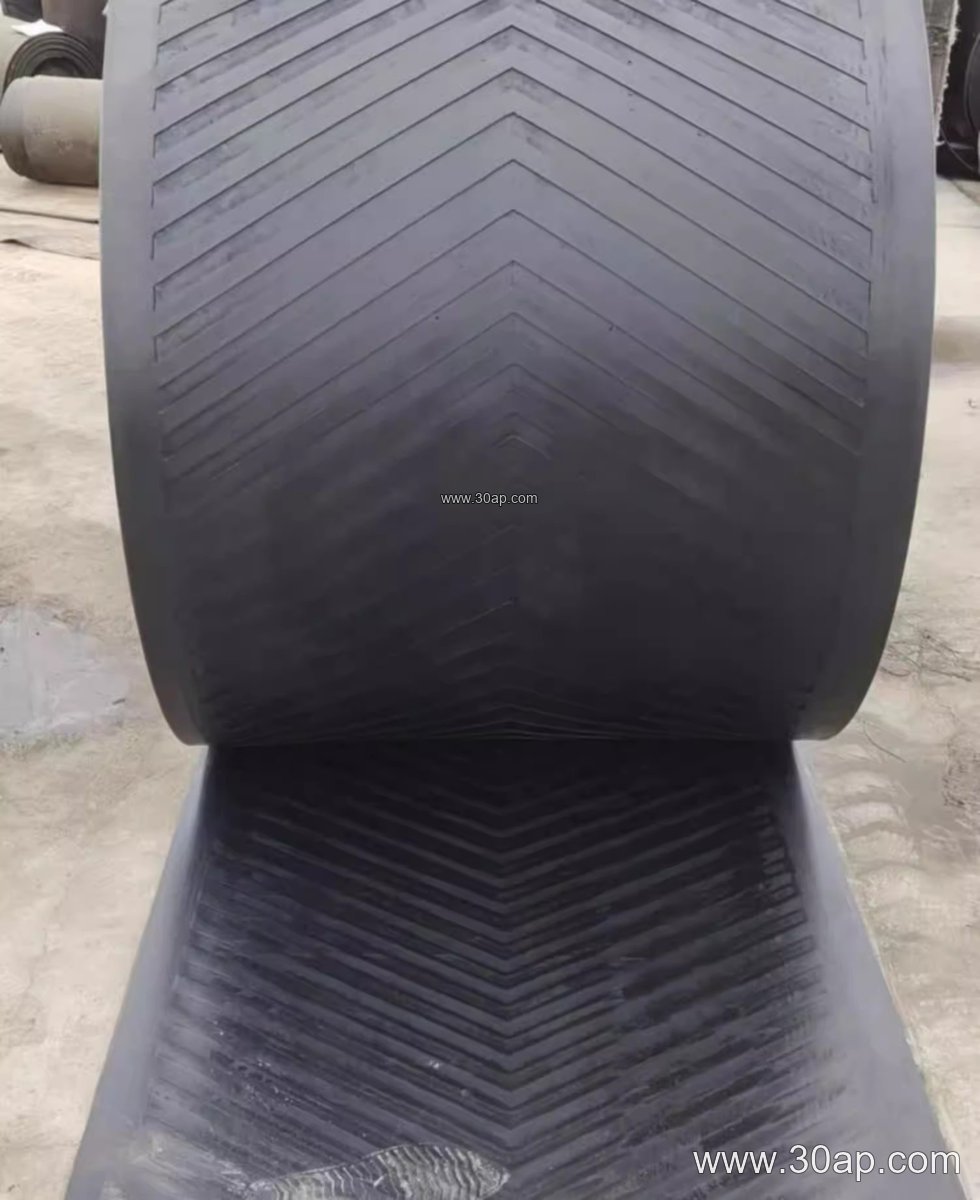
- Steel cord carcass for low stretch and high tensile capacity
- Cover rubber selected for the duty: abrasion resistant, heat resistant, flame retardant, oil resistant, cold resistant or anti-static
- Common cover gauges such as 5+2 mm, 6+2 mm or 8+3 mm, with the final figure set by design
- Spliced ends, usually hot vulcanized, to restore full cord strength
Fabric belts remain a sensible choice for shorter runs and lighter duties. An EP Conveyor Belt or NN Conveyor Belt with multiple plies is easier to splice and often cheaper at moderate tensions. The ST1000 becomes interesting when tension, distance or tonnage outgrow fabric construction.
Where ST1000 Belts Fit
Steel cord belts are common in mines, quarries, cement plants, power stations, steel plants, ports and large aggregate operations. A typical ST1000 installation moves crushed rock, ore, coal, clinker or other bulk material over long inclined or horizontal routes. In a coal mining conveyor, a flame retardant grade may be specified; in a cement plant, heat resistant covers may be needed near kiln discharge; in a quarry, abrasion resistant rubber protects against sharp stone.
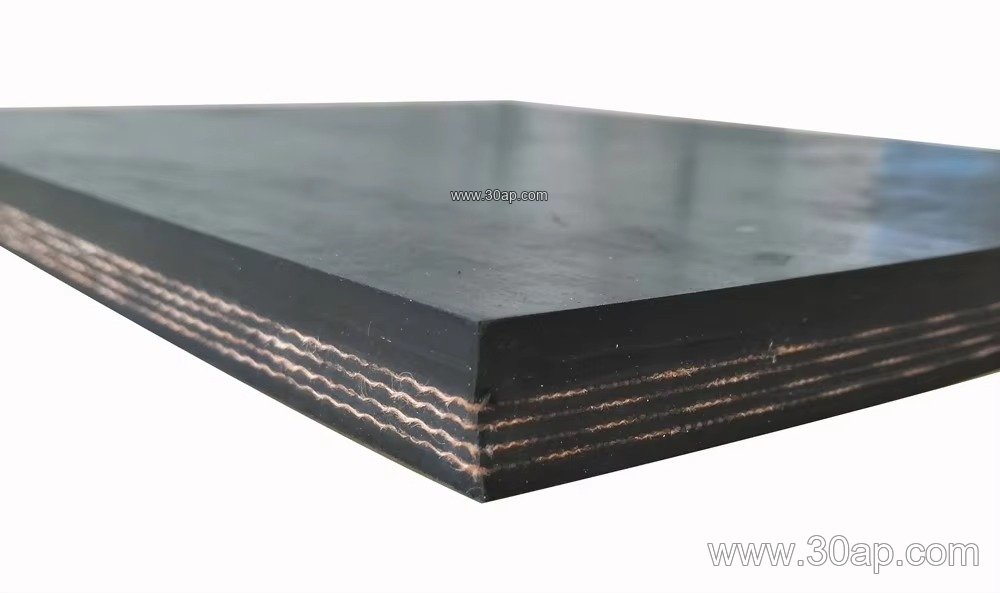
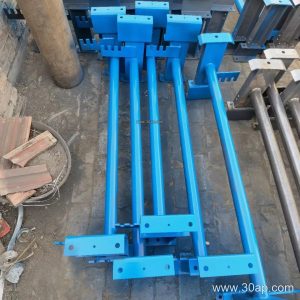
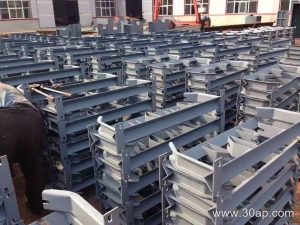
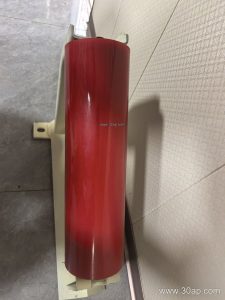
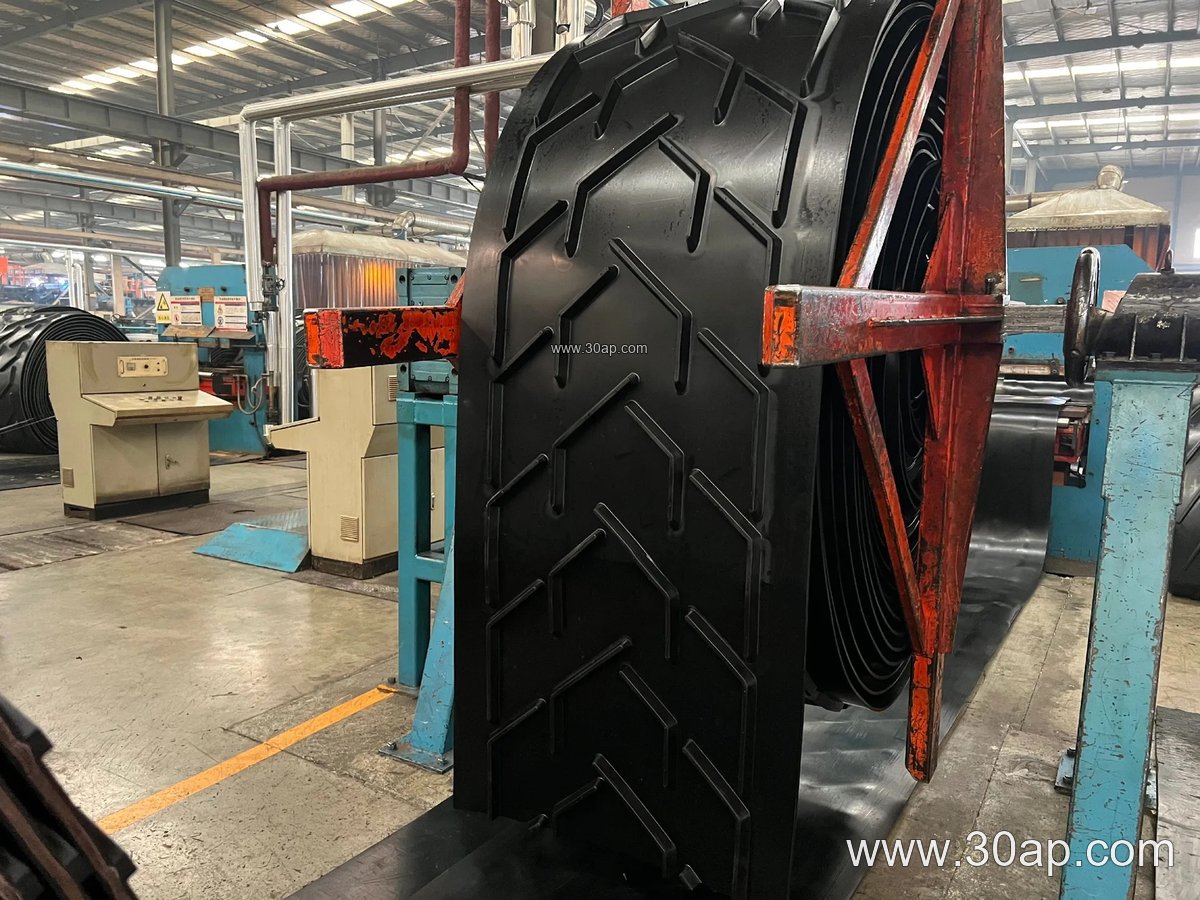
The belt does not work alone. Idler roller sets support the loaded strand, a conveyor pulley drives and tensions the system, and a conveyor bracket keeps the structure aligned. Drive, tail and bend pulleys each do a different job, and their diameters must be matched to the belt’s cord construction and splice rather than assumed from belt width. A 1000 mm or 1200 mm belt may run on more than one pulley size depending on the conveyor design.
Specifications Buyers Should Confirm
Treat the following as reference categories, not a fixed offer. Actual values come from the manufacturer’s data sheet and the conveyor design.
| Item | Typical range or note |
|---|---|
| Strength class | ST1000; other classes include ST1250, ST1600, ST2000 |
| Belt width | Common widths include 800 mm, 1000 mm, 1200 mm, 1400 mm and 1600 mm |
| Cover thickness | 5+2 mm, 6+2 mm, 8+3 mm, depending on duty |
| Cover grade | Abrasion resistant, heat resistant, flame retardant, oil resistant, cold resistant, anti-static |
| Belt mass | Confirmed per manufacturer and construction |
| Splice | Hot vulcanized, with splice strength per design |
Ask for the cord pitch, cord diameter, recommended minimum pulley diameter, allowable troughability and the safe working tension. These details affect idler spacing, take-up travel and pulley selection far more than width alone.
Selection and Maintenance Notes
Match the belt to the material and the environment. Sharp, heavy rock calls for a high abrasion resistant cover and adequate impact protection at transfer points. Hot clinker or sinter needs a heat resistant grade. Underground coal service usually calls for flame retardant and anti-static properties. Cold climates may need a cold resistant compound to avoid cracking at start-up.
During operation, watch for cord exposure at edges, cover gouges, splice wear and material buildup on the return side. Keep idlers turning freely and check pulley lagging and alignment. A misaligned structure or a seized idler roller can damage even a heavy-duty belt quickly. Record belt tension and take-up position so stretch and splice condition can be tracked over time.
For a long overland route, an ST1000 Conveyor Belt is often a practical middle class in the steel cord family. Confirm the full specification with the supplier and the conveyor designer before ordering, and keep spare splice material and edge repair stock on site.