Conveyor Pulley Essentials
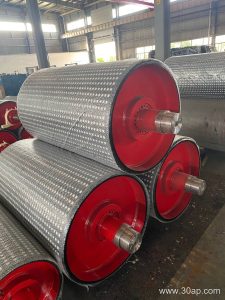
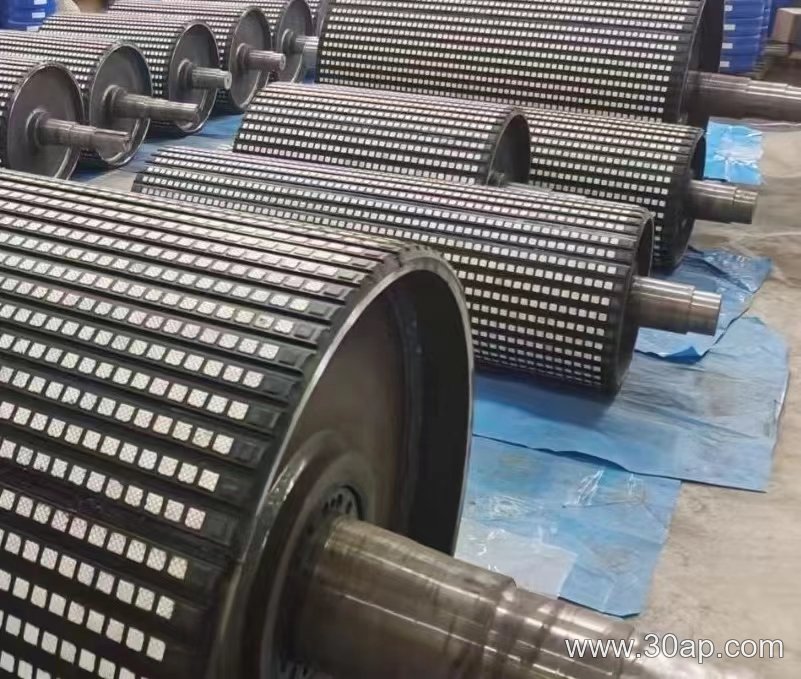
A conveyor pulley drives or redirects the belt. Choose the right one for reliable, efficient material handling.
Key Selection Factors
- Belt width, load, and speed determine pulley diameter.
- Lagging improves grip; crown aids belt tracking.
- Check shaft, bearing, and hub compatibility.
Purchasing Advice
Buy from certified suppliers. Request load calculations, material specs, and warranty. Prioritize balanced, dynamically tested pulleys for long service life.
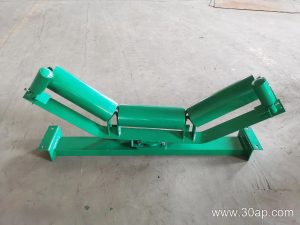
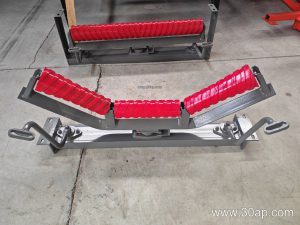
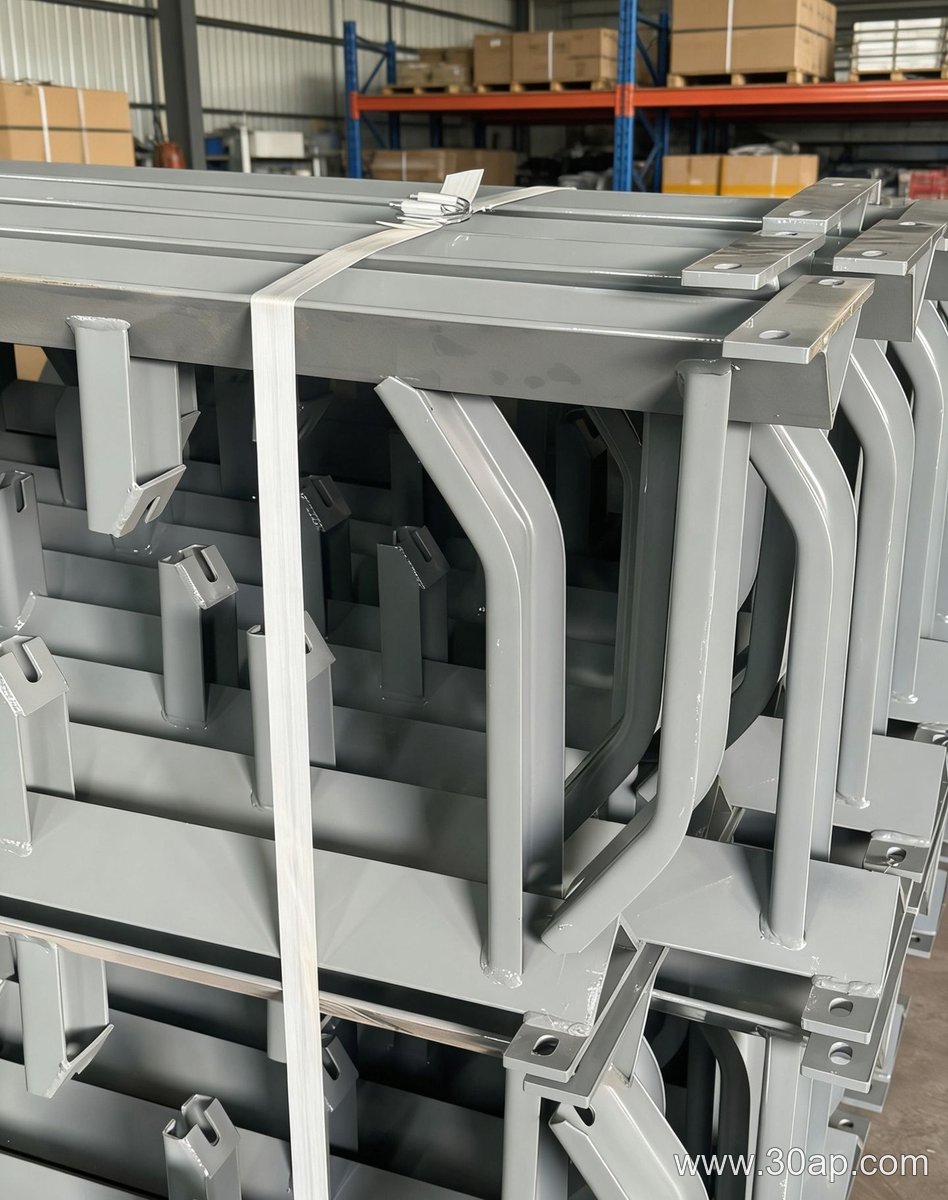
Conveyor Bracket: The Backbone of Your Material Handling System
A conveyor bracket connects rollers, idlers, and frames, directly affecting alignment, load capacity, and maintenance downtime. Selecting the right bracket ensures reliable performance.
Selection and Purchasing Advice
- Match bracket material to load and environment: stamped steel for light duty, cast iron or stainless for heavy or washdown use.
- Check mounting hole spacing, slot adjustability, and bolt grade for vibration resistance.
- Prefer interchangeable, off-the-shelf designs to cut lead times and spare-part costs.
- Verify load ratings and corrosion protection before bulk ordering.
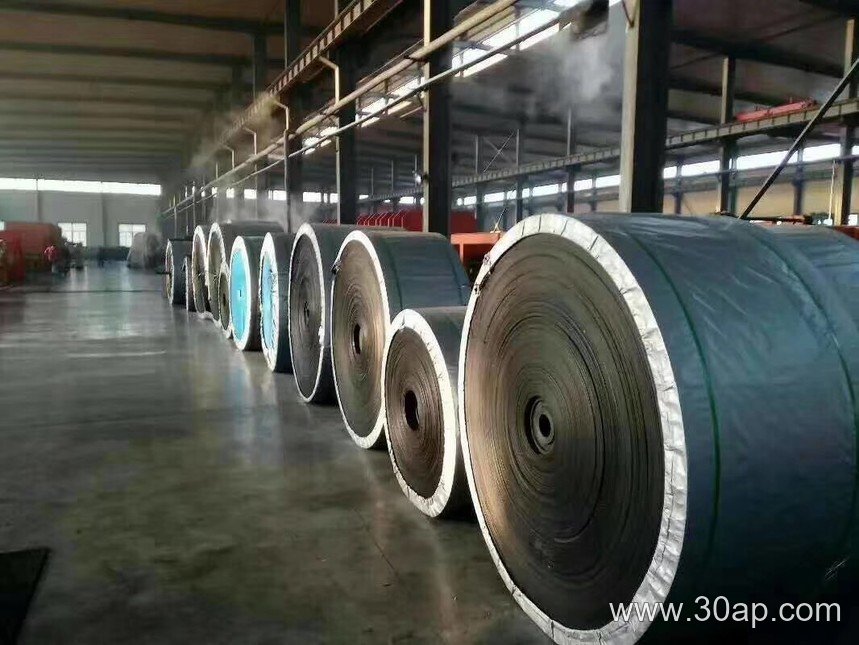
Conveyor Belt Selection for Global Buyers
A conveyor belt is the core of any material handling system. Export buyers must match belt type, carcass, and cover to the application.
Key Selection Factors
- Load weight and speed
- Abrasion, heat, or oil resistance
- Belt width and troughability
Purchasing Advice
Request test reports, confirm splice compatibility, and verify export packaging to prevent edge damage in transit.
Idler Roller Selection and Purchasing Guide
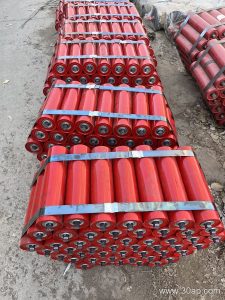
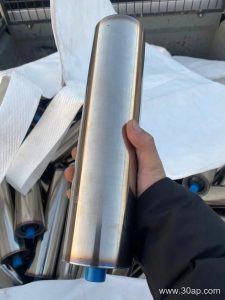
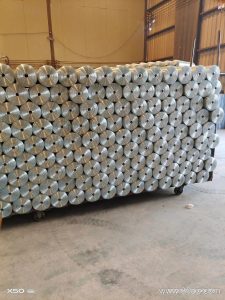
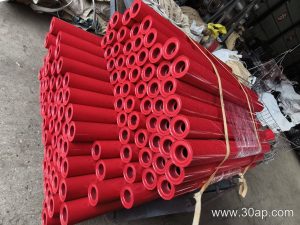
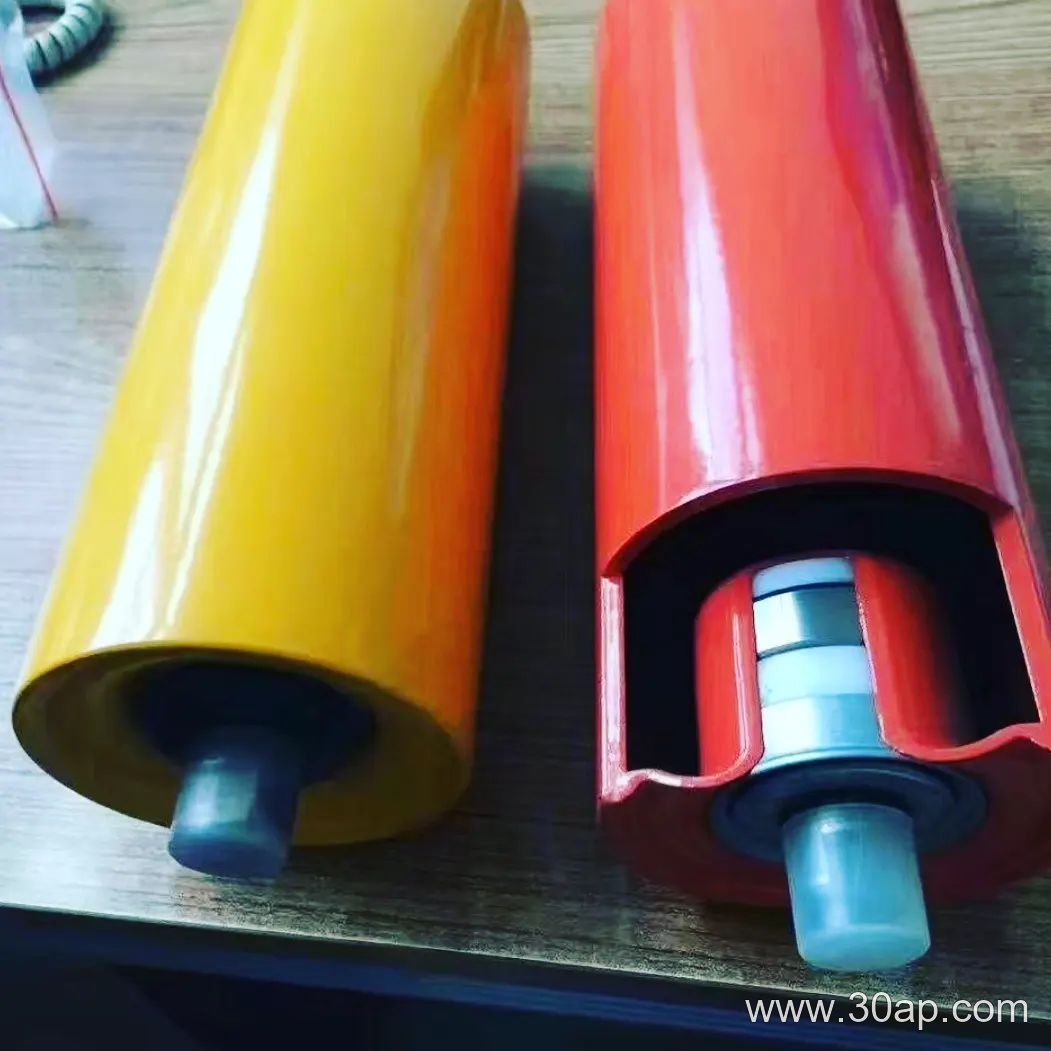
An idler roller supports and guides conveyor belts without driving them. Choosing the right unit reduces wear, downtime, and energy costs.
Key Selection Factors
- Load capacity and belt width
- Bearing type: sealed vs. open
- Roller material: steel, stainless, or polymer
- Environmental resistance to dust, moisture, and heat
Purchasing Advice
Match roller diameter and spacing to belt speed and load. Prefer interchangeable, standardized sizes for easier replacement. Verify runout, balance, and grease retention before bulk ordering. Request test samples to confirm service life.