What a Conveyor Support Leg Does
A conveyor support leg is the vertical load-bearing element that carries the weight of a belt conveyor frame, idlers, pulleys and material load down to the floor, foundation or steel structure. It is a simple-looking part, yet it decides how straight the frame runs, how easily the belt tracks and how quickly maintenance can be done. In a quarry, a coal preparation plant or a cement plant, the support leg is usually the first component to be checked when a structure starts to lean or vibrate.
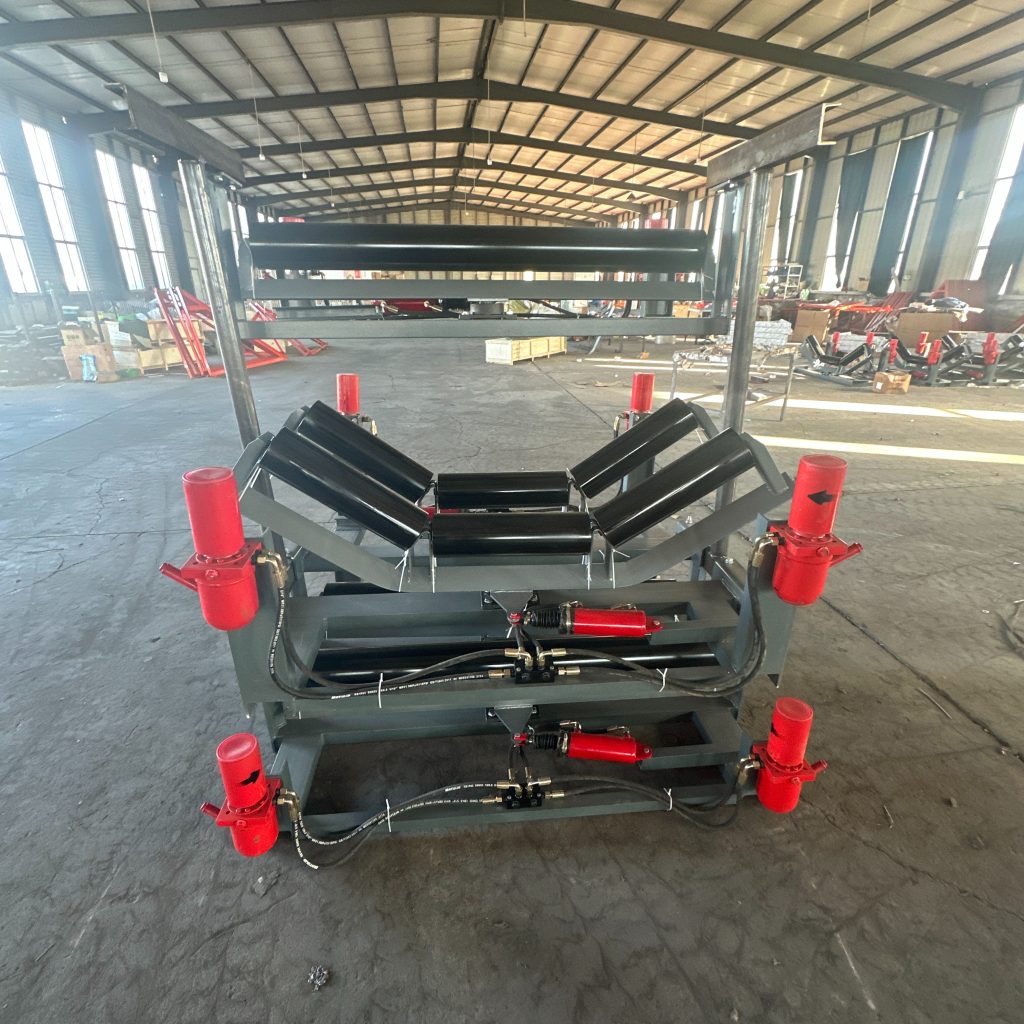
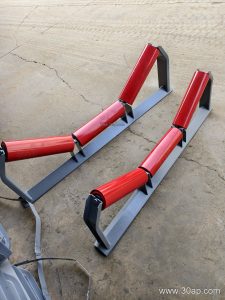
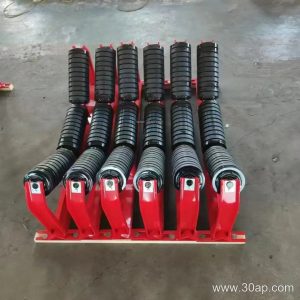
Although the name sounds like a single item, the support leg normally works as part of a bracket and leg assembly. The upper part connects to the longitudinal beam or to a conveyor bracket that holds the idler roller, while the lower part ends in a base plate, anchor bolts or a foot that sits on concrete. A well-designed leg transfers load in compression and keeps bending forces low.
How the Leg Is Built
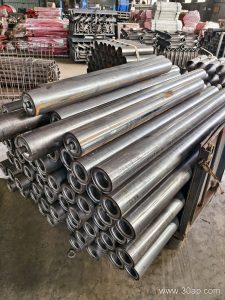
Most support legs are fabricated from angle steel, channel steel or folded steel plate. The choice depends on the load, the frame height and the environment. Light sections are common on portable or short aggregate conveyors, while heavy channel sections appear in iron ore, sintering and power plant coal handling lines where dust, vibration and impact are constant.
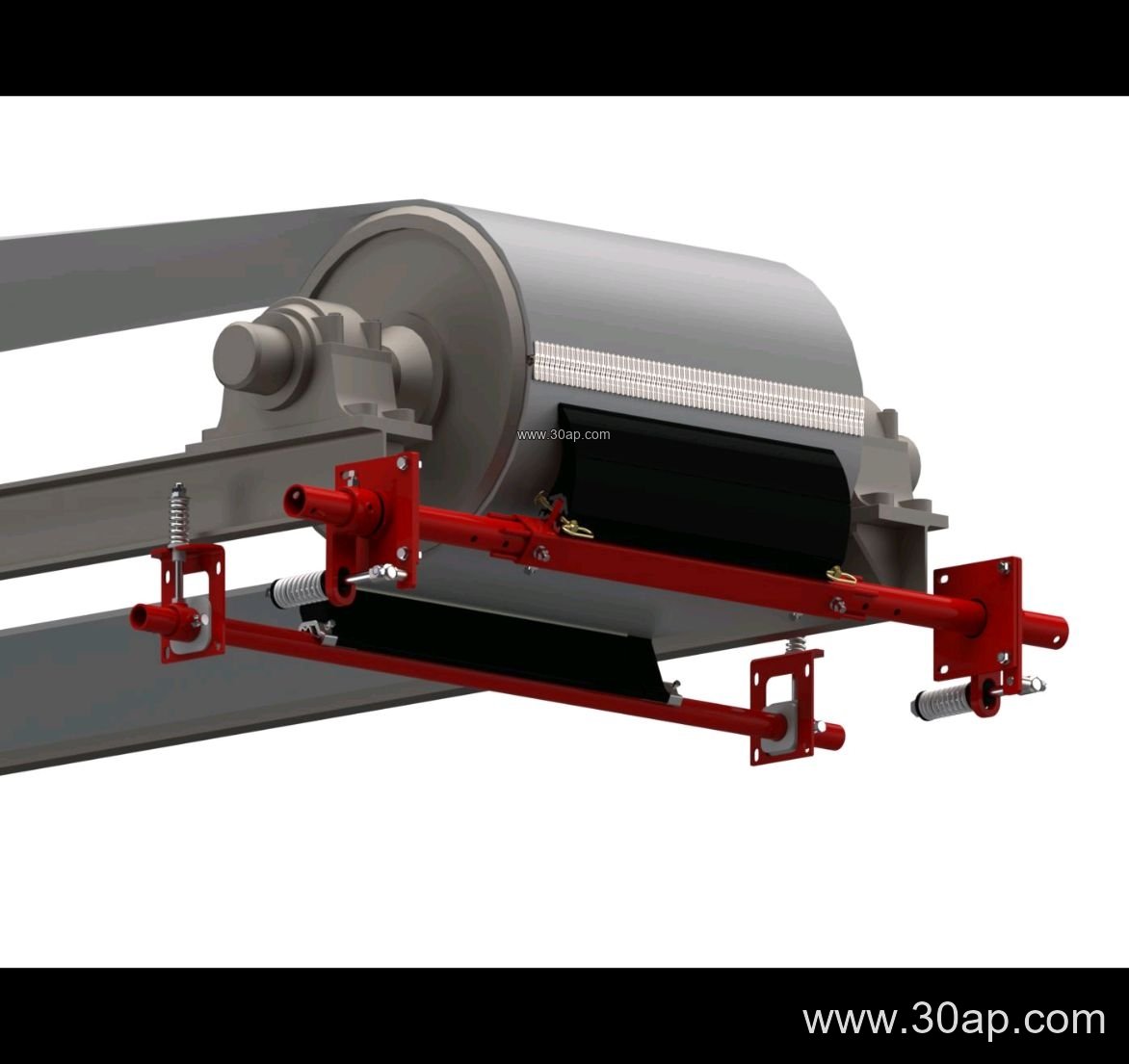
Typical construction details include:
- A top plate or clevis that matches the stringer or conveyor bracket hole pattern.
- Slotted or drilled holes that allow small height and alignment adjustments during installation.
- A base plate with anchor holes, sometimes with shims for levelling.
- Optional diagonal bracing or cross ties between opposite legs to resist side loads.
Adjustable legs use a telescopic inner and outer section, or a threaded foot, so the frame height can be tuned on site. Fixed legs are welded to a single height and are cheaper, but they demand accurate foundation work.
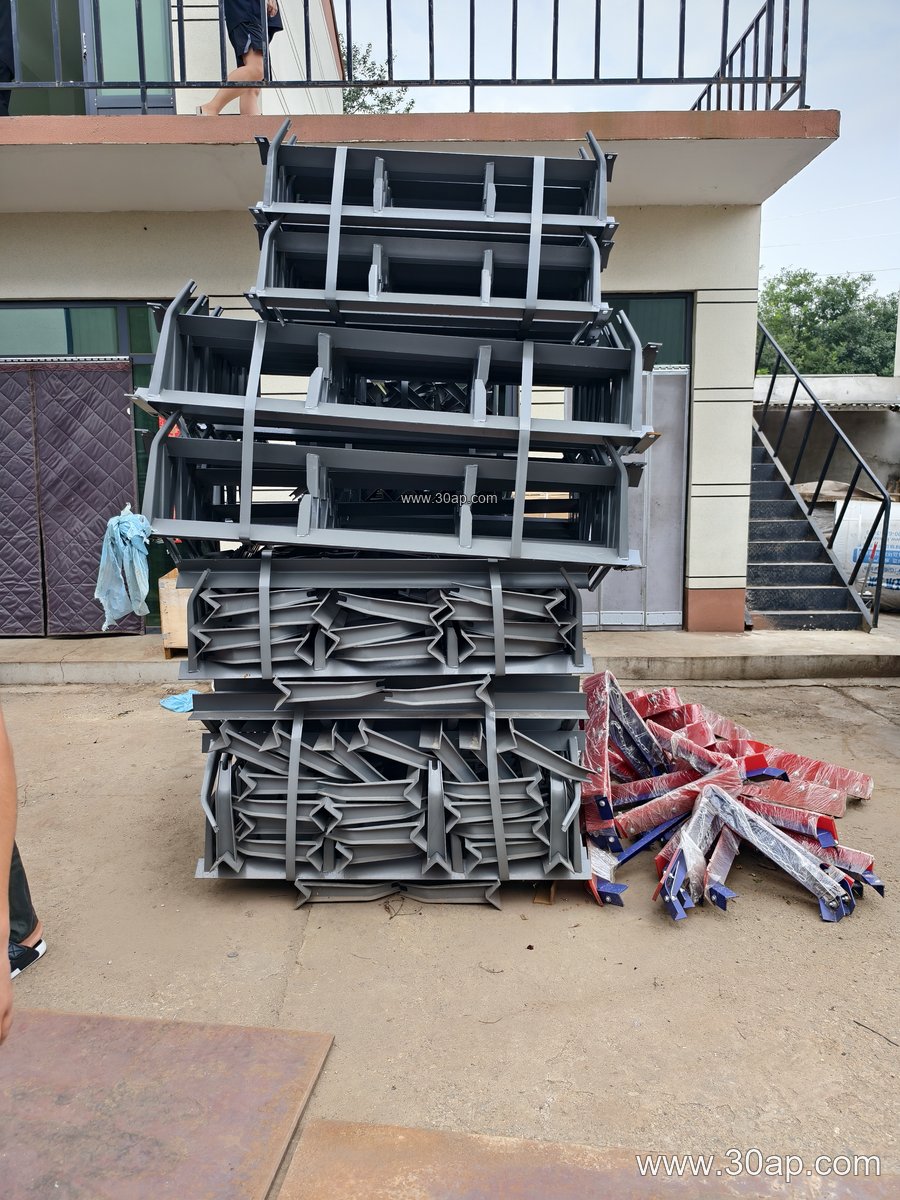
Where Support Legs Are Used
The support leg appears wherever a conveyor frame must stand above the ground. In a sand and gravel line it lifts the frame clear of spillage and wash water. In a coal mining conveyor or an underground mining conveyor, legs may be shorter and bolted to floor beams rather than concrete. In a limestone quarry or a crushing and screening plant, heavy-duty legs support the impact zone below a crusher discharge. Port ship loading conveyors use taller legs with bracing because of wind and long spans.
The same structure also carries the transition bracket, the V-return bracket and the return support, so the leg is not only a stand but a reference point for belt alignment. When a conveyor belt runs off-centre, checking leg plumb and frame level is often more useful than adjusting idlers first.
Matching the Leg to Belt Width and Idler Size
Support leg spacing and crossbeam length follow the belt width, the trough angle and the idler roller diameter. The values below are common reference ranges, not fixed rules; final dimensions are set by the conveyor design.
| Belt width | Common trough angle | Typical idler diameter | Typical leg note |
|---|---|---|---|
| B500, B650 | 20 to 30 degrees | Ø89 | Light angle steel leg |
| B800, B1000 | 30 to 35 degrees | Ø108, Ø133 | Channel or folded plate leg |
| B1200, B1400 | 35 to 45 degrees | Ø133, Ø159 | Heavy leg with bracing |
| B1600, B1800 | 35 to 45 degrees | Ø159, Ø194 | Tall leg, wide base plate |
| B2000, B2200 | 35 to 45 degrees | Ø194 | Engineered support assembly |
Do not assume that one belt width belongs to one pulley diameter or one trough angle. A B1200 frame may use a 35 degree trough in one plant and a 45 degree trough in another, and the leg height changes with the transition bracket position. Installation hole spacing and beam length vary with belt width and trough angle, so they should be taken from the drawing rather than guessed.
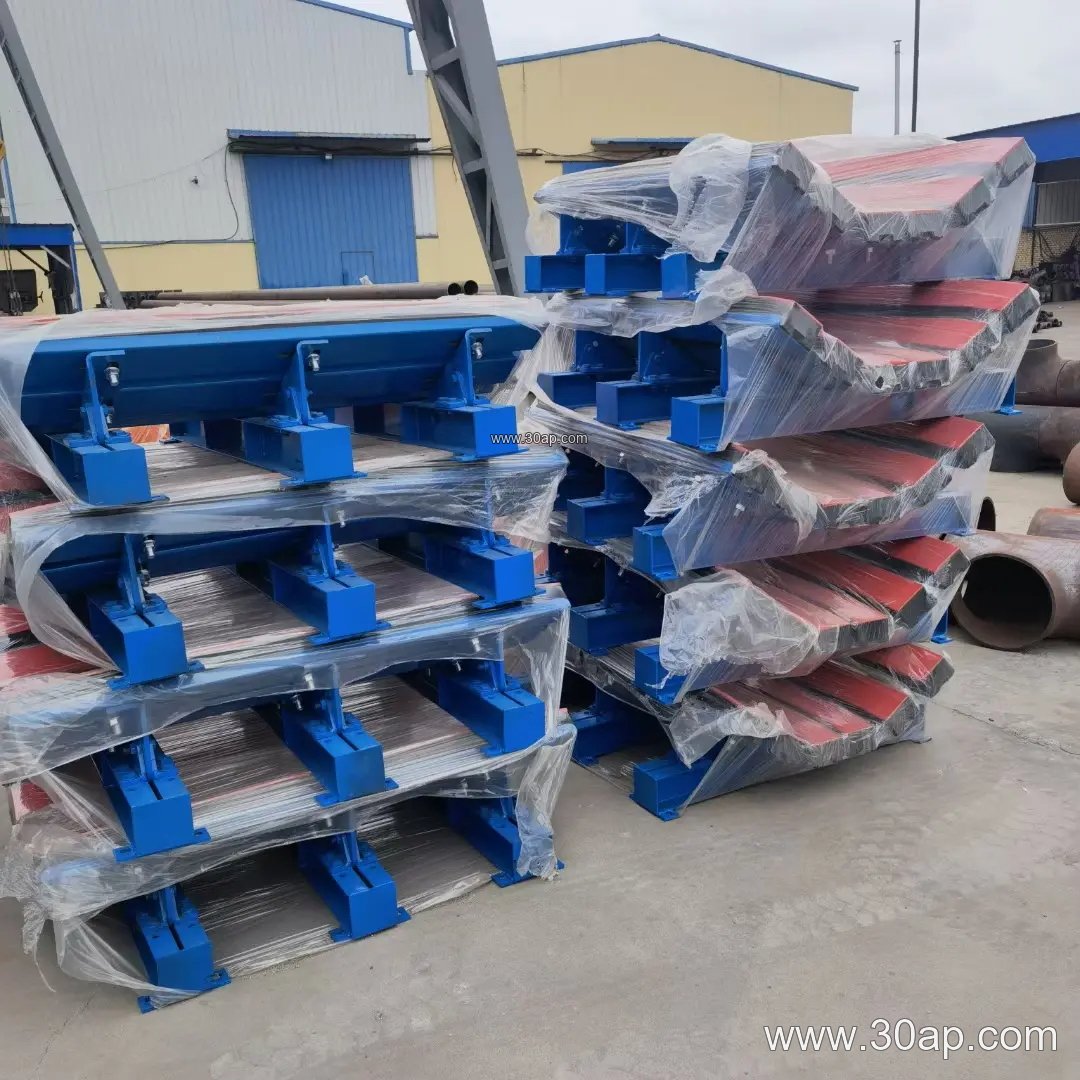
Related equipment selection also matters. On a high abrasion line with an abrasion resistant conveyor belt, legs should be sturdy enough to resist vibration from heavy lumps. On a long overland route using a steel cord conveyor belt, leg spacing must suit the catenary and wind load. Where a pipe conveyor belt or a corrugated sidewall conveyor belt is installed, the support structure often needs extra height and stiffness.
Buyer Checklist
Before ordering, confirm the belt width, the trough angle, the idler diameter, the frame height and the mounting method. Ask whether the leg is fixed or adjustable, and whether bracing is included. Check the surface treatment: painted, hot-dip galvanized or epoxy coated, depending on whether the site is a wash plant, a fertilizer store or a coastal port. Confirm the base plate hole pattern against the foundation drawing.
For the wider conveyor system, it also helps to review the belt specification in the same package. A buyer sourcing a flame retardant conveyor belt for a coal mining conveyor, or an EP conveyor belt for a cement plant, should confirm that the leg spacing and transition brackets match the belt’s tension and load profile. A conveyor support leg is a small item, but it keeps the whole belt line true.