What a Mining Fire Resistant Conveyor Belt Is
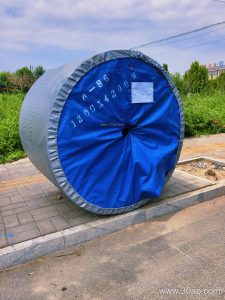
A Mining Fire Resistant Conveyor Belt is a heavy-duty fabric- or steel-reinforced rubber belt engineered so that it resists ignition and limits flame spread when it carries coal, ore, or other bulk material underground or in dusty surface plants. Within the broader family of Fire Resistant Conveyor Belt products, the mining grade is the version built for the highest consequence environment: a tunnel, shaft, or transfer tower where a smoldering belt could endanger people and equipment. It is not simply a standard black belt with an additive; the cover compound, the carcass, and the adhesion system are designed together.
Buyers often meet this product under an equivalent name, Mining Flame Retardant Conveyor Belt. The two terms describe the same article and are used side by side in tenders and mill orders. Other fire-related belts, such as a heat resistant belt for clinker or sinter, solve a different problem and should not be substituted.
How the Belt Is Built
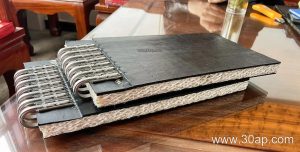
The construction has three working layers. The top and bottom covers are rubber compounds formulated with halogenated or non-halogenated flame suppressants, and they also carry the abrasion and cut resistance the job needs. The carcass provides tensile strength and troughability. Textile versions use EP Conveyor Belt fabric or NN Conveyor Belt fabric, usually 2 to 6 plies; heavy overland and long underground trunks may use Steel Cord Conveyor Belt construction. A breaker layer or reinforced edge is common where impact from a crusher discharge is severe.
Two details matter at inspection. First, the fire performance is a property of the finished belt, so cover thickness and ply count must be quoted together with the flame rating. Second, static electricity must be drained; many mining specifications pair flame resistance with anti-static performance, and the belt should be ordered with both requirements stated.
Typical Duty and Where It Runs
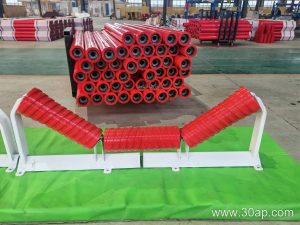
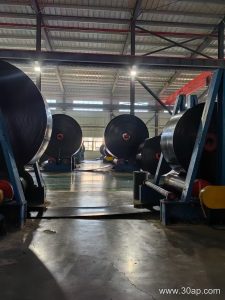
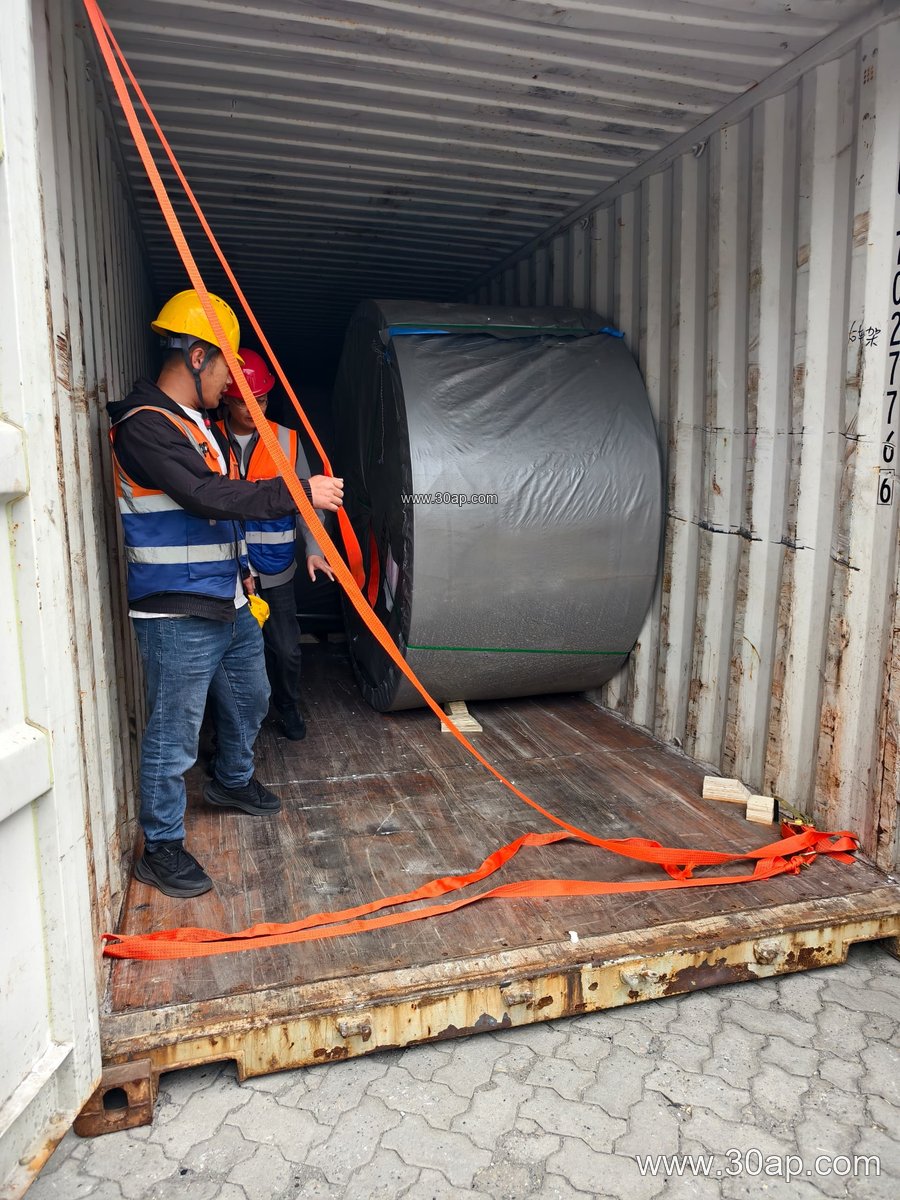
These belts appear in coal mining, metal mines, cement plants, power stations, and quarry and aggregate operations. Underground coal mining is the classic case, where the belt runs on a conveyor frame with idler roller sets, a head conveyor pulley, a tail pulley, and bend pulleys at every change of incline. The drive pulley and the tail pulley are separate components with separate duties and are never interchangeable. Surface installations use the same belt in transfer houses, stockpile feed lines, and ship loading systems where dust and hot work create ignition risk.
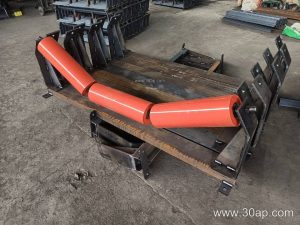
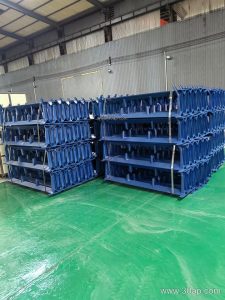
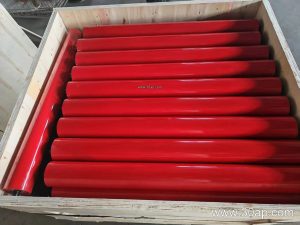
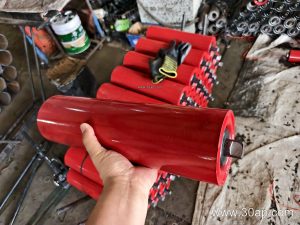
Because the belt often shares a structure with other equipment, keep the flame-rated belt as the subject of the order and treat rollers, pulleys, and conveyor bracket assemblies as supporting components selected from their own specifications.
Common Reference Sizes
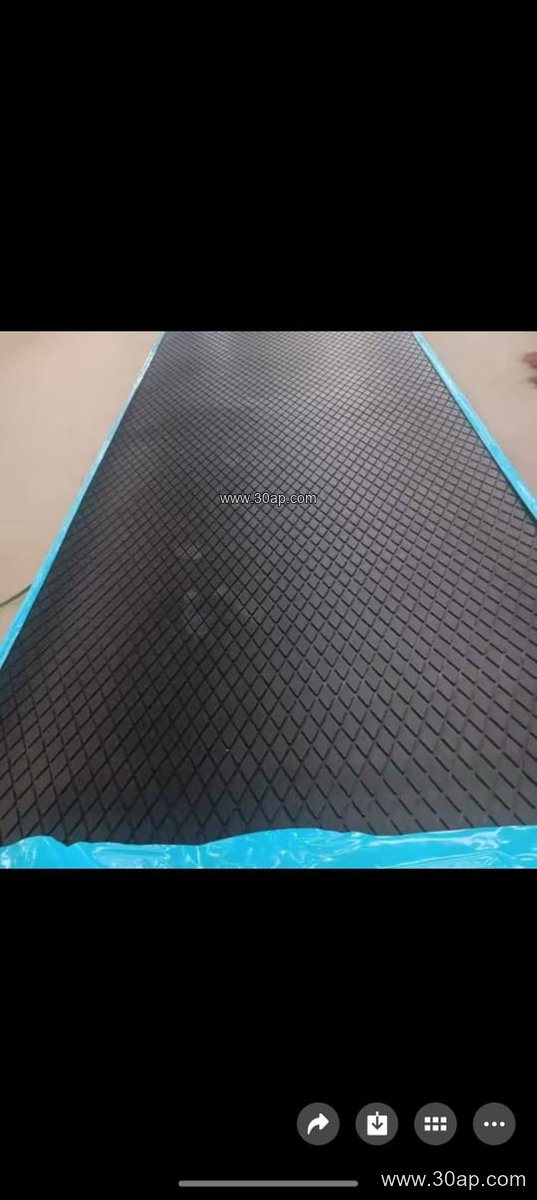
The values below are common reference ranges, not a supply promise. Final figures follow the conveyor design and the manufacturer’s data sheet.
| Item | Common reference values |
|---|---|
| Belt width | B650, B800, B1000, B1200, B1400, B1600, B1800, B2000 |
| Fabric strength grade | EP200, EP315, EP400, EP500, EP630, EP800, EP1000, EP1250 |
| Steel cord grade | ST1000, ST1250, ST1600, ST2000 |
| Cover thickness (top + bottom) | 4+2, 5+2, 6+2, 8+3 mm |
| Carcass plies | 2 to 6 plies, textile types |
Width and pulley diameter are matched through the conveyor design, not by a fixed rule; a wider belt does not automatically dictate one shaft size. Ask for the troughability and minimum pulley diameter for the exact construction.
What to Confirm Before Ordering
- State the flame rating and the anti-static requirement in the same line item, and ask for the test method used.
- Give the material, lump size, fall height, and tonnage so cover grade and impact protection can be chosen.
- Confirm whether textile or steel cord carcass suits the take-up travel and splice method available on site.
- Check edge condition and splice kit compatibility; a poorly made splice can undo the fire performance of the whole run.
- For dusty coal or cement service, include a Flame Retardant Conveyor Belt spare roll in the first order so replacement matches the installed belt.
Installation and Care
Alignment is the first defense. A belt that runs off-center against the structure generates heat and edge damage, so check idler roller squareness and pulley lagging before tensioning. Keep the belt cleaner and the return side free of spilled material; packed fines around the tail pulley are a real ignition source. Store spare rolls away from direct sun, ozone sources, and oil, and rotate stock so the oldest roll is used first. During scheduled stops, look for cover gouges, exposed fabric, and splice lift, and record cover thickness so wear trends are visible.
A correctly specified Mining Fire Resistant Conveyor Belt is a system decision: compound, carcass, width, cover thickness, and the conveyor hardware around it all have to agree. Ordering by name alone leaves too much to chance.