What a 650mm Conveyor Belt Is
A 650mm conveyor belt is a belting product with a nominal width of 650 millimeters, usually written as B650 in specifications and on order sheets. It sits in the light-to-medium section of the standard width range, above 500mm and 600mm belts and below 800mm and 1000mm belts. Because of that middle position, it is a common choice for secondary conveyors, transfer points and space-limited layouts where a wider belt would add cost without adding useful capacity.
The width is only one part of the specification. A complete 650mm belt description also covers the carcass type, the number of plies, the tensile strength grade, the top and bottom cover thickness, and any special properties such as flame retardancy or heat resistance. Buyers should treat the width as the starting point, not the whole product.
How the Belt Is Built
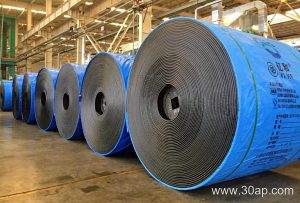
Most 650mm belts are fabric-cored. An EP conveyor belt uses polyester warp and nylon weft, while an NN conveyor belt uses nylon in both directions. Both are multi-ply fabric core constructions, typically with two to four plies at this width. Steel cord construction is less common at 650mm, since steel cord belts are usually reserved for long, high-tension routes where a wider belt and higher strength grade are also needed.
Cover compounds are selected for the duty. Abrasion resistant conveyor belt grades suit sand, gravel and crushed stone. Heat resistant conveyor belt compounds handle cement clinker and similar hot loads. Flame retardant conveyor belt and anti-static conveyor belt grades are used in coal mining conveyor belt and underground coal mining conveyor belt applications. Oil resistant and cold resistant grades cover specialized plant conditions.
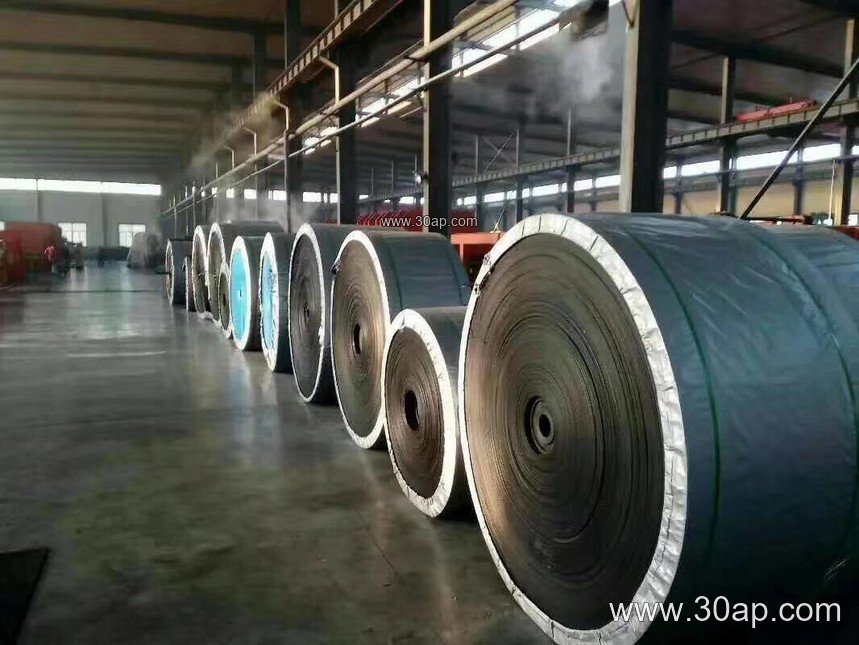
| Parameter | Typical Range for B650 Belts |
|---|---|
| Nominal width | 650 mm (B650) |
| Carcass type | EP, NN, PVC, PVG |
| Strength grade | EP200, EP315, EP400, EP500, EP630 |
| Number of plies | 2 to 4, by design |
| Top and bottom cover | 3+1.5, 4+2, 5+2 mm |
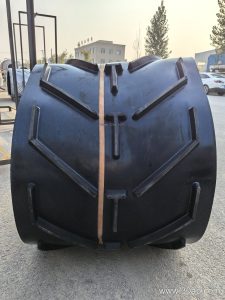
| Surface options | smooth, chevron, skirted, corrugated sidewall |
These figures are common reference values. Actual construction is confirmed by the manufacturer for each order.
Where 650mm Belts Fit in a Plant
In a quarry conveyor belt line, a 650mm belt often runs from a secondary crusher to a screen house, or carries screened aggregate to a stockpile. In a cement plant conveyor belt system it may feed additives or finished material at a moderate rate. Power plant conveyor belt routes use this width for limestone, ash and coal handling where the main line is wider. Sand making plant conveyor belt and stone crushing conveyor belt circuits also use it as a return or transfer belt.
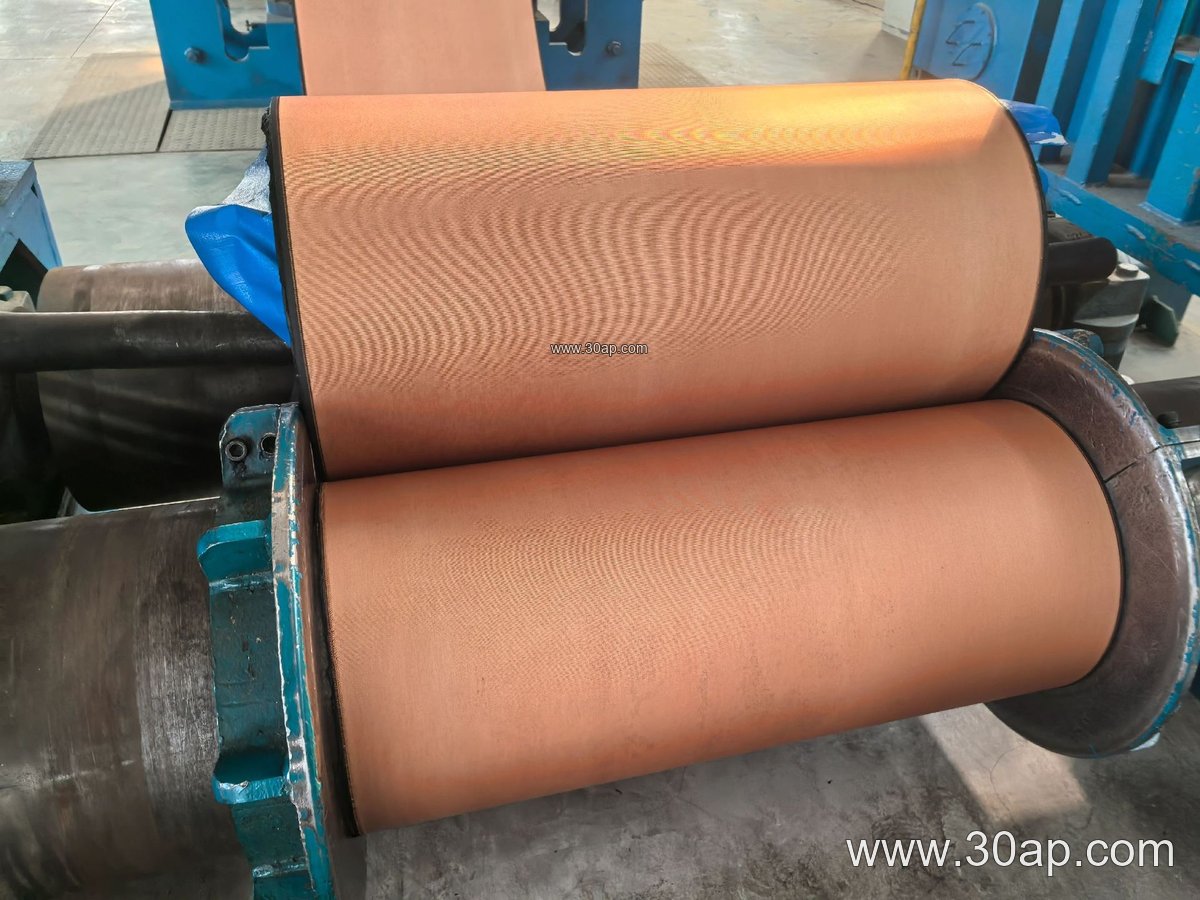
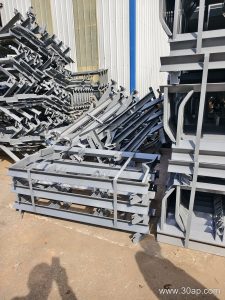
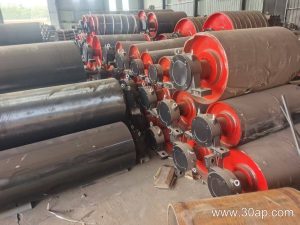
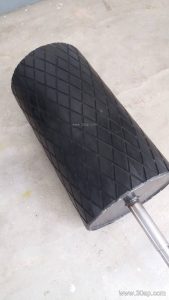
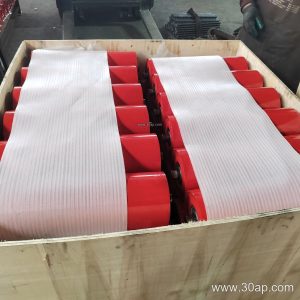
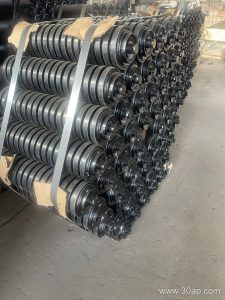
Because the belt is narrow, the supporting hardware is lighter too. Idler roller sets, conveyor pulley diameters and conveyor bracket frames are matched to the belt width and the calculated tension, not chosen from the width alone. A 650mm belt can run on a range of pulley diameters depending on load and carcass flexibility, so no single pulley size should be assumed.
Selection Points for Buyers
- Confirm the duty: tonnage per hour, lump size, material temperature and whether the load is abrasive or oily.
- Match the strength grade to the calculated tension. EP400 or EP500 is common on short-to-medium 650mm routes, while heavier grades are used where the belt is long or the incline is steep.
- Choose the surface form for the job. A chevron conveyor belt helps on inclines, while a corrugated sidewall belt or skirted conveyor belt contains material at transfer points.
- Check the cover thickness against impact and wear. A thicker top cover extends service life under sharp rock, but adds weight and stiffness.
- For underground work, specify flame retardant and anti-static properties, and consider PVG or PVC belting where fire safety rules apply.
Width alone does not fix shaft size, pulley diameter or idler spacing. Those come from the conveyor design, including belt speed, capacity and the tension the drive must deliver.
Installation and Maintenance Notes
Track alignment matters more on narrow belts, because a small misalignment is a larger share of the belt width. Check that the tail pulley, bend pulleys and troughing idlers are square to the frame, and keep the belt tension even across the width. Inspect splices for edge separation, especially on abrasion resistant conveyor belt used in crusher and quarry duty.
Store spare 650mm belting flat and out of direct sun, and record the strength grade and cover specification so replacement matches the original. For more belting, idler roller and conveyor pulley references, see the product pages at belt-conveyor.com. A well-specified 650mm belt, matched to its pulleys, idlers and brackets, gives reliable service in mining, quarry, cement and power plant conveying.