What an EP100 Conveyor Belt Is
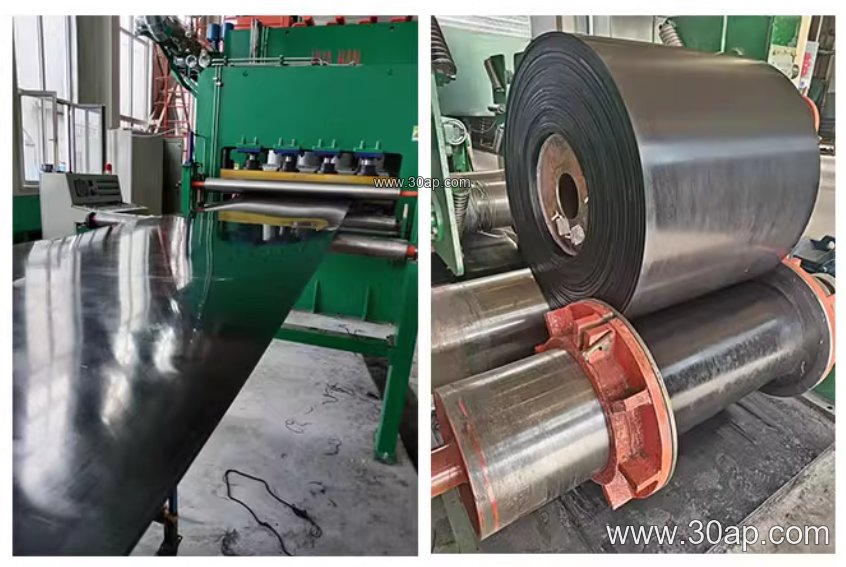
An EP100 Conveyor Belt is a fabric-core rubber belt built around polyester (E) and nylon (P) warp and weft yarns. The “100” refers to the nominal tensile strength of the carcass, commonly expressed as 100 N/mm per ply. In practice, buyers treat it as a light-to-medium duty belt for continuous bulk handling. It belongs to the wider family of EP Conveyor Belt products, and it is often ordered as an EP Rubber Conveyor Belt when both abrasion resistance and moderate strength are needed.
The same product is also correctly called an EP Fabric Core Conveyor Belt. That name emphasizes the carcass rather than the cover compound, and it helps distinguish the belt from a Steel Cord Conveyor Belt or an NN Conveyor Belt, which uses nylon-nylon fabric instead of polyester-nylon.
How the Belt Is Built
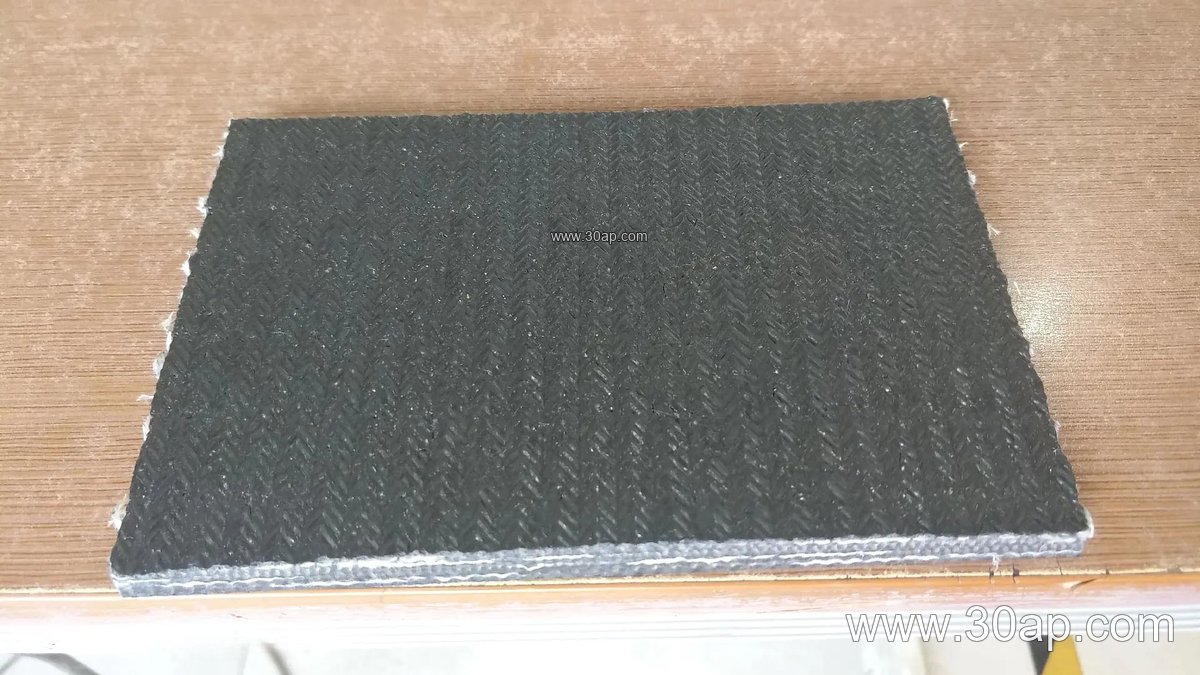
An EP100 belt usually combines two to four fabric plies with top and bottom rubber covers. The plies carry the tension, while the covers protect the carcass from abrasion, impact, moisture, and in some cases heat or oil. Cover thickness is written as top plus bottom, for example 4+2 mm or 5+2 mm. A typical construction includes:
- Polyester-nylon fabric plies for low elongation and good troughability
- Skim rubber between plies to prevent separation
- Top cover selected for the material being carried
- Bottom cover sized for pulley contact and wear
- Optional edge protection for wide belts
Because the carcass is fabric-based, an EP100 belt is more flexible than a steel cord belt of similar width. That flexibility helps it run on smaller pulleys and makes it easier to splice in the field. It also means the belt is sensitive to edge damage and ply separation if it is badly mistracked.
Where EP100 Belts Are Used
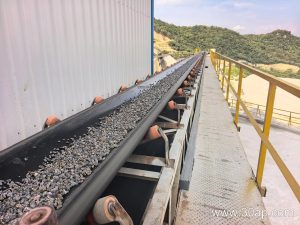
EP100 is common in cement plants, coal handling systems, power plants, sand and gravel operations, and general bulk material conveying. It suits medium-duty lines such as clinker transport, limestone feed, aggregate transfer, and ash handling. In a quarry or crusher circuit, an EP100 belt may feed a screen or move crushed rock between stages, while heavier primary lines often move up to EP200 or higher grades.
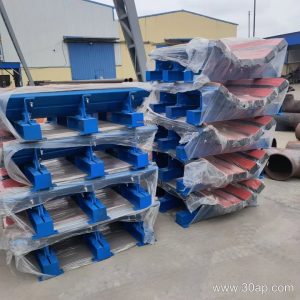
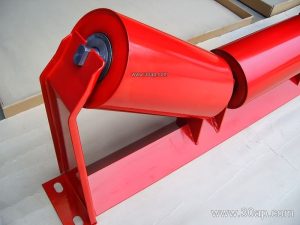
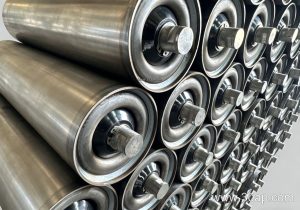
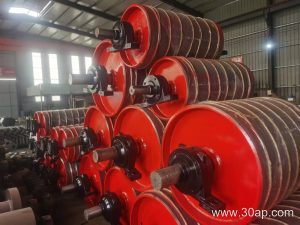
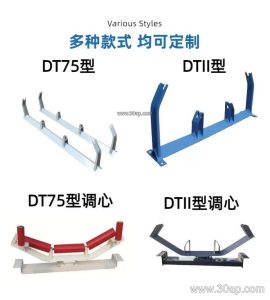
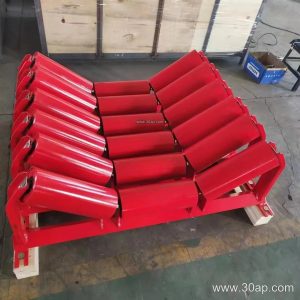
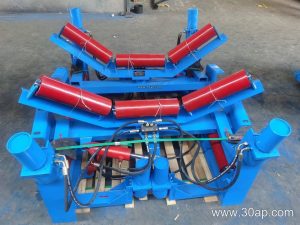
Abrasion Resistant Conveyor Belt grades are frequently specified for stone, ore, and cement duty. For dusty coal yards, a Flame Retardant Conveyor Belt or Fire Resistant Conveyor Belt version may be requested, and Anti-Static Conveyor Belt properties are often considered alongside flame resistance. Belt cleaners, idler rollers, conveyor pulleys, and conveyor brackets all interact with the belt, so the whole conveyor should be reviewed, not just the belt.
Common Reference Sizes
The table below shows reference data only. Actual constructions vary by manufacturer, and no single width or cover combination is mandatory for every conveyor.
| Parameter | Common reference values |
|---|---|
| Strength grade | EP100 (also EP200, EP315, EP400, EP500, EP630, EP800, EP1000) |
| Belt width | B500, B650, B800, B1000, B1200, B1400, B1600, B1800 |
| Cover thickness | 3+1.5 mm, 4+2 mm, 5+2 mm, 6+2 mm, 8+3 mm |
| Ply count | Usually 2 to 6 plies |
| Surface options | Plain, Chevron Conveyor Belt, Skirted Conveyor Belt, Corrugated Sidewall Conveyor Belt |
For example, an EP100 belt at B800 with 4+2 mm covers may suit a medium-duty aggregate line, while a B1200 belt with thicker covers may be chosen for a cement plant transfer point. The belt width should be matched to the material size, capacity, and pulley face width, not to a fixed rule that ties one width to one pulley diameter.
Selection and Maintenance Notes
Check the material type, lump size, temperature, moisture, and oil content before choosing covers. A Heat Resistant Conveyor Belt grade is needed for hot clinker or sinter, while an Oil Resistant Conveyor Belt is appropriate for oily scrap or certain recycled materials. Cold Resistant Conveyor Belt compounds help in freezing yards, and an Abrasion Resistant Conveyor Belt grade is a practical default for sharp rock and ore.
During operation, watch for mistracking, edge wear, and cover gouging. Keep idler rollers turning freely, inspect conveyor pulleys for build-up, and confirm that conveyor brackets are secure. A well-aligned conveyor with good loading conditions will let an EP100 belt reach its expected service life. For more belt, roller, and pulley guidance, visit conveyor-accessories.com and review the conveyor belt and idler roller sections before specifying a replacement.