What a Q355 Conveyor Bracket Does on the Line
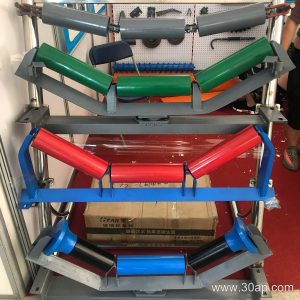
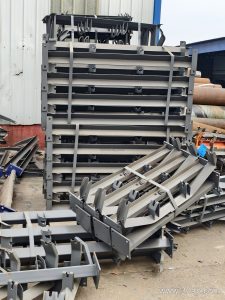
A Q355 Conveyor Bracket is the steel support that holds idler rollers at the correct position under or above the belt. In a troughing station it holds the three-roll arrangement that shapes the belt into a trough; at the return side it carries the return rollers or a V-return set. The bracket ties the roller frame to the conveyor stringer and keeps spacing, angle, and alignment stable as material moves. Because the frame is made from Q355 structural steel, it offers a higher yield strength than common Q235 grades, which matters on wide, heavily loaded lines in a quarry, iron ore yard, or power plant coal handling system.
How the Frame Is Built
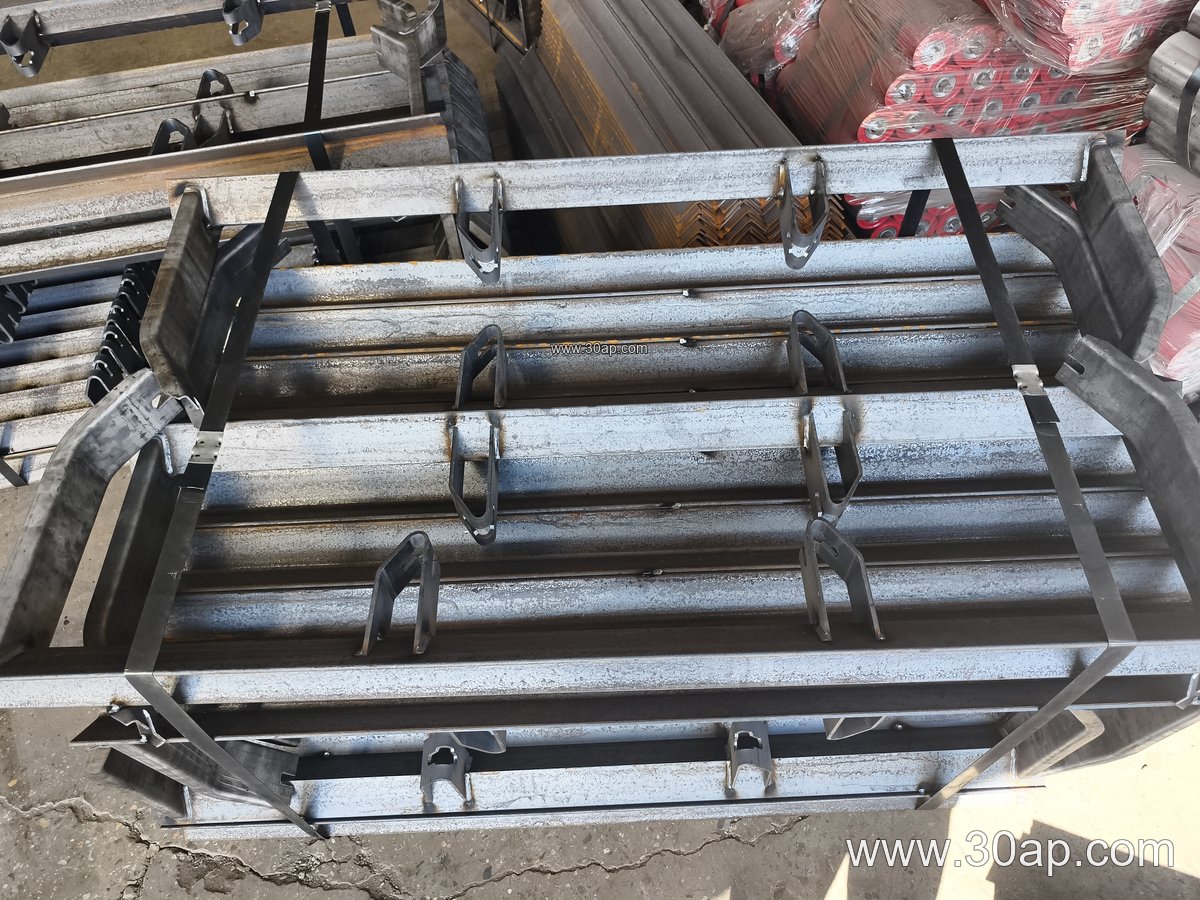
Most brackets are fabricated from angle steel, channel steel, or bent steel plate, then drilled for roller shafts and bolted to the conveyor structure. The main forms include:
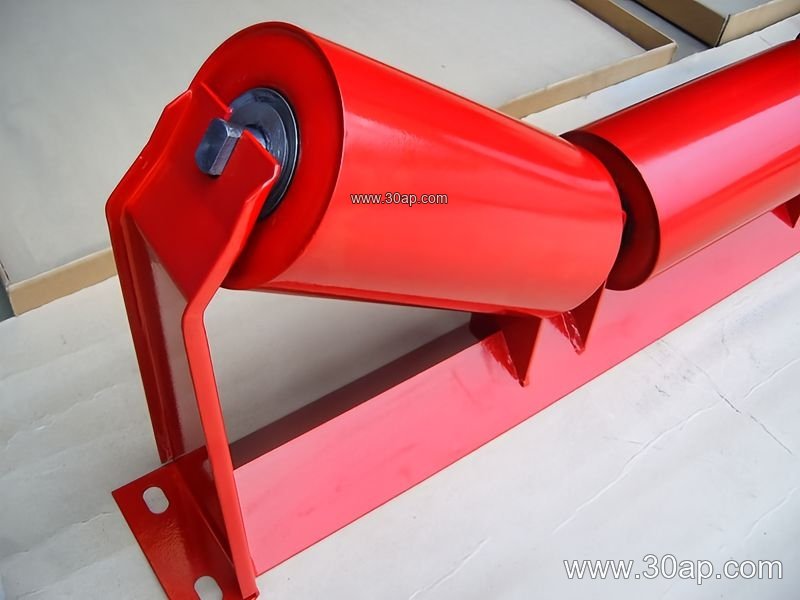
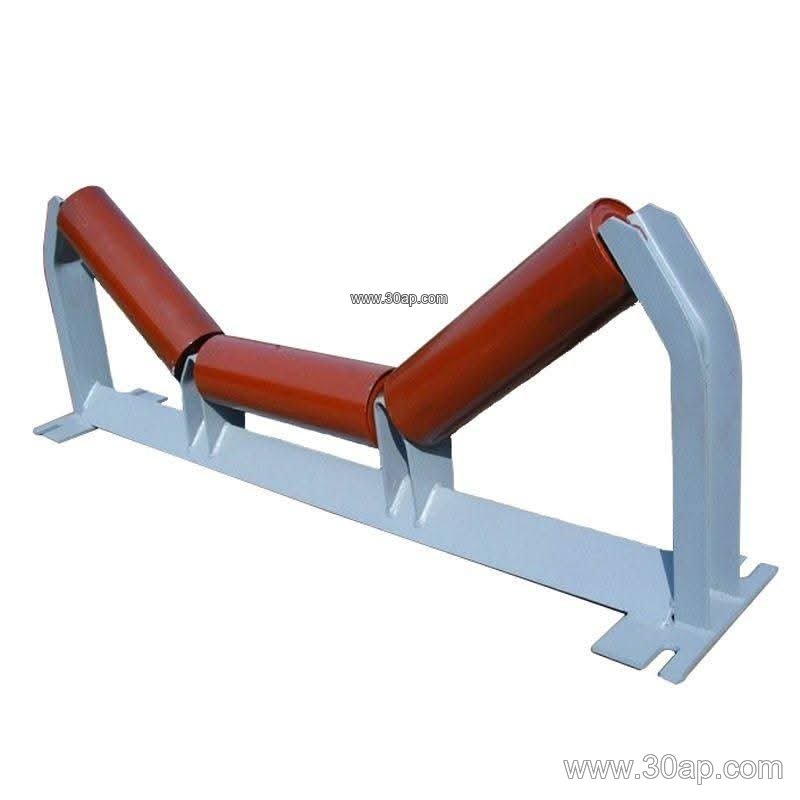
- Troughing brackets for the carrying side, fixed or adjustable
- Transition brackets near the head and tail areas
- Return brackets, flat or V-shaped
- Impact brackets under loading points
- Self-aligning and forward-tilted brackets
- Suspended brackets for special frame layouts
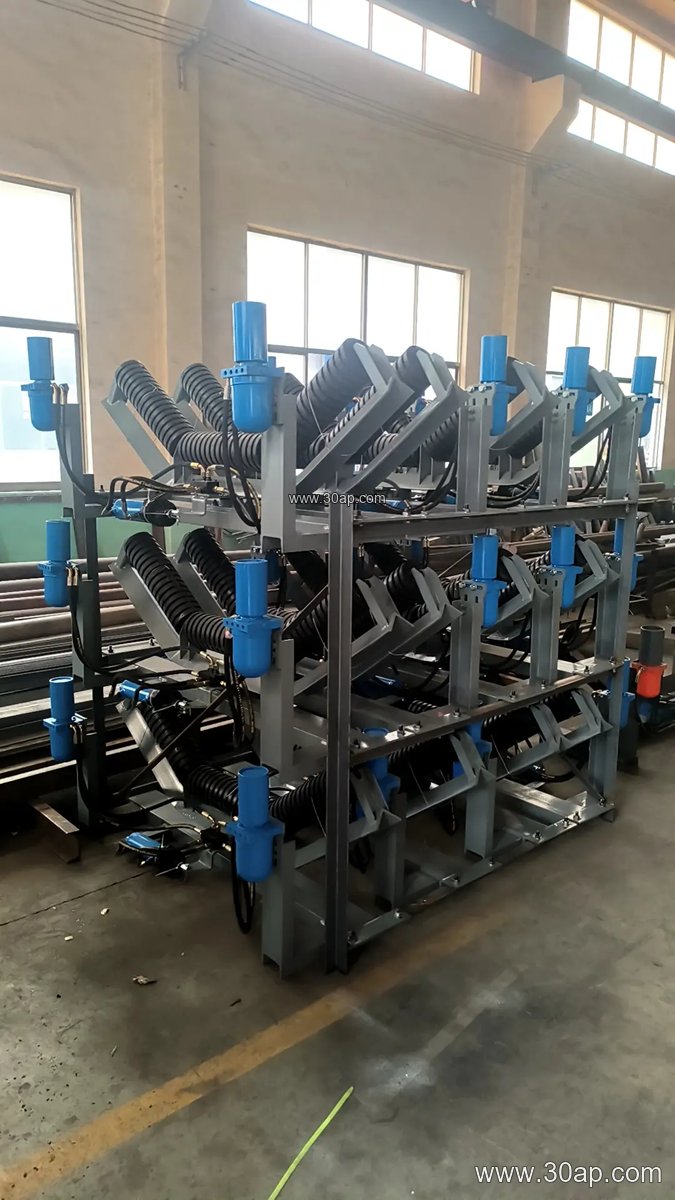
Adjustable brackets allow the trough angle to be set between common values such as 20, 30, 35, and 45 degrees. A forward tilt of about 1.5 to 2 degrees is sometimes built in to help belt tracking. Fabrication quality shows in weld finish, hole alignment, and consistent paint or galvanized coating, so check these before installation.
Matching Bracket, Belt, and Roller
Bracket selection follows belt width, roller diameter, and trough angle together. Common belt widths run from B500 and B650 up through B800, B1000, B1200, B1400, B1600, and wider frames such as B1800 to B2200. Roller diameters are usually Ø89, Ø108, Ø133, Ø159, or Ø194, chosen by load and belt speed. A few typical combinations are shown below as reference only, not as fixed rules.
| Belt Width | Trough Angle | Roller Diameter | Typical Use |
|---|---|---|---|
| B650 | 30 degrees | Ø89 | Small aggregate or sand line |
| B800 | 35 degrees | Ø108 | General quarry and cement plant duty |
| B1200 | 45 degrees | Ø133 | High-capacity ore or coal transport |
| B1400 | 35 degrees | Ø159 | Heavy bulk material handling |
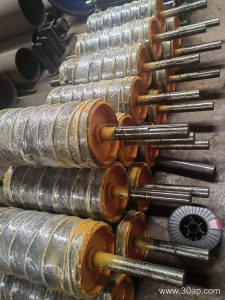
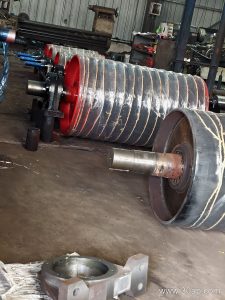
Installation hole spacing and crossbeam length change with belt width and trough angle, so they are set by design rather than by a single number. One belt width can work with more than one roller diameter or trough angle; the right choice depends on load, belt stiffness, and the space available. A conveyor pulley at the drive or tail end does a different job from a bracket, and the two should not be treated as interchangeable parts.
Where These Brackets Are Used
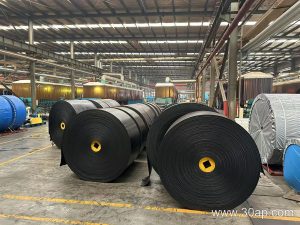
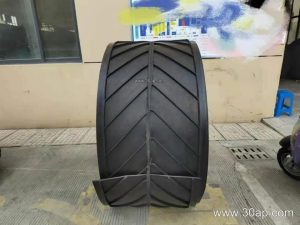
In a limestone mine or stone crushing plant, troughing brackets support the belt through dusty, abrasive duty, often paired with an abrasion resistant conveyor belt. In a coal preparation plant or underground mining conveyor, flame retardant and anti-static belt grades are common, and brackets must hold alignment through long runs. Cement plants and power plant coal yards use wide frames with Ø133 or Ø159 rollers, while a port ship loading conveyor may need heavy-duty brackets and a steel cord conveyor belt for high tension. The same frame style also appears in fertilizer plants and grain silos where a fabric core conveyor belt carries lighter loads.
Buyer Checklist
- Confirm belt width, trough angle, and roller diameter before ordering.
- Ask whether the bracket is fixed or adjustable and how the angle is locked.
- Check material grade, plate thickness, and coating for the site environment.
- Verify hole spacing and crossbeam length against the existing stringer.
- Match bracket load rating to the roller set and expected material weight.
- For replacement work, compare mounting dimensions with the old frame.
A well-chosen Q355 conveyor bracket keeps idler roller spacing even, reduces belt wander, and extends roller life. Buyers who confirm dimensions and duty early avoid costly rework later. For related frame and roller options, see the conveyor bracket range at www.xinrunda.com and matching conveyor pulley details at www.xinrunda.com.