What a Heavy-Duty Conveyor Pulley Does
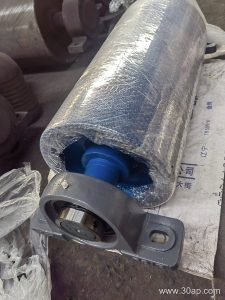
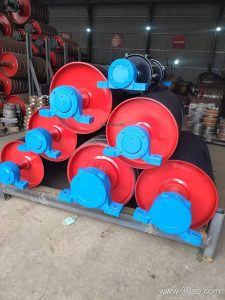
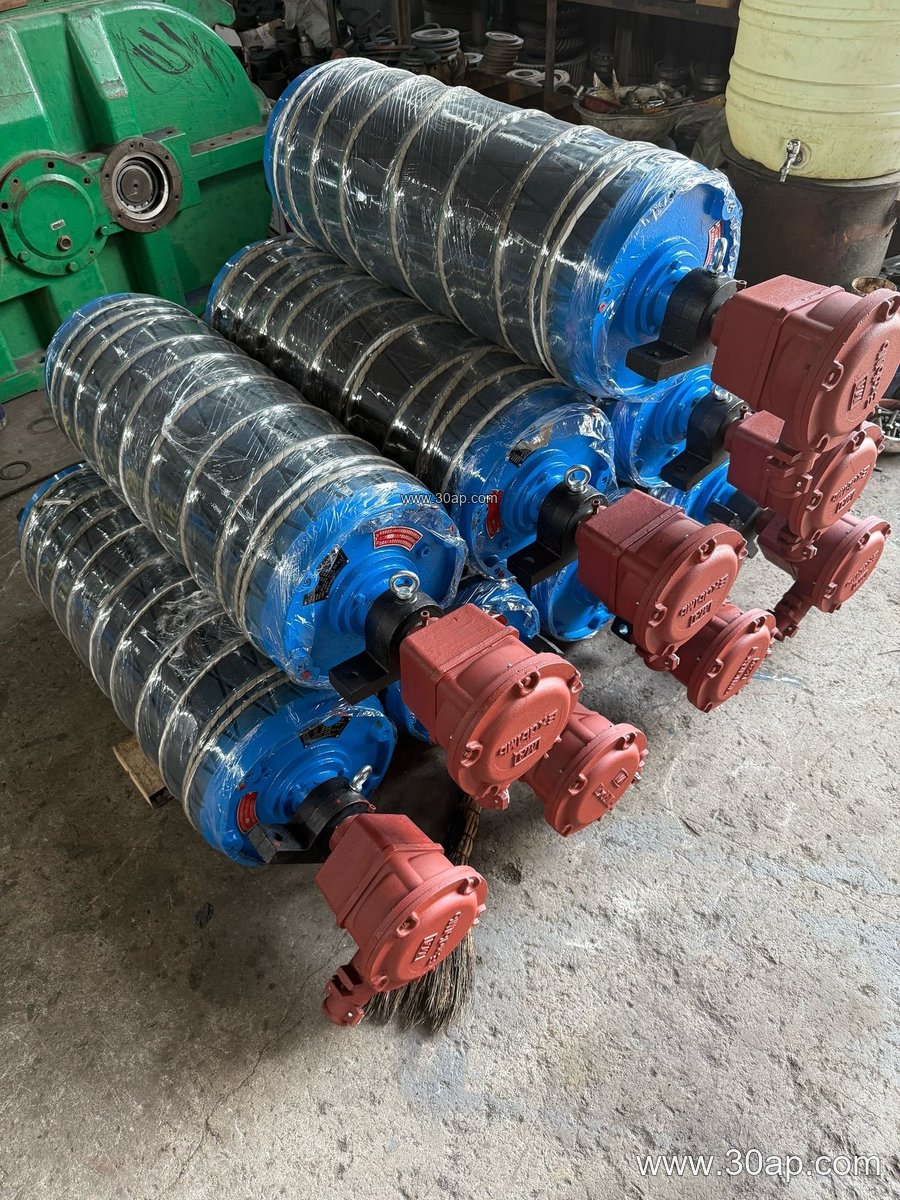
A heavy-duty conveyor pulley is the robust, large-format drum that drives or redirects a conveyor belt in tough bulk handling operations. Unlike lighter pulleys, this conveyor pulley is engineered with thicker shells, reinforced shafts, and heavier bearings to withstand high tension, abrasive materials, and continuous duty. It is the core rotating component that transfers power to the belt and maintains proper belt tracking.
In a typical conveyor system, the heavy-duty conveyor pulley works in tandem with the conveyor belt, idler rollers, and conveyor brackets. Its primary role is to transmit torque from the drive unit to the belt, or to change the belt’s direction at the tail or bend points. Because it handles the highest loads in the conveyor, its construction and surface treatment directly affect system reliability and uptime.
Construction and Key Features
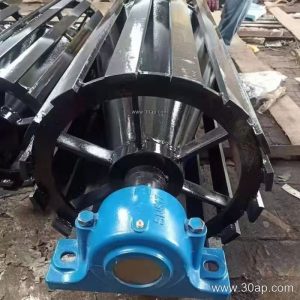
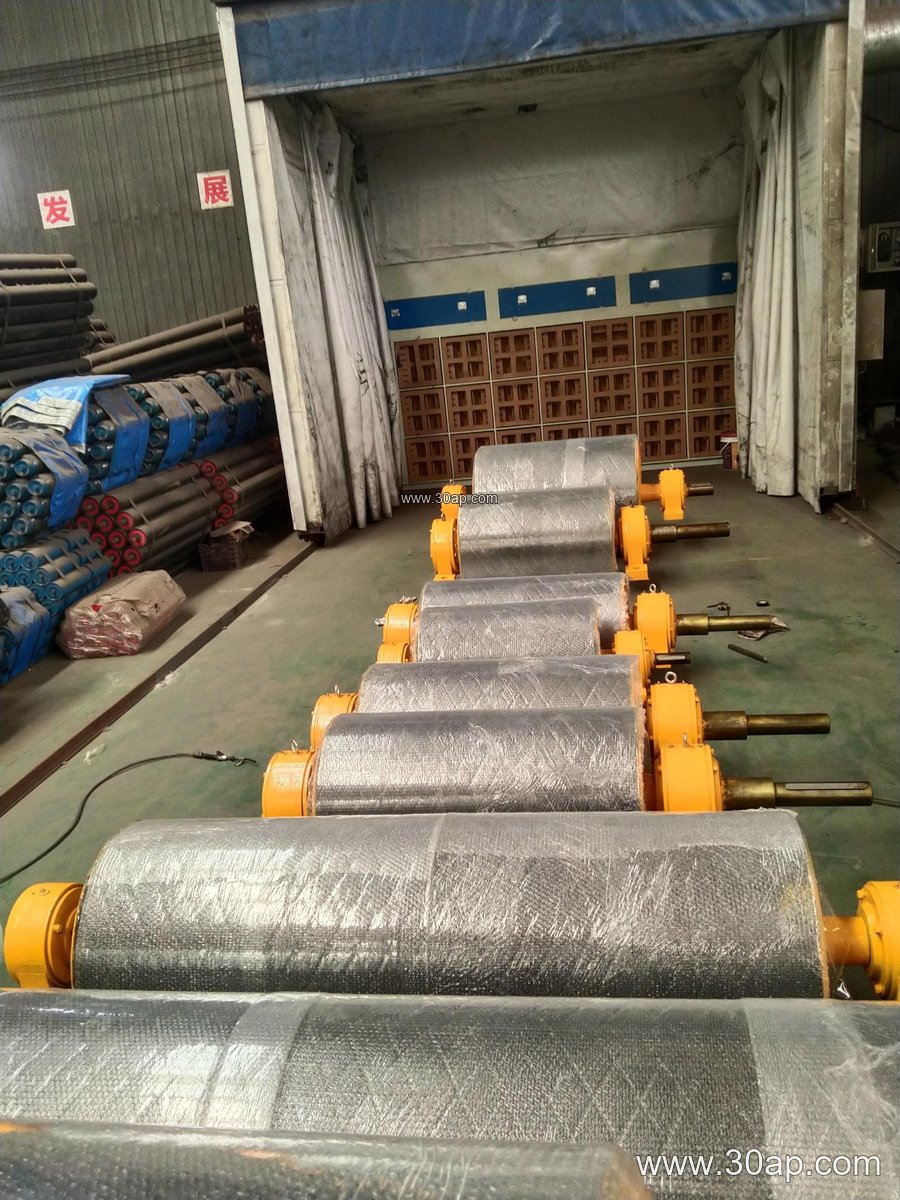
Heavy-duty conveyor pulleys are built around a sturdy cylindrical shell, usually made from rolled steel or seamless tube. The shell is welded to end discs and hubs, which are machined to accept a robust shaft. Shaft diameters commonly range from Ø50 to Ø200 mm, but the exact size is determined by torque and load calculations, not by belt width alone. Bearings are selected for high radial and axial loads, often with tapered roller or spherical roller designs.
The pulley surface can be plain, or it can be covered with rubber, ceramic, or other materials to improve grip and reduce slip. Common lagging thicknesses are 8, 10, 12, 15, and 20 mm, applied by vulcanization or cold bonding. Surface patterns include diamond, herringbone, and plain rubber, each suited to different belt types and environmental conditions.
Typical Applications in Heavy Industry
You will find heavy-duty conveyor pulleys in quarries, limestone mines, iron ore operations, coal washing plants, cement plants, power plant coal handling, port bulk terminals, and steel sinter plants. They are also used in aggregate crushing and screening lines, tunnel muck removal, and fertilizer handling. In these settings, the pulley must cope with sharp rock, wet or dusty conditions, and continuous operation.
For example, a primary crusher discharge conveyor might use a heavy-duty drive pulley with diamond rubber lagging to maintain grip on a thick abrasion-resistant conveyor belt. In a coal washing plant, a flame-retardant conveyor belt may run over a heavy-duty tail pulley with plain surface to avoid material buildup. The pulley works alongside conveyor idler rollers and sturdy conveyor brackets to keep the belt aligned and supported.
Sizing and Configuration Notes
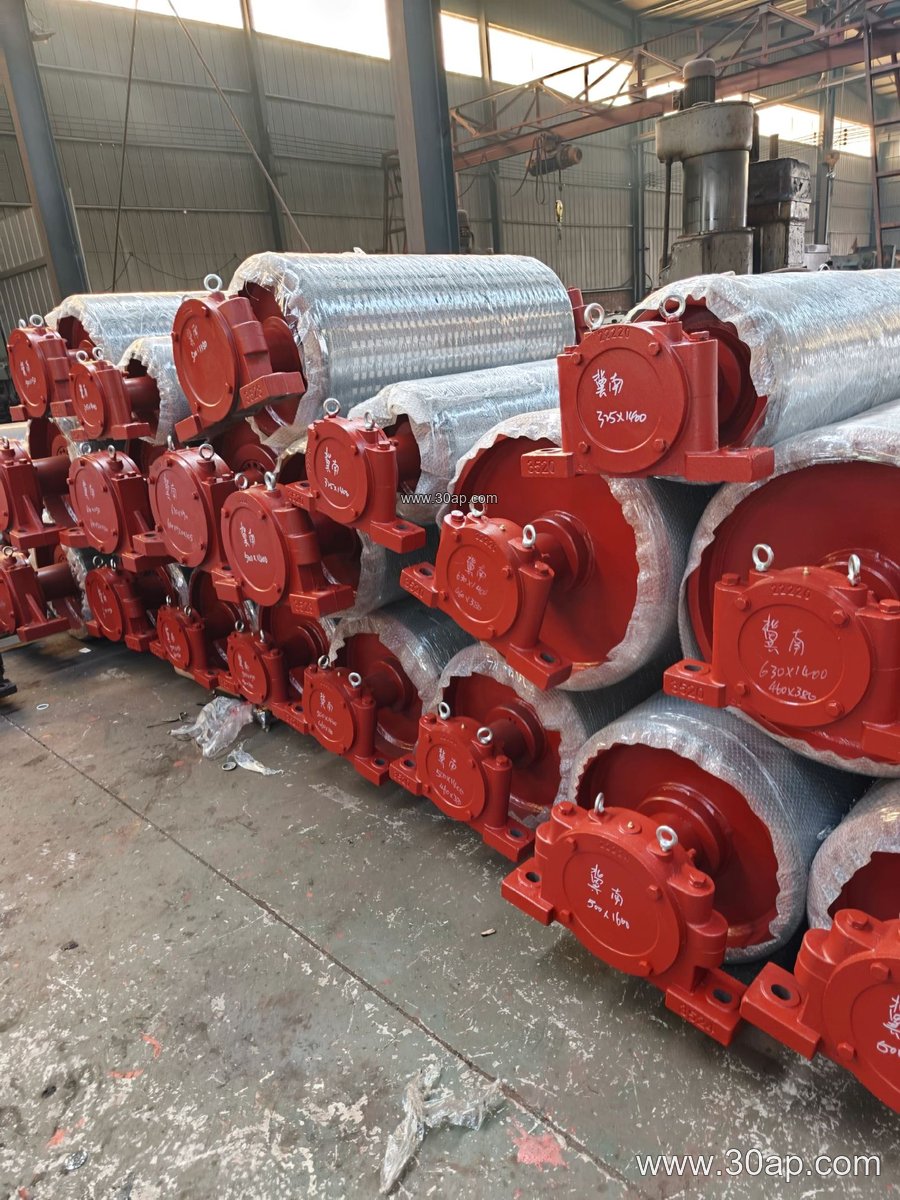
Heavy-duty conveyor pulleys are available in a range of face widths to match belt widths. The table below shows typical combinations, but these are reference examples, not fixed rules. A B1200 belt, for instance, may use a pulley with a face width around 1400 mm, but the diameter is chosen based on torque, belt speed, and wrap angle.
| Belt Width (mm) | Typical Pulley Face Width (mm) | Common Diameter Range (mm) |
|---|---|---|
| B800 | 950 | Ø500 – Ø800 |
| B1000 | 1150 | Ø630 – Ø1000 |
| B1200 | 1400 | Ø800 – Ø1250 |
| B1400 | 1600 | Ø1000 – Ø1400 |
| B1600 | 1800 | Ø1250 – Ø1600 |
Shaft diameter is not directly tied to belt width; it must be calculated from the actual torque and bending loads. For heavy-duty mining conveyor belts, larger shafts and bearings are often required. The pulley type also matters: drive pulleys, tail pulleys, and bend pulleys are not interchangeable. A drive pulley transmits power, a tail pulley redirects the belt at the loading point, and a bend pulley changes direction without driving. Each has specific design features.
Buyer Checklist for Heavy-Duty Conveyor Pulleys
- Confirm the belt width and the required pulley face width, allowing for belt tracking and material clearance.
- Determine the operating tension and torque to specify shaft diameter and bearing size. Do not guess shaft size from belt width alone.
- Choose the lagging type and thickness based on grip requirements and environmental conditions. For oily or wet areas, consider oil-resistant or abrasion-resistant rubber lagging.
- Match the pulley to the conveyor belt type: for example, a steel cord conveyor belt may need a larger diameter pulley to reduce bending stress, while a fabric core conveyor belt may allow a smaller diameter.
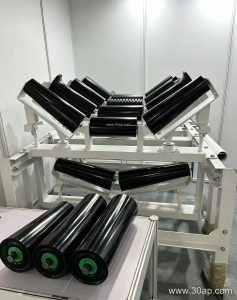
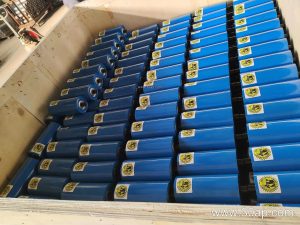
- Check compatibility with conveyor idler rollers and brackets to ensure proper belt support and alignment.
- For underground coal mining, specify flame-retardant and anti-static properties for both belt and pulley lagging where required.
Regular inspection of lagging wear, bearing condition, and shaft alignment helps prevent unplanned downtime. A well-specified heavy-duty conveyor pulley, matched to the belt and the load, is a long-term investment in conveyor reliability.