What a High-Strength Pulley Is
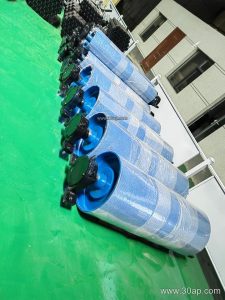
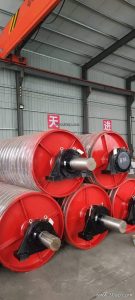
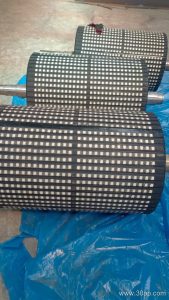
A high-strength pulley is a heavy-duty conveyor pulley built to handle high tension, impact, and continuous operation in demanding bulk material handling. Often referred to as a heavy-duty conveyor pulley, it serves as the driving, tail, or bend component that guides and supports the conveyor belt. Unlike standard pulleys, these are engineered with thicker shells, reinforced hubs, and robust shafts to withstand the stresses of mining, quarrying, and cement production.
Construction and Key Features
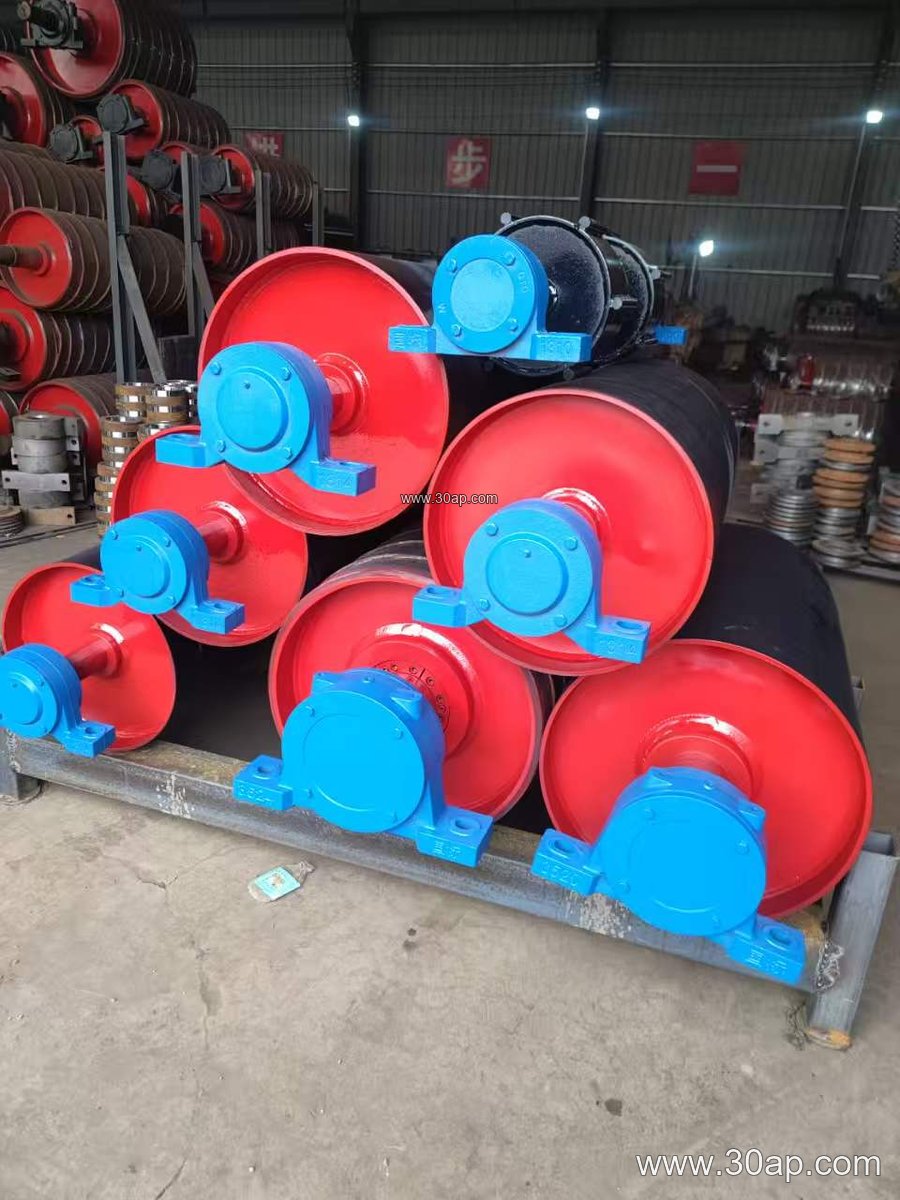
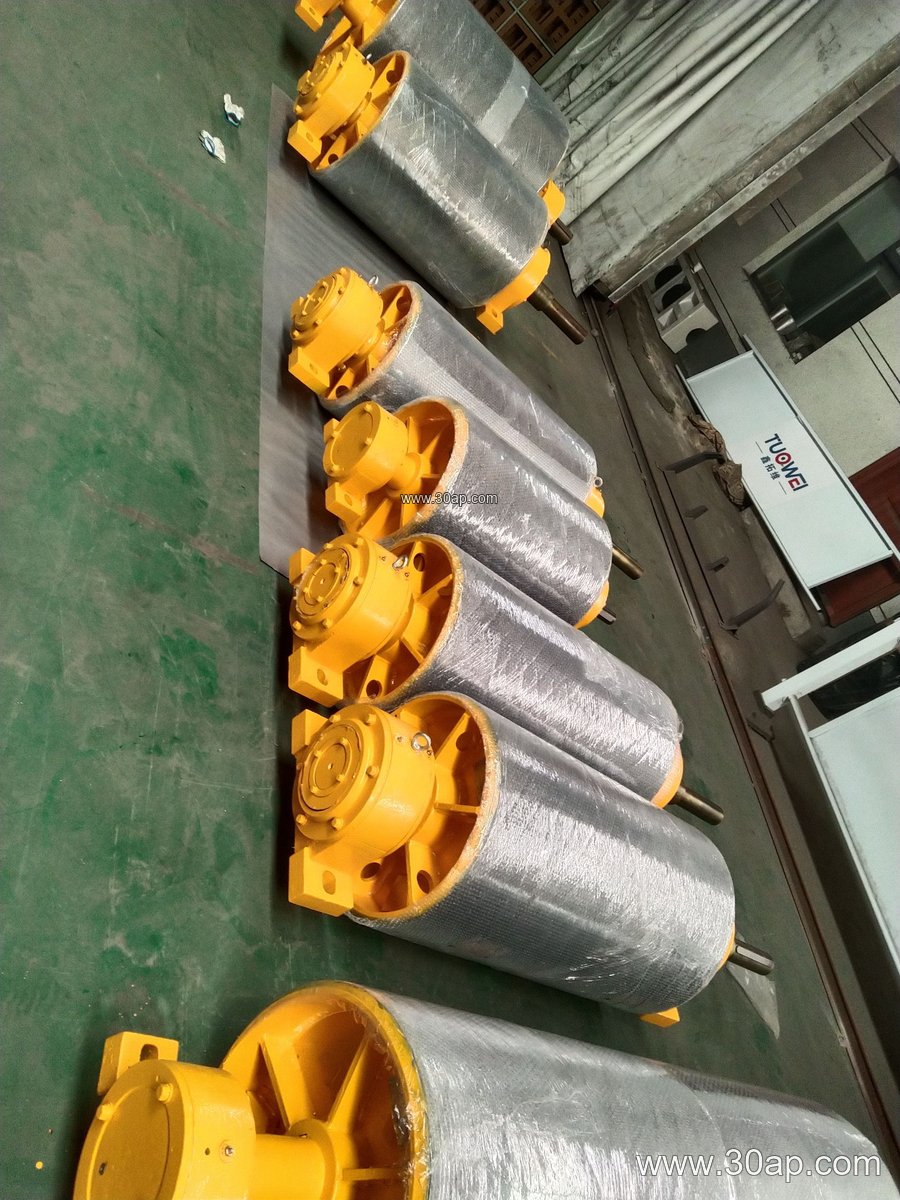
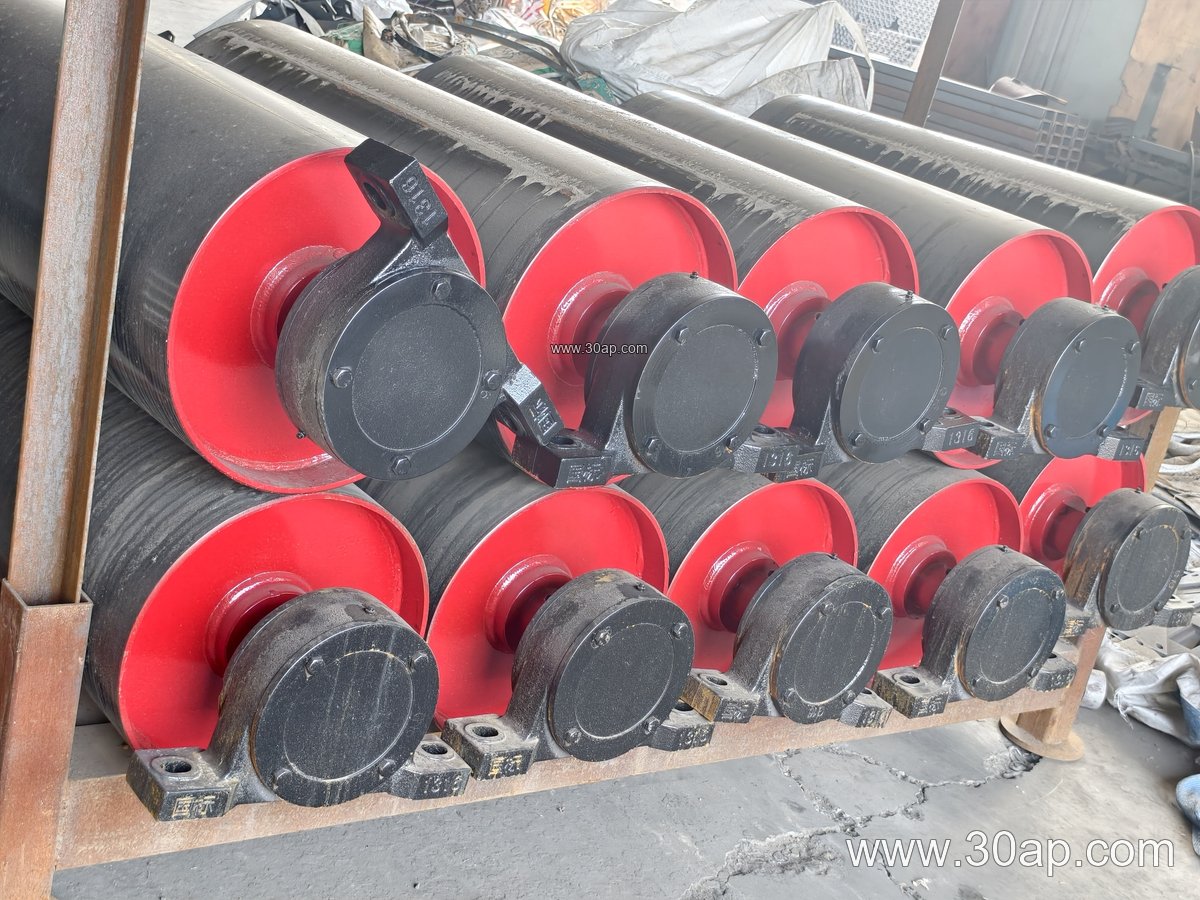
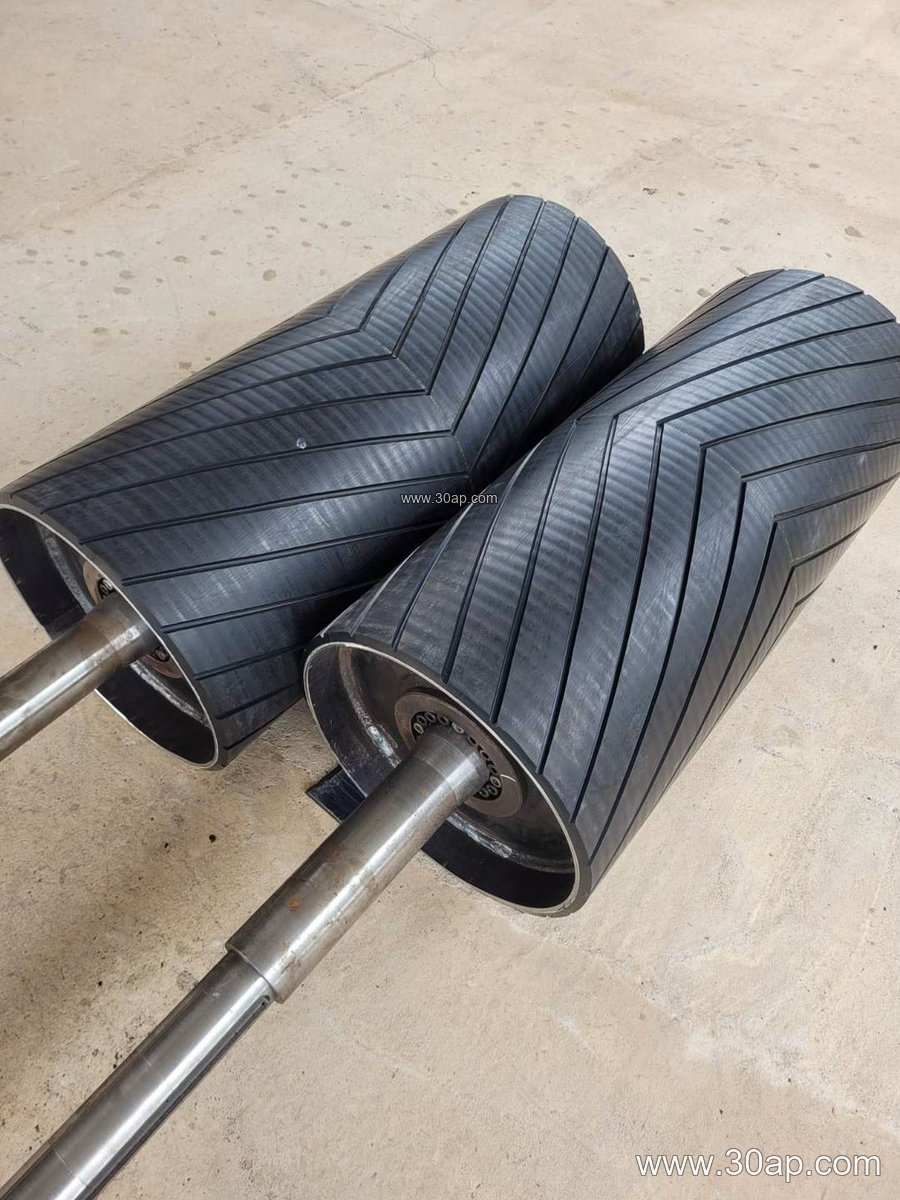
The high-strength pulley typically features a welded steel shell, a solid or hollow shaft, and durable bearings housed in sturdy pillow blocks. Surface options include plain, rubber lagged, or ceramic lagged to improve grip and reduce belt slip. Common lagging thicknesses are 8, 10, 12, 15, and 20 mm, selected based on the application. Shaft diameters often range from Ø50 to Ø200 mm, determined by torque and load requirements rather than belt width alone. The pulley face width usually exceeds the belt width to ensure proper belt tracking; for example, a B1200 belt may use a pulley face of about 1400 mm.
Where It Is Used
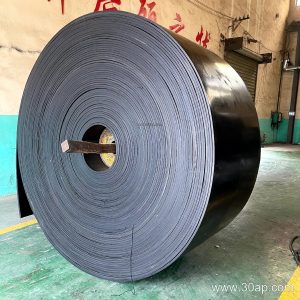
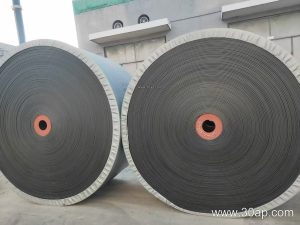
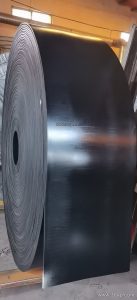
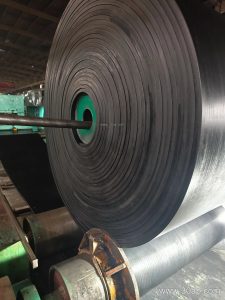
High-strength pulleys are essential in industries such as mining, coal preparation, cement plants, power stations, and port bulk terminals. They are commonly found in drive, tail, and bend positions on conveyor systems handling abrasive materials like iron ore, limestone, clinker, and coal. In a quarry or aggregate line, a high-strength pulley paired with an abrasion resistant conveyor belt ensures reliable performance under constant load. Similarly, in a coal mining operation, a flame retardant conveyor belt works with these pulleys to maintain safety and efficiency.
Selection and Sizing Considerations
When selecting a high-strength pulley, buyers should consider belt width, operating tension, shaft load, and environmental conditions. The pulley diameter is not fixed by belt width; for instance, a B800 conveyor might use a Ø500 pulley, while a B1400 system could require a Ø800 or larger pulley depending on the drive power and belt speed. The table below lists common reference combinations, but final sizing must be confirmed by engineering calculations.
| Belt Width (mm) | Typical Pulley Face Width (mm) | Common Diameter Range (mm) |
|---|---|---|
| B400 | 500 | Ø200–Ø315 |
| B650 | 750 | Ø250–Ø400 |
| B800 | 950 | Ø315–Ø500 |
| B1000 | 1150 | Ø400–Ø630 |
| B1200 | 1400 | Ø500–Ø800 |
| B1400 | 1600 | Ø630–Ø1000 |
| B1600 | 1800 | Ø800–Ø1250 |
These values are indicative and should be adapted to the specific conveyor design. Shaft diameter is determined by the torque and radial loads, not by belt width alone.
Maintenance and Longevity
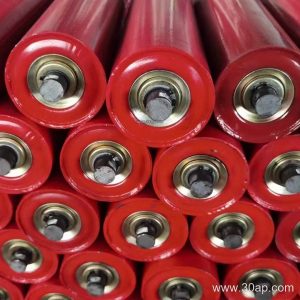
Regular inspection of the high-strength pulley is critical for minimizing downtime. Check lagging wear, bearing condition, and shaft alignment. In dusty environments like cement plants or coal handling facilities, proper sealing and lubrication extend service life. Pairing the pulley with quality conveyor idler rollers and conveyor brackets ensures smooth operation and reduces vibration.
Buyer Checklist
- Verify the pulley type needed: drive, tail, or bend – these are not interchangeable.
- Confirm belt width and pulley face width to avoid misalignment.
- Specify lagging type and thickness based on grip and wear requirements.
- Provide operating tension and shaft load data for correct shaft sizing.
- Consider environmental factors: heat, oil, or fire resistance may require specific belt and pulley combinations.
For more information on compatible conveyor components, visit our website at www.example.com/high-strength-pulley. A well-chosen high-strength pulley, combined with appropriate conveyor belts such as EP conveyor belt or steel cord conveyor belt, contributes to a reliable and efficient conveyor system.