What a Rock Conveyor Belt Is Built to Do
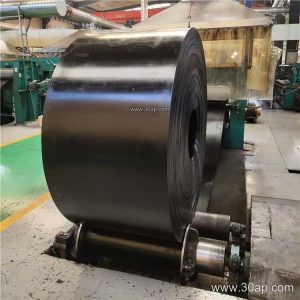
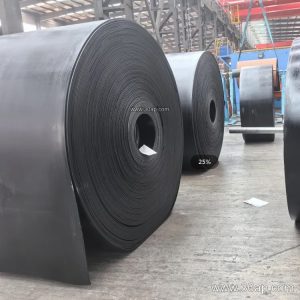
A rock conveyor belt is the load-carrying surface of a bulk handling line that moves crushed stone, gravel, ore and other abrasive material between a crusher, screen, stockpile or load-out point. Because the cargo is sharp, heavy and often delivered in irregular lumps, the belt must combine tensile strength in the carcass with a cover compound that can absorb cutting and gouging. The same product is often described as an aggregate conveyor belt or a quarry conveyor belt, and in metal mining it may simply be called an ore conveyor belt.
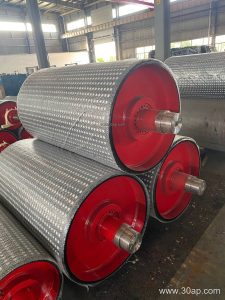
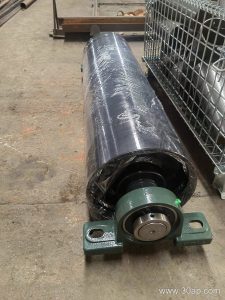
The working environment shapes the design more than the material name does. A primary crusher discharge may drop rock from a height, so impact resistance matters at the loading point. A long overland run through a mine may need high tensile strength to keep the number of splices low. A cement plant or power plant handling coal and clinker may need flame retardant or heat resistant grades. The belt, the idler roller frames and the conveyor pulley all work as one system, so a belt chosen in isolation can underperform.
Construction and Common Belt Types
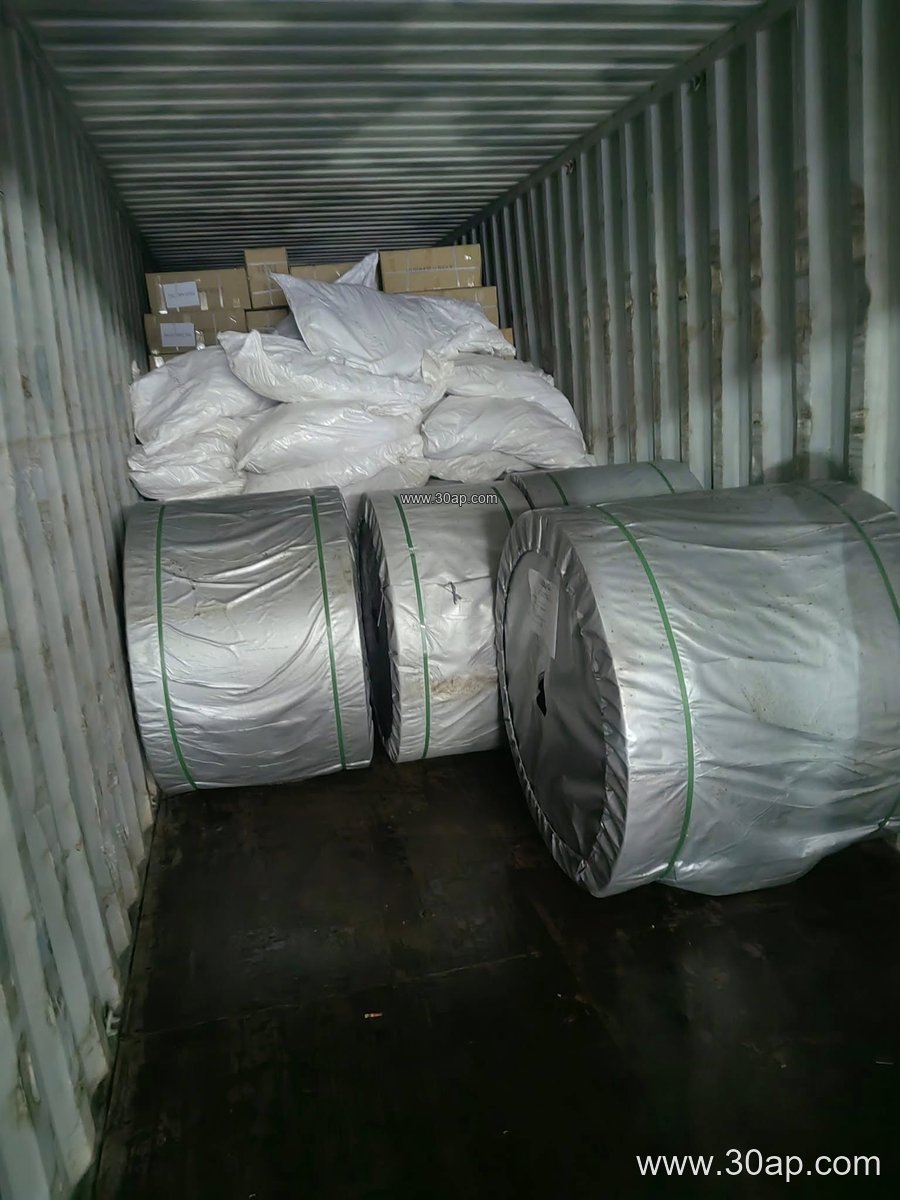
Most rock belts use a fabric or steel carcass with rubber covers on both faces. Fabric constructions include EP conveyor belt (polyester warp, nylon weft) and NN conveyor belt (nylon warp and weft). Steel cord conveyor belt is chosen when the route is long and tension is high. Each family has a range of strength grades, and the cover thickness is selected for the wear profile rather than for appearance.
| Construction | Typical strength grades | Where it fits |
|---|---|---|
| EP fabric core | EP200, EP400, EP630, EP800, EP1000, EP1250 | Quarry and aggregate lines, medium to long conveyors |
| NN fabric core | NN100, NN200, NN300, NN400 | General bulk material handling with good flexibility |
| Steel cord | ST1000, ST1600, ST2000, ST2500 | Long overland and high-tension mining routes |
| PVC / PVG | PVG800, PVG800S | Underground coal mining where flame resistance is required |
Cover compounds are matched to the duty. An abrasion resistant conveyor belt is the normal baseline for crushed rock. A heat resistant conveyor belt suits clinker, sinter or hot ash, while an oil resistant conveyor belt is used where lubricants or oily feedstock are present. Cold resistant, anti-static and flame retardant grades are available for specific site conditions.
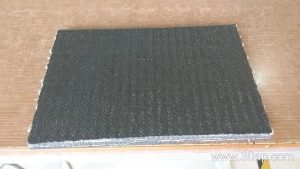
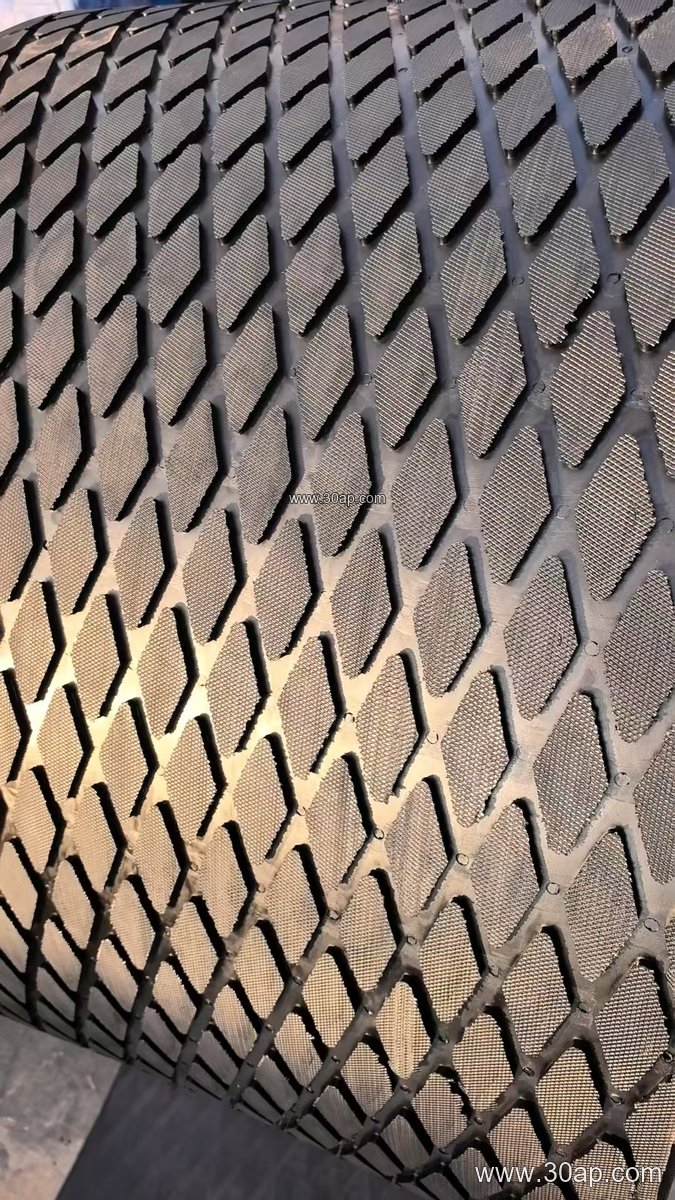
Profile and edge designs solve material containment problems. A chevron conveyor belt uses raised ribs to hold material on an incline. A corrugated sidewall belt with cleats allows steep angles that a smooth belt cannot manage. A skirted belt keeps fines from spilling at transfer points, and a pipe conveyor belt encloses the load for dust control and route flexibility. An endless conveyor belt, spliced at the factory, reduces joint risk on critical circuits.
Widths, Covers and Practical Sizing
Belt width is set by the required throughput, the lump size and the idler trough angle. Common widths include B500, B650, B800, B1000, B1200, B1400, B1600, B1800 and B2000, and wide conveyor belt versions above that range are made to order. A 1200mm wide conveyor belt is a frequent choice for primary crushed rock, while a 1800mm wide belt may appear on high-capacity port or stockyard lines.
| Item | Common reference values |
|---|---|
| Cover gauge (top + bottom) | 3+1.5, 4+2, 5+2, 6+2, 8+3 mm |
| Fabric plies | 2 to 6 layers, depending on strength grade |
| Example designation | EP1000 1200mm, EP1250 1800mm, EP conveyor belt 10mm thick |
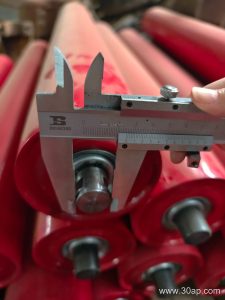
These figures are reference data, not a fixed rule. A wider belt does not dictate one pulley diameter, and shaft size follows the conveyor design rather than the belt width alone. The drive pulley, tail pulley and bend pulleys each have their own duty, and they should not be treated as interchangeable parts. Belt thickness, troughability and minimum pulley diameter should be checked together by the conveyor designer.
Applications Across Heavy Industry
Rock belts appear in many sectors. In a sand and gravel pit, a crusher conveyor belt carries blasted material from the hopper to the primary jaw. In an iron ore or copper ore operation, the same duty may run day and night, so a heavy-duty mining conveyor belt with thicker covers is common. Underground coal mining relies on PVG and flame retardant constructions, while a cement plant moves limestone, clinker and additives on separate circuits. Power plants, steel plants, ports and ship loading terminals all use similar belts at different scales.
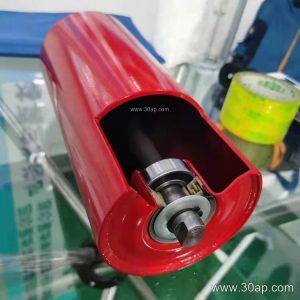
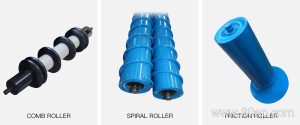
Ancillary components deserve equal attention. The idler roller supports the belt and controls sag, the conveyor pulley transmits drive and redirects the path, and the conveyor bracket ties the frame together. Poor alignment at these points shortens belt life faster than the cover compound wears out.
What a Buyer Should Check Before Ordering
- Material type, maximum lump size and drop height at the loading point.
- Required strength grade and whether fabric or steel cord construction is appropriate.
- Cover compound and gauge for abrasion, heat, oil or flame exposure.
- Belt width, trough angle and transition distance to the first pulley.
- Splice method, since a vulcanized joint behaves differently from a mechanical one.
- Site conditions such as dust, moisture, temperature and available maintenance access.
Request the manufacturer’s datasheet for the exact grade, confirm cover thickness and carcass details in writing, and keep spare belt, idler roller and pulley parts consistent with the original specification. A rock conveyor belt performs best when the whole conveyor, not just the belt, is designed for the duty.