What a Lagged Pulley Does on a Conveyor
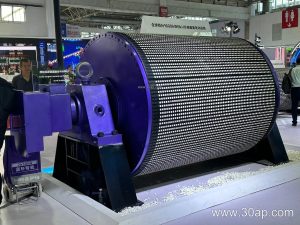
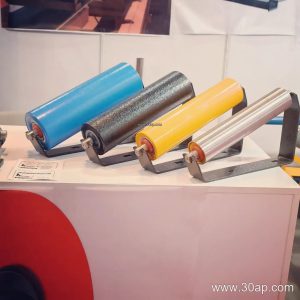
A conveyor belt lagged pulley is a standard conveyor pulley whose shell is covered with a rubber or ceramic layer to improve grip and protect the belt. This cover, called lagging, raises friction between the pulley face and the belt, which is critical wherever the pulley must transmit torque without slipping. In a typical bulk handling line, the drive pulley pulls the belt, while tail and bend pulleys guide it; the lagged version is most often found at the drive position, but tail pulleys may also be lagged when extra traction or protection is needed. Unlike an idler roller, which supports the belt along its carrying run, a lagged pulley is a powered or tensioning component that directly influences belt tracking and load capacity.
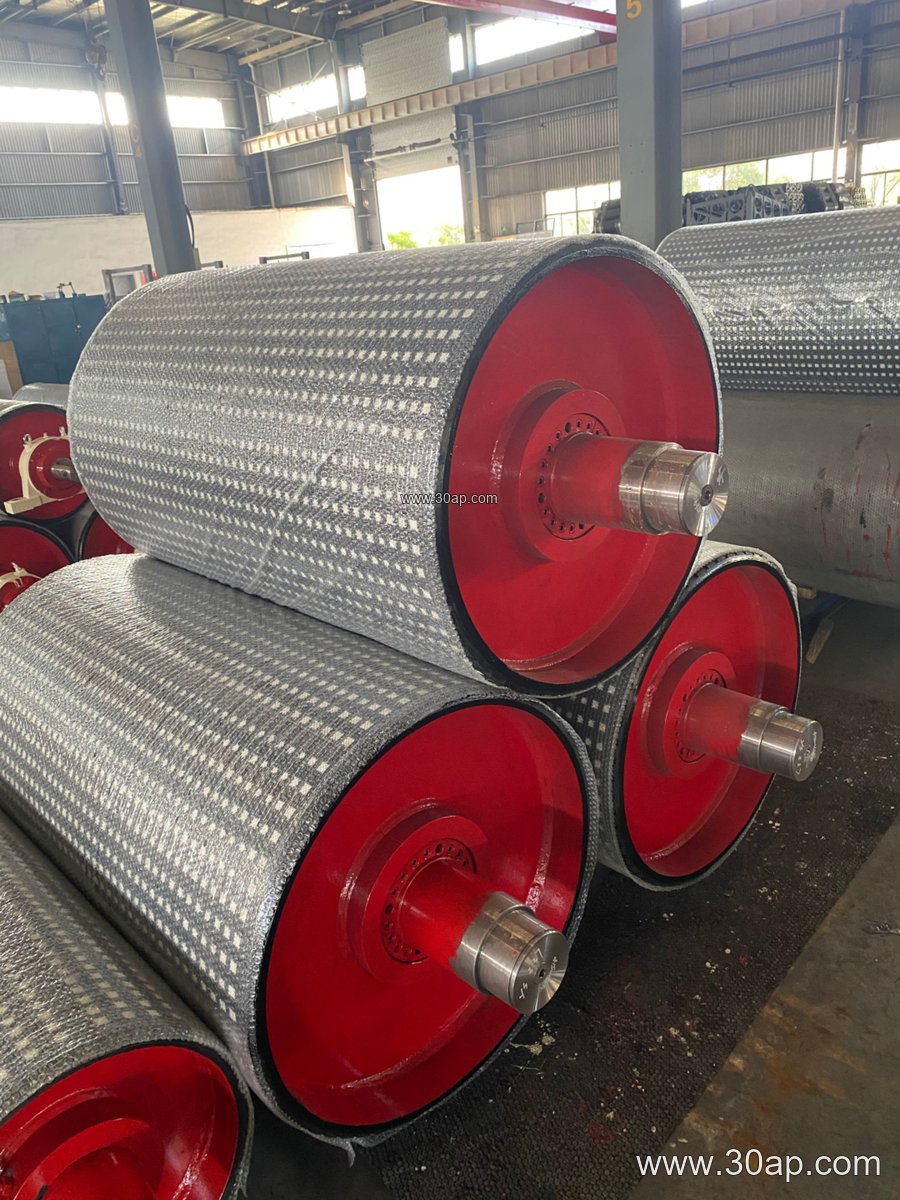
Construction and Surface Options
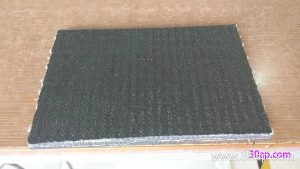
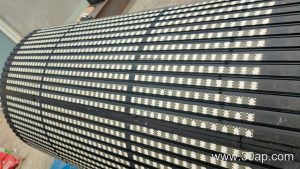
The base is a steel shell with welded end discs and a shaft, machined for balance and concentricity. Lagging is applied in several ways. Cold-bonded rubber is common for general service, while hot-vulcanized rubber offers a stronger bond for high-torque drives. Diamond grooving and herringbone patterns help shed water and fines, reducing slip in wet or dirty conditions. Ceramic lagging uses embedded tiles for extremely abrasive service, such as a quarry conveyor belt handling sharp rock. Plain rubber lagging remains a cost-effective choice for clean, dry applications. Thickness typically ranges from 8 mm to 20 mm depending on duty; a heavy-duty mining conveyor belt may call for 15 mm or 20 mm to resist wear and impact.
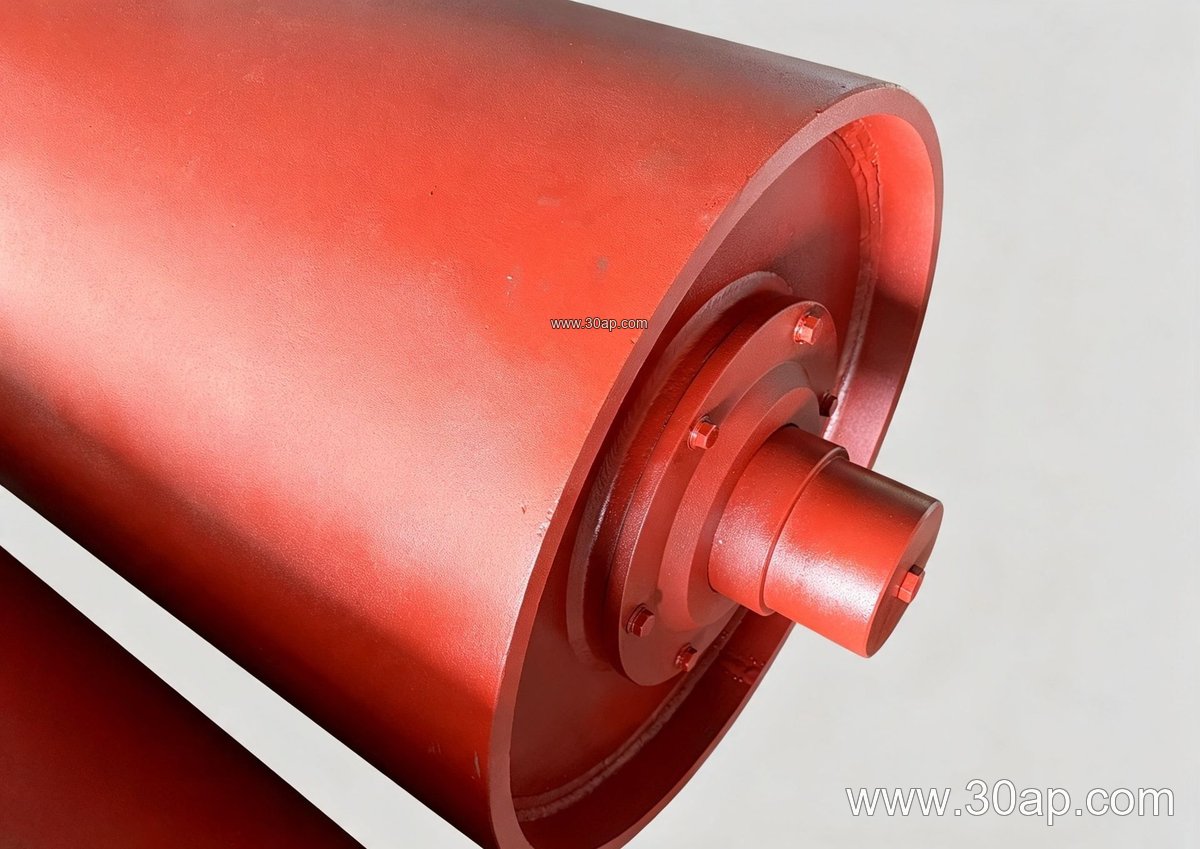
Where It Fits in the System
Drive pulleys are the primary candidates for lagging because they must transfer power to a fully loaded belt. In a coal mining conveyor belt system, lagging helps maintain traction even when the belt surface is damp. Tail pulleys may be lagged to protect the belt from debris and to improve tracking at the loading point. Bend and take-up pulleys rarely need lagging, but a light rubber cover can extend shell life in dusty environments. The choice depends on belt tension, wrap angle, and the material being carried. For a fabric core conveyor belt running at moderate tension, standard rubber lagging is usually sufficient; for a steel cord conveyor belt under high tension, ceramic or grooved rubber may be needed to prevent slip without over-tensioning.
Sizing and Compatibility
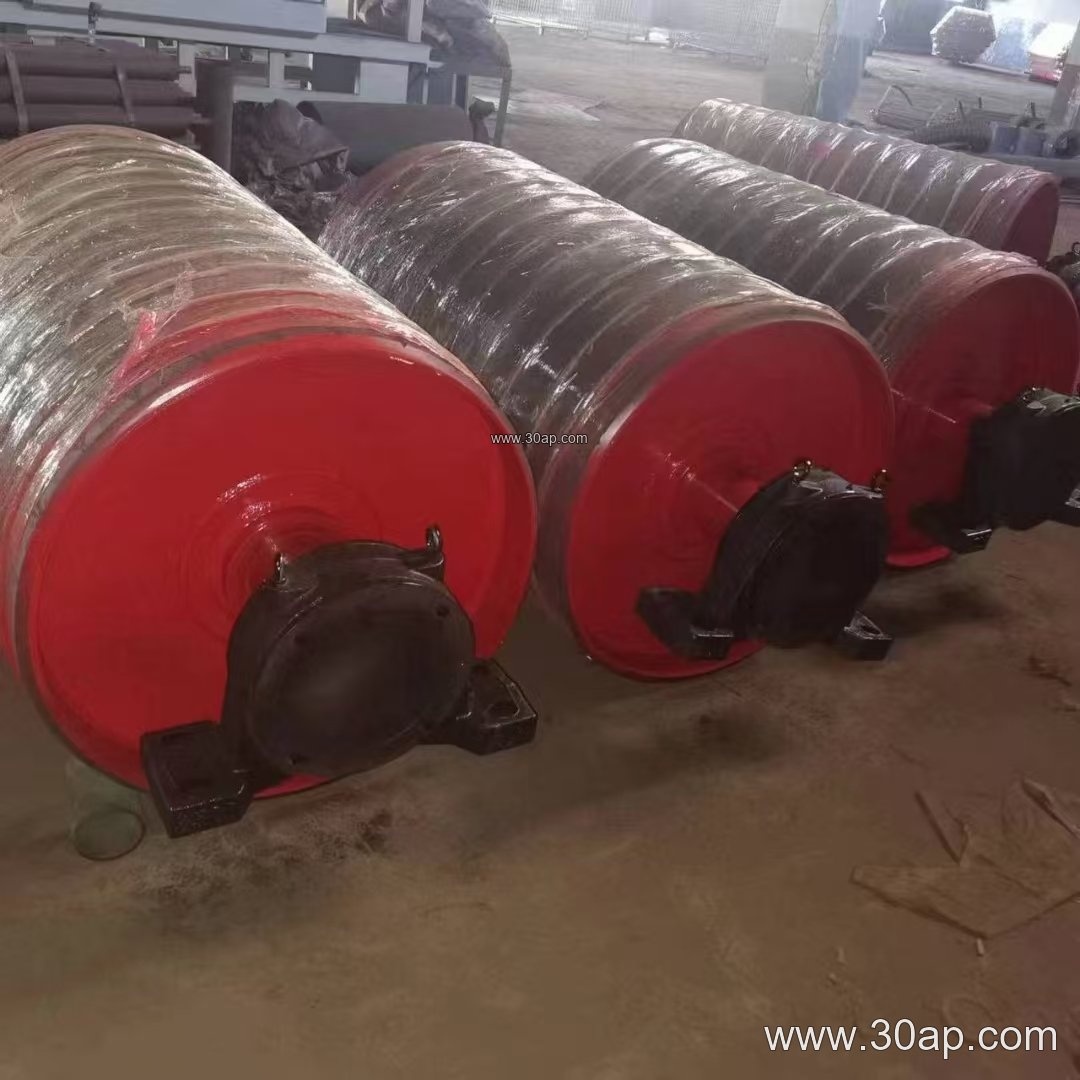
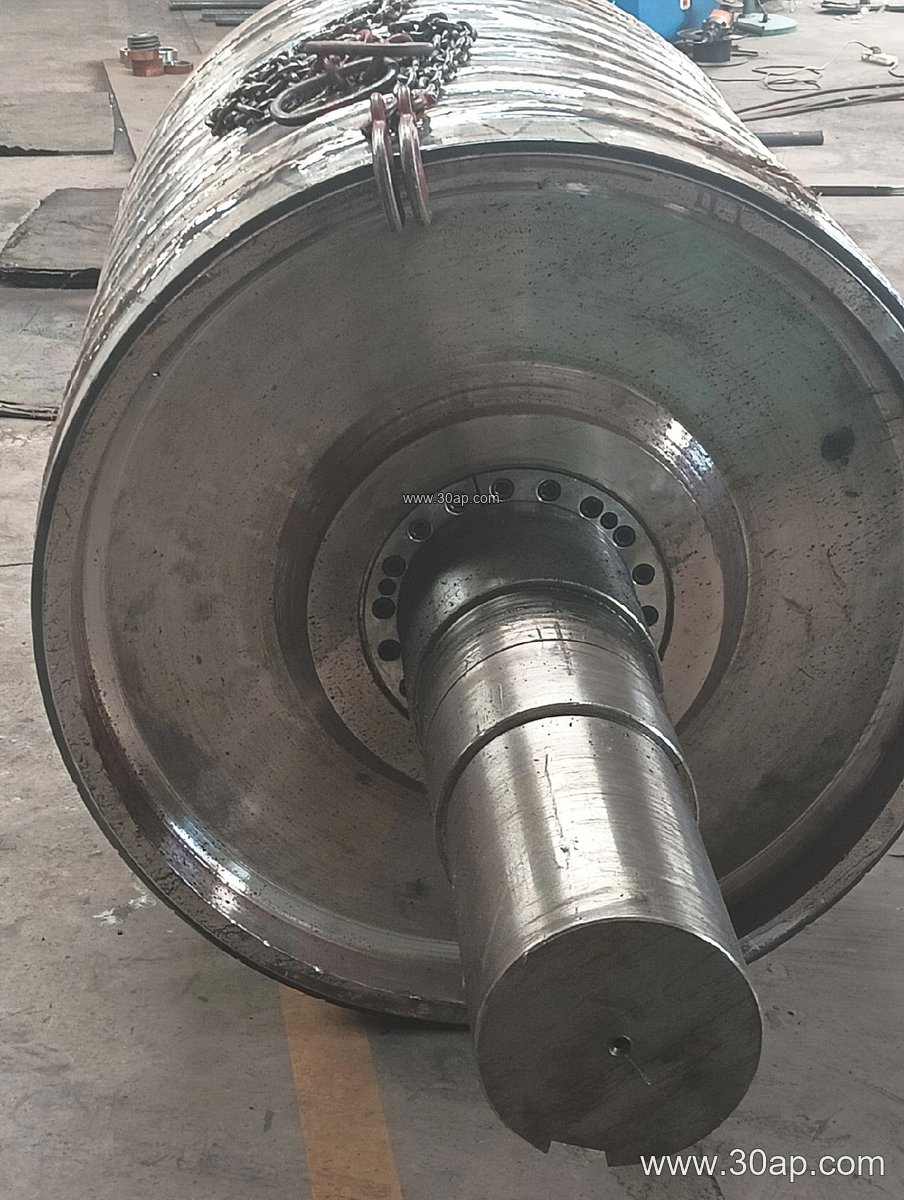
Pulley diameter and face width are selected together with the belt width, but no single belt width dictates one pulley diameter. Common combinations include B800 × Ø500, B1200 × Ø1000, and B1400 × Ø800, yet the final choice depends on belt type, speed, and required wrap angle. Face width is normally slightly wider than the belt; for example, a B650 belt often runs on a pulley with about 750 mm face width, and a B1000 belt on roughly 1150 mm. Shaft diameter is determined by torque and load, not by belt width alone. A Ø100 shaft may suit one drive and be inadequate for another with the same belt width. Always confirm the pulley drawing against the conveyor bracket dimensions and shaft keyway.
Buyer Checklist
- Confirm the pulley position: drive, tail, bend, or take-up. Lagging requirements differ.
- Specify lagging material and pattern based on environment: wet, oily, abrasive, or clean.
- Check belt type compatibility. An abrasion resistant conveyor belt may tolerate a harder lagging, while a heat resistant conveyor belt needs a cover that will not degrade.
- Verify face width, diameter, and shaft size against the conveyor structure and bracket mounting.
- Ask for dynamic balance and runout tolerances, especially for high-speed drives.
Maintenance Notes
Inspect lagging for wear, glazing, or missing ceramic tiles during scheduled shutdowns. Worn lagging reduces traction and can lead to belt slip, which increases heat and wear on both pulley and belt. Keep the pulley face clean; material buildup can cause tracking problems. When replacing lagging, match the original thickness and pattern unless the duty has changed. For a port conveyor belt handling bulk cargo, a diamond pattern may shed water better than a plain surface, but the decision should follow the actual operating conditions rather than a fixed rule.
Related components such as the conveyor pulley, idler roller, and conveyor bracket should be reviewed together, since misalignment at any point affects the whole system. A lagged pulley is not a substitute for proper belt tension or correct pulley alignment, but it is a practical way to improve grip and extend service life in demanding industries from cement plants to power plant coal handling.