What the ST1000 Conveyor Belt Is
The ST1000 Conveyor Belt belongs to the steel cord family of heavy-duty belts, where the tensile strength is rated at 1000 N/mm. Instead of fabric plies, the carcass is built around a single layer of high-carbon steel cords running lengthwise through the rubber. That construction lets the belt carry very high tensions over long distances with minimal stretch, which is why it appears in main haulage lines rather than short transfer points.
Because it is a steel cord product, it is often specified alongside other strength classes such as ST1250, ST1600, ST2000, ST2500 and ST3150 when a system has several duty levels. Buyers should treat the number as a strength index, not a fixed size, since cord diameter, pitch and cover thickness are all set by the belt designer.
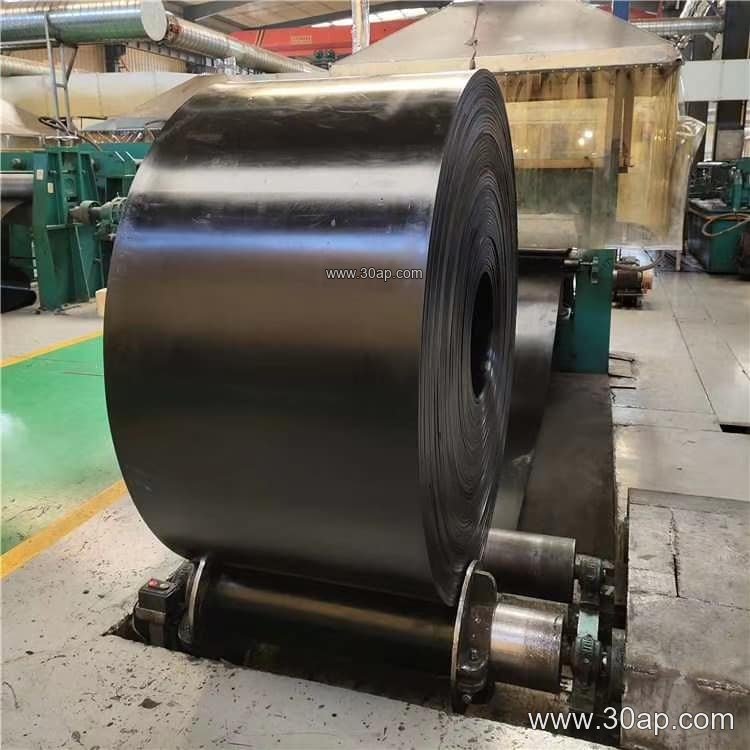
How the Belt Is Built
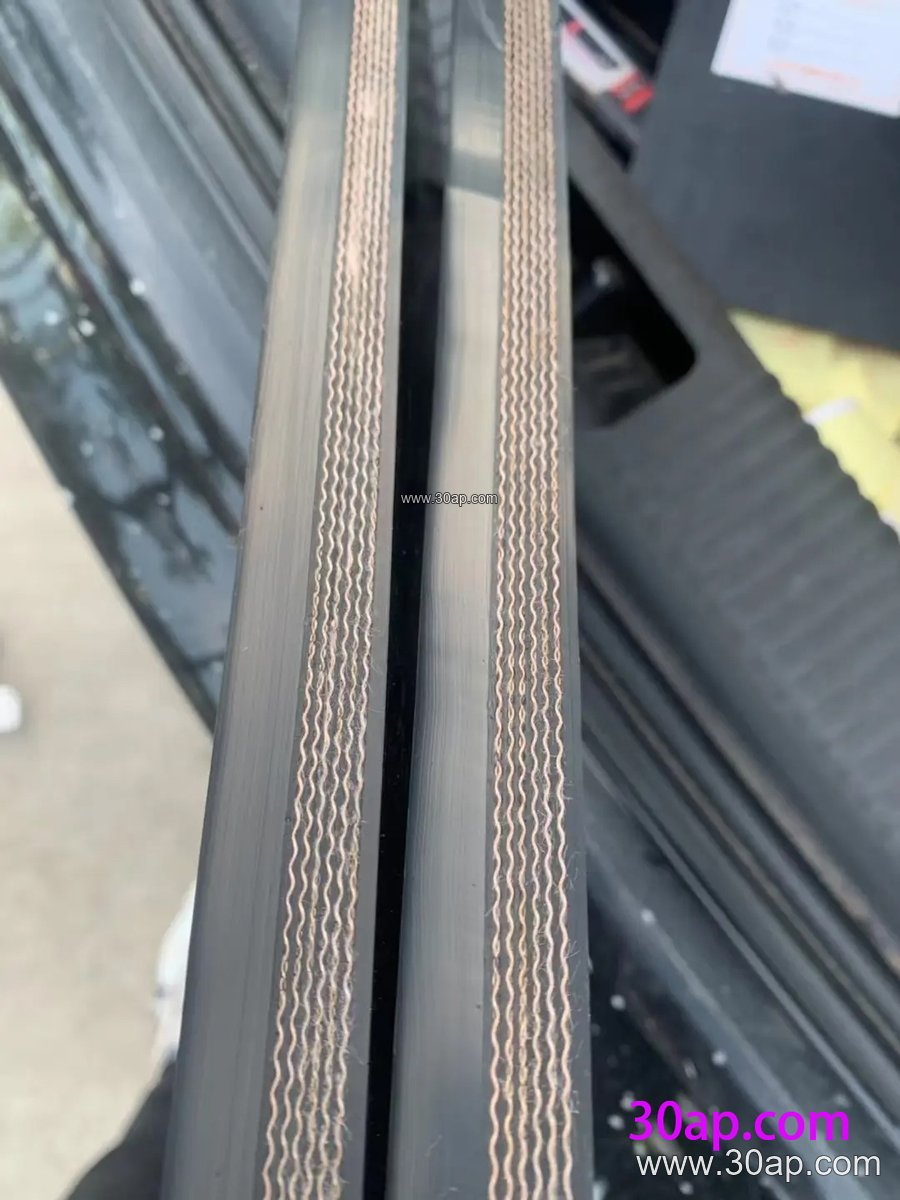
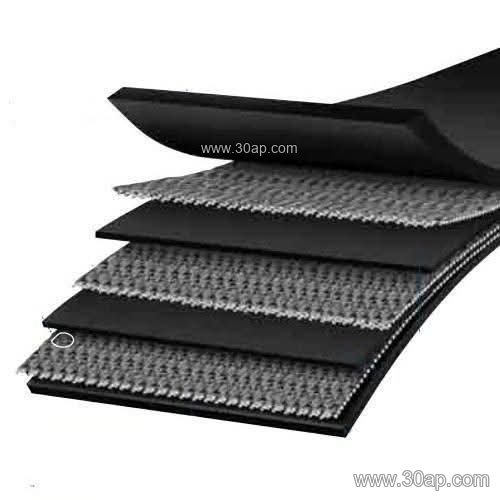
The carcass starts as parallel steel cords, usually brass-coated to bond with the rubber. Top and bottom cover compounds are calendered around the cords, then the assembly is vulcanized under heat and pressure. Cover gauge is commonly quoted in pairs such as 6+2 mm or 8+3 mm for this class of belt, with the top cover taking the abrasion and impact.
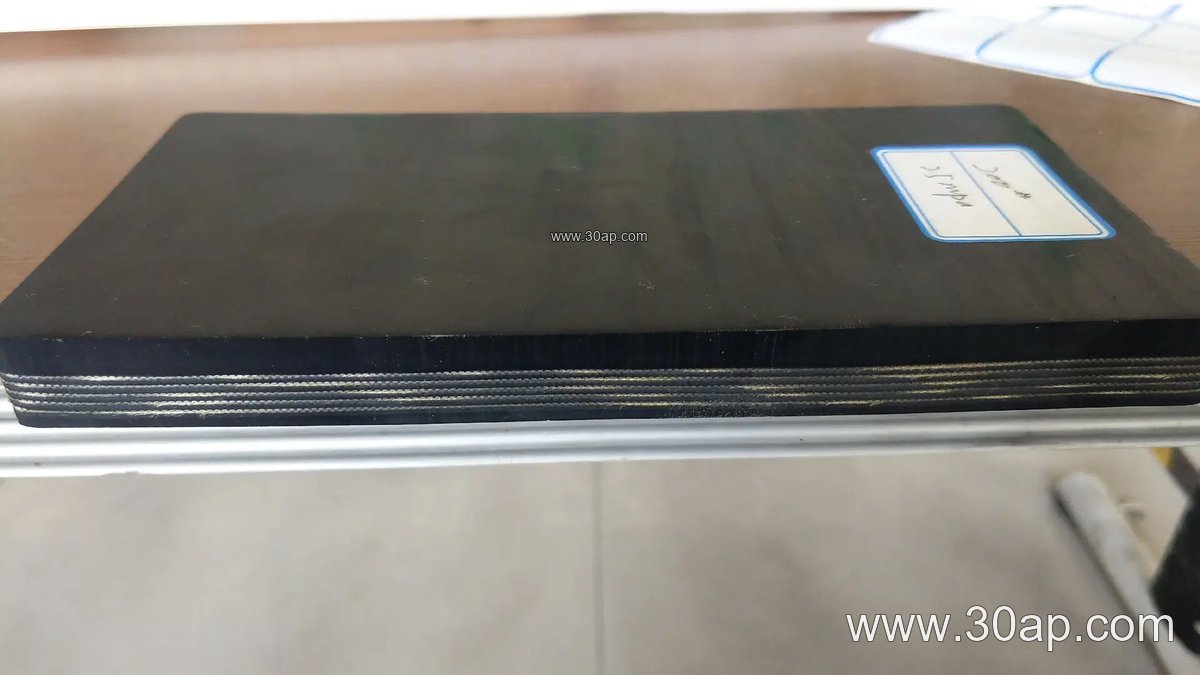
Edge construction matters as much as the middle. A properly sealed edge keeps water and fines out of the cord layer, which is where most premature failures begin. On a steel cord belt, splicing is a vulcanized step splice with the cords re-laid and bonded, so the belt is normally supplied as open lengths rather than as an Endless Conveyor Belt, unless the plant has the press capacity to close it on site.
Where It Fits in a Plant
Typical duty is continuous, high-tonnage transport of bulk material. You will see this belt in iron ore and copper ore handling, coal preparation, cement plant raw-material lines, power plant coal yards, large quarry and aggregate operations, and port ship-loading systems. It suits long overland runs, steep main inclines and drives that need high tension at moderate belt weight.
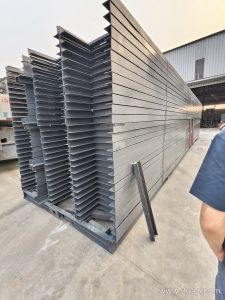
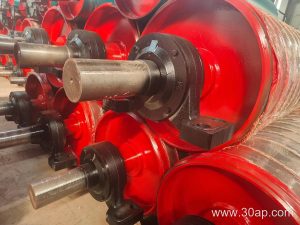
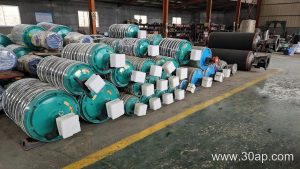
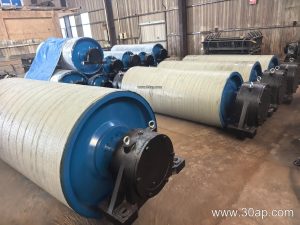
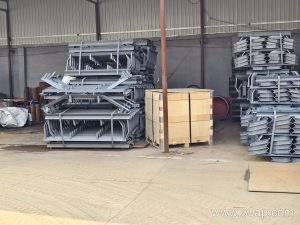
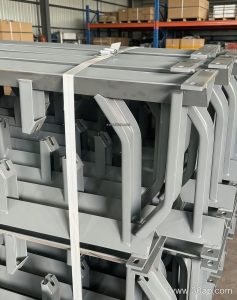
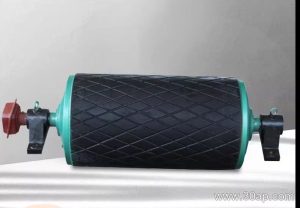
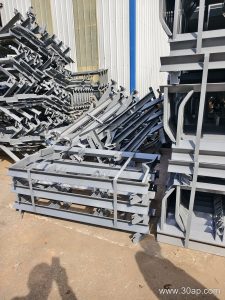
In those circuits the belt works together with a conveyor pulley at the head and tail, idler roller sets along the carry and return sides, and conveyor bracket frames that hold the whole line true. A misaligned frame or a seized idler can damage even a well-made belt, so mechanical condition deserves attention before a strength upgrade is ordered.
Common Reference Data
The figures below are typical reference ranges, not a supply commitment. Final values are confirmed by the manufacturer against the actual conveyor design.
| Item | Common reference |
|---|---|
| Strength class | ST1000, with ST1250, ST1600, ST2000, ST2500 and ST3150 as other classes |
| Belt width | B800, B1000, B1200, B1400, B1600, B1800, B2000 |
| Cover thickness | 4+2 mm, 5+2 mm, 6+2 mm, 8+3 mm |
| Carcass | Steel cord layer, single plane |
| Typical service | Long distance, high tension, abrasive bulk material |
Selection Points Buyers Should Check
- Actual tension, not guesswork. Confirm the calculated working tension and safety factor before choosing a class. A belt that is oversized adds weight and cost; one that is undersized stretches and fails early.
- Cover compound. Abrasion Resistant Conveyor Belt covers suit crushed rock and ore, while Heat Resistant Conveyor Belt grades are needed near clinker or sinter. Flame Retardant Conveyor Belt and Anti-Static Conveyor Belt grades are common in coal mining and underground coal mining lines.
- Pulley and idler compatibility. Belt width, pulley face width and idler trough angle must match the frame design. Never assume a given belt width locks in one pulley diameter or shaft size.
- Splice plan. Ask how the belt will be joined, who supplies the splice material, and what press and cure time the site can support.
- Environment. Cold Resistant Conveyor Belt compounds for winter yards, Oil Resistant Conveyor Belt covers where lubricants or fuel spill, and chemical resistant grades for fertilizer or acid handling.
Installation and Maintenance Notes
Track alignment during the first weeks of running. Steel cord belts are stiff and will show any frame or pulley error quickly. Keep the return side clean, inspect the conveyor pulley lagging for wear, and check idler roller rotation at each shutdown. Impact zones under crushers benefit from impact idlers and, where drop height is large, a short impact section of heavier belt.
Store spare belt on a clean, dry surface, avoid sharp bends, and keep the ends sealed until splicing. Record running hours and splice condition so replacement planning is based on inspection rather than on a calendar alone.
For plants comparing belt families, a fabric core option such as EP Conveyor Belt or NN Conveyor Belt may suit shorter, lighter lines, while steel cord classes remain the choice for the heaviest main hauls. Matching the belt class to the real duty remains the most reliable way to protect the whole conveyor system.