What an Ore Conveyor Belt Does
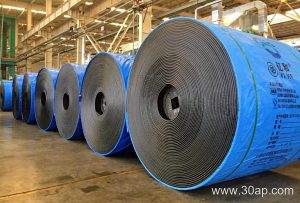
An ore conveyor belt is the carrying surface of a bulk handling system that moves crushed rock, run-of-mine material and mineral concentrates from the pit, stockpile or crusher to the next stage of processing. It is a heavy-duty component rather than a simple rubber strip: the belt must absorb impact at the loading point, resist cutting and abrasion from sharp ore, and keep tracking on long inclined routes. In practice, an ore conveyor belt is often specified as a high abrasion resistant conveyor belt or a heavy-duty mining conveyor belt, depending on the duty profile of the site.
Construction and Common Constructions
The belt body usually combines a fabric or steel cord carcass with top and bottom rubber covers. Fabric constructions include EP conveyor belt (polyester-nylon) and NN conveyor belt (nylon-nylon); steel cord conveyor belt is chosen where tension and route length demand higher strength. A multi-ply fabric core conveyor belt is common in crushing and screening plants, while a steel cord design suits long overland lines in mining and port applications.
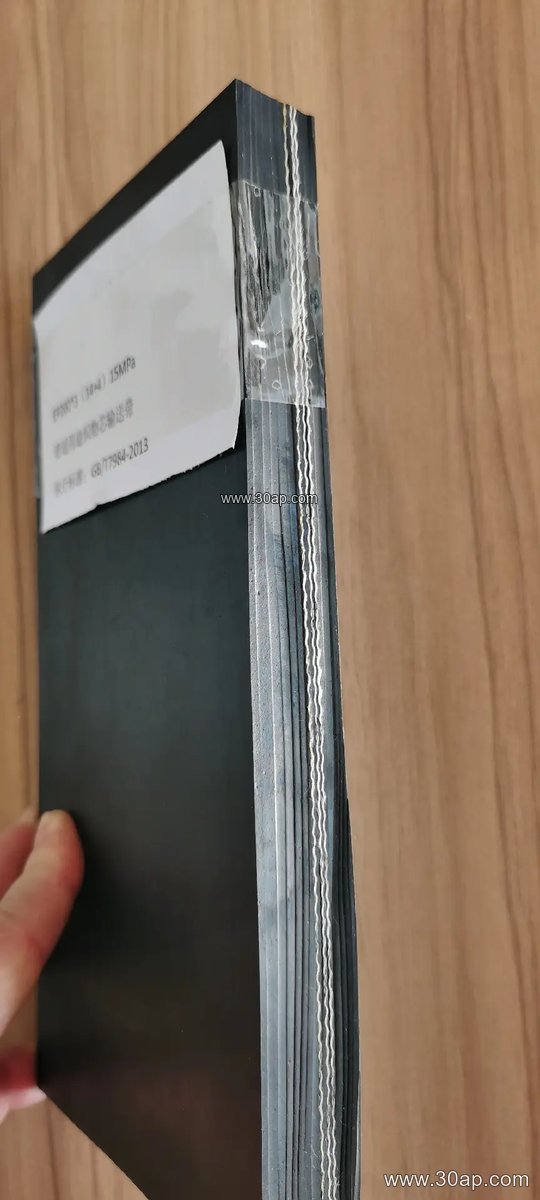
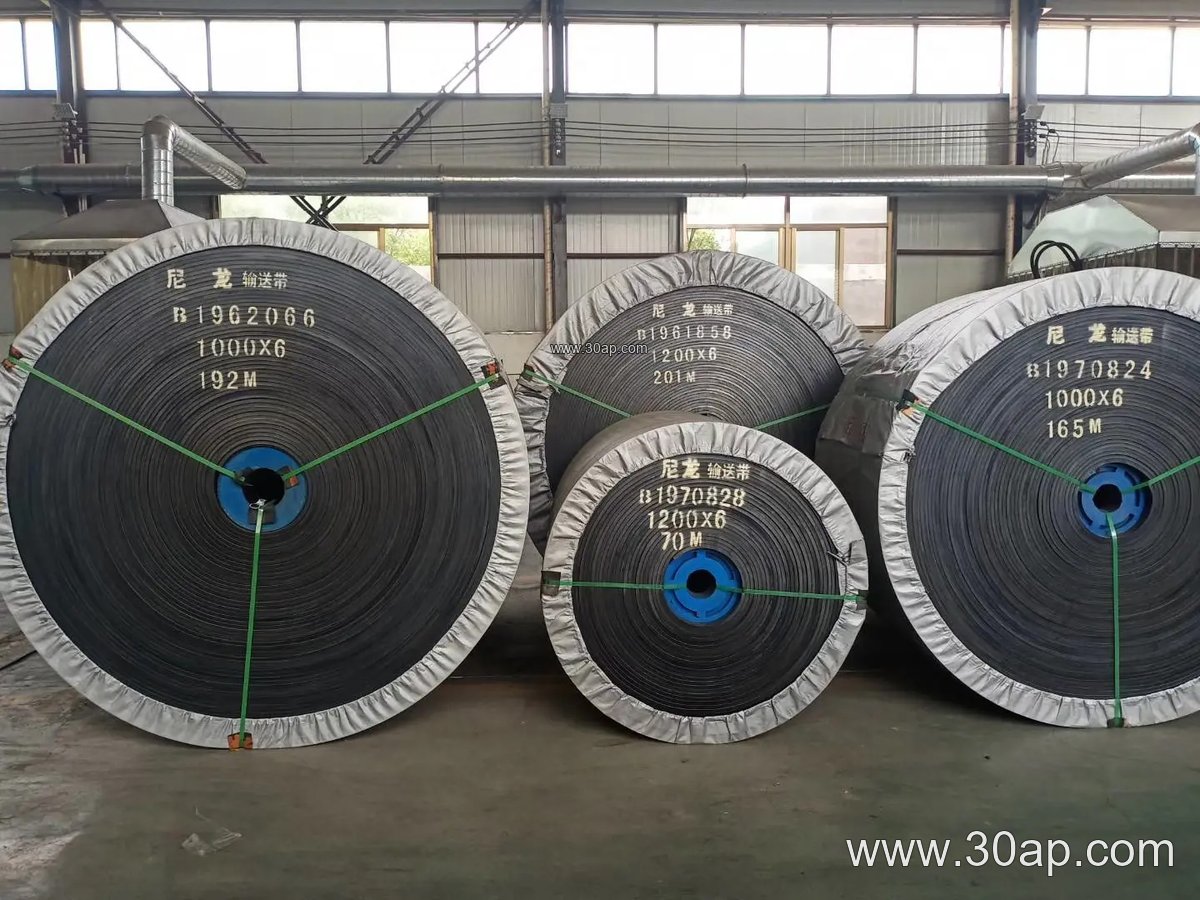
Covers are commonly quoted as top plus bottom thickness, for example 4+2 mm, 5+2 mm, 6+2 mm or 8+3 mm. Carcass plies typically run from 2 to 6 layers in fabric belts. Strength grades such as EP200, EP400, EP630, EP1000 or ST1250, ST1600 and ST2000 are reference values, and final selection should follow the conveyor design rather than a single figure.
| Parameter | Typical reference values |
|---|---|
| Belt width | B500, B650, B800, B1000, B1200, B1400, B1600, B1800, B2000 |
| Fabric strength grades | EP200, EP315, EP400, EP500, EP630, EP800, EP1000, EP1250, EP1600 |
| Steel cord grades | ST1000, ST1250, ST1600, ST2000, ST2500, ST3150 |
| Cover thickness | 3+1.5 mm, 4+2 mm, 5+2 mm, 6+2 mm, 8+3 mm |
| Ply count | 2 to 6 layers, common for fabric cores |
Where Ore Belts Are Used
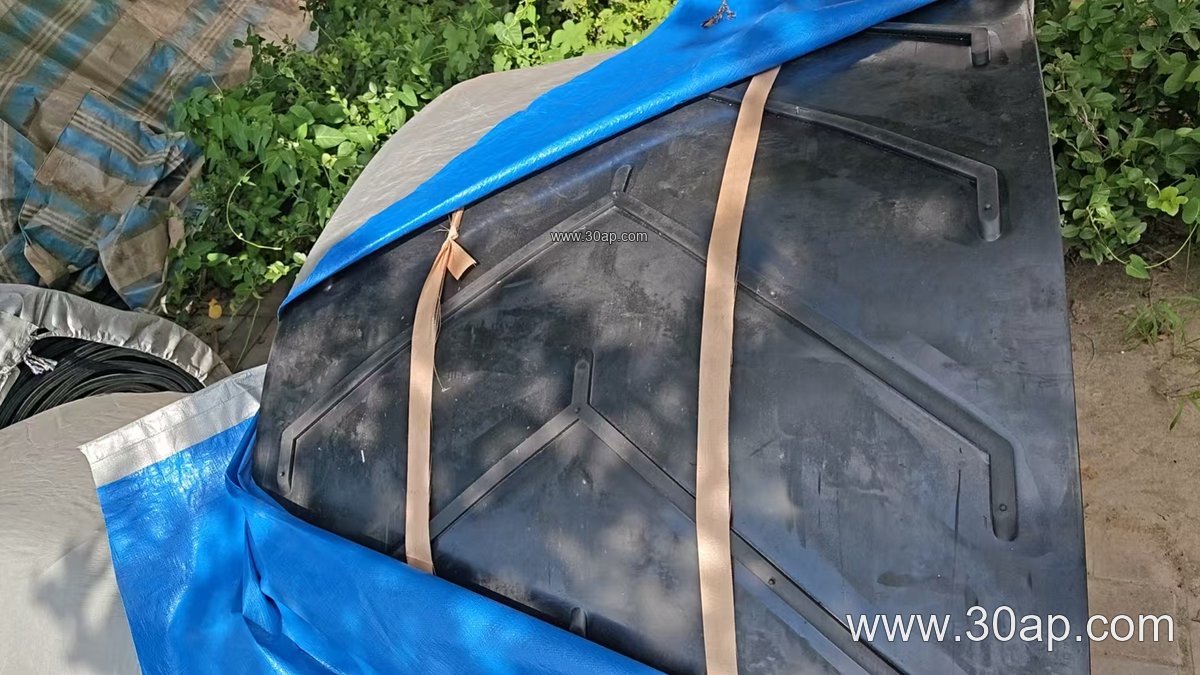
These belts appear in iron ore and copper ore operations, gold mining plants, coal mining conveyor lines, quarries and aggregate yards, cement plants, power plants, steel plants and port ship loading systems. A quarry conveyor belt or crusher conveyor belt handles sharp, uneven feed, while a cement conveyor belt may face fine dust and moderate heat. Underground coal mining conveyor belt installations usually call for flame retardant conveyor belt and anti-static conveyor belt properties, often with PVG or PVC covers. A pipe conveyor belt is sometimes used where dust control and route curvature matter, and a corrugated sidewall conveyor belt or skirted conveyor belt helps contain material on steep inclines.
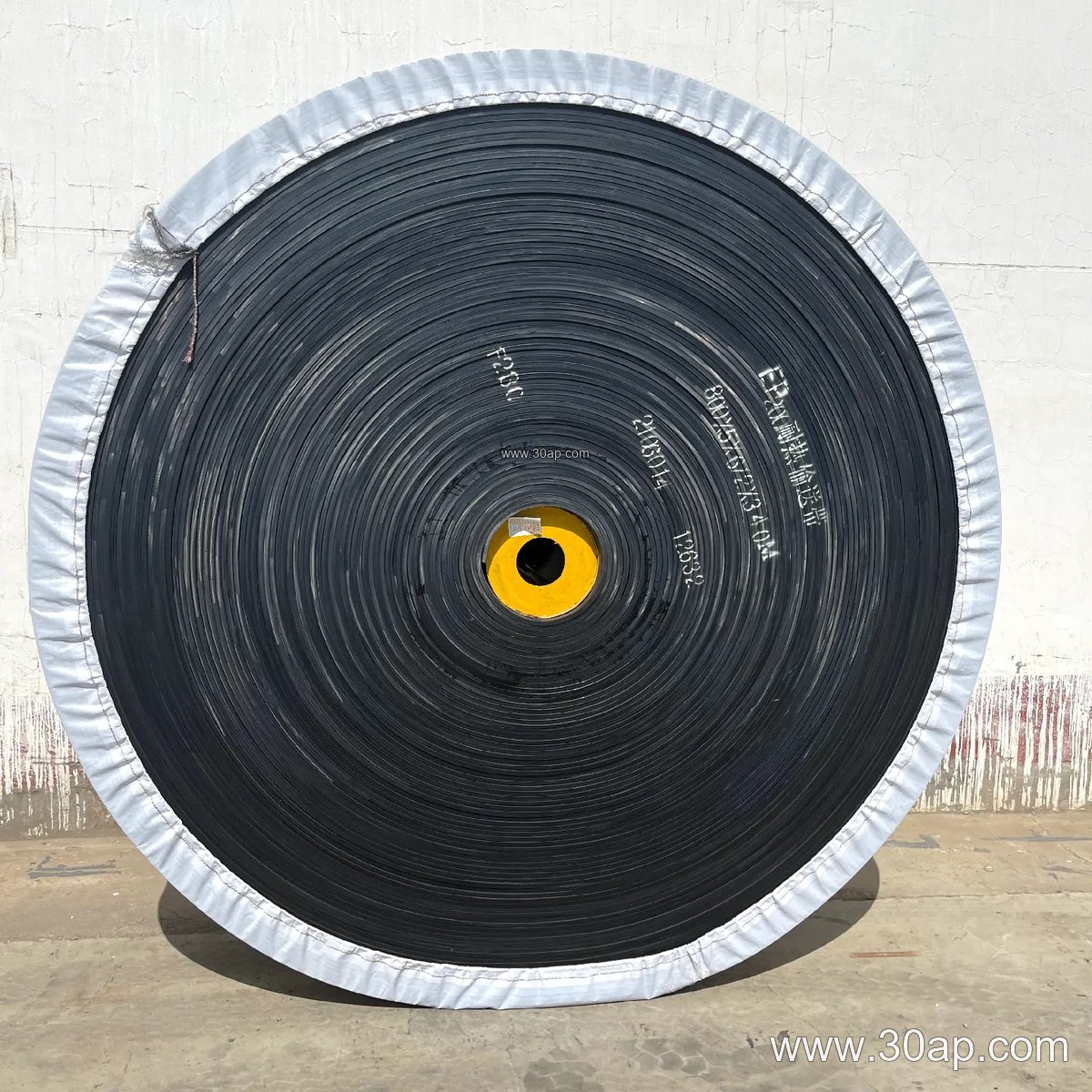
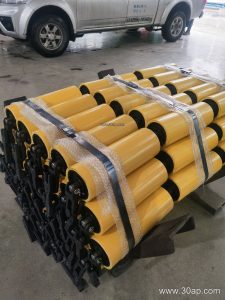
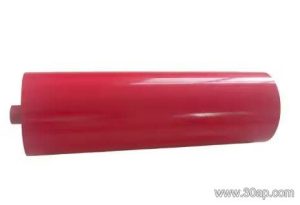
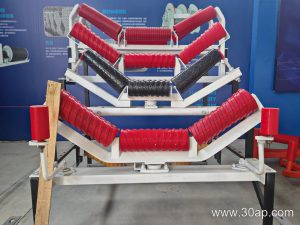
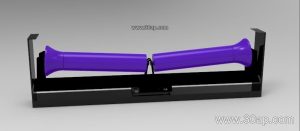
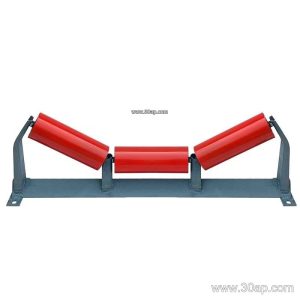
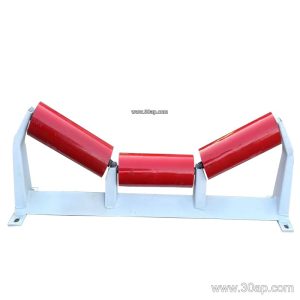
Related hardware matters as much as the belt itself. Idler roller frames, conveyor pulley assemblies and conveyor bracket sets all influence belt life; a poorly aligned return idler roller or worn drive pulley can shorten cover life even on a premium belt.
Choosing the Right Specification
- Match the carcass to the calculated tension and take-up, not to habit.
- Select cover compound for the real condition: abrasion resistant, heat resistant, oil resistant, cold resistant or flame retardant.
- Confirm impact resistance at transfer points, where ore drop height and lump size are highest.
- Check belt width against loading chute geometry and material lump size.
- For dusty or explosive-risk areas, verify anti-static and fire resistant behavior with the supplier.
Buyers should ask for the carcass type, ply count, cover thickness, strength grade and edge condition in writing. A sample of the actual ore helps suppliers recommend a compound. For longer systems, an endless conveyor belt splice may be preferred over mechanical fastening to reduce joint wear.
Maintenance Notes
Inspect the ore conveyor belt at loading points for cuts and gouges, check splice integrity, and monitor pulley lagging and idler roller rotation. Keep the belt centered; edge damage usually starts with misalignment. Store spare belts away from sunlight, oil and ozone sources.
For more on compatible components, see the conveyor belt, idler roller and conveyor pulley ranges at baorenconveyorbelt.com, and review ore conveyor belt options for mining, quarry and cement duty.