What Is a Return Idler Bracket?
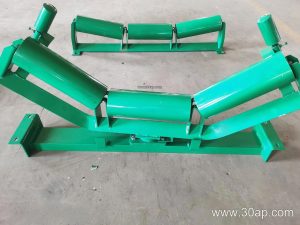
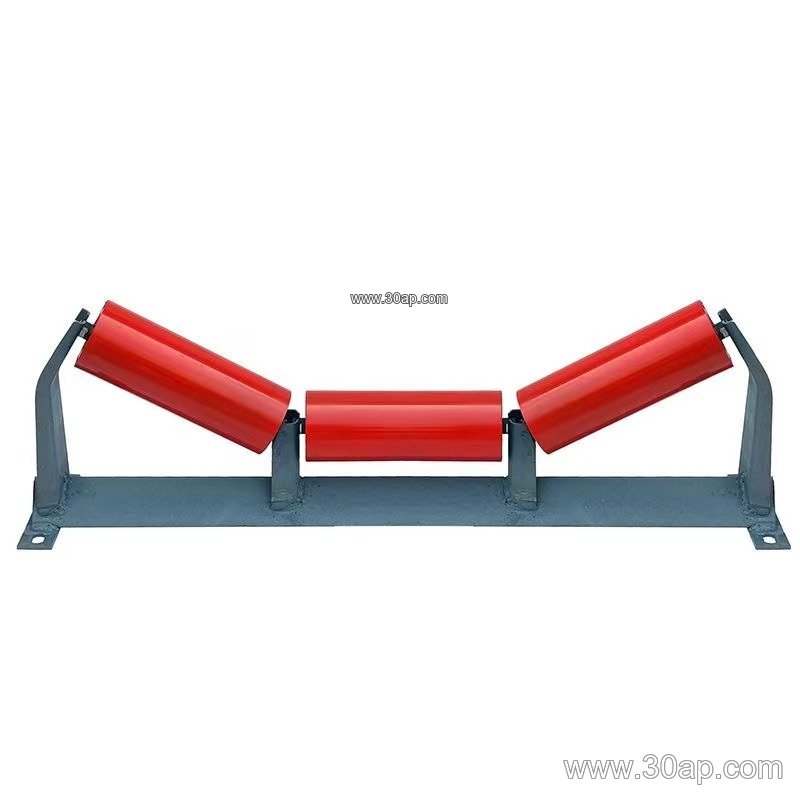
A return idler bracket is a structural component that supports the return idlers (also called lower idlers) on a conveyor system. It holds the idler roller in position beneath the conveyor belt, ensuring the belt maintains proper tension and alignment on its return path. Often referred to as a return roller bracket or lower idler bracket, this part is typically made from angle steel, channel steel, or bent steel plate to withstand the load and environmental demands of industries such as mining, coal preparation, cement plants, power generation, and quarry operations.
Construction and Design
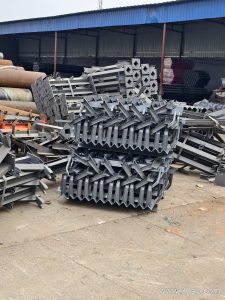
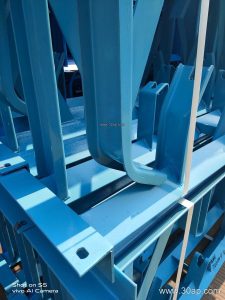
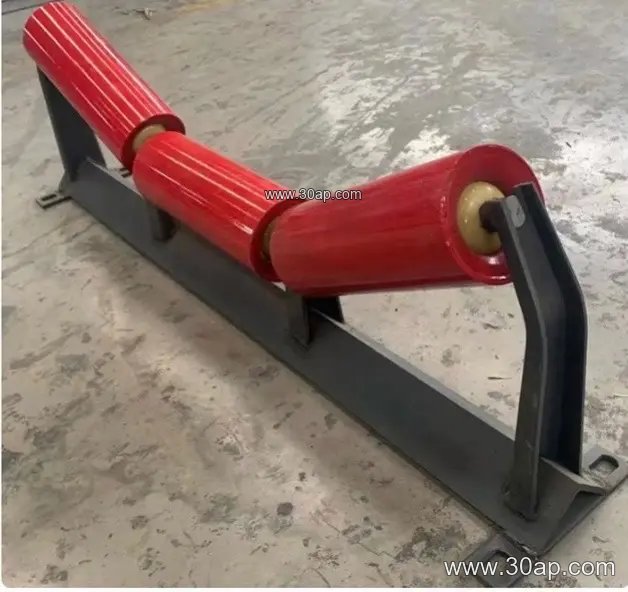
Return idler brackets are engineered for durability and ease of maintenance. Common materials include formed steel and structural profiles that resist bending and corrosion. The bracket design may vary: fixed brackets hold the idler at a set position, while adjustable brackets allow fine-tuning of belt tracking and tension. Some designs incorporate slots for mounting flexibility. The bracket must accommodate the specific idler roller diameter and belt width, with mounting hole spacing and crossbeam length determined by the application rather than fixed standards.
Role in Conveyor Systems
In a typical conveyor, the return idler bracket supports the empty side of the conveyor belt, preventing sag and reducing friction. Properly installed brackets contribute to belt stability, extend the life of the conveyor belt, and minimize spillage. They are used in a wide range of bulk material handling operations, from crushing and screening plants to port loading facilities and steel mills. Whether paired with a fabric core conveyor belt or a steel cord conveyor belt, the bracket ensures the return strand operates smoothly.
Types and Configurations
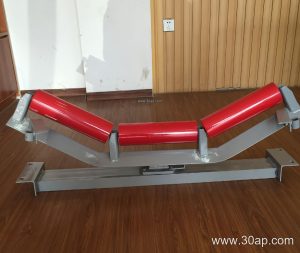
Return idler brackets come in several forms to suit different conveyor layouts. Common types include:
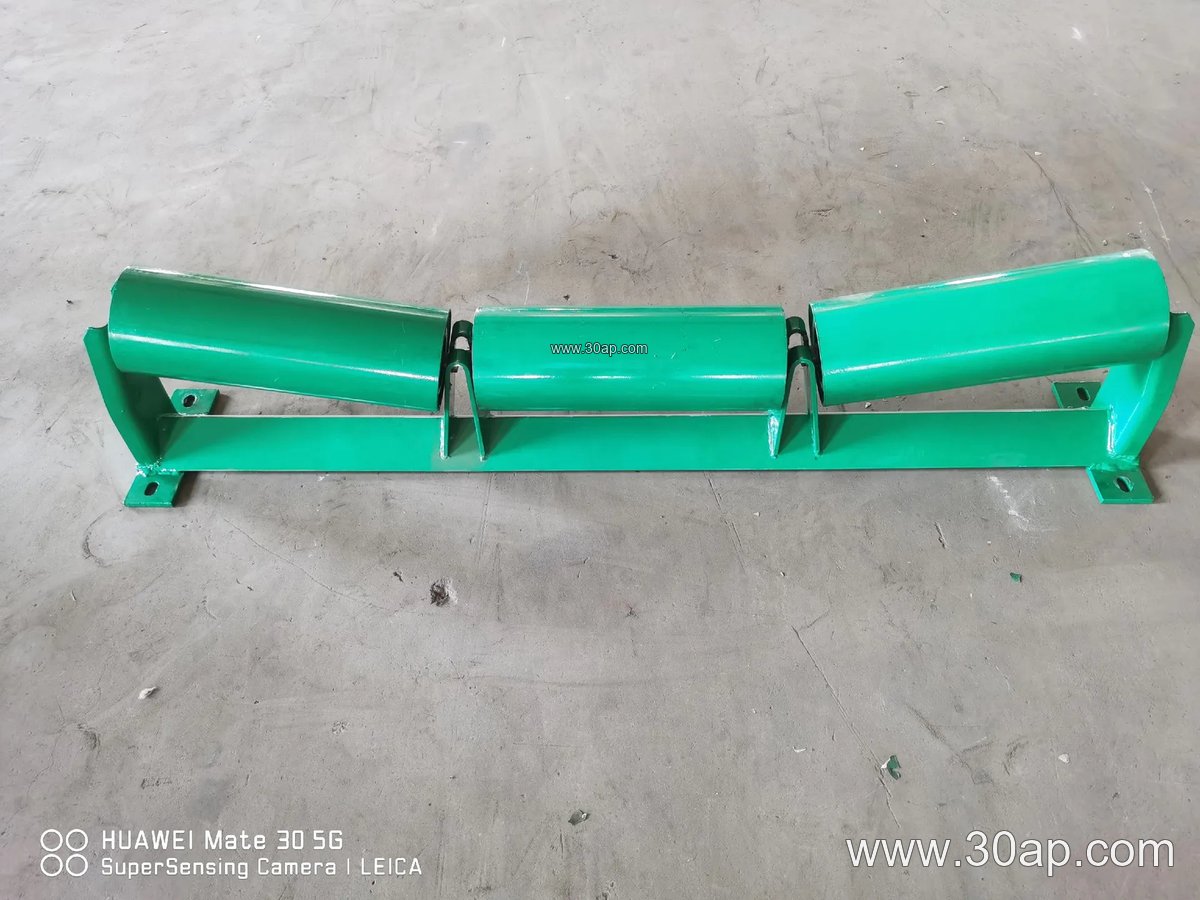
- Fixed return bracket – holds the idler in a set position for standard applications.
- Adjustable return bracket – allows adjustment of idler height or angle to correct belt misalignment.
- V-return bracket – supports V-shaped return idlers, often used to improve belt training.
- Flat return bracket – for flat return idler arrangements.
These brackets are typically matched with idler rollers of various diameters, such as Ø89, Ø108, Ø133, Ø159, or Ø194, and belt widths from B500 to B2200. The choice depends on the conveyor design, load requirements, and environmental conditions.
Selection Considerations
When selecting a return idler bracket, buyers should consider the belt width, idler diameter, and the required mounting configuration. For instance, a B800 conveyor with 35-degree troughing idlers might use a return bracket designed for Ø108 idlers, while a B1200 system with 45-degree troughs could require Ø133 idlers. However, these are examples only; actual sizing must follow the conveyor design. Material thickness and surface treatment (such as painting or galvanizing) should match the operating environment, especially in corrosive or high-moisture conditions found in coal mines or chemical plants.
Maintenance and Compatibility
Regular inspection of return idler brackets helps prevent belt damage and downtime. Worn or bent brackets can cause the belt to mistrack, leading to edge damage and material spillage. Brackets should be compatible with the conveyor pulley and idler roller specifications to ensure proper fit. In industries like aggregate production or ore handling, where abrasive materials are present, robust bracket construction is essential. Pairing quality brackets with appropriate conveyor belts—such as abrasion resistant conveyor belt or heat resistant conveyor belt—enhances overall system reliability.
Buyer’s Checklist
Before purchasing, verify the following:
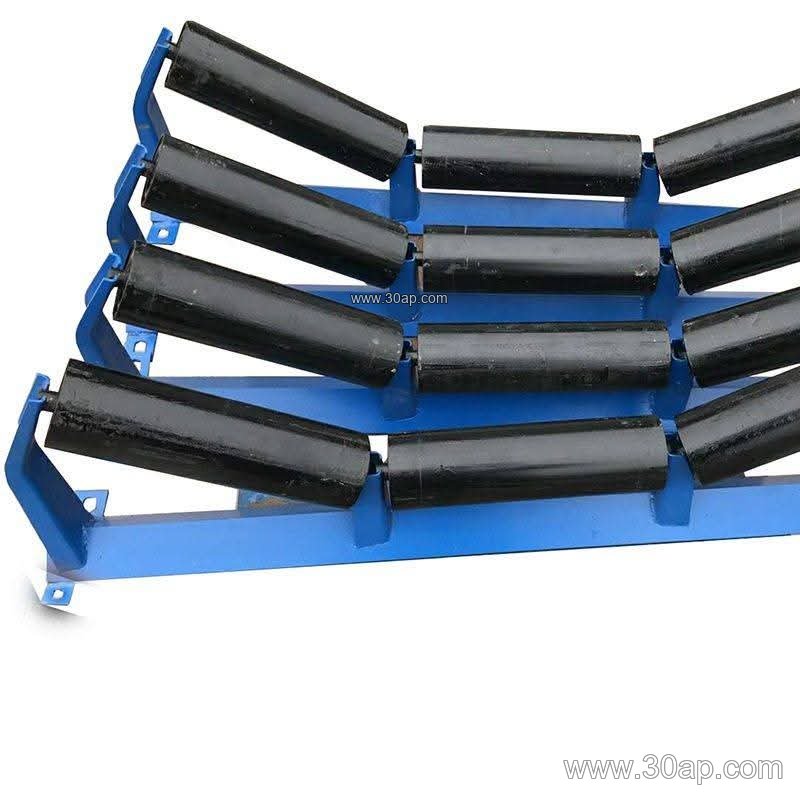
- Belt width and idler diameter compatibility.
- Mounting hole pattern and crossbeam length.
- Material and finish suitability for the environment.
- Adjustability requirements for belt tracking.
- Compliance with conveyor design specifications.
For more information on conveyor components, visit beltconveyorpro.com or idlerpro.com. Our range includes conveyor brackets, idler rollers, and conveyor pulleys to support your material handling needs.