What a Vertical Guide Roller Does
A vertical guide roller is a small but purposeful component mounted at the edges of a conveyor to keep the belt tracking correctly. Unlike the carrying idler roller that supports the loaded belt from below, this roller stands vertically and contacts the belt edge, gently steering it back on course when minor misalignment occurs. In a quarry, a cement plant, or a coal handling line, a belt that wanders sideways can quickly damage the structure and spill material, so this guide roller earns its place as a simple corrective device.
The working principle is straightforward. When the belt drifts toward one side, it touches the vertical roller, which rotates freely and applies a light lateral correction. Because the roller spins with the belt rather than scraping against it, edge wear is reduced compared with a fixed guide block.
Construction and Common Configurations
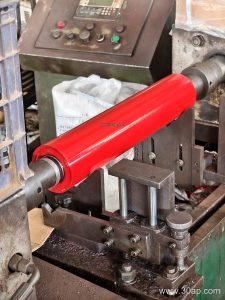
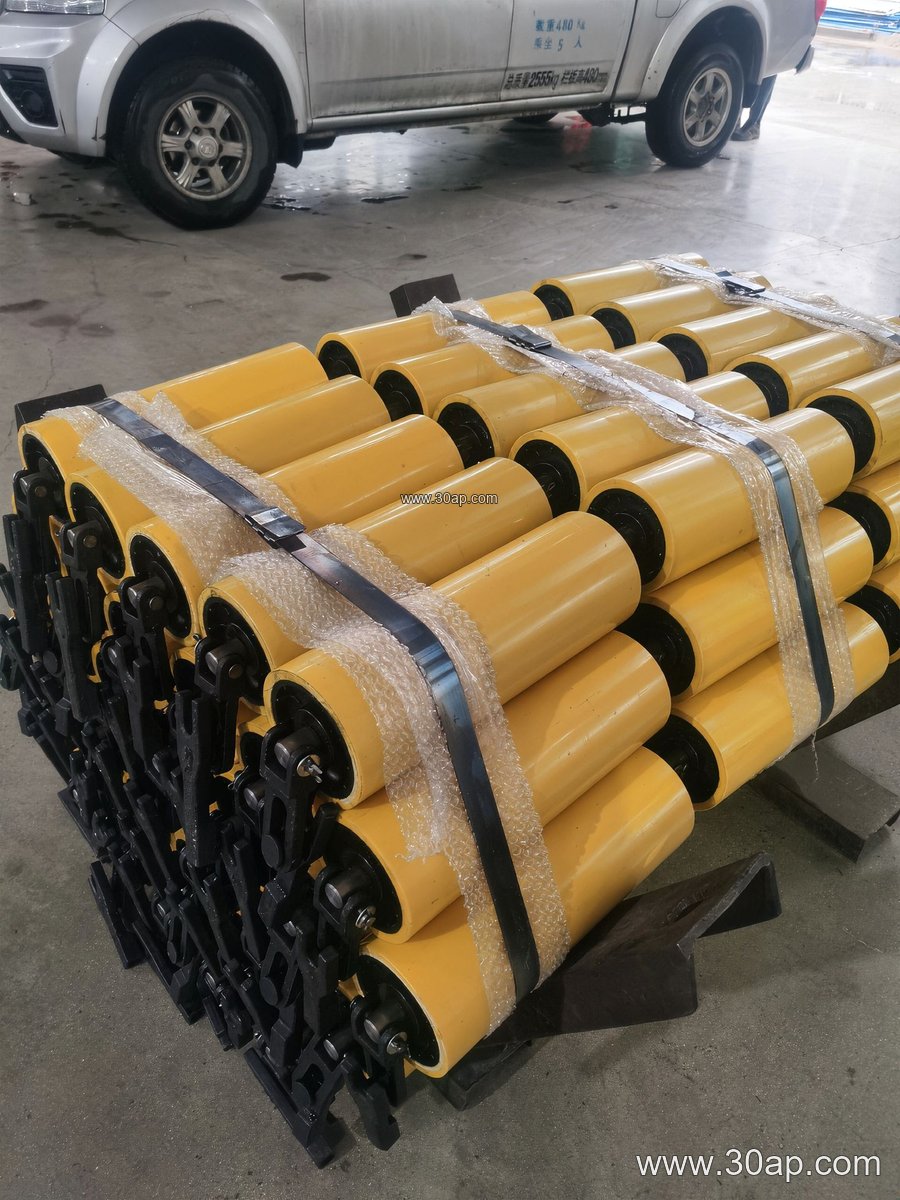
Most vertical guide rollers share a similar build: a steel tube body, sealed bearings, a short shaft, and a mounting bracket. The roller surface may be plain steel, nylon, or covered with a rubber ring for gentler contact with the belt edge. Sealing matters in dusty environments such as a limestone mine or an aggregate plant, where fine particles can shorten bearing life.
Common dimensions follow the general idler roller range rather than a single fixed size. The table below shows typical reference values, not mandatory specifications.
| Parameter | Common Reference Values |
|---|---|
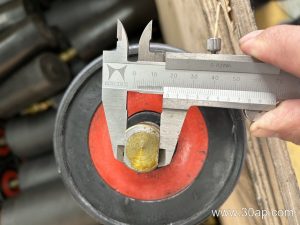
| Roller diameter | Ø63, Ø76, Ø89, Ø102, Ø108 mm |
| Roller length | Determined by belt width and bracket design |
| Bearing | 6204, 6205, 6305, 6306 |
| Surface form | Steel tube, nylon, rubber ring |
| Mounting | Bracket or frame-mounted |
Belt widths from B500 to B2400 appear in conveyor layouts, and the guide roller position is usually set by the conveyor bracket rather than by the roller alone. A wider belt such as an 1800mm or 2000mm line will typically use a heavier bracket and a larger roller, but the exact match is a design decision. The same roller diameter can serve several belt widths, so no single pairing should be treated as a rule.
Where It Fits on the Conveyor
Vertical guide rollers are usually installed near the tail end, before the loading point, or along sections where the belt is prone to drift. In a coal mining conveyor or an underground mining conveyor, space is tight and the belt path changes direction often, so edge guidance helps maintain alignment through transitions. In a power plant coal yard or a port ship loading system, long exposed runs are affected by wind and uneven loading, and guide rollers add a layer of control.
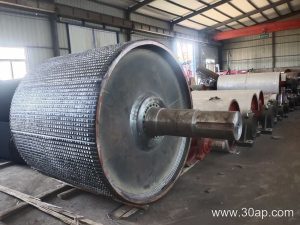
They are often used together with a self-aligning idler roller set, but the two are not interchangeable. A self-aligning roller acts on the belt through its angled rolls, while the vertical guide roller works at the edge. A conveyor pulley at the drive or tail position has a completely different role and cannot substitute for either.
Selection Points for Buyers
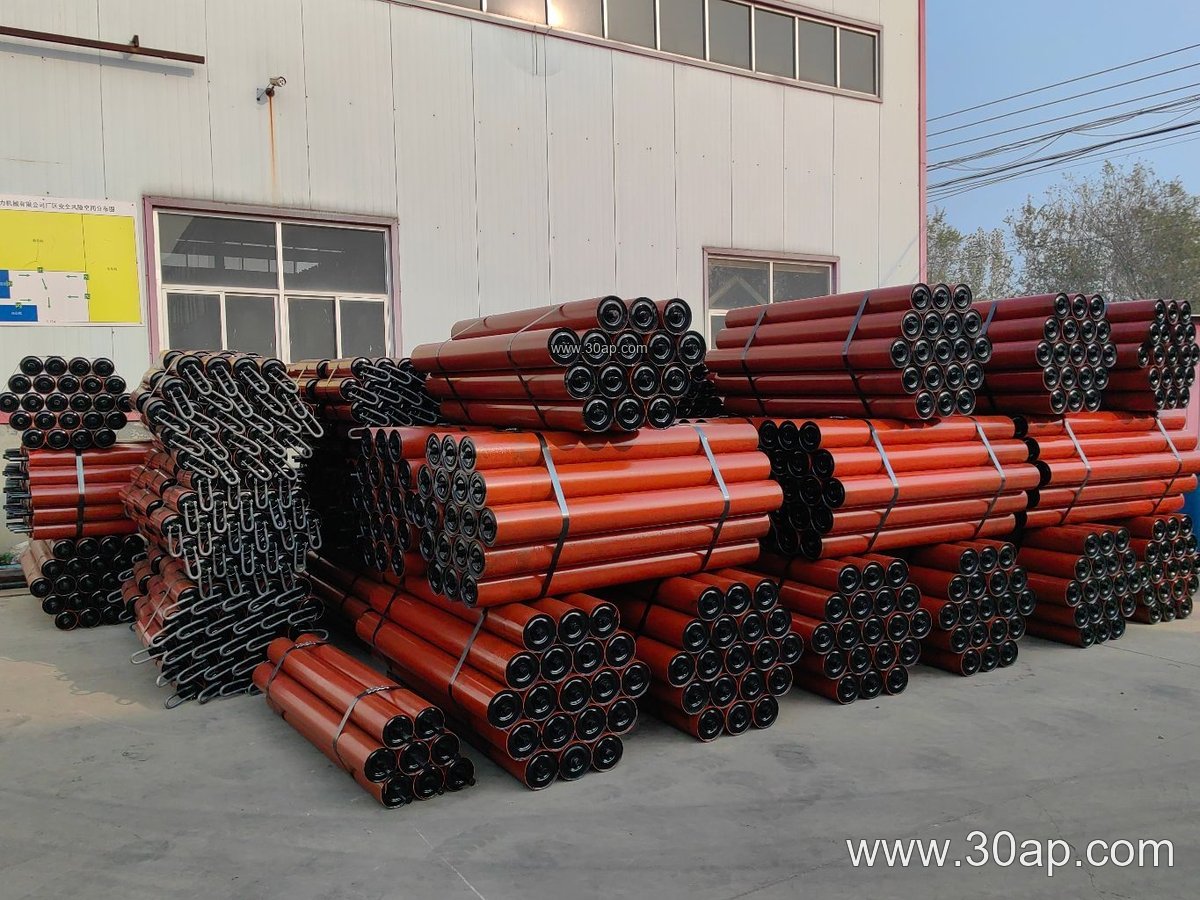
When specifying a vertical guide roller, consider the belt width, the available mounting space, and the environment. A dusty quarry or a cement plant benefits from well-sealed bearings and a wear-resistant surface. A food or clean material line may call for a smooth nylon or rubber-covered roller. If the conveyor handles a heavy-duty mining conveyor belt with thick covers, the guide roller and bracket should be sized for the added edge stiffness.
- Check that the bracket matches the conveyor frame and the belt edge height.
- Confirm the roller diameter fits the available gap without rubbing the belt carcass.
- Choose the surface form based on belt type and material handled.
- Plan periodic inspection of bearing play and roller rotation.
Buyers often ask whether the guide roller must match the belt width exactly. It does not. The roller is positioned by the frame, and its length and diameter are chosen to suit the installation. What matters is that the roller rotates freely, sits at the correct angle, and does not pinch the belt edge.
Maintenance and Practical Notes
In daily operation, a vertical guide roller needs little attention beyond checking that it turns smoothly and that the bracket remains secure. A seized roller can wear the belt edge quickly, especially on an abrasion resistant conveyor belt running in a stone crushing line. Replacing a worn roller early is cheaper than repairing a damaged belt.
For more information on matching guide rollers with conveyor belts, idler rollers, and conveyor pulleys, visit cscbelt.com or explore our roller range at cscbelt.com/roller. A well-chosen vertical guide roller is a small investment that helps keep a conveyor tracking true.