What a Cold Resistant Conveyor Belt Is
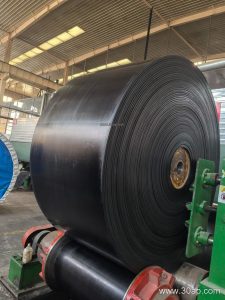
A cold resistant conveyor belt is a rubber conveyor belt engineered to stay flexible and durable when ambient temperatures drop well below freezing. Standard belts can stiffen, crack at the edges, and lose adhesion between plies in cold climates, while a cold resistant conveyor belt uses specially compounded rubber and a compatible carcass to keep the belt supple. It is still a fabric or steel reinforced belt in construction; the difference lies in the compound and the way the cover, skim, and friction layers are formulated for low-temperature service.
Construction and Materials
Most cold resistant belts are built on a fabric core, often an EP conveyor belt or NN conveyor belt carcass, with multiple plies bonded under heat and pressure. A multi-ply fabric core conveyor belt gives good troughability and impact resistance, which matters on outdoor transfer points. For very long or high-tension systems, a steel cord conveyor belt may be selected instead, with the same cold resistant cover compound.
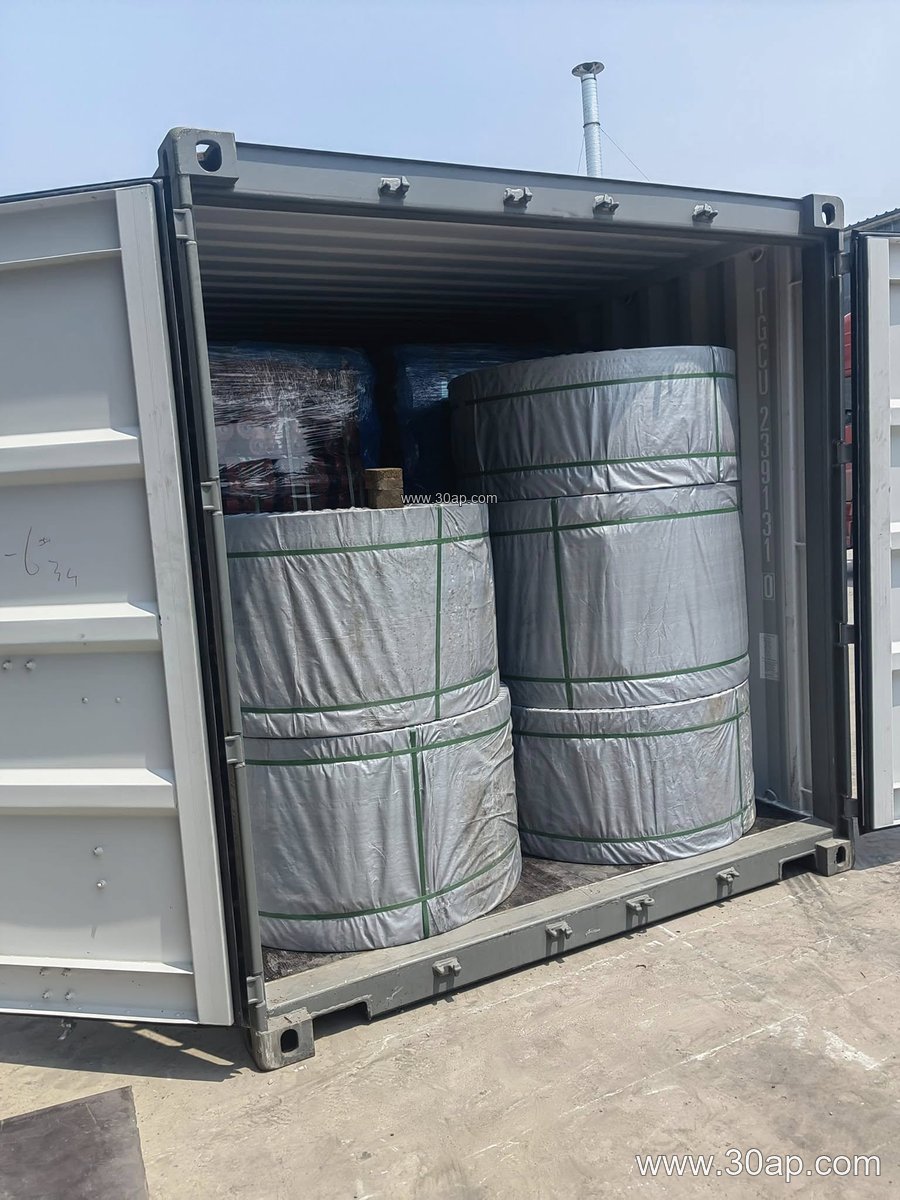
- Cover rubber: low-temperature resistant compound, typically 3+1.5 mm, 4+2 mm, or heavier for abrasive loads.
- Carcass: 2 to 6 plies of EP or NN fabric, or steel cord for high strength.
- Edge protection: cut or molded edges designed to resist cracking in frost.
Common strength grades for fabric belts include EP200, EP315, EP400, EP500, EP630, EP800, EP1000, EP1250, and EP1600. Belt widths usually range from B500 and B650 up to B1800 and B2000, with wider options available by design. Actual values depend on the manufacturer and the application.
Where It Is Used
Cold resistant conveyor belts are common in mining, coal mining, cement plants, power plants, quarries, sand and gravel yards, ports, and processing plants in cold regions. In an open-pit mine or a coal handling system, the belt may run outdoors all winter, so a cold resistant conveyor belt helps avoid edge cracking and splice failure. The same belt type is used in aggregate and ore handling, where an abrasion resistant conveyor belt would otherwise be chosen but low temperatures demand a cold-grade compound.
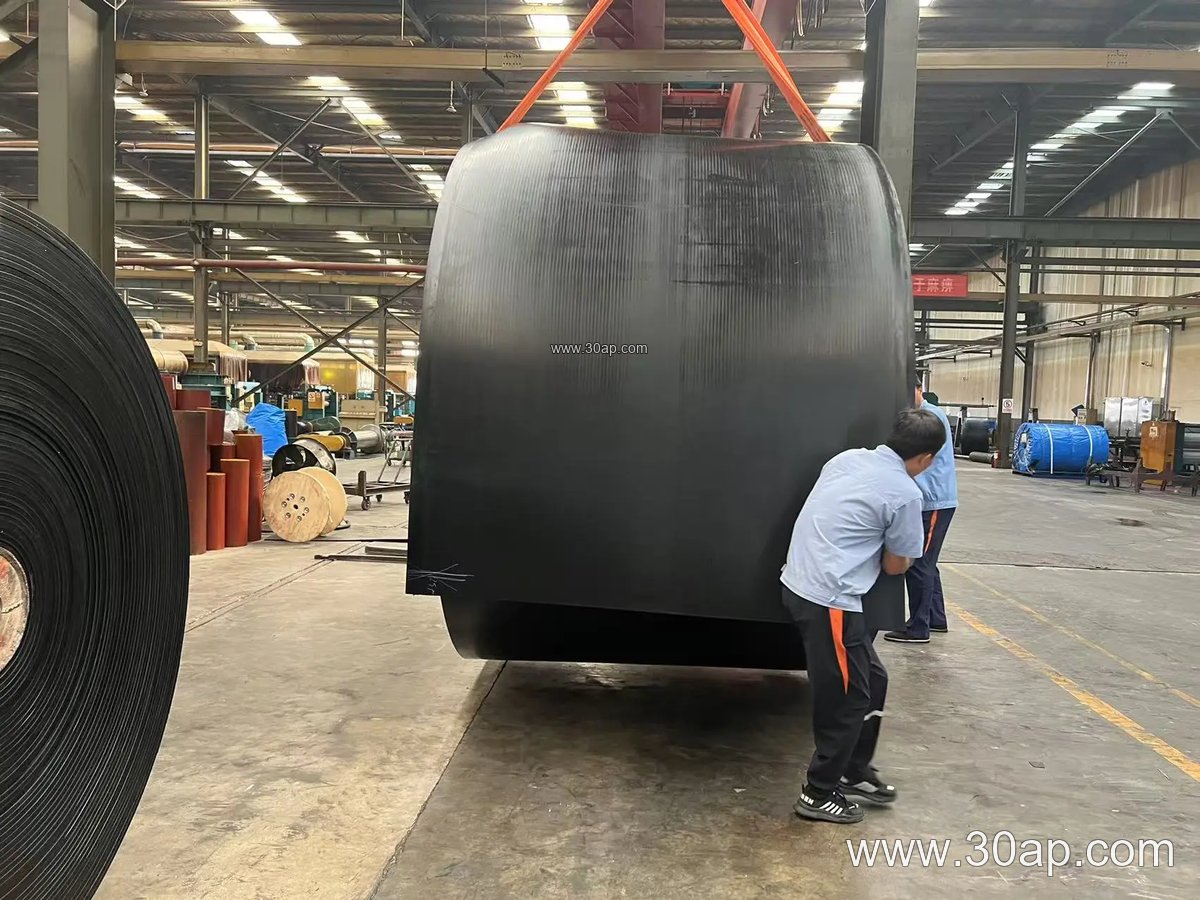
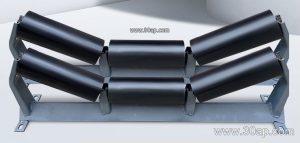
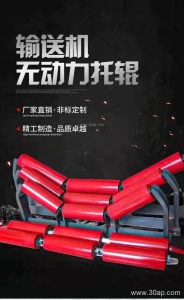
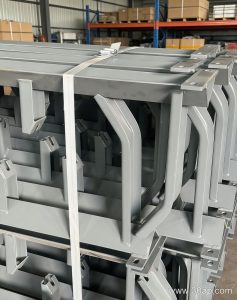
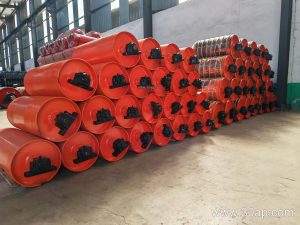
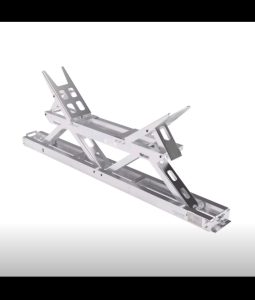
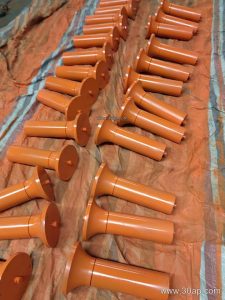
For comparison, a heat resistant conveyor belt or an oil resistant conveyor belt addresses different risks; the cold resistant belt focuses on flexibility at low temperature. In underground coal mining, a flame retardant conveyor belt is often required, and cold resistant grades can be combined with flame retardant properties where rules call for both. On the conveyor structure, idler roller alignment, conveyor pulley condition, and conveyor bracket stability all affect how well the belt tracks in freezing conditions.
Selection Points for Buyers
Buyers should confirm the lowest expected operating temperature, the load weight and lump size, the belt width, and the strength grade. A belt that is too stiff for the pulley diameters on the drive, tail, and bend positions can crack or delaminate, so the belt flexibility must match the conveyor layout. Impact at loading points may call for an impact resistant conveyor belt or a thicker cover, while a chevron conveyor belt or corrugated sidewall conveyor belt may be needed on steep inclines.
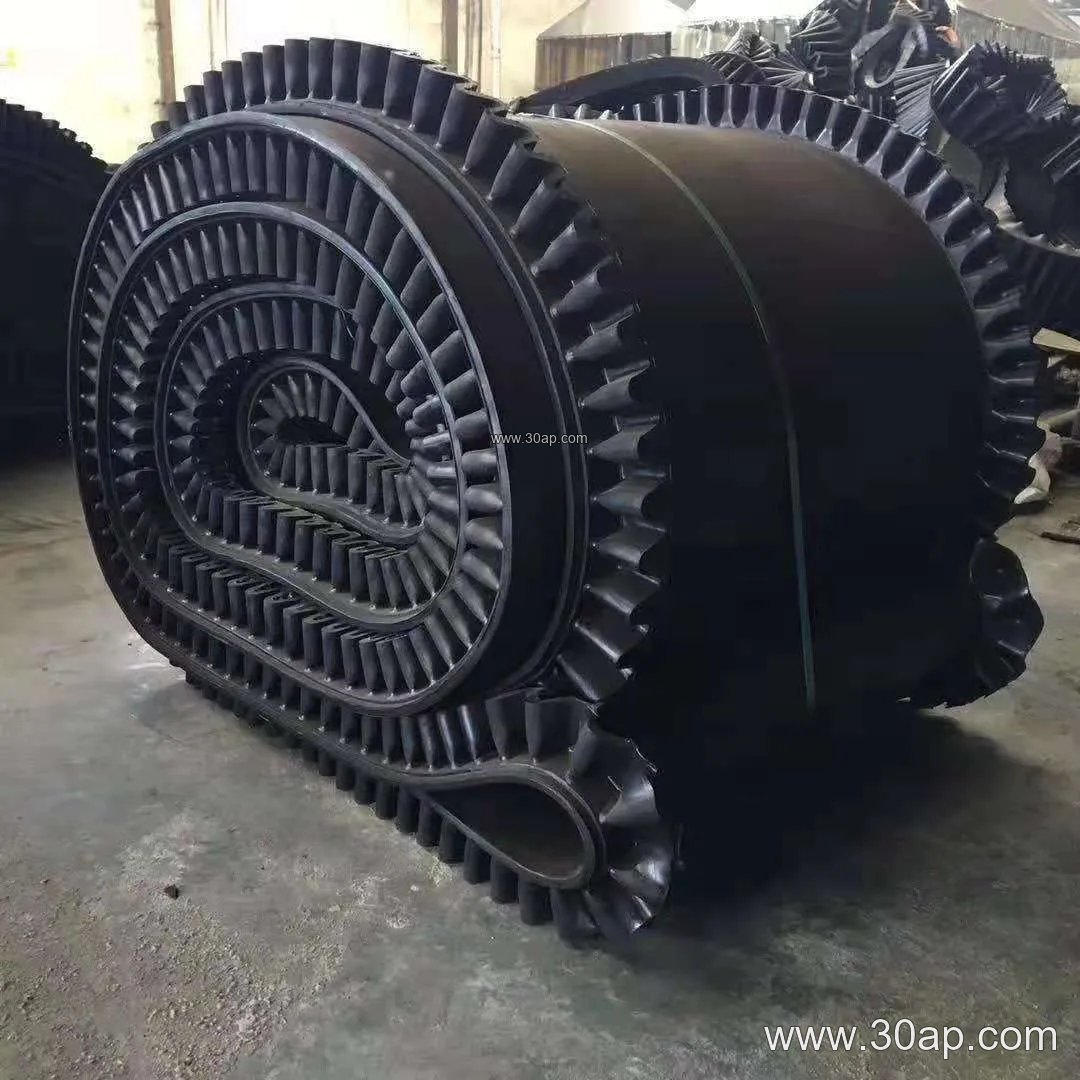
Ask about cover thickness, ply count, splice method, and whether the belt is supplied as an endless conveyor belt or in open lengths. Confirm the cold resistance of the splice material as well, because the joint is often the first place to fail in frost. For harsh outdoor service, a heavy-duty conveyor belt with a cold grade cover is a practical choice.
Handling and Maintenance
Store belts indoors or under cover before installation, and avoid sharp bends during handling. Keep the conveyor pulley and idler roller surfaces clean of ice and buildup, check belt tension, and inspect edges for small cracks before they grow. In freezing weather, start the conveyor empty where possible and allow the belt to warm up gradually. Regular checks of the conveyor bracket and frame help prevent misalignment that can damage a cold resistant conveyor belt.
For more information on matching belts with rollers, pulleys, and frames, see the product pages at www.example.com.