What Is a Parallel Idler Bracket?
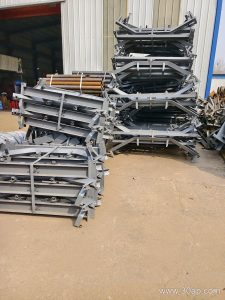
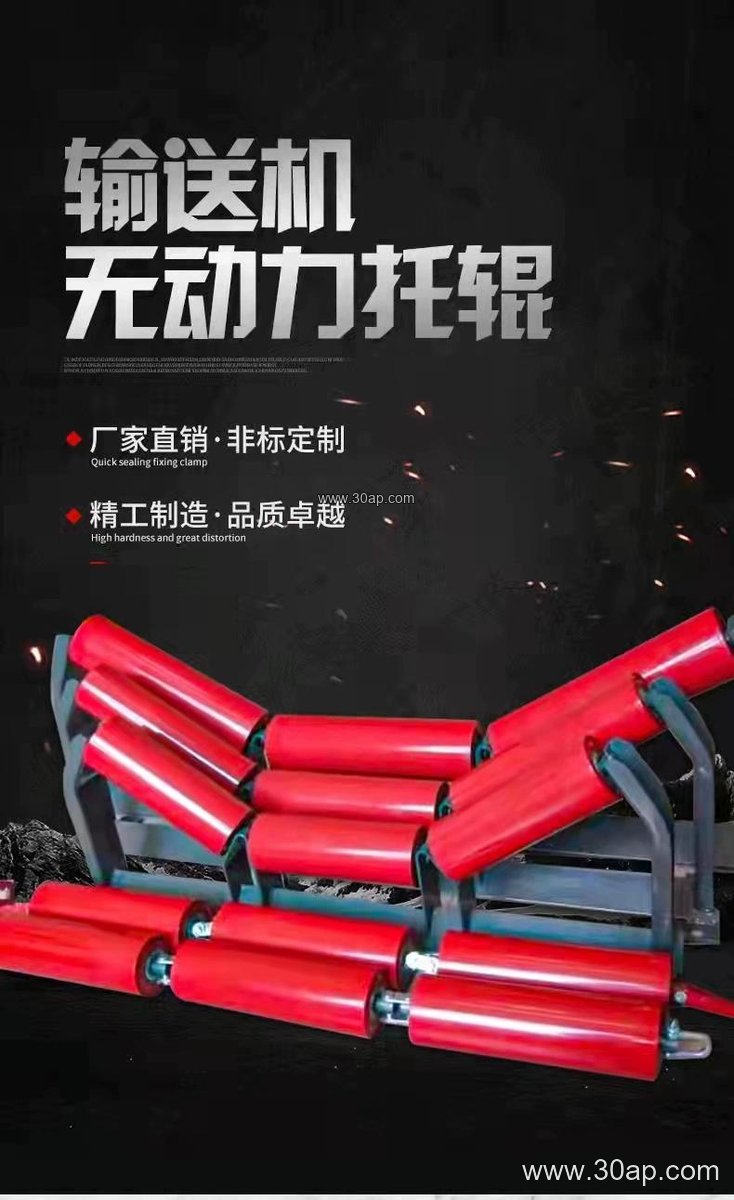
A parallel idler bracket is a support component that holds idler rollers in a parallel orientation relative to the conveyor frame. Unlike troughed or V-return brackets, this bracket keeps the rollers level and aligned, providing a flat surface for the conveyor belt. It is typically used on the carrying side where a flat belt profile is required, or on the return side to support the empty belt. Sometimes called a flat idler bracket or parallel roller bracket, this component is essential for maintaining belt stability and minimizing material spillage in specific conveyor zones.
Construction and Materials
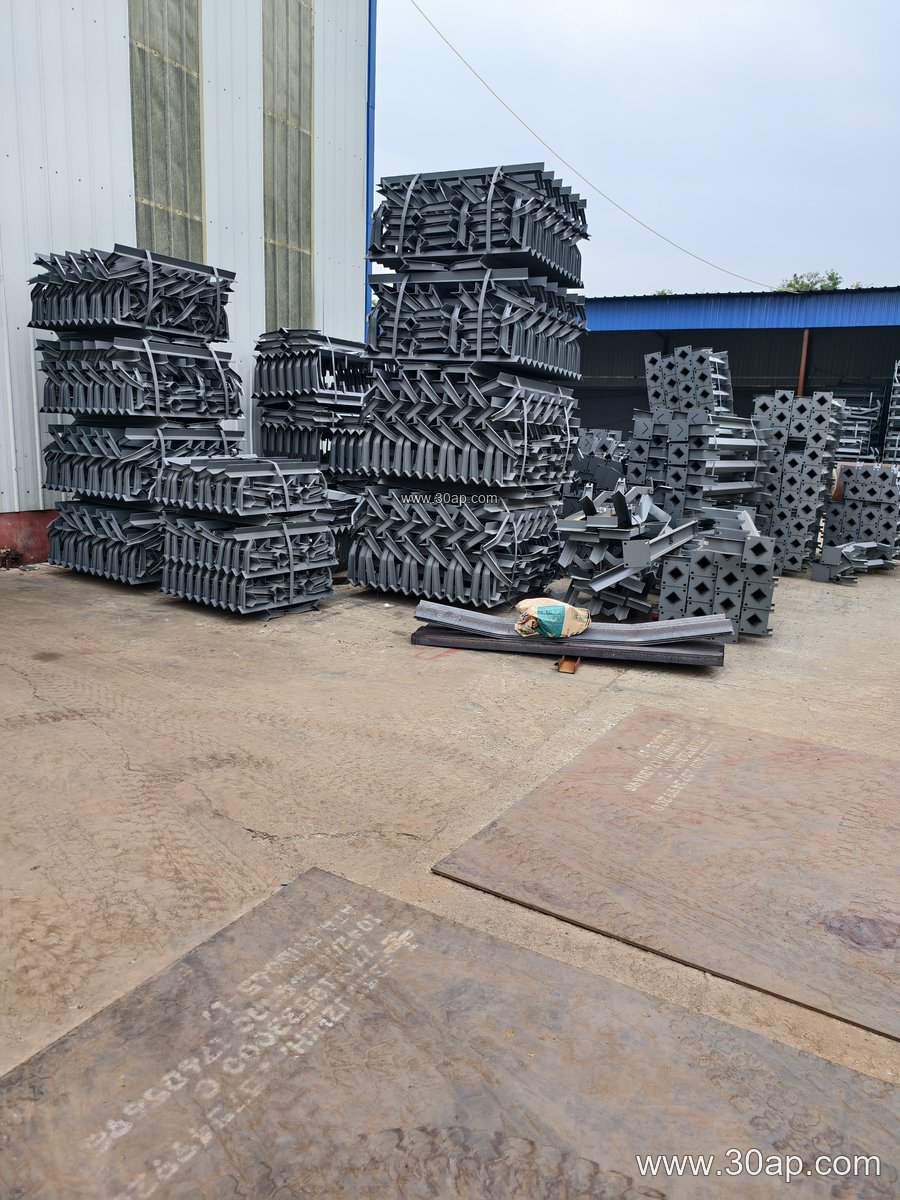
Parallel idler brackets are commonly fabricated from angle steel, channel steel, or folded steel plate. The choice of material depends on the load and environmental conditions. For heavy-duty applications in mining or cement plants, thicker channel steel is often preferred for its rigidity. The bracket includes mounting slots or holes that allow attachment to the conveyor frame, and the roller mounting positions are designed to accommodate standard idler shaft sizes. The design may be fixed or adjustable, with adjustable versions allowing fine-tuning of roller alignment to suit different belt widths and operational needs.
Where It Is Used
This bracket type finds application in industries such as mining, coal preparation, power plant coal handling, and quarrying. In a typical aggregate conveyor line, parallel idler brackets support the belt in transition areas or where a flat carrying run is necessary, such as before a crusher or at a transfer point. They are also used on the return side to support the belt and reduce sag. While troughed brackets are common for bulk material transport, parallel brackets offer a solution for specific sections where a flat profile improves belt tracking or accommodates equipment interfaces.
Key Selection Factors
When selecting a parallel idler bracket, buyers should consider the conveyor belt width, idler roller diameter, and the required mounting arrangement. Common belt widths include B500, B650, B800, B1000, B1200, B1400, and B1600, among others. Roller diameters such as Ø89, Ø108, Ø133, Ø159, and Ø194 are frequently used, with the choice depending on load and belt speed. The bracket’s dimensions, including mounting hole spacing and crossbeam length, are determined by the belt width and the specific conveyor design. It is important to match the bracket to the idler roller shaft size and the conveyor frame structure to ensure proper fit and alignment.
Typical Parameter Considerations
| Parameter | Common Options |
|---|---|
| Belt Width | B500, B650, B800, B1000, B1200, B1400, B1600 |
| Roller Diameter | Ø89, Ø108, Ø133, Ø159, Ø194 |
| Bracket Material | Angle steel, channel steel, folded steel plate |
| Mounting Type | Fixed or adjustable |
These values are for reference; actual selection should be based on the conveyor design and application requirements. For instance, a B800 belt with Ø108 rollers might use a parallel bracket in a transfer zone, while a B1200 belt with Ø133 rollers could require a heavier bracket for a primary carrying run.
Compatibility with Conveyor Components
Parallel idler brackets work in conjunction with idler rollers and the conveyor belt to ensure smooth operation. The bracket must be compatible with the roller shaft ends, which often have flats or grooves for locking. In mining and quarry operations, where abrasive materials are present, using abrasion resistant conveyor belts and robust idler rollers can extend the service life of the entire system. Additionally, proper alignment of the bracket helps prevent belt misalignment and reduces wear on the conveyor pulley and other components. For environments with heat or oil exposure, selecting appropriate heat resistant conveyor belt or oil resistant conveyor belt grades may be necessary, and the bracket should be able to withstand the same conditions.
Installation and Maintenance Tips
Correct installation of parallel idler brackets is crucial for optimal conveyor performance. Brackets should be mounted squarely to the conveyor frame to avoid skewing the rollers, which can cause belt tracking issues. Adjustable brackets allow for on-site alignment adjustments, which is beneficial when dealing with belt splices or frame irregularities. Regular maintenance includes checking for loose bolts, worn roller seats, and corrosion, especially in harsh environments like coal mines or chemical plants. Replacing damaged brackets promptly prevents further damage to the belt and rollers. In food grade or clean environments, stainless steel or coated brackets may be used, but the standard carbon steel brackets are common in heavy industries.
For more information on conveyor components such as conveyor idler rollers and conveyor pulleys, or to discuss your specific requirements, please visit our website at www.example.com/conveyor-idler-bracket.