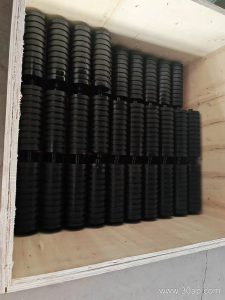
What an NN100 Conveyor Belt Is
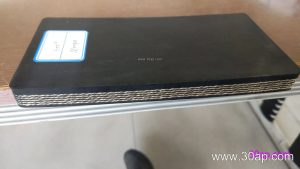
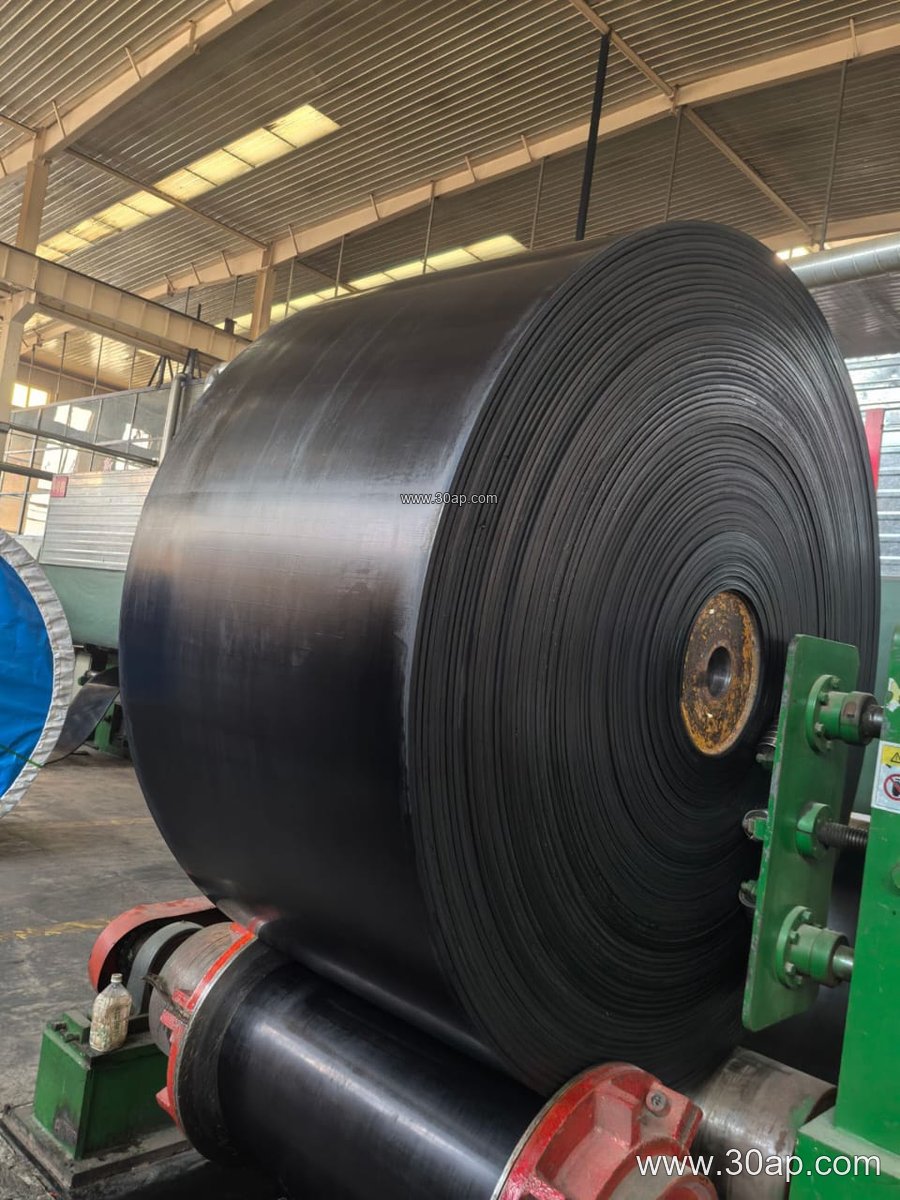
An NN100 Conveyor Belt is a fabric core conveyor belt built with nylon (NN) canvas as the tension-bearing skeleton. In the naming convention used across the conveyor industry, the number indicates the nominal tensile strength of the carcass per unit width, so NN100 sits at the lighter end of the nylon belt range, above general-purpose cotton belts and below heavier grades such as NN200, NN300 and NN400. It is a genuinely popular choice for medium-duty conveying lines where flexibility, troughability and reasonable strength matter more than extreme tension capacity.
Because the carcass is nylon rather than polyester, an NN Conveyor Belt offers excellent elasticity and resistance to repeated flexing. That makes it comfortable running over relatively small pulleys and through tight transition zones. Buyers comparing it with an EP Conveyor Belt should note that EP (polyester-nylon) construction usually gives lower elongation and better dimensional stability, while nylon carcass belts tend to absorb shock and impact more gracefully.
Construction and Typical Build
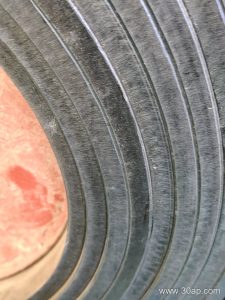
The belt is a layered composite. Nylon fabric plies form the core, rubber skim coats bond the plies together, and top and bottom cover rubber protect the carcass from abrasion, moisture and the material being carried. Edge construction is normally cut-edge or moulded-edge depending on the manufacturer and the intended service.
Common build details for this grade usually fall within the following ranges. Values are indicative and should always be confirmed against the actual design requirement.
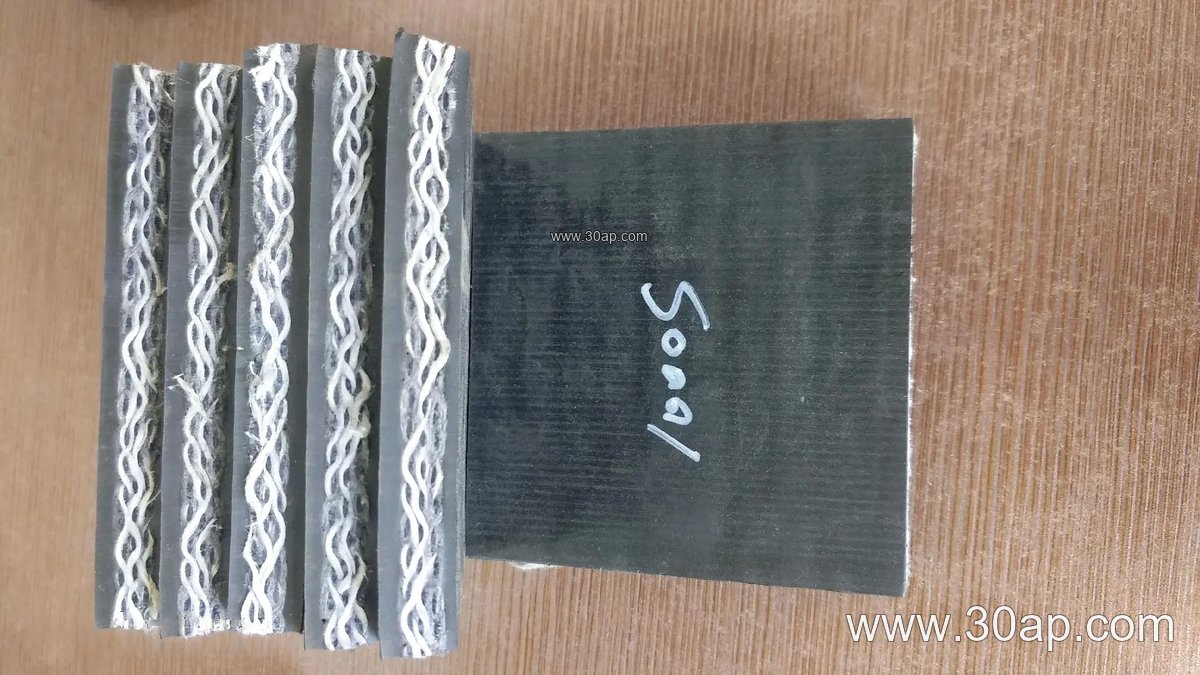
- Number of fabric plies: typically 2 to 6, with 3 to 5 most common for NN100 duty
- Cover rubber thickness: often 3+1.5 mm, 4+2 mm, 5+2 mm or 6+2 mm
- Belt width: commonly B500, B650, B800, B1000 and B1200, with wider options available
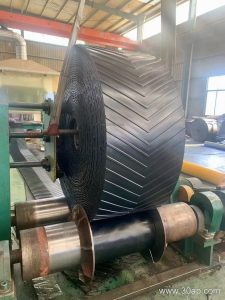
- Surface form: plain, or with chevron, skirted or corrugated sidewall profiles for special duties
Cover compound selection matters as much as the carcass. A standard abrasion resistant conveyor belt compound suits sand, gravel and crushed stone. Heat resistant conveyor belt grades are used where clinker or hot sinter is involved, while flame retardant conveyor belt and anti-static conveyor belt constructions are specified for underground coal mining conveyor belt systems and other hazardous atmospheres.
Where It Fits in a Conveyor System
An NN100 belt is at home in quarry conveyor belt lines, aggregate conveyor belt circuits, cement plant conveyor belt runs and general bulk material conveyor belt duties. It also appears in power plant conveyor belt systems handling coal, in sand making plant conveyor belt installations, and in lighter sections of a crusher conveyor belt arrangement where the discharge is screened or sized.
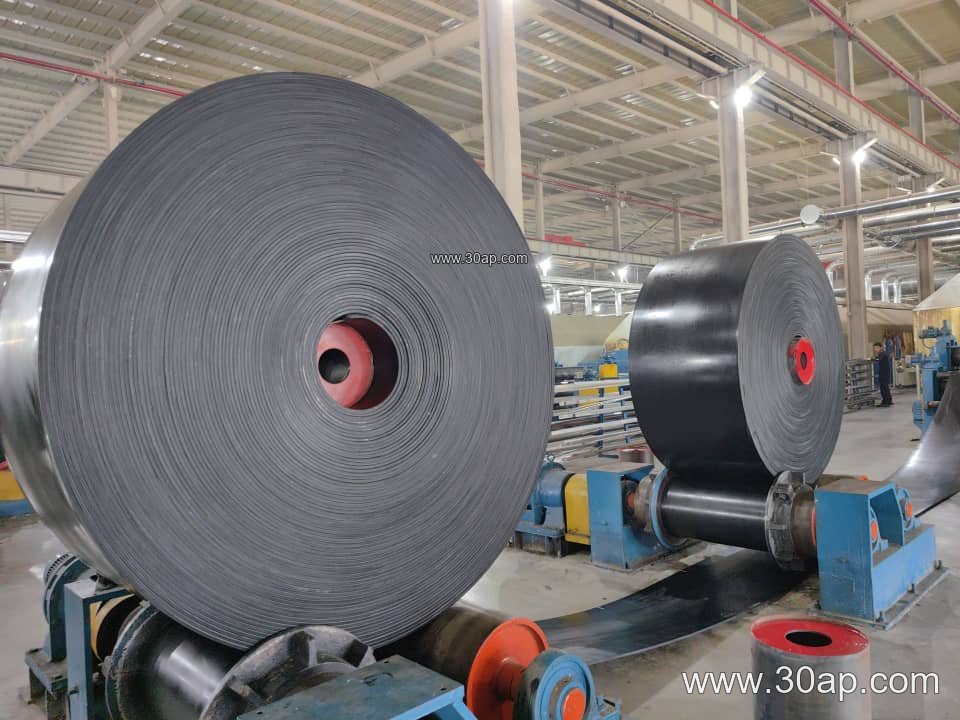
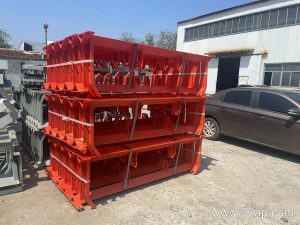
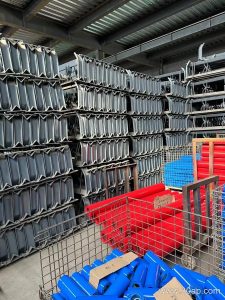
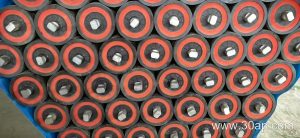
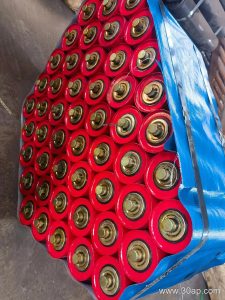
On the mechanical side, the belt works together with idler roller sets that support the carrying and return strands, conveyor pulley assemblies at the head and tail, and conveyor bracket structures that hold the whole frame together. Note that drive pulleys, tail pulleys and bend pulleys serve different functions and are not interchangeable; the belt’s flexibility helps it wrap smaller bend pulleys, but the pulley specification still follows the conveyor design, not the belt width alone.
Selection Points for Buyers
Choosing the right belt starts with the duty, not the catalogue. Consider the material type and lump size, the tonnage per hour, the incline angle, the pulley diameters, the ambient temperature and any fire or oil exposure. For steep inclines, a chevron conveyor belt or corrugated sidewall conveyor belt may be more suitable than a plain NN100 belt. For very long, high-tension lines, a steel cord conveyor belt or a high strength conveyor belt such as NN300 or NN400 may be the better fit.
Also check the cover grade carefully. A high abrasion resistant conveyor belt cover extends service life in sharp rock duty. An oil resistant conveyor belt or chemical resistant conveyor belt compound protects the carcass where contamination is likely. In cold climates, a cold resistant conveyor belt grade prevents cracking at start-up.
Installation and Maintenance Notes
Correct storage, careful splicing and proper tensioning make a real difference. Keep belts away from direct sunlight and ozone sources before installation. Align the conveyor pulley and idler roller frames so the belt trains centrally, and inspect the conveyor bracket and pulley lagging regularly for wear. Tracking problems often trace back to a misaligned tail pulley or a seized idler roller rather than the belt itself.
Inspect cover wear, edge damage and ply separation at intervals. A small repair early is cheaper than a full replacement later, and an endless conveyor belt splice made properly will usually outlast a mechanical joint in continuous duty.