What a Steel Plant Conveyor Idler Does
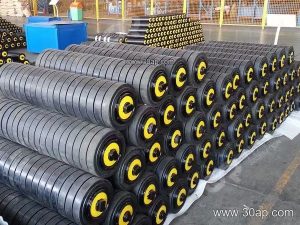
A steel plant conveyor idler is the rotating support that carries the conveyor belt along the entire length of a bulk handling line. In a sinter plant, coke yard, or finished product stockyard, these idlers keep the belt tracking smoothly while withstanding dust, heat, and heavy loads. The steel plant conveyor idler is not a single fixed item; it covers carrying idlers on the top run, return idlers underneath, and transition or impact idlers at transfer points. Each position calls for a different build, and choosing the right one affects belt life and energy use.
Construction Details That Matter
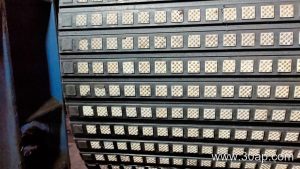
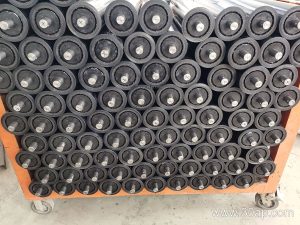
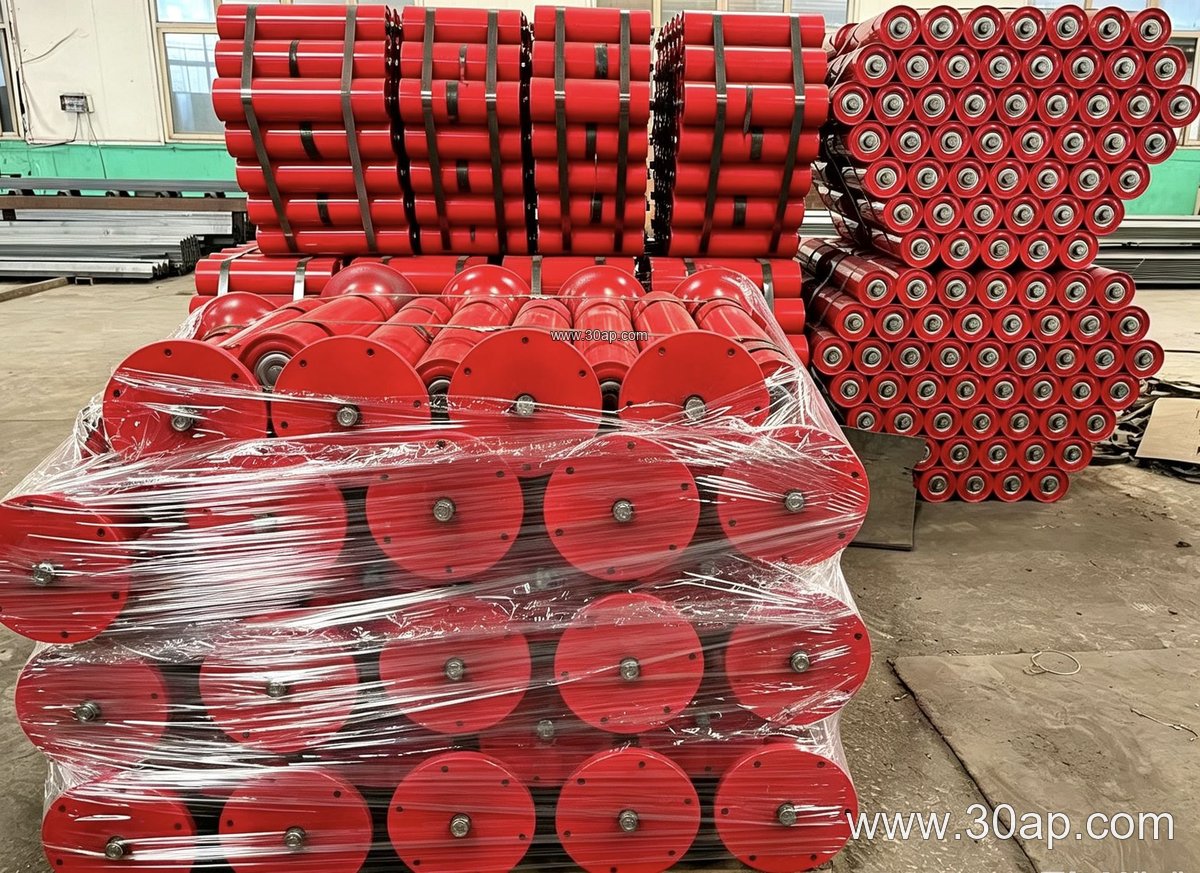
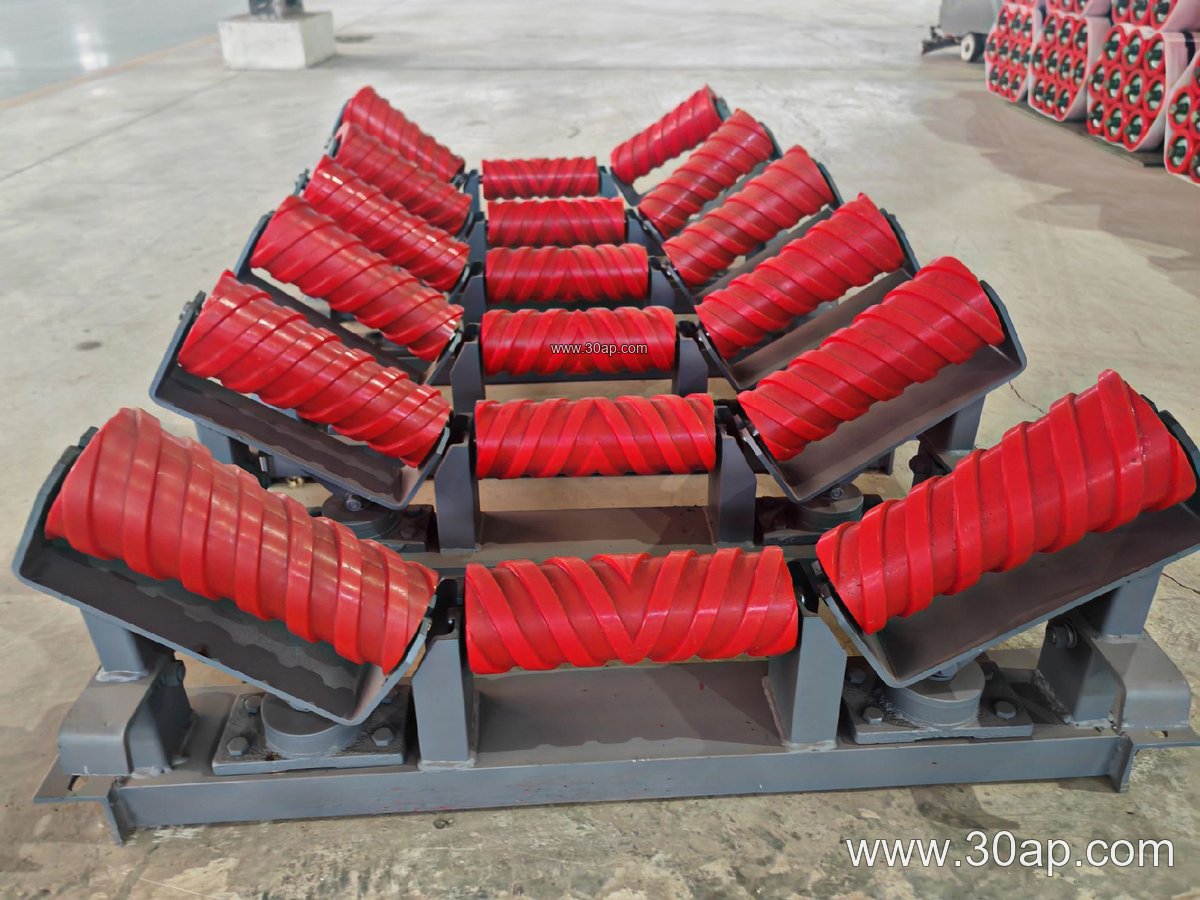
Most steel plant conveyor idlers use a steel tube shell fitted over a shaft with sealed ball bearings. Common roller diameters include Ø89, Ø108, Ø127, Ø133, Ø159, and Ø178, while larger sizes such as Ø194 and Ø219 appear on high-capacity lines. Bearing numbers like 6204, 6205, 6305, 6306, 6308, and 6310 are typical, but the bearing must match the shaft and load, not just the tube size. The roller surface may be plain steel, nylon, ceramic, or rubber rings. Rubber ring impact idlers are often placed under crusher discharge or sinter feed points where lumps fall onto the belt.
Sealing is a key differentiator. Steel plants generate fine dust and scale, so a labyrinth seal combined with grease retention helps prevent premature bearing failure. The idler roller should rotate freely by hand and show no wobble before installation.
Where These Idlers Fit in Steel Production
Steel plant conveyor idlers appear in raw material yards, coke handling, limestone and dolomite transport, sinter and pellet lines, and slag processing. A typical line may use three-roll troughing sets at 20, 30, 35, or 45 degrees, with roll lengths selected according to belt width. For example, a B800 belt commonly uses rolls around 315 mm long in a three-roll set, while B1200 may use about 465 mm. These are reference examples, not fixed rules; side rolls and center rolls can differ.
Return positions often use flat or V-shaped return idlers to support the empty belt. Training idlers, including friction and tapered types, help correct misalignment on long conveyors. Transition idlers with smaller trough angles ease the belt from flat to troughed profile near pulleys and reduce edge stress.
Matching Idlers to the Conveyor System
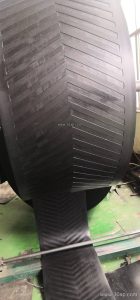
The conveyor belt itself influences idler choice. A heavy-duty mining conveyor belt or steel cord conveyor belt carrying iron ore needs robust rolls and close spacing. Heat resistant conveyor belt used near sinter or coke discharge may require idlers with heat-tolerant bearings and seals. Abrasion resistant conveyor belt handling limestone or coke breeze pairs well with ceramic or rubber-covered rolls in high-wear zones. Flame retardant conveyor belt in coal handling areas does not change the idler type, but fire safety practices around the conveyor bracket and structure still apply.
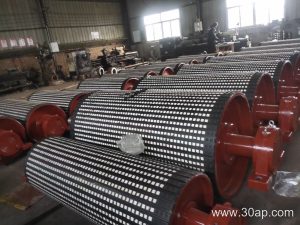
Belt width and speed set the roll diameter and bearing class. Wider belts, such as 1400mm or 1600mm, typically use larger diameter rolls to reduce rotation speed and bearing load. The conveyor pulley at the drive and tail ends is a separate component; idlers are not interchangeable with pulleys and should be specified as a distinct line item.
Buyer Checklist
- Confirm the belt width, trough angle, and idler group type (single, two-roll, or three-roll).
- State the roller diameter and bearing number required, or ask for a recommendation based on load and speed.
- Specify the roller surface: plain steel, nylon, ceramic, or rubber ring.
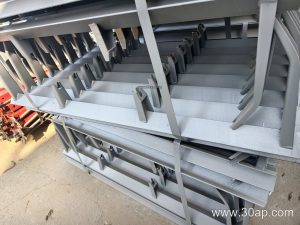
- Check the shaft end fixing method so it matches the existing conveyor bracket.
- For dusty or hot locations, request seal and grease details rather than assuming standard protection is enough.
Spare parts planning should include a small stock of carrying, return, and impact idlers. Inspect idlers regularly for seized bearings, worn shells, and buildup. Replacing a failed idler early protects the conveyor belt from tracking problems and edge damage. Whether the line moves pellet feed, coke, or scale, the steel plant conveyor idler remains a low-cost component with a direct effect on uptime.