What the ST1250 Conveyor Belt Is
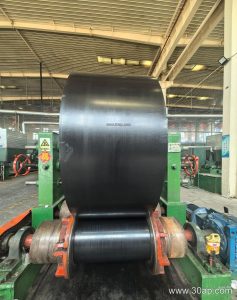
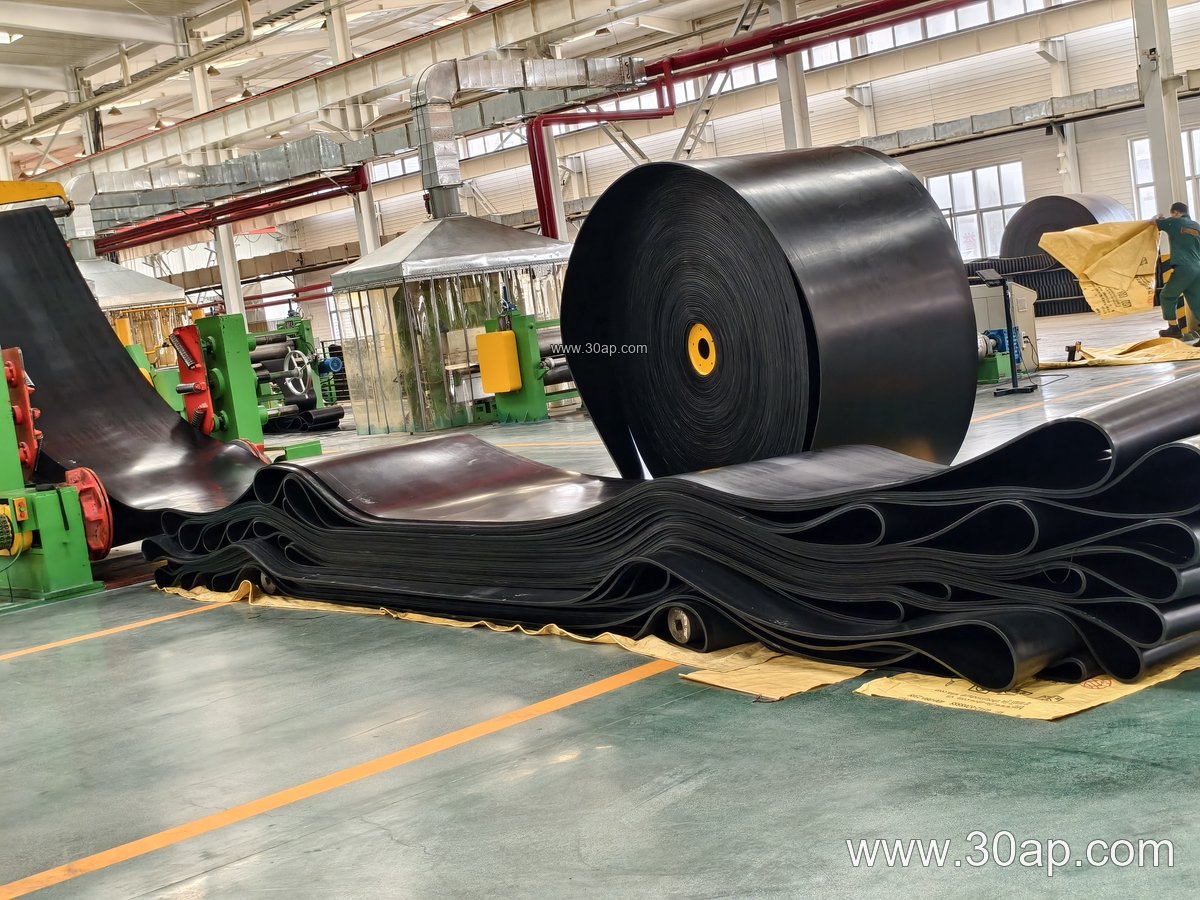
The ST1250 Conveyor Belt is a steel cord conveyor belt with a nominal tensile strength of 1250 N/mm. It belongs to the ST series, where the number indicates breaking strength rather than a fabric ply rating. In practice, this belt is chosen when a single long conveyor must carry heavy bulk material with limited stretch and good troughability. It is a common sight in mines, coal preparation plants, cement works, power stations and large quarry or port stockyards.
Because the load is carried by steel cords rather than woven fabric, the ST1250 grade sits in the middle of the steel cord range. It is stronger than ST1000 and lighter than ST1600 or ST2000, which makes it a practical middle option for main haulage lines where belt width and pulley geometry are already fixed.
How the Belt Is Built
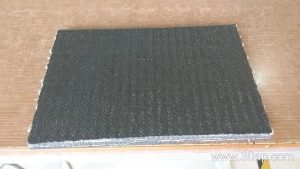
The carcass consists of parallel steel cords embedded in a rubber compound, arranged in a single plane. A layer of transverse reinforcement is usually placed above and below the cords to hold spacing and improve resistance to tearing and impact. Cover rubber is applied to both faces, with the top cover normally thicker for the carrying side.
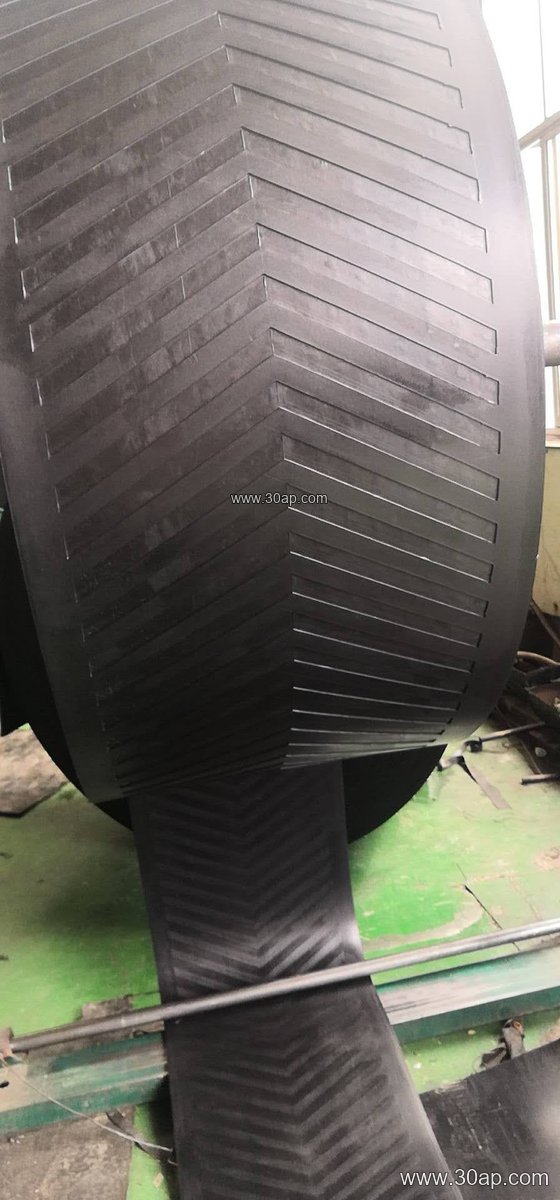
Typical construction details include:
- Steel cord pitch and cord diameter selected by the belt designer, not by the buyer alone.
- Top cover and bottom cover thickness chosen for the duty, for example 6+2 mm or 8+3 mm on abrasive ore duties.
- Rubber grades matched to the environment, such as abrasion resistant, heat resistant, flame retardant or anti-static compounds.
Because the cords are steel, the belt has very low elongation under load. That is why a steel cord conveyor belt is often used on long centre distances where a fabric belt would need more take-up travel. It also means splices must be made by trained crews using the correct cord splicing method.
Where It Fits in a Conveyor System
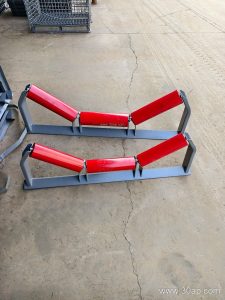
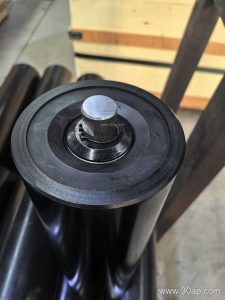
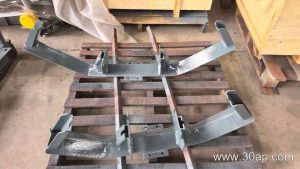
An ST1250 belt does not work alone. It runs over a drive pulley, a tail pulley and, on long or curved routes, one or more bend pulleys. Each of these has a different job, and they are not interchangeable. The drive pulley transmits torque, the tail pulley returns the belt, and bend pulleys redirect it. Idler rollers support the belt on the carrying and return sides, while conveyor brackets hold the idlers and pulleys in alignment.
Typical duty points include:
- Main haulage from a primary crusher to a stockpile in a quarry or aggregate plant.
- Coal transport in a coal mining or underground mining conveyor system, often with a flame retardant cover.
- Clinker and limestone handling in a cement plant.
- Ore transport in iron ore, copper ore and gold mining operations.
- Ship loading and yard conveyors at ports.
For very abrasive rock or ore, an abrasion resistant conveyor belt grade is usually specified. Where hot material is involved, a heat resistant conveyor belt cover may be needed. In underground coal mining, a flame retardant conveyor belt and anti-static properties are normally required by the site’s safety rules.
Specifications a Buyer Should Confirm
The table below lists common reference values. These are typical ranges, not a fixed supply promise, and final values are set by the belt designer and manufacturer.
| Parameter | Common reference |
|---|---|
| Belt type | Steel cord conveyor belt, ST1250 |
| Nominal strength | 1250 N/mm |
| Belt width | B800, B1000, B1200, B1400, B1600, B1800, B2000 |
| Cover thickness | 4+2, 5+2, 6+2, 8+3 mm |
| Cover grade | Abrasion resistant, heat resistant, flame retardant, anti-static, oil resistant |
| Applications | Mining, coal, cement, power plant, quarry, port |
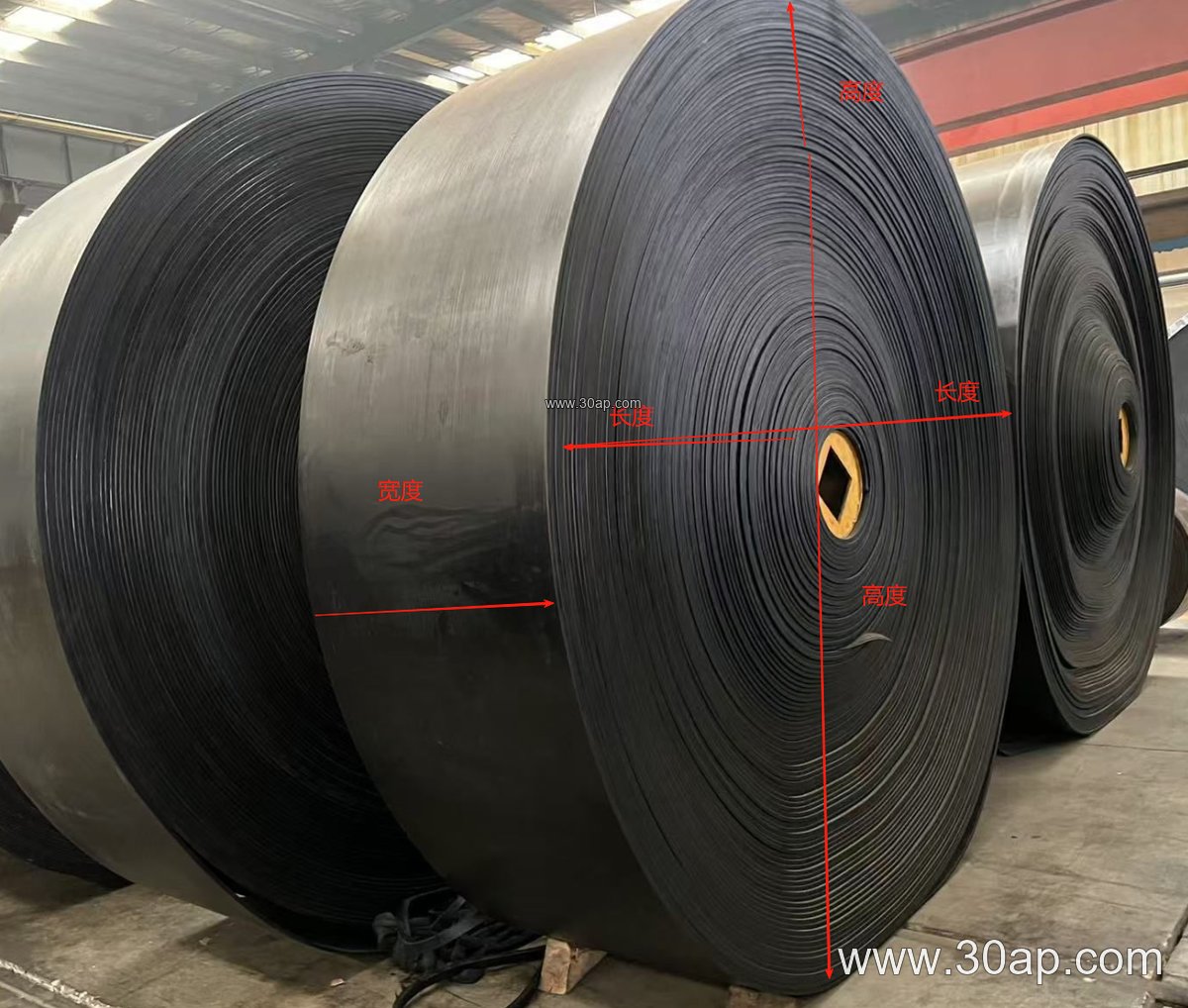
Belt width and pulley diameter are matched by calculation, not by a single rule. A wider belt does not automatically mean a larger pulley, and shaft diameter must be calculated from the actual load, not guessed from belt width.
Selection and Maintenance Notes
When specifying an ST1250 Conveyor Belt, confirm the material lump size, bulk density, moisture, temperature and any chemical exposure. Check whether the site needs a fire resistant conveyor belt or an oil resistant conveyor belt cover. Review the pulley diameters, take-up travel and splice method with the conveyor designer, because steel cord belts are less tolerant of small pulleys than fabric belts.
During operation, watch for cord exposure at the edges, cover gouging and splice wear. Keep idler rollers turning freely and check that conveyor brackets stay aligned, since a misaligned frame can damage the belt edge quickly. For a fair comparison, a fabric core belt such as an EP conveyor belt may suit shorter, lighter lines, but it is not a substitute for the ST1250 grade on a long, high-tension haul.
For more information on steel cord and fabric belt options, visit www.example.com/steel-cord-conveyor-belt or www.example.com/conveyor-belt.