What a 630mm Diameter Conveyor Pulley Is
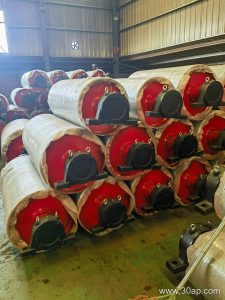
A 630mm diameter conveyor pulley is a large-diameter drum used to drive, tension, or redirect a conveyor belt in demanding bulk handling operations. With a face width typically matched to the belt—often around 750mm for a B650 belt or 950mm for a B800 belt—this pulley size sits in the mid-to-heavy range of standard drum diameters. It is not a one-size-fits-all component; the 630mm dimension refers only to the drum outside diameter, while shaft size, lagging, and bearing selection are determined by the actual torque and load profile of each conveyor.
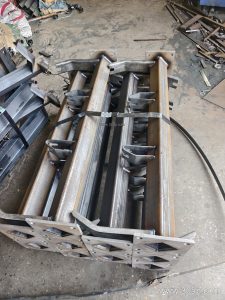
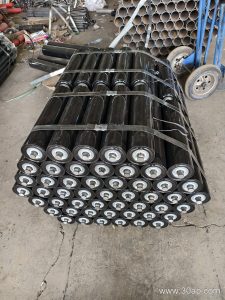
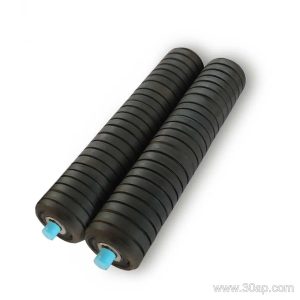
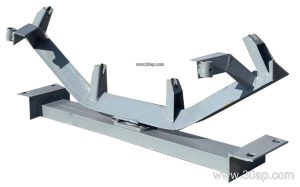
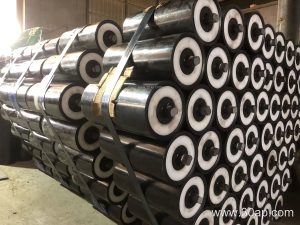
In industries such as quarrying, cement clinker handling, and iron ore processing, the 630mm diameter conveyor pulley often appears as a drive or tail drum where belt tension and material load are substantial. It works alongside conveyor idler rollers, conveyor brackets, and the conveyor belt itself to keep material moving reliably.
Construction and Surface Options
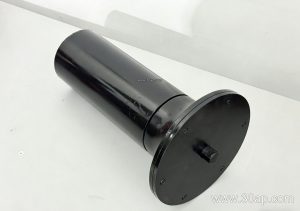
The pulley body is usually fabricated from rolled steel shell, welded to end discs and a hub assembly. Shafts are commonly sized from Ø100 to Ø160 for this diameter class, but final shaft diameter must be calculated from torque and radial load—never assumed from belt width alone.
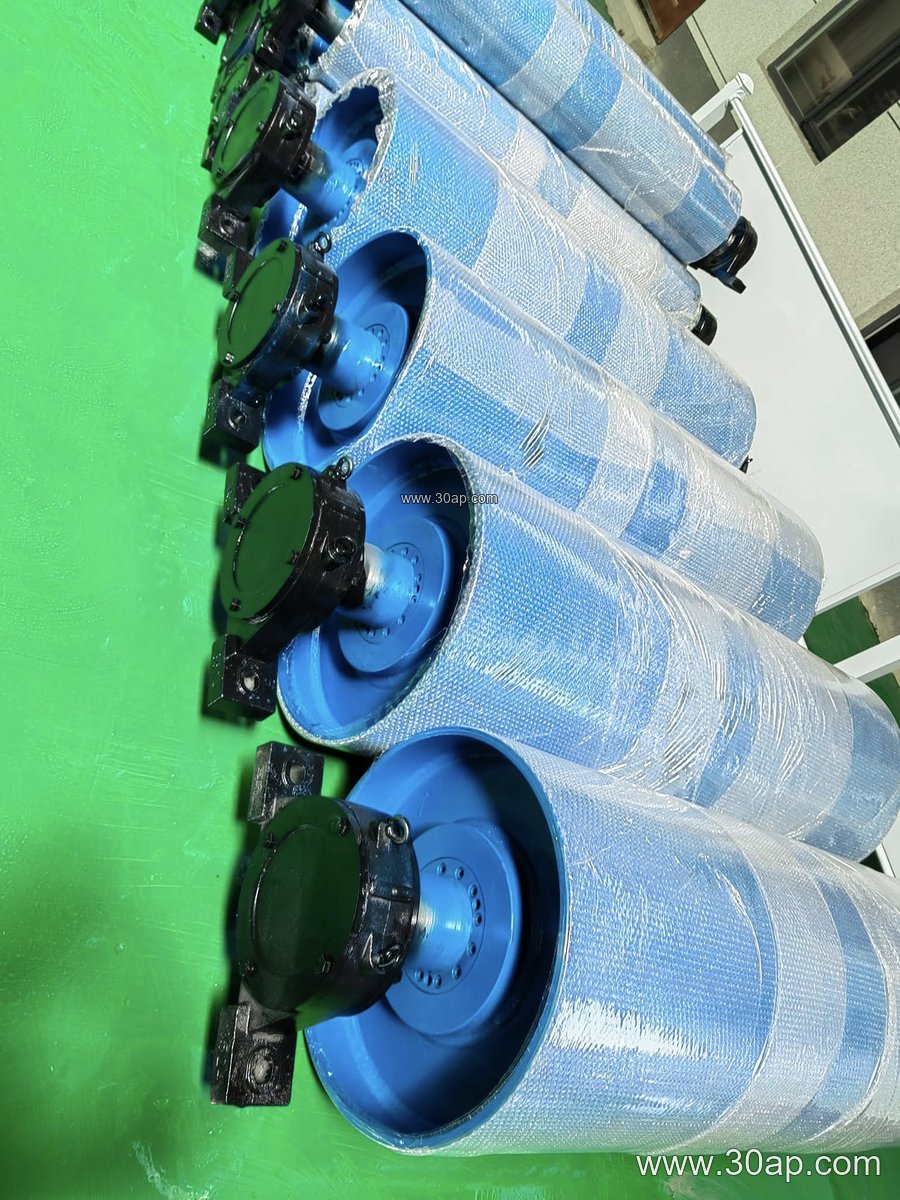
Surface treatment is a key specification. Common lagging choices include plain steel, cast rubber, cold-bonded rubber, hot-vulcanized rubber, diamond pattern lagging, herringbone lagging, and ceramic lagging. Lagging thickness often ranges from 8mm to 20mm depending on grip requirements and environment. In wet or muddy conditions, diamond or herringbone rubber lagging helps maintain traction; in high-abrasion service, ceramic lagging may be considered.
Where It Fits in a Conveyor
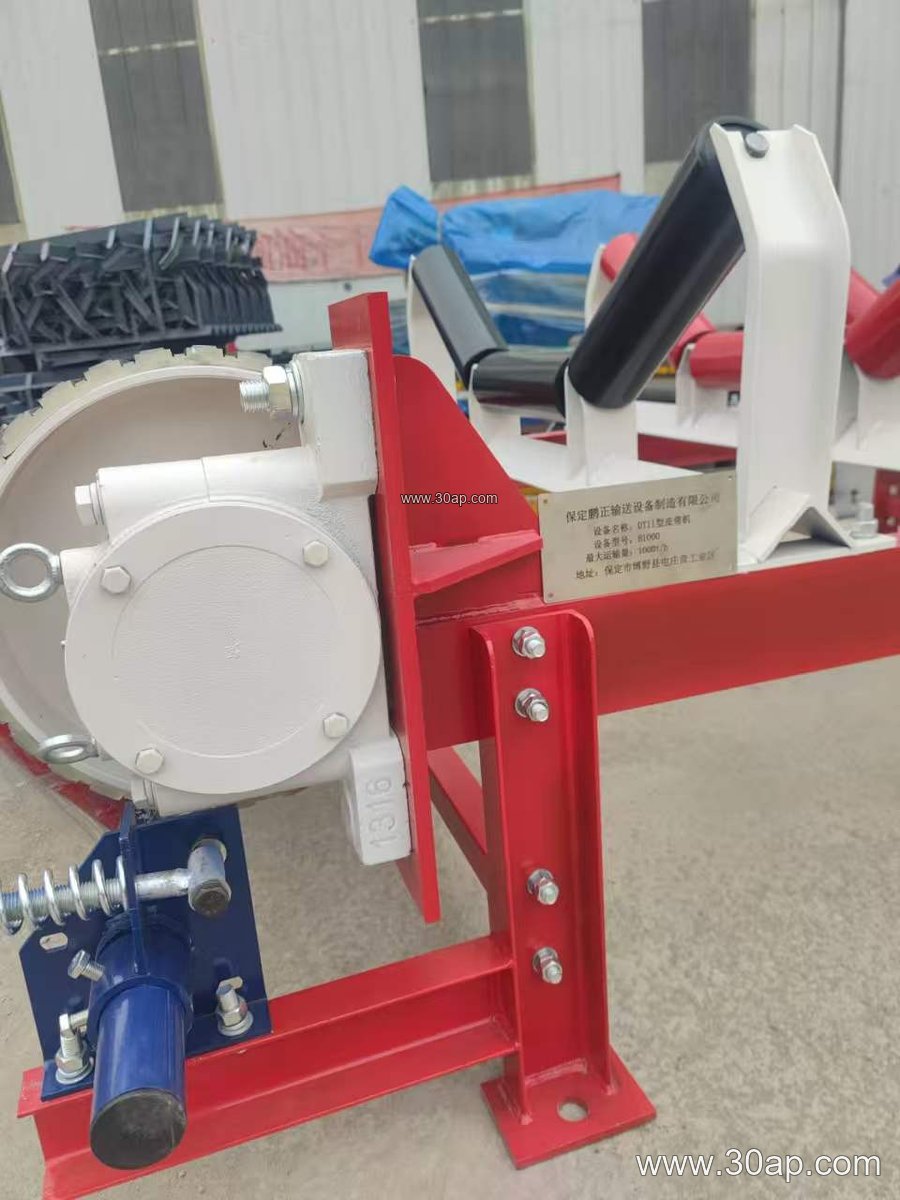
A 630mm diameter pulley is frequently used as a drive pulley at the head of a conveyor, as a tail pulley at the loading point, or as a bend pulley where the belt path changes direction. Each position imposes different demands. Drive pulleys need high friction and torque capacity, tail pulleys must resist material impact and buildup, and bend pulleys are often lighter but still require accurate alignment. The same 630mm diameter can serve any of these roles, but the lagging, shaft, and bearing housing are selected accordingly.
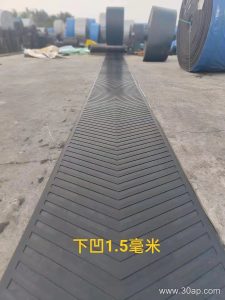
In a coal washing plant or a limestone quarry, this pulley size may be paired with an abrasion resistant conveyor belt or a heat resistant conveyor belt depending on the material temperature. For long overland systems, a steel cord conveyor belt may run over larger pulleys to reduce bending stress, while fabric core belts such as EP conveyor belt or NN conveyor belt are common in shorter, high-incline routes.
Matching Belt Width and Pulley Diameter
Belt width and pulley diameter are related but not locked in a fixed pairing. A B800 belt may run on a Ø500 pulley in a light-duty application or on a Ø630 pulley where extra wrap and belt life are needed. The table below shows typical reference combinations, not mandatory matches.
| Belt Width (mm) | Typical Pulley Face Width (mm) | Common Pulley Diameter (mm) |
|---|---|---|
| B650 | 750 | Ø500, Ø630 |
| B800 | 950 | Ø500, Ø630, Ø800 |
| B1000 | 1150 | Ø630, Ø800, Ø1000 |
| B1200 | 1400 | Ø800, Ø1000 |
These values are for reference only. The final selection should consider belt tension, load, speed, and the required arc of contact.
Buyer Checklist for a 630mm Pulley
- Confirm the actual belt width and required face width, not just the drum diameter.
- Specify lagging type and thickness based on grip and wear conditions.
- Provide torque and load data so the shaft diameter can be calculated correctly.
- Check bearing housing size and mounting dimensions against the conveyor bracket.
- Consider environmental factors such as dust, water, and temperature, which may call for a flame retardant conveyor belt or an oil resistant conveyor belt in the same system.
- Ask for dynamic balancing and runout tolerances if the pulley will operate at higher speeds.
Whether the application is a crusher conveyor belt line in a sand and gravel plant or a bulk material conveyor belt in a port, the 630mm diameter conveyor pulley should be specified as part of the whole drive system. At www.waimaogongsi.com, you can find related components such as conveyor pulley assemblies, idler roller series, and conveyor bracket options to complete the setup.