What a Heavy-Load Conveyor Idler Does on the Line
A heavy-load conveyor idler is the roller set that carries the loaded strand of a conveyor belt where tonnage, lump size and continuous operation put real stress on every rotating part. In a quarry, a limestone mine or a coal preparation plant, the difference between a standard roller and a heavy-duty conveyor idler usually shows up in the bearing housing, the shell thickness and the seal, not in the paint. The idler roller is a small component compared with the conveyor pulley at the head or the drive pulley at the tail, but it is repeated hundreds of times along the route, so its reliability decides how often the line stops.
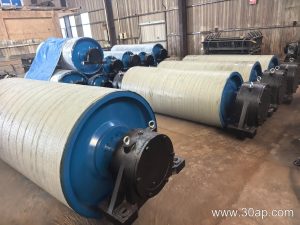
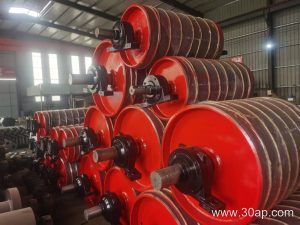
The same product is often called a heavy-duty carrying idler or a heavy-load troughing roller. Those names describe the same item; they are not a different product category. Drive, tail and bend pulleys remain separate components and are not interchangeable with any idler.
How the Roller Is Built
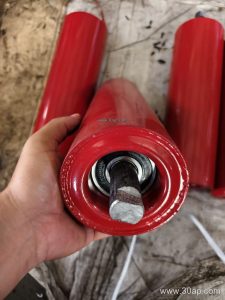
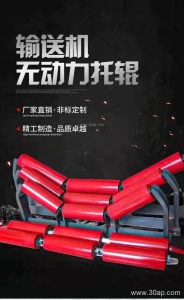
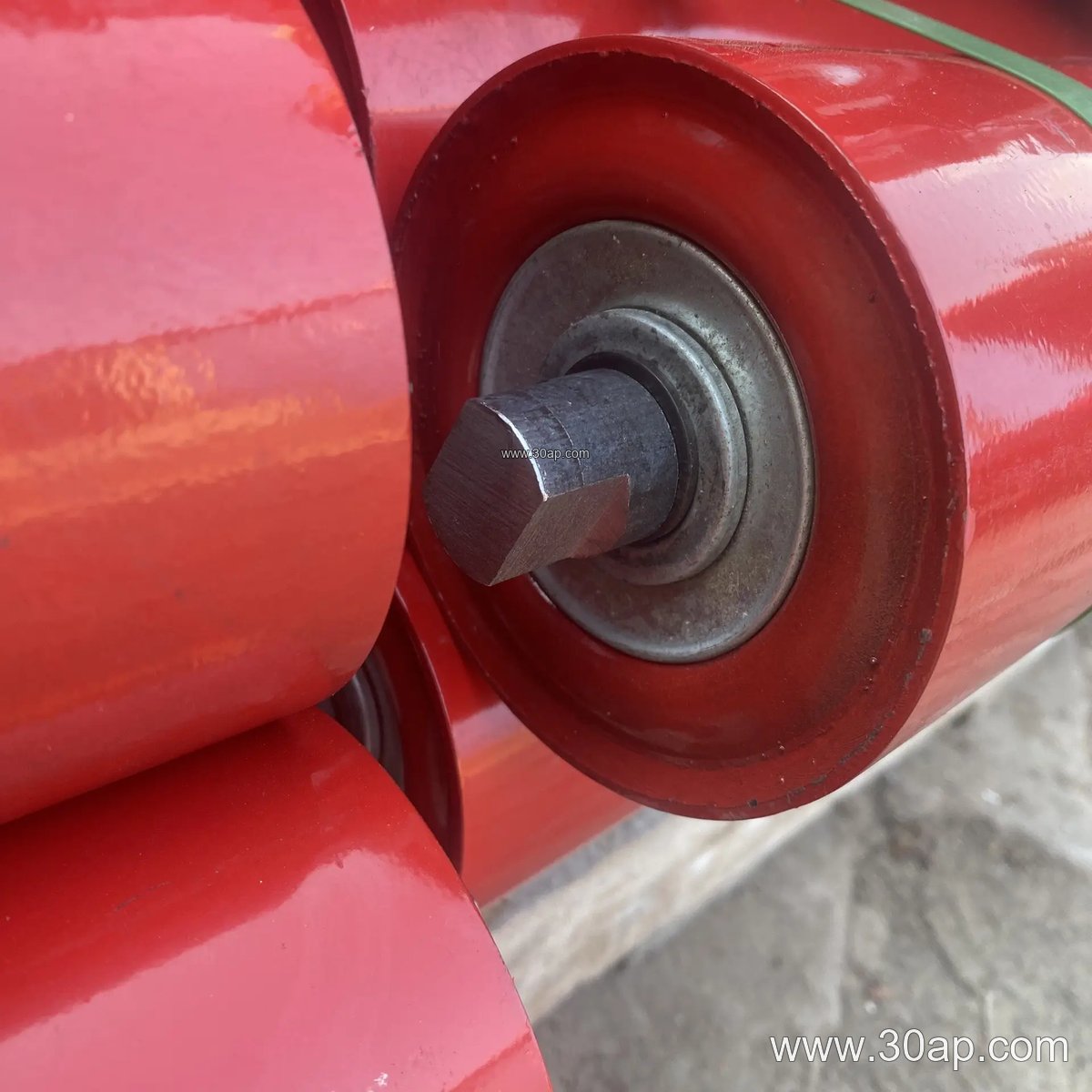
A typical heavy-load conveyor idler uses a thick-walled steel tube shell, welded bearing housings at both ends, and a shaft that runs through the full length. Bearings are usually deep-groove ball bearings in sizes such as 6205, 6305, 6306, 6308 or 6310, chosen by load calculation rather than by belt width alone. Labyrinth seals, sometimes combined with a contact lip seal, keep dust out in crushing and screening circuits. Roller surfaces can be plain steel, nylon, ceramic or rubber rings; rubber rings are common on impact idlers at transfer points where falling rock would otherwise dent the shell.
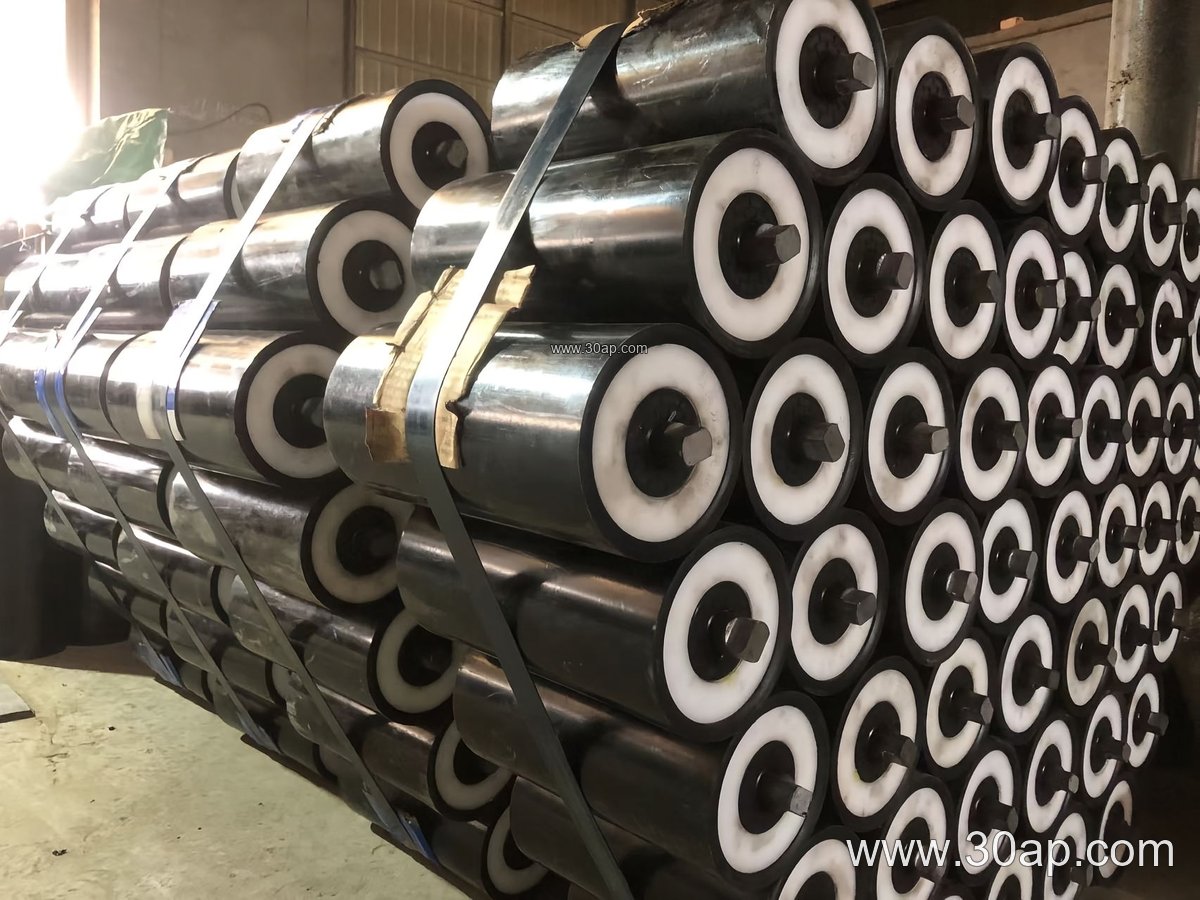
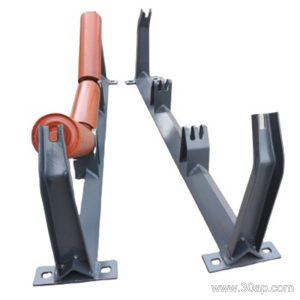
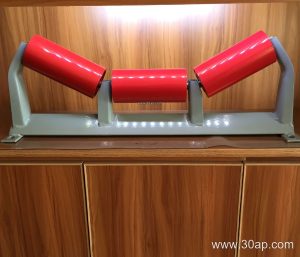
The idler sits in a conveyor bracket or frame. A three-roll troughing set is the usual arrangement on the carrying side, while a single flat roll or a V-shaped return set supports the empty belt. Roll diameter commonly ranges from Ø89 up to Ø219 depending on load and belt speed, and trough angles are often 20, 30, 35 or 45 degrees. Roll length follows belt width, trough angle and frame type; for example, a three-roll set on a B1000 belt often uses rolls around 380 mm long, while a B1400 set may use rolls near 530 mm. These are common references, not fixed pairings.
Where Heavy-Load Idlers Are Used
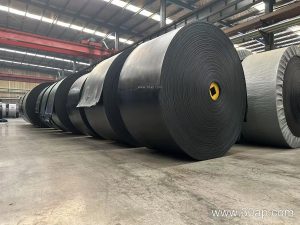
The heaviest duties tend to appear in iron ore and copper ore handling, sinter plants, cement clinker lines and power plant coal yards. A steel cord conveyor belt or a high-strength EP conveyor belt can carry very high tonnage, and the idler beneath it must handle that load without excessive deflection. In a sand and aggregate line, a crusher conveyor belt often receives sharp, irregular rock, so impact-resistant rollers at the loading zone and well-sealed carrying idlers downstream are both part of the same design.
Underground coal mining adds flame retardant conveyor belt requirements and confined space, so roller replacement speed matters. Ports and ship loading conveyors favor long, low-maintenance runs. Whatever the site, the idler specification should follow the actual belt tension, material density and lump size rather than a generic catalogue number.
Specification Reference for Buyers
Use the table below as a starting point for discussion with a supplier. Values are common reference data and should be confirmed against the conveyor design.
| Parameter | Common Range | Notes |
|---|---|---|
| Roll diameter | Ø63 to Ø219 mm | Ø133, Ø159 and Ø178 often used on heavy carrying sets |
| Belt width | B400 to B2400 mm | Wider belts need more support points, not just larger rolls |
| Trough angle | 20, 30, 35, 45 degrees | Higher angle suits fine material; check belt training |
| Roll surface | Steel, nylon, ceramic, rubber ring | Rubber ring for impact zones |
| Bearing | 6204, 6205, 6305, 6306, 6308, 6310 | Selected by load and speed calculation |
| Set type | Single, two-roll, three-roll troughing | Return side often flat or V-shaped |
Selection and Maintenance Points
- Match the idler class to the belt’s loaded weight per metre and to the lump size at the transfer point.
- Check seal design for dusty sites such as crushing and screening plants; dust ingress shortens bearing life faster than load does.
- Keep spare carrying and return idlers on site; a seized roller can damage the belt cover quickly.
- Inspect alignment and frame condition, since a worn conveyor bracket can misalign a good idler.
- For heat or oil exposure, confirm belt and roller compatibility before ordering.
Related equipment such as the conveyor belt, conveyor pulley and frame should be reviewed together. A heavy-load conveyor idler performs best when the whole conveyor is specified as one system, and buyers should ask for load calculations rather than accepting a size based on belt width alone.