What a Conveyor Support Bracket Does
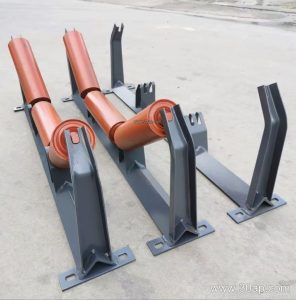
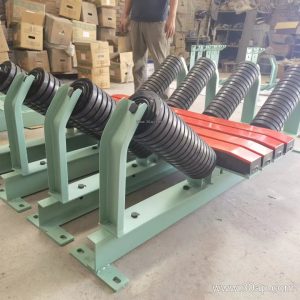
A conveyor support bracket is the structural interface between the idler roller and the conveyor frame. It holds each roller at the correct height, angle and spacing so the belt keeps its trough shape, stays aligned and carries material without excessive sag. On a long overland line the bracket also transfers load into the stringer or channel, which makes its material and weld quality as important as its geometry. In a quarry, a coal preparation plant or a cement kiln feed line, a loose or misaligned bracket shows up quickly as belt wander, edge wear or spillage.
Buyers often treat the bracket as a minor accessory, but it controls the contact between the belt and the rollers. When the mounting height drifts, the trough angle changes and the load profile changes with it. The bracket is also the part that determines how easy it is to replace a seized idler roller during a short maintenance window.
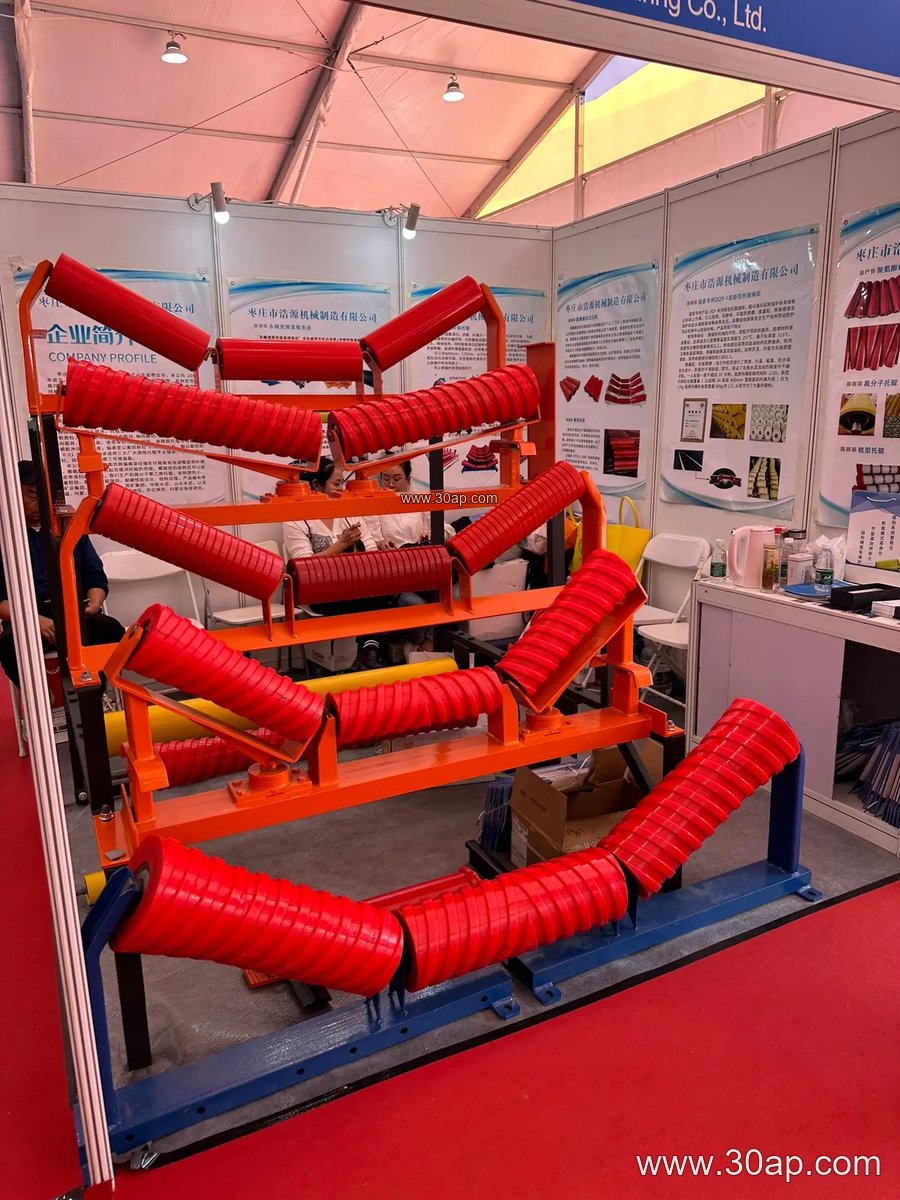
Construction and Common Forms
Most brackets are fabricated from angle steel, channel steel or folded steel plate. The roller seats are punched or drilled to match the shaft ends of the idler roller, and the base is bolted or welded to the conveyor frame. Depending on the duty, the surface may be painted or galvanized. Common configurations include:
- Troughing brackets for carrying idlers on the top run
- Transition brackets near the head and tail
- Return brackets and V-return brackets for the bottom run
- Impact brackets at loading points, usually paired with impact rollers
- Self-aligning and forward-tilted brackets for tracking correction
- Hanging brackets and adjustable brackets for special frames
An adjustable bracket allows the trough angle to be set within a range rather than fixed at one value. This is useful during commissioning, when the belt is still settling onto the rollers, and on lines where the same frame design serves more than one duty.
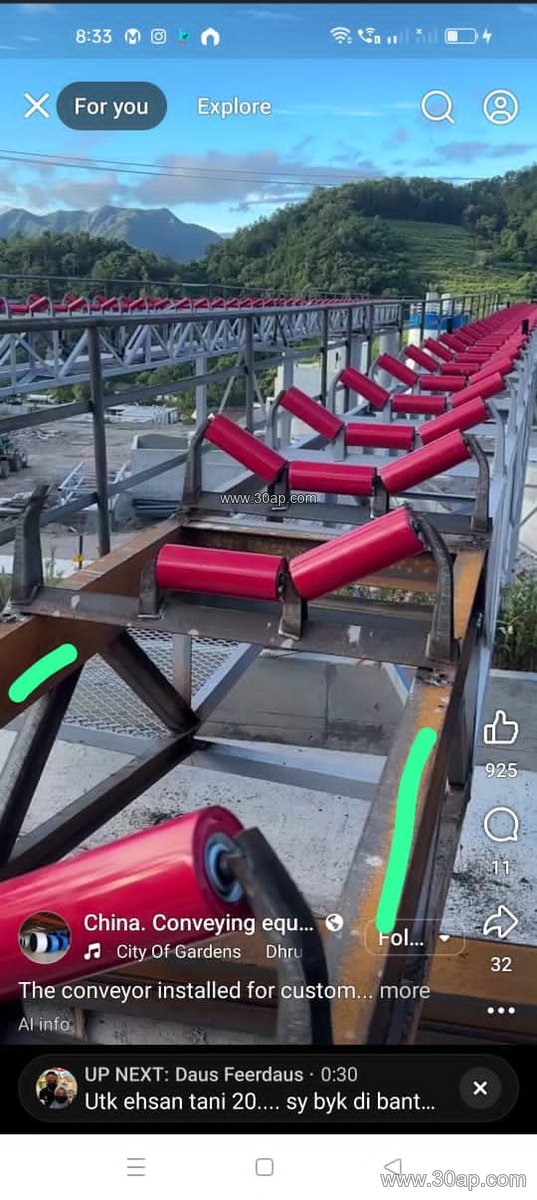
Matching Bracket, Belt and Roller
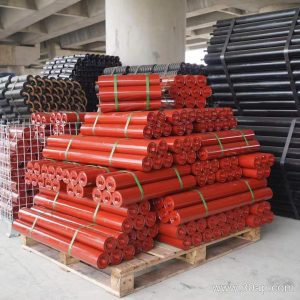
The bracket must suit the belt width, the trough angle and the roller diameter together. Typical reference combinations include B800 with a 35 degree trough and Ø108 rollers, B1200 with 45 degrees and Ø133, or B650 with 30 degrees and Ø89. These are examples, not fixed rules: a given belt width can be run at different trough angles or roller diameters depending on capacity, material and frame design. Mounting hole spacing and beam length usually change with belt width and trough angle, so they should be confirmed from the drawing rather than assumed.
Belt construction matters too. A heavy-duty mining conveyor belt or a steel cord conveyor belt on a high-tonnage line may call for a stiffer frame and closer idler spacing, while a fabric core conveyor belt on a shorter aggregate conveyor allows a lighter bracket. At a transfer point, an impact resistant conveyor belt works better with impact brackets that absorb fall energy. In dusty coal handling, a flame retardant conveyor belt is often specified, and the bracket layout should still allow fast roller changes without disturbing the belt line.
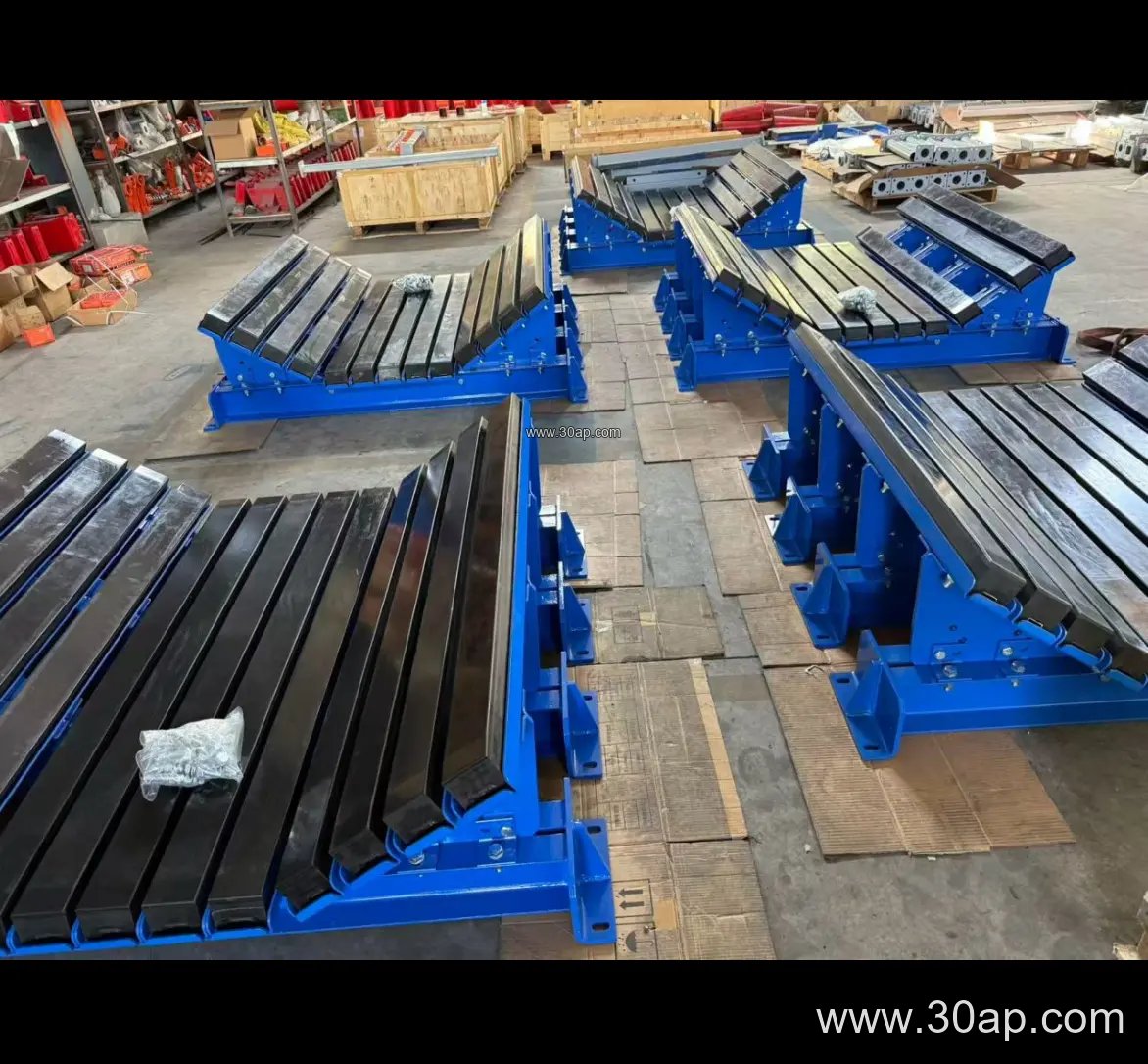
Where These Brackets Are Used
Two typical settings show the range. In a limestone quarry or sand and gravel line, troughing brackets on the primary crusher discharge belt take constant shock loading and abrasive dust, so wear and bolt tightness deserve regular checks. In a power plant coal yard, the same bracket family appears on the yard belt and the bunker feed line, where fine coal and moisture make tracking problems more visible. Similar arrangements are found in iron ore handling, sinter plants, cement plants and port ship loading systems.
For matching hardware, see the roller and pulley ranges at gdconveyorbelt.com, and for belt-side compatibility refer to the idler roller and conveyor pulley data at gdconveyorbelt.com. Belt specifications such as EP conveyor belt or NN conveyor belt grades are usually selected alongside the bracket and roller layout, not after it.
Selection and Maintenance Points
Before ordering, confirm the belt width, trough angle, roller diameter, frame type and mounting dimensions. Ask whether the bracket is fixed or adjustable, and check the steel section and finish against the environment. On site, inspect for bent seats, elongated bolt holes and corrosion at the welds, and replace damaged brackets rather than forcing a roller into a distorted seat. Keeping spares of the most common bracket size shortens downtime and helps maintain consistent belt tracking across the whole conveyor.