What a High-Strength Idler Is
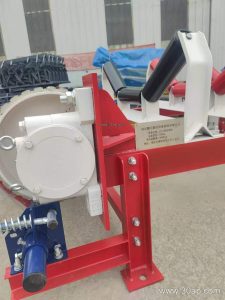
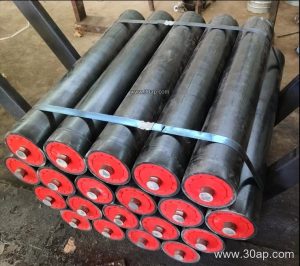
A high-strength idler is a conveyor roller built to carry heavy loads without premature wear. In the field it is often simply called a heavy-duty idler or a reinforced idler roller. It sits under the belt, supports the moving load, and keeps the conveyor belt tracking in a stable line. The difference from a standard roller is not one single feature but a combination of thicker shell, stronger bearing housing, better sealing, and a frame that holds alignment under load.
In a quarry conveyor or a cement plant conveyor line, the idler is a small part of the total cost but a large part of the maintenance log. A weak roller can seize, wear through the shell, or damage the belt edge. A high-strength idler is chosen where the belt is wide, the material is heavy, or the conveyor runs many hours per day.
How the Roller Is Built
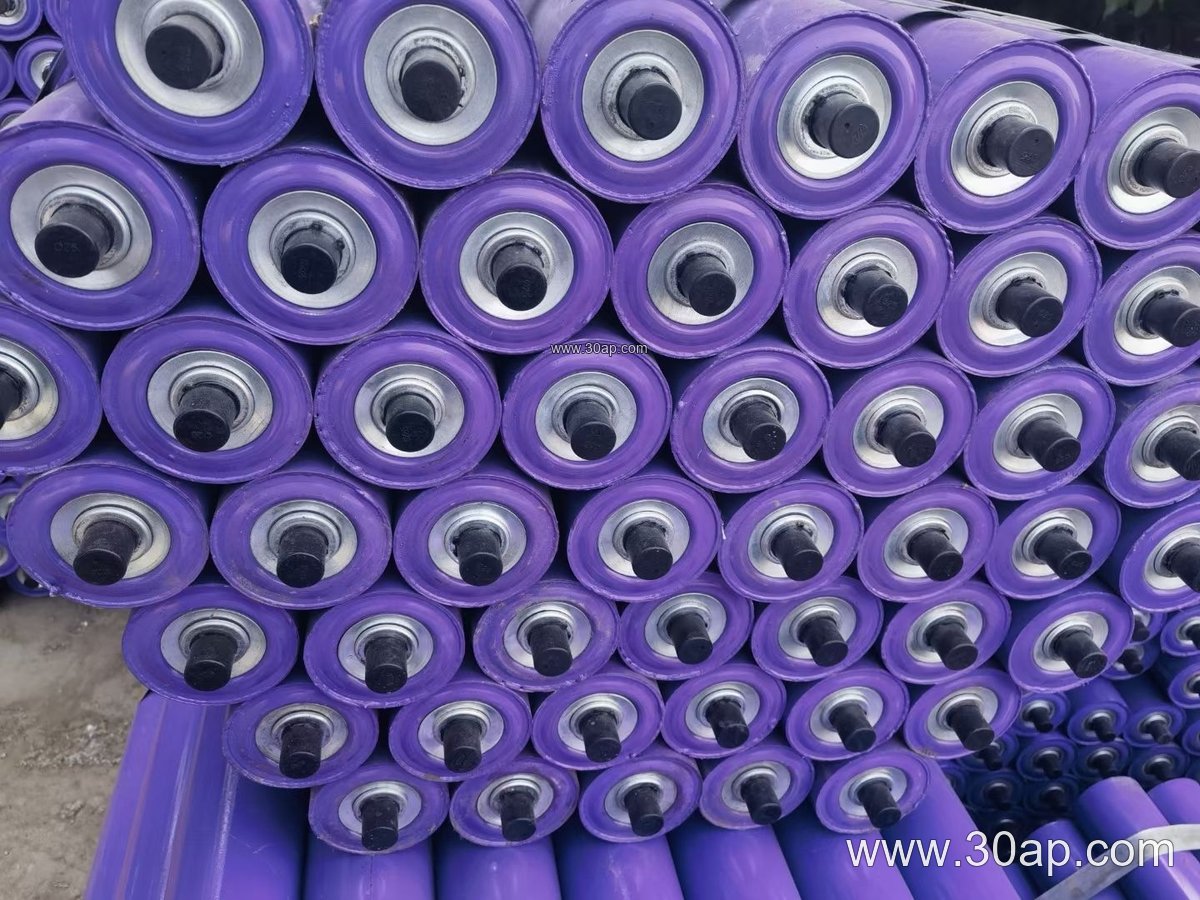
Most high-strength idlers use a steel tube shell with machined ends. The shaft is fixed or rotating depending on the frame design, and the bearing housing is pressed or welded in place. Common bearing sizes include 6205, 6305, 6306, 6308, and 6310, but the bearing is selected by load and speed, not by roller diameter alone. Seals are a key part of the design: a good labyrinth seal keeps dust out in a stone crushing line and retains grease in a power plant coal handling system.
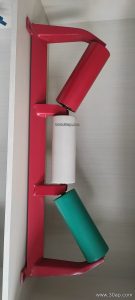
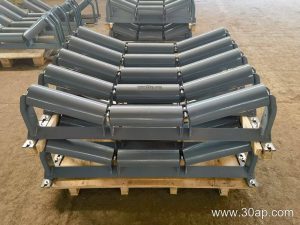
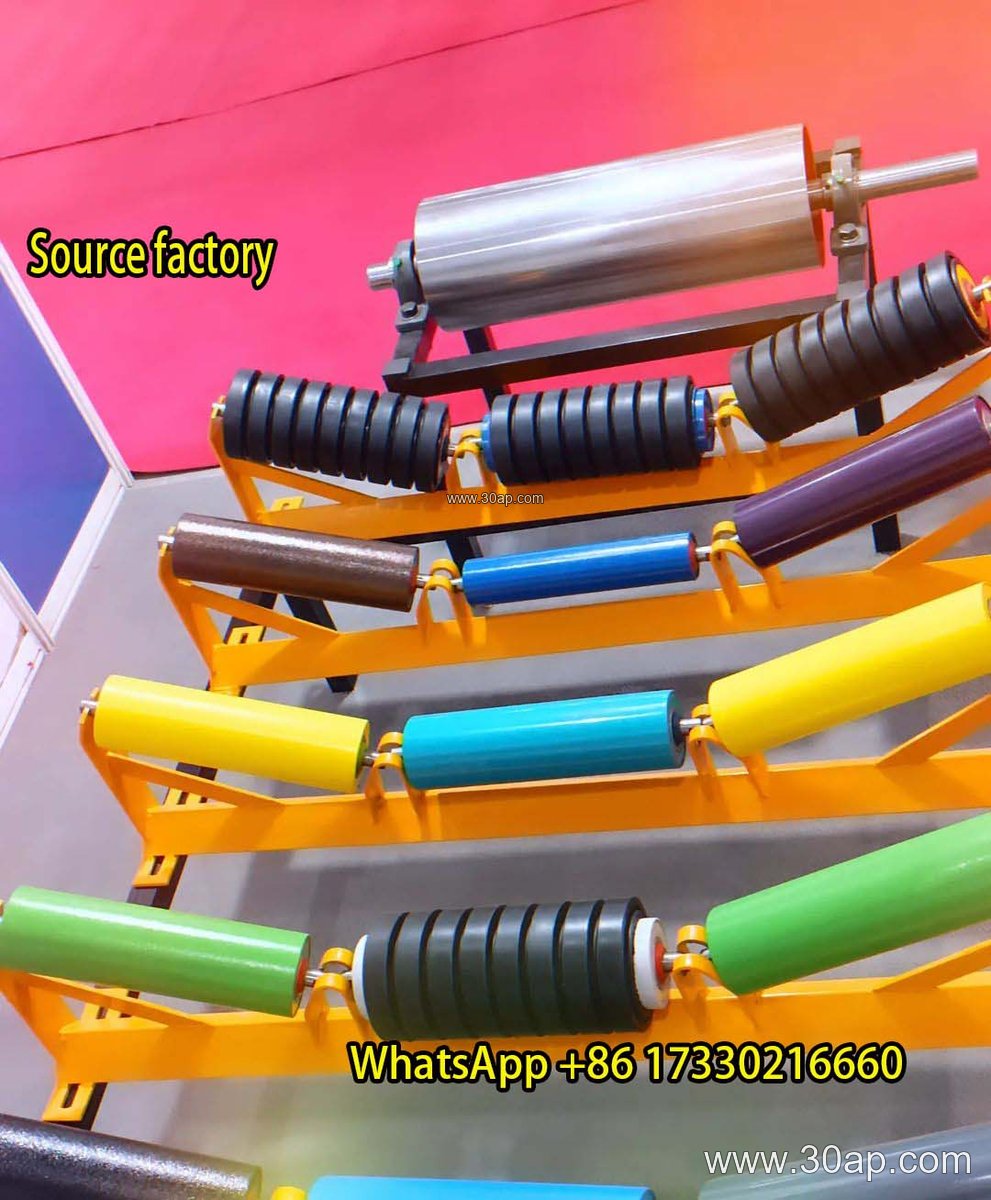
Surface form matters too. A plain steel shell is common, while a rubber ring is used for impact zones. The roller diameter is usually chosen from a range such as Ø89, Ø108, Ø133, Ø159, or Ø178 mm, and the length follows the belt width and trough angle. For a three-roll trough set, common roll lengths are roughly 250 mm for B650, 380 mm for B1000, 465 mm for B1200, and 600 mm for B1600. These are examples, not fixed pairings; the side rolls and center roll can differ.
Where It Fits on the Conveyor
A high-strength idler is often used in the carrying run, especially in three-roll trough sets at 30 or 35 degrees. It can also appear as a return roller or a transition idler near the tail pulley, where the belt changes shape. In a limestone mine or an iron ore plant, the load per meter is high, so the idler frame and roller shell must resist bending. The same logic applies in a coal mining conveyor belt system, where flame retardant conveyor belt and anti-static conveyor belt are common, and the idler must not create a weak point in the line.
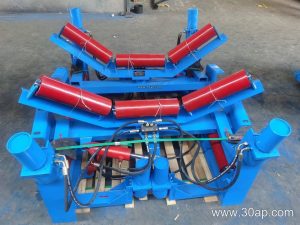
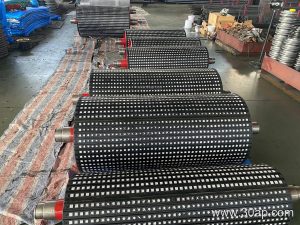
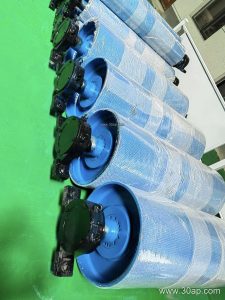
Do not confuse the idler with the drive pulley, tail pulley, or bend pulley. Those are conveyor pulleys that transmit power or change belt direction. The idler roller only supports the belt. A conveyor bracket holds the idler in place, and the bracket type must match the roller end. If the bracket is light and the roller is heavy, the frame can flex and the belt may misalign.
Common Sizes and Configurations
The table below gives reference values, not a supply promise. Actual selection depends on belt width, material density, speed, and trough angle.
| Item | Common reference values |
|---|---|
| Roller diameter | Ø89, Ø108, Ø133, Ø159, Ø178, Ø194 mm |
| Belt width | B650, B800, B1000, B1200, B1400, B1600, B1800 mm |
| Trough angle | 20, 30, 35, 45 degrees |
| Roll length (three-roll set example) | 250 mm for B650, 315 mm for B800, 380 mm for B1000, 465 mm for B1200, 530 mm for B1400 |
| Bearing | 6205, 6305, 6306, 6308, 6310 |
| Surface | Steel tube, nylon, ceramic, rubber ring |
For a wide belt such as 1800 mm or 2000 mm, the idler set is larger and the frame must be stronger. A high-strength idler in this size range is not a standard stock item in every plant, so the buyer should confirm the shaft end, bracket fit, and seal type before ordering.
Buyer Checklist
- Confirm the belt width and the actual trough angle, not just the nominal conveyor size.
- Check the load per idler, including material weight and belt tension.
- Match the roller end to the existing conveyor bracket.
- Ask for the bearing size and seal design, especially in dusty or wet conditions.
- Consider the belt type: a heavy-duty mining conveyor belt or steel cord conveyor belt may need a different idler spacing than a light fabric core conveyor belt.
- For impact zones, a rubber ring idler may be better than a plain steel roller.
A high-strength idler is a small investment that protects the conveyor belt, the pulley, and the frame. In a sand and gravel plant, a copper ore concentrator, or a port ship loading line, the right roller keeps the belt running straight and reduces downtime. Buyers should treat the idler as part of the whole conveyor system, not as a standalone part.