What a Friction Self-Aligning Idler Does
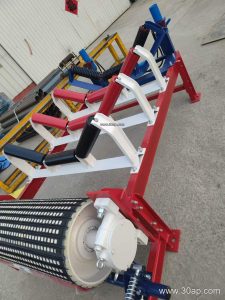
A friction self-aligning idler is a training idler that corrects belt wander without an external power source. It sits in the carrying or return run and uses the friction between the moving conveyor belt and its rollers to steer the belt back toward the center line. When the belt drifts sideways, the offset load creates a small turning moment on the idler frame, and the skewed rollers guide the belt inward. This self-correcting action is why the friction self-aligning idler is common on long overland conveyors, stockyard lines and transfer points where manual adjustment is impractical.
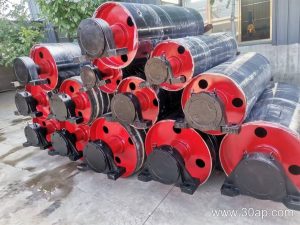
The product is also called a friction training idler or friction self-tracking idler. These names describe the same assembly; they are not different products. It should not be confused with a drive pulley, tail pulley or bend pulley, which transmit power or change belt direction rather than correct mistracking.
Construction and Working Principle
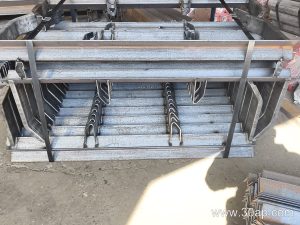
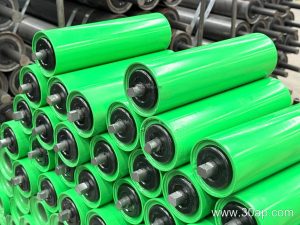
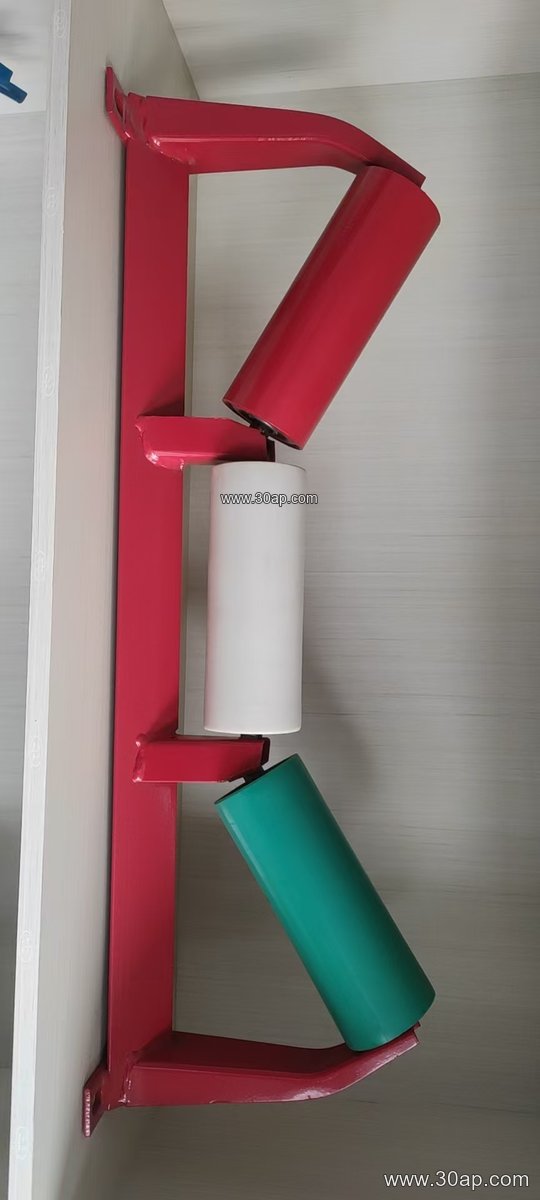
A typical unit combines a sturdy steel frame, two or more idler rollers and a pivot arrangement that allows limited rotation about a vertical axis. The rollers usually carry a rubber or polyurethane surface to raise friction against the belt. Some designs add a small vertical guide roller that contacts the belt edge and triggers the frame movement. Bearings such as 6204, 6205, 6305 or 6308 are common, selected according to load and shaft size rather than tied to one roller diameter.
- Frame: welded steel, often galvanized or painted for dusty and wet conditions
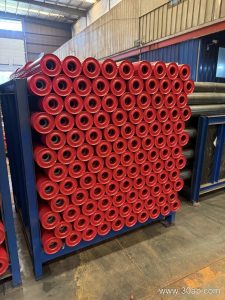
- Rollers: steel tube with rubber lagging or rubber rings for grip
- Pivot: sealed bearing or bushing that returns the frame to neutral
- Mounting: bolted to the conveyor bracket or stringer
The training effect depends on friction, so keep roller surfaces clean. A build-up of sticky material or coal dust can reduce grip and slow the response. On a coal mining conveyor belt or a cement plant line, periodic cleaning of the lagging is part of normal maintenance.
Where It Fits on the Conveyor
Friction self-aligning idlers are usually installed in pairs or groups along the carrying side, spaced where mistracking tends to begin: after a loading point, before a transfer chute, and on long straight sections. Return-side versions are also available for the lower run. They are not a substitute for a bend pulley or a tail pulley, and they do not replace transition idlers at the head or tail. On a quarry conveyor belt or an aggregate conveyor belt, a few training stations at critical points often solve tracking problems that would otherwise need frequent manual correction.
For wider belts, the idler length follows belt width and trough angle. Common examples for three-roll troughing sets are roughly 315 mm rolls at B800, 380 mm at B1000 and 465 mm at B1200, but side and center rolls can differ and final dimensions should be confirmed by design. Trough angles of 20, 30, 35 or 45 degrees are available, and a slight forward tilt of about 1.5 to 2 degrees is sometimes used to assist training.
Selection Notes for Buyers
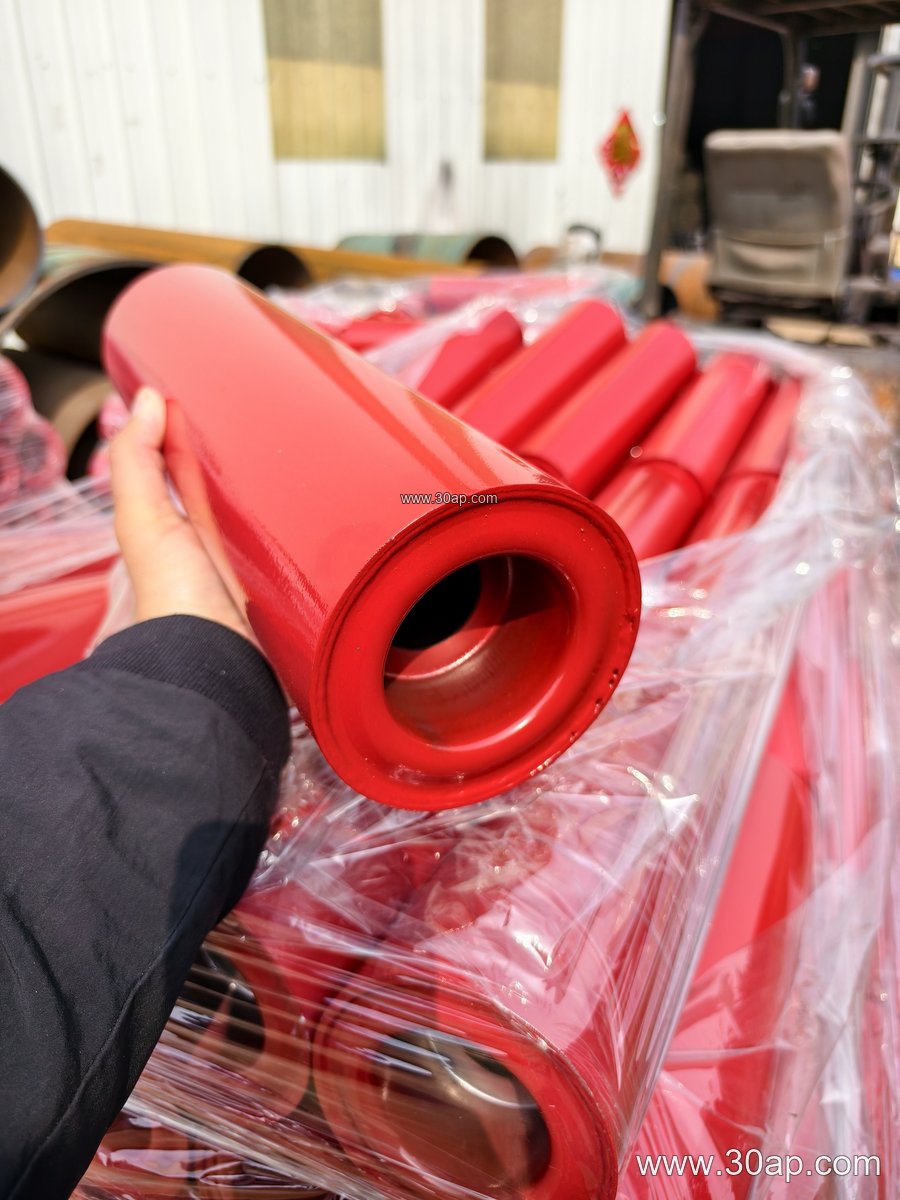
Start with belt width, belt speed, material load and the position of the idler. Roller diameter options commonly include Ø89, Ø102, Ø108, Ø127, Ø133 and Ø159, with larger sizes for heavy-duty mining conveyor belt duties. Bearing selection should match the actual shaft and load, not an assumed pairing with belt width. Confirm the mounting hole pattern against the existing conveyor bracket before ordering.
Also consider the environment. A dusty iron ore or copper ore line may need sealed bearings and abrasion resistant roller surfaces. A power plant handling coal may prefer flame retardant conveyor belt nearby and non-sparking components where relevant. In cold regions, check that the pivot does not stiffen in low temperatures, and on food or fertilizer lines confirm that roller materials suit the material being carried.
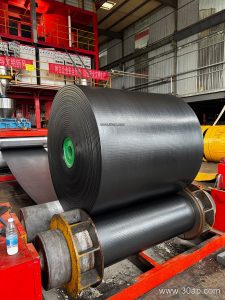
Friction self-aligning idlers work alongside the belt, the conveyor pulley and the frame, so alignment of the whole structure matters. If the conveyor structure itself is out of line, no training idler will fully compensate. Check stringer alignment, pulley squareness and loading conditions before adding training stations.
Maintenance and Common Mistakes
Inspect the pivot for free movement, check lagging wear and confirm that the frame returns to center after the belt passes. Replace worn rubber surfaces before friction drops too far. Do not over-tighten the pivot, and do not install a training idler so close to a pulley that the belt cannot react. On a steep or heavily loaded line, use training idlers together with proper belt tension and good loading practice.
For more conveyor components, including conveyor belt, idler roller and conveyor pulley options, match each part to the actual duty rather than copying a specification from another line.