What a Conveyor Belt Tracking Idler Does
A conveyor belt tracking idler is a self-aligning roller assembly installed along a conveyor to keep the belt centered on its path. When a belt begins to wander toward one side, the tracking idler reacts to that sideways force and pivots slightly, guiding the belt back toward the middle of the frame. In a quarry, a coal washing plant, or a power plant coal yard, even a small amount of misalignment can cause edge damage, spillage, and uneven wear, so this idler is often treated as a correction device rather than a simple support roller.
The product is also described as a self-aligning idler or training idler, and these names refer to the same tracking function. It should not be confused with a drive pulley, tail pulley, or bend pulley, which transmit motion and change belt direction rather than correct belt path.
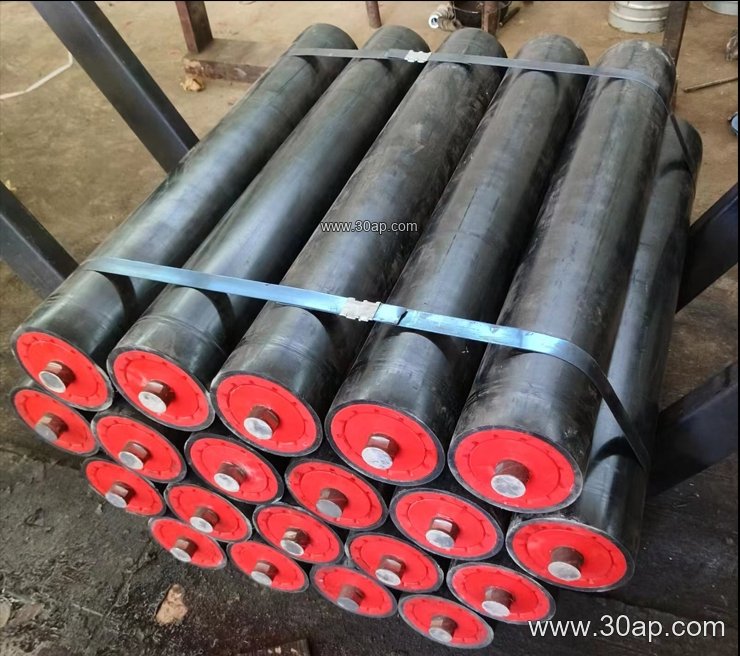
How the Assembly Is Built
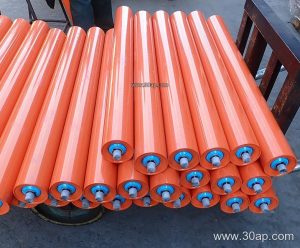
A typical tracking idler uses a pair of rollers mounted on a pivoting frame, with a vertical pivot axis that lets the assembly rotate when the belt pushes against a roller. Friction tracking versions rely on the contact between belt edge and roller to trigger the swing, while tapered or conical rollers can create a steering effect through differential surface speed. Many designs include a small forward tilt of about 1.5 to 2 degrees to encourage self-centering.
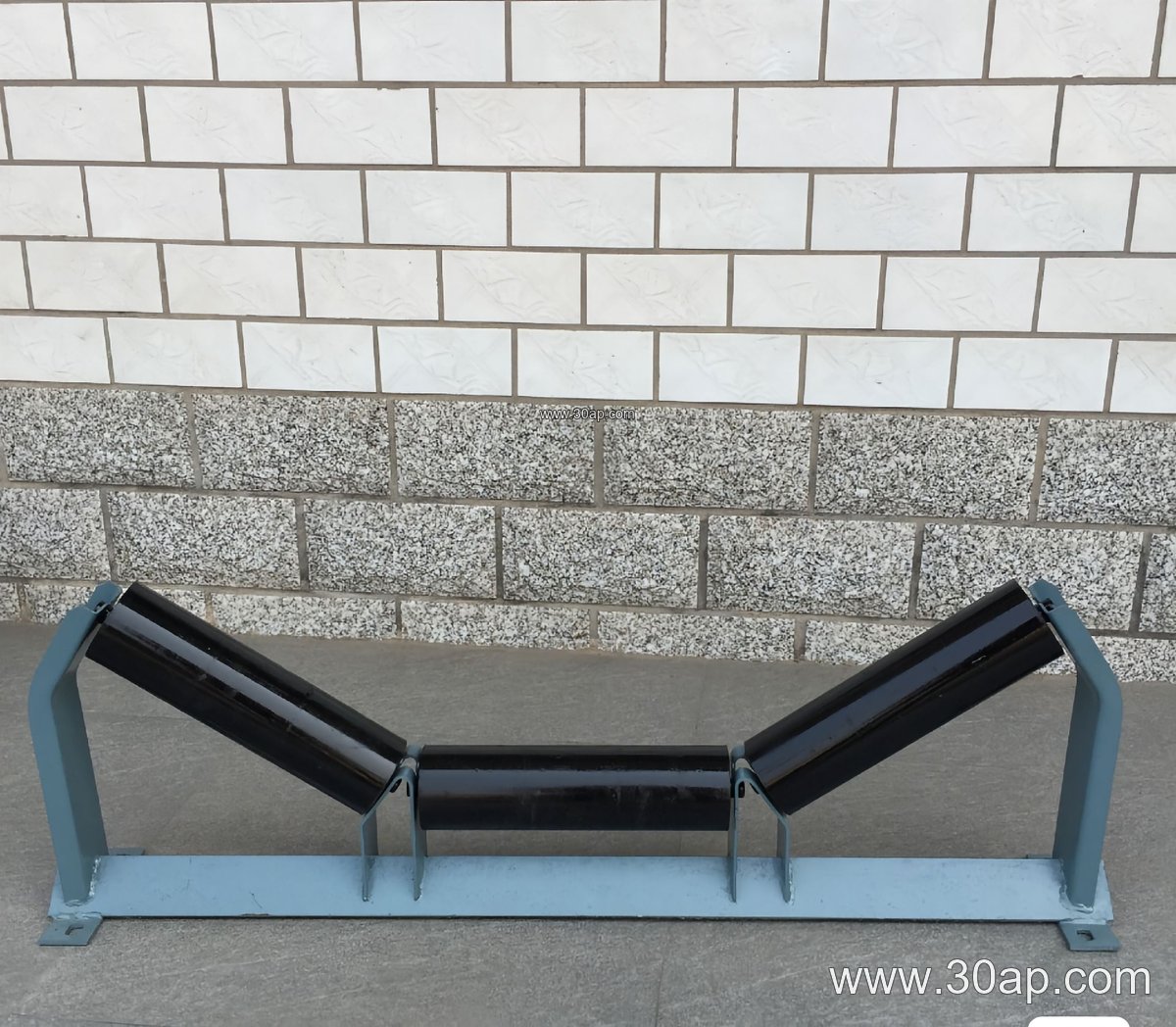
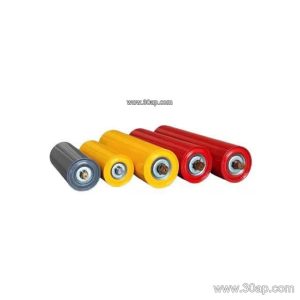
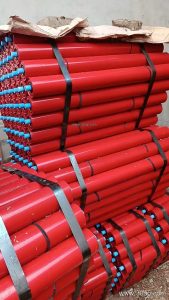
- Roller shell in steel tube, nylon, ceramic, or rubber ring
- Bearing sizes commonly 6204, 6205, 6305, 6306, 6308, or 6310, selected by load and shaft design
- Pivot bracket and frame that attach to the conveyor stringer
- Sealed bearing housing for dusty conditions
Sealing quality matters in aggregate and cement plants, where fine dust can enter a bearing and shorten service life. A well-sealed conveyor bracket and pivot joint also keep the tracking action smooth instead of sticky or jerky.
Where It Fits on the Conveyor
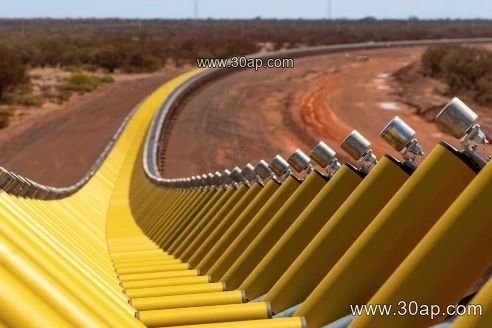
Tracking idlers are commonly placed on the carrying side at intervals along the return run, and sometimes on the return side as well. On a long overland conveyor carrying iron ore or copper ore, several tracking stations may be needed to correct small deviations before they grow. In a tunnel spoil line or a fertilizer plant, the idler is often positioned after a loading point where the belt is most likely to shift.
For comparison, a buffer idler is used at transfer points to absorb impact, while a return idler supports the empty belt. Each has a different job, and a tracking idler is chosen specifically for alignment control.
Common Sizes and Configuration Notes
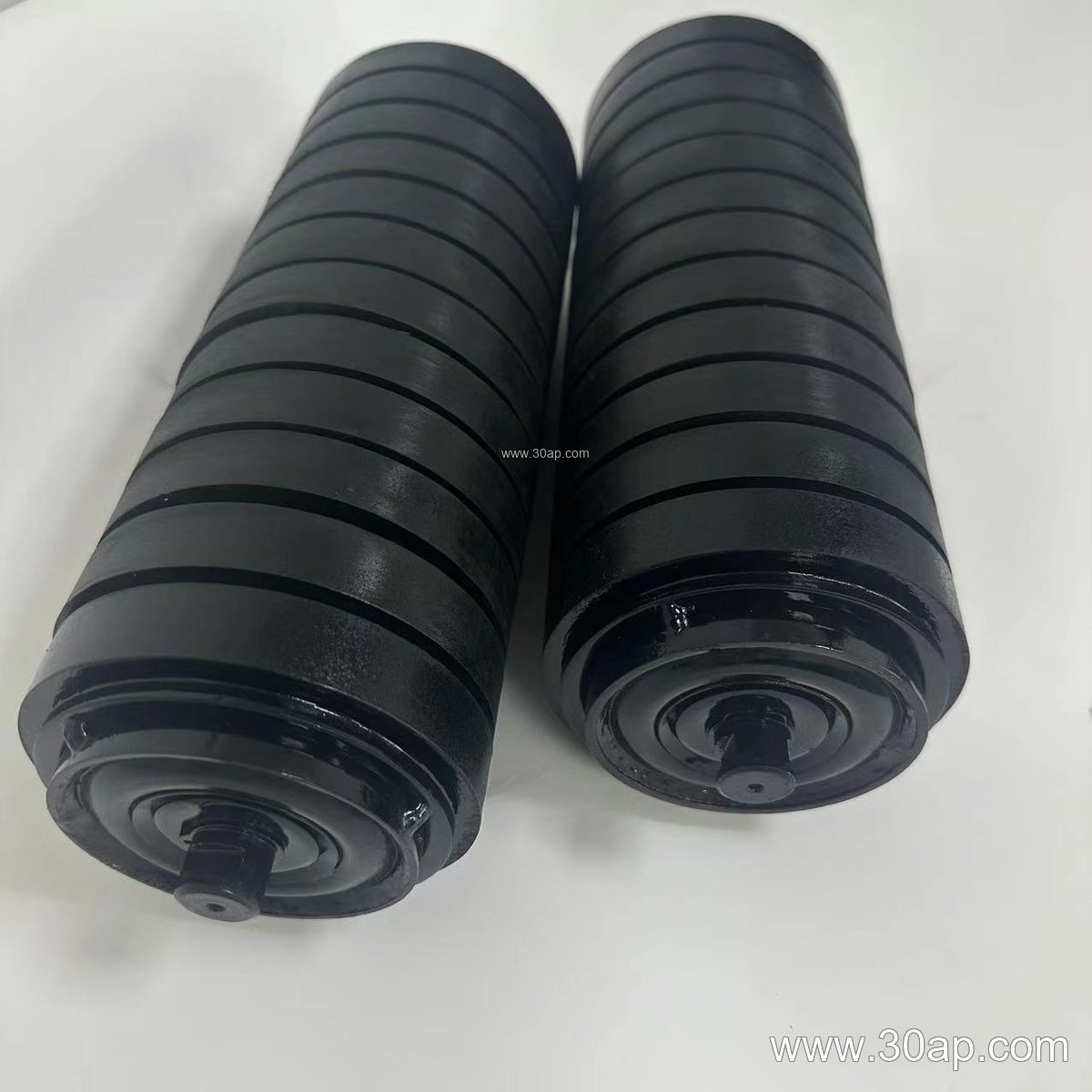
Roller diameter and belt width are matched by design, not by a single fixed rule. The table below shows common reference values that help buyers describe a tracking idler.
| Item | Common Reference Values |
|---|---|
| Roller diameter | Ø63, Ø76, Ø89, Ø102, Ø108, Ø127, Ø133, Ø159, Ø178, Ø194, Ø219 mm |
| Belt width | B400, B500, B650, B800, B1000, B1200, B1400, B1600, B1800, B2000, B2200, B2400 |
| Trough angle | 20, 30, 35, 45 degrees |
| Roller surface | Steel tube, nylon, ceramic, rubber ring |
Roller length varies with belt width, trough angle, and frame type. For a three-roll trough set, common examples are about 200 mm for B500, 250 mm for B650, 315 mm for B800, 380 mm for B1000, 465 mm for B1200, 530 mm for B1400, 600 mm for B1600, 670 mm for B1800, and 750 mm for B2000. Side rollers and center rollers can differ, so these figures are examples rather than fixed combinations.
Buyer Checklist
Before ordering, confirm the belt width, the trough angle, the mounting hole spacing, and the available space around the conveyor bracket. Ask whether the application needs a friction type or a tapered roller design, and whether the environment calls for enhanced sealing. A plant handling an EP conveyor belt or a multi-ply fabric core belt may have different tracking behavior than one running a steel cord conveyor belt, so share the belt construction and operating speed with the supplier.
For abrasive service such as a crusher conveyor belt line, check that the roller shell and bearing protection suit the dust load. For food or chemical duty, confirm that the roller surface material is compatible with the product. A tracking idler is a small part, but correct selection reduces edge wear and keeps the conveyor running straight.