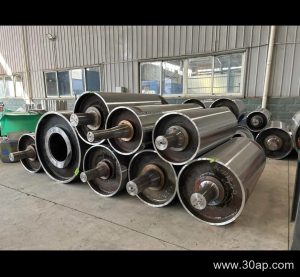
What a Heavy-Duty Lagged Pulley Does
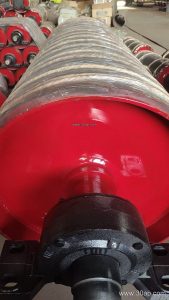
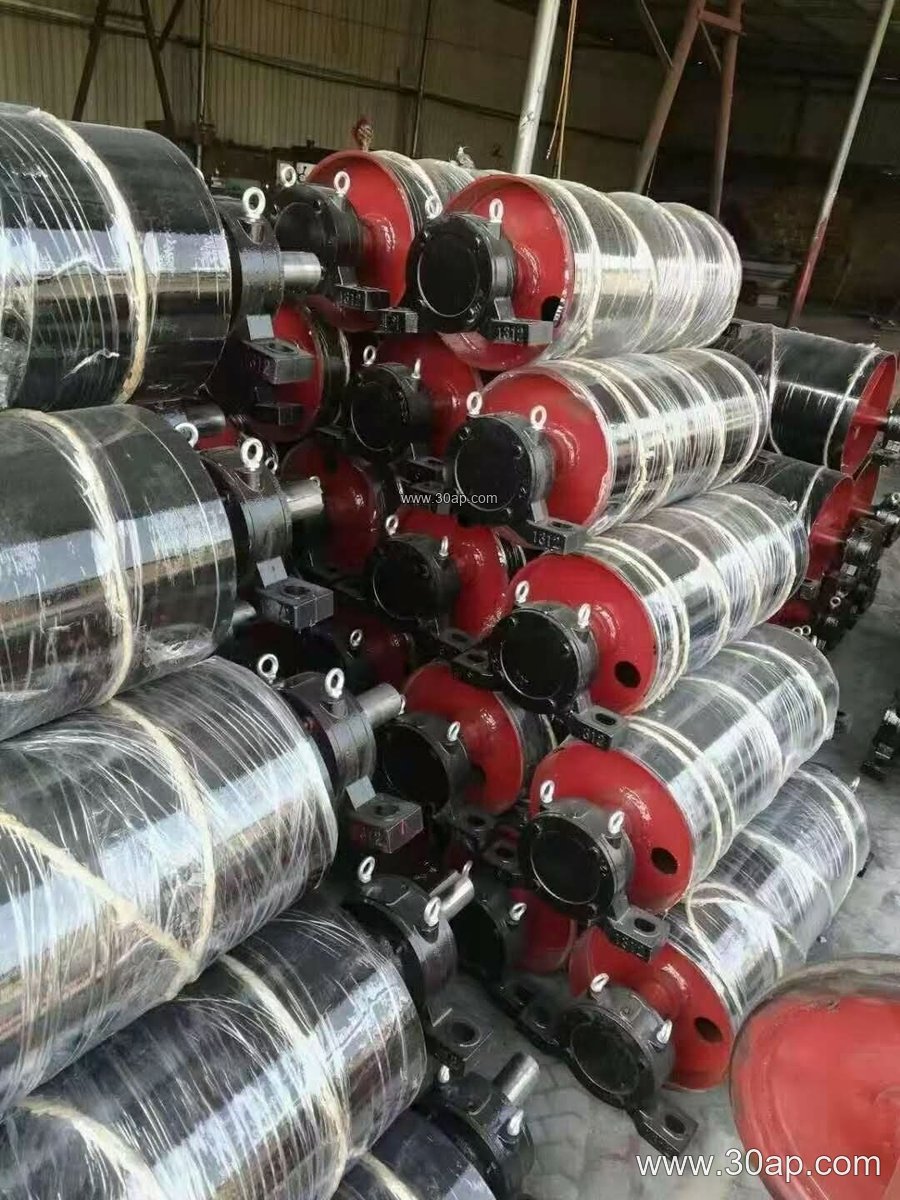
A Heavy-Duty Lagged Pulley is the traction component at the heart of a demanding belt conveyor. Its job is simple to state and hard to do: grip the belt, transmit drive torque, and keep the belt tracking through years of dust, impact, and load. The lagging — a rubber or ceramic layer bonded to the drum shell — raises friction between drum and belt, protects the shell from wear, and helps shed fines that would otherwise polish the surface and cause slip. In a quarry, a coal preparation plant, or a port bulk terminal, this component often decides whether the line runs at rated capacity or limps along with belt slippage.
Note that a drive pulley, a tail pulley, and a bend pulley are not interchangeable names. Each sits at a different point in the belt path and does a different job. The Heavy-Duty Lagged Pulley discussed here is normally the drive or head drum, where torque and traction matter most; the same lagging approach may appear on a tension or snub position, but the design duty differs.
Construction and Surface Options
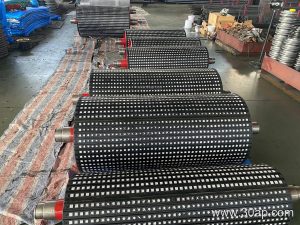
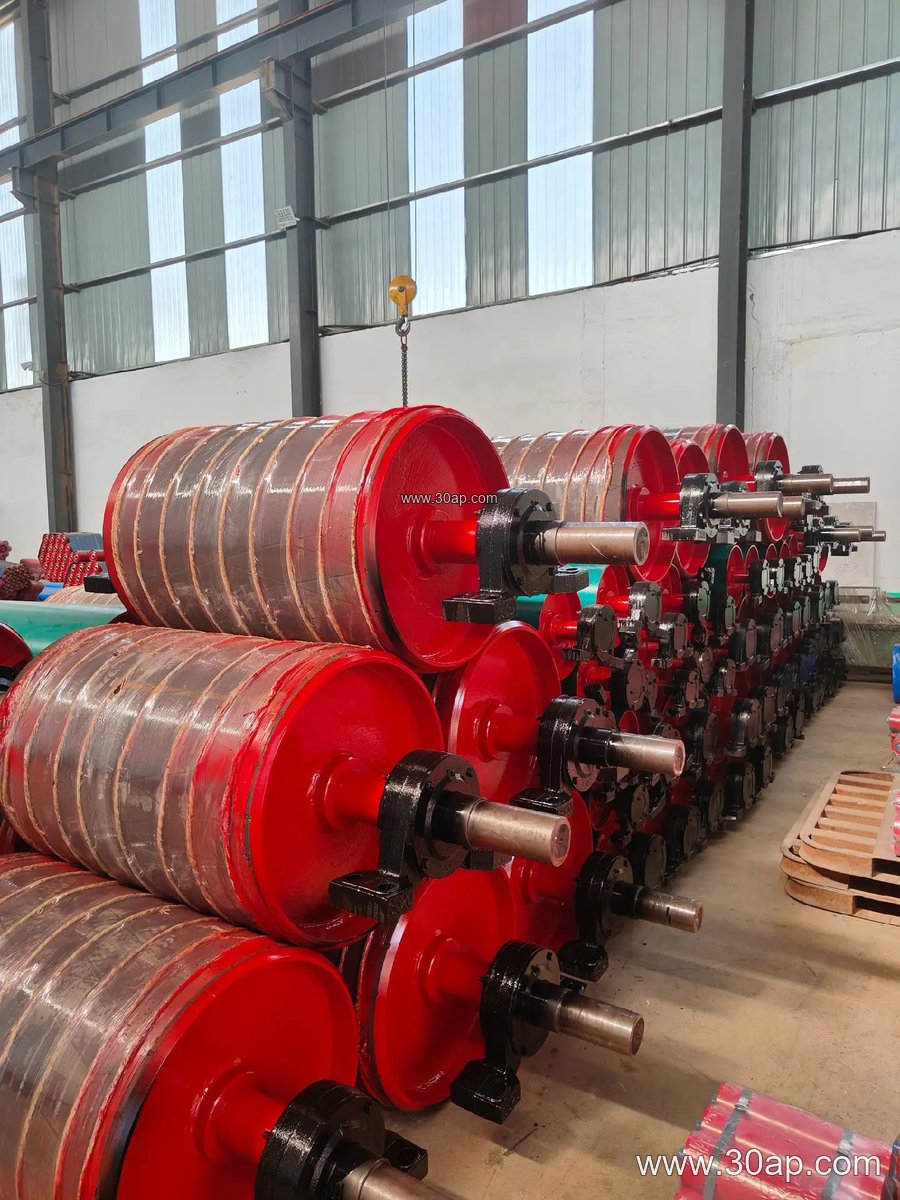
The drum is usually a rolled steel shell with welded end discs and a shaft sized by torque and radial load, not by belt width alone. Lagging is applied in several ways: hot-vulcanized rubber, cold-bonded rubber, cast rubber, diamond grooving, herringbone pattern, ceramic tiles, or plain sheet. Thickness commonly runs 8, 10, 12, 15, or 20 mm depending on duty. Diamond and herringbone profiles improve wet grip and water evacuation; ceramic tiles suit abrasive iron ore or sinter duty where rubber alone wears quickly.
Build quality shows in details: concentricity, weld quality, dynamic balance, bearing selection, and the bond between lagging and shell. A poorly bonded layer can peel at the edges and take the belt with it. Shaft diameters commonly fall in the Ø50 to Ø200 mm range, but the final figure should follow the actual torque and load calculation.
Typical Sizes and Reference Data
Face width is normally wider than the belt to allow for misalignment. The table below gives common reference combinations, not fixed rules — a given belt width can work with more than one drum diameter.
| Belt width | Typical face width | Example drum size |
|---|---|---|
| B500 | about 600 mm | Ø400 or Ø500 |
| B800 | about 950 mm | Ø500 or Ø630 |
| B1000 | about 1150 mm | Ø630 or Ø800 |
| B1200 | about 1400 mm | Ø800 or Ø1000 |
| B1400 | about 1600 mm | Ø1000 or Ø1250 |
| B1600 | about 1800 mm | Ø1250 or Ø1400 |
| B1800 | about 2000 mm | Ø1400 or Ø1600 |
Common shaft sizes include Ø80, Ø100, Ø120, Ø140, Ø160, and Ø180 mm, again selected by calculation rather than by width.
Where It Fits in the Plant
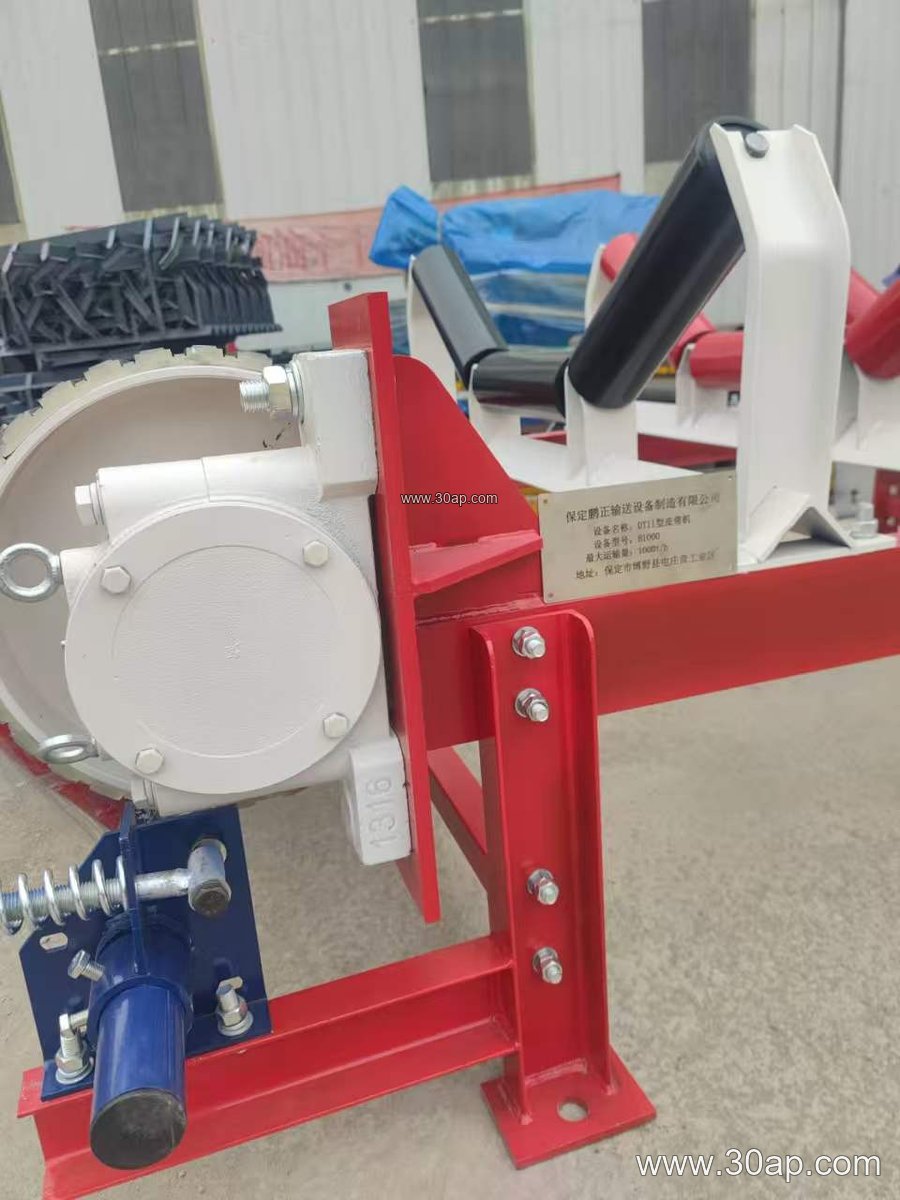
In a limestone quarry feeding a crusher, the head drum must survive sharp rock and constant shock. In a power plant coal yard, flame retardant and anti-static properties of the belt matter as much as drum grip, and a lagged drum helps hold tension on long inclined runs. In a cement plant clinker line, heat and abrasion combine, so lagging choice and belt grade must be matched together. A copper concentrator or iron ore terminal pushes wear rates higher still, where ceramic lagging often earns its place.
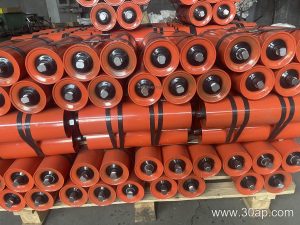
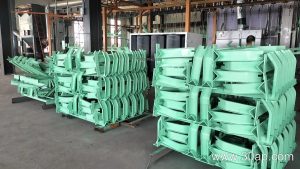
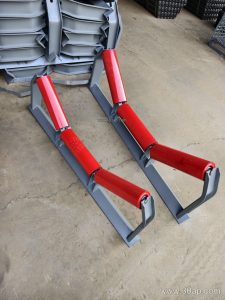
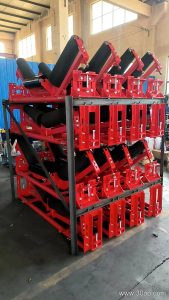
The drum never works alone. It pairs with the conveyor belt, conveyor idler rollers that support the load side, and conveyor brackets that hold everything in line. A mismatch between a high-grip drum and a slick, worn belt will still slip; a well-lagged pulley paired with a quality EP conveyor belt or steel cord conveyor belt performs far better. For heavy-duty mining conveyor belt duty, specify the drum, lagging, and belt as one system.
Buyer Checklist
- Confirm the position: drive, tail, tension, or bend — each has distinct load assumptions.
- State belt width, belt type, and expected tonnage so the drum diameter can be calculated, not guessed.
- Choose lagging for the real condition: wet, oily, abrasive, hot, or clean.
- Ask for shaft and bearing calculations, not just a catalog size.
- Plan inspection: check lagging wear, bolt torque, and belt tracking at every shutdown.
For matching belts and components, see the conveyor belt and conveyor pulley pages at conveyoraccessory.com, and compare idler roller options at beltconveyorparts.com before finalizing the drive end.