What a Conveyor Tail Pulley Does
The conveyor tail pulley sits at the rear of the belt loop, opposite the head drive. Its main job is to guide the returning belt back into the carrying run while keeping tension steady and tracking true. In a quarry, cement plant, or coal handling line, this return-end drum is often the quiet workhorse that decides whether the belt runs centered or wanders. It is a distinct part of the conveyor pulley family, and it should not be confused with the drive pulley at the head or a bend pulley used purely to change belt direction.
Because it contacts the dirty side of the belt, the tail pulley also influences how well material is contained and how much spillage reaches the floor. On a long overland system or a short crusher discharge conveyor, a well-built tail drum helps protect the belt splice and reduces edge wear.
Construction and Surface Options
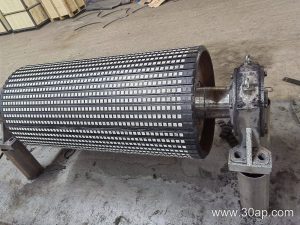
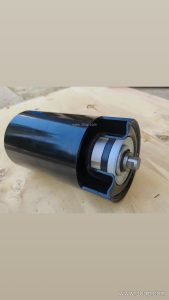
Most tail pulleys are built as a welded steel drum with a shaft, end discs, and a lagged shell. The shaft is sized by torque and radial load, not by belt width alone, so a B800 conveyor and a B1200 conveyor may use different shaft diameters depending on the duty. Common shaft sizes include Ø80, Ø100, Ø120, and Ø140, but the final figure always comes from the design calculation.
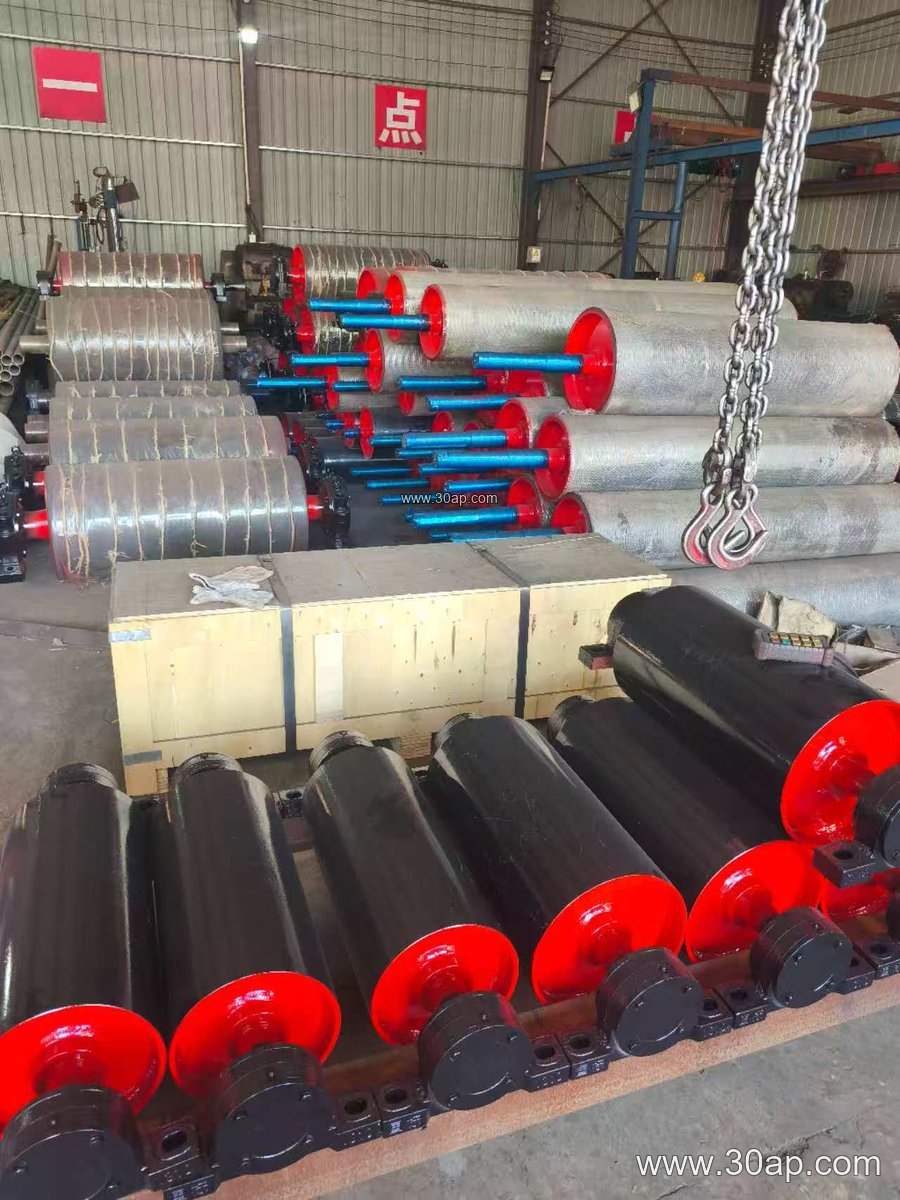
Surface treatment matters at the tail end. Options include plain finish, cold-bonded rubber, hot vulcanized rubber, diamond lagging, and ceramic lagging. Lagging thickness is often 8, 10, 12, 15, or 20 mm. A diamond pattern can help shed water and fines, while plain rubber suits cleaner, drier service. For abrasive aggregate lines, ceramic lagging is sometimes chosen, though it is not a universal answer for every tail position.
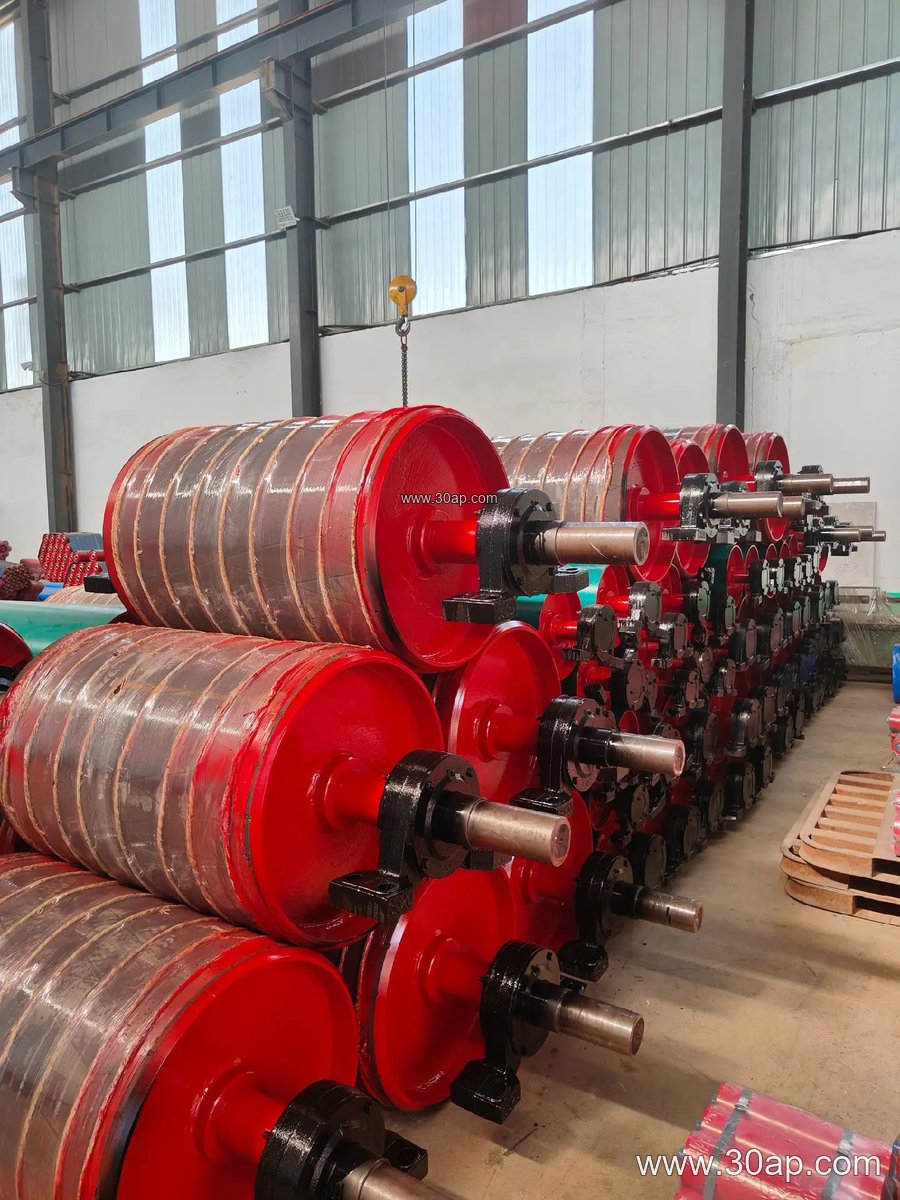
- Shell width is usually slightly wider than the belt, for example about 950 mm for B800 and about 1400 mm for B1200.
- Diameter choices often include Ø400, Ø500, Ø630, and Ø800, with larger drums used where belt wrap or bending stress demands it.
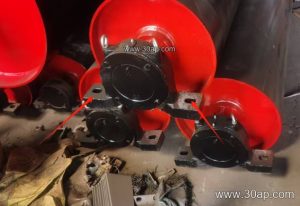
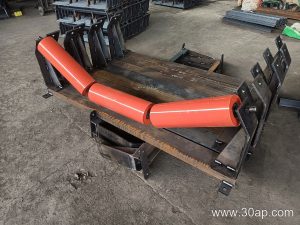
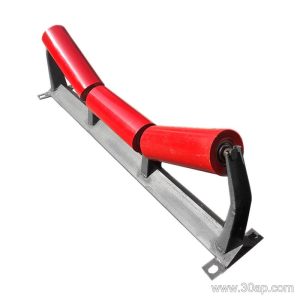
- Bearing housings and a conveyor bracket should match the frame, so the tail assembly can be adjusted for take-up and alignment.
Where It Fits in the System
In a limestone mine or a sand and gravel plant, the tail pulley is typically mounted on a sliding take-up frame so the operator can tension the belt after installation and as it stretches. In a power plant coal yard, the return end may sit inside a transfer house with limited space, making compact bearing selection important. The same drum also appears in fertilizer handling, grain silos, and tunnel muck removal, where dust and moisture change the lagging choice.
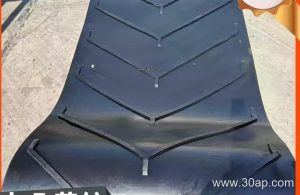
It works alongside the conveyor belt, idler roller sets, and the head drive pulley. If the belt is a heavy-duty mining conveyor belt or an abrasion resistant conveyor belt, the tail drum should be matched to the belt’s thickness and splice type. A steel cord conveyor belt and a multi-ply fabric core belt behave differently around a small-diameter drum, so the radius should be checked against the belt manufacturer’s recommendation.
Selection Notes for Buyers
Buyers should share the belt width, belt type, expected tension, material carried, and ambient conditions before ordering. A tail pulley for an underground coal mining conveyor belt may need flame retardant lagging and anti-static properties, while a heat resistant conveyor belt in a cement kiln area may call for a heat-tolerant rubber cover. Do not assume that one belt width has only one matching drum diameter. A B650 system might run a Ø400 tail pulley in light service, while a B650 feeder under a crusher could use a larger drum for better belt support.
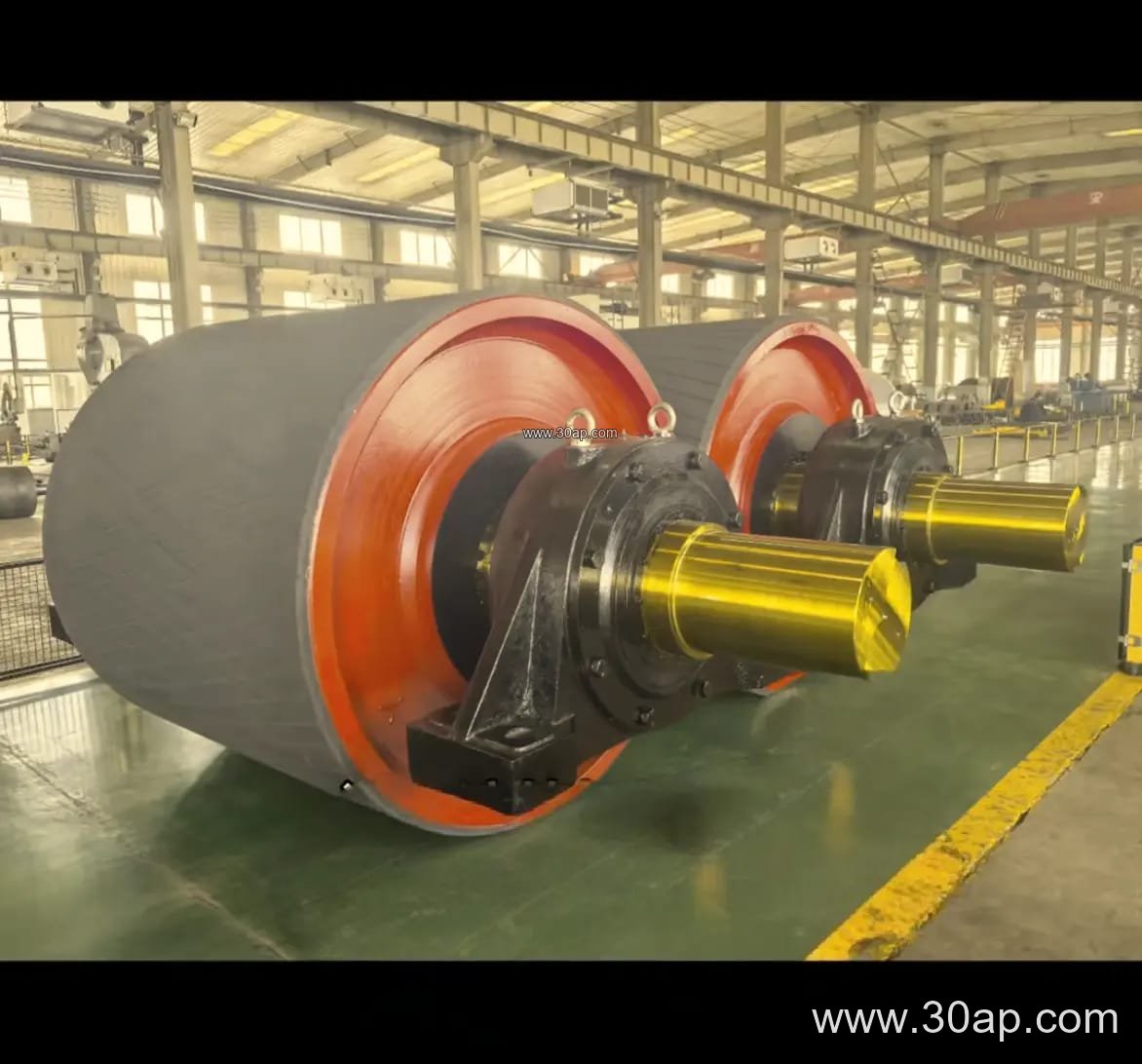
Also confirm the shaft diameter, keyway, bearing type, and mounting centers. The conveyor bracket and take-up stroke should allow enough travel for belt stretch. If the tail pulley is being replaced on an existing line, measure the old drum’s face width, diameter, and shaft extension rather than relying on the belt size alone.
Maintenance and Long-Term Performance
Inspect lagging for wear, cuts, and material buildup. Fines packed between the belt and drum can cause tracking drift, so cleaning the return end is part of routine care. Check bearing temperature and lubrication, and verify that the tail pulley remains square to the belt centerline. On a quarry conveyor belt or an ore conveyor belt, worn lagging often shows up as belt slip or off-center travel before a bearing fails.
Keep a spare set of bearings and a wear-resistant lagging sheet on hand for critical circuits. A tail drum that is correctly sized, properly lagged, and aligned with the conveyor bracket will usually outlast several belt splices, making it a cost-effective part of the whole conveyor pulley assembly. For more conveyor component guidance, visit beltconveyorparts.com and review tail pulley, idler roller, and conveyor bracket options against your actual duty.