What Is a Conveyor Carrying Bracket?
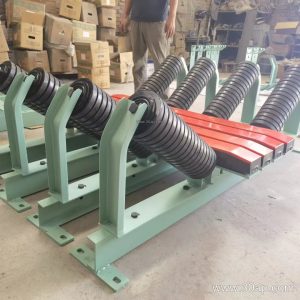
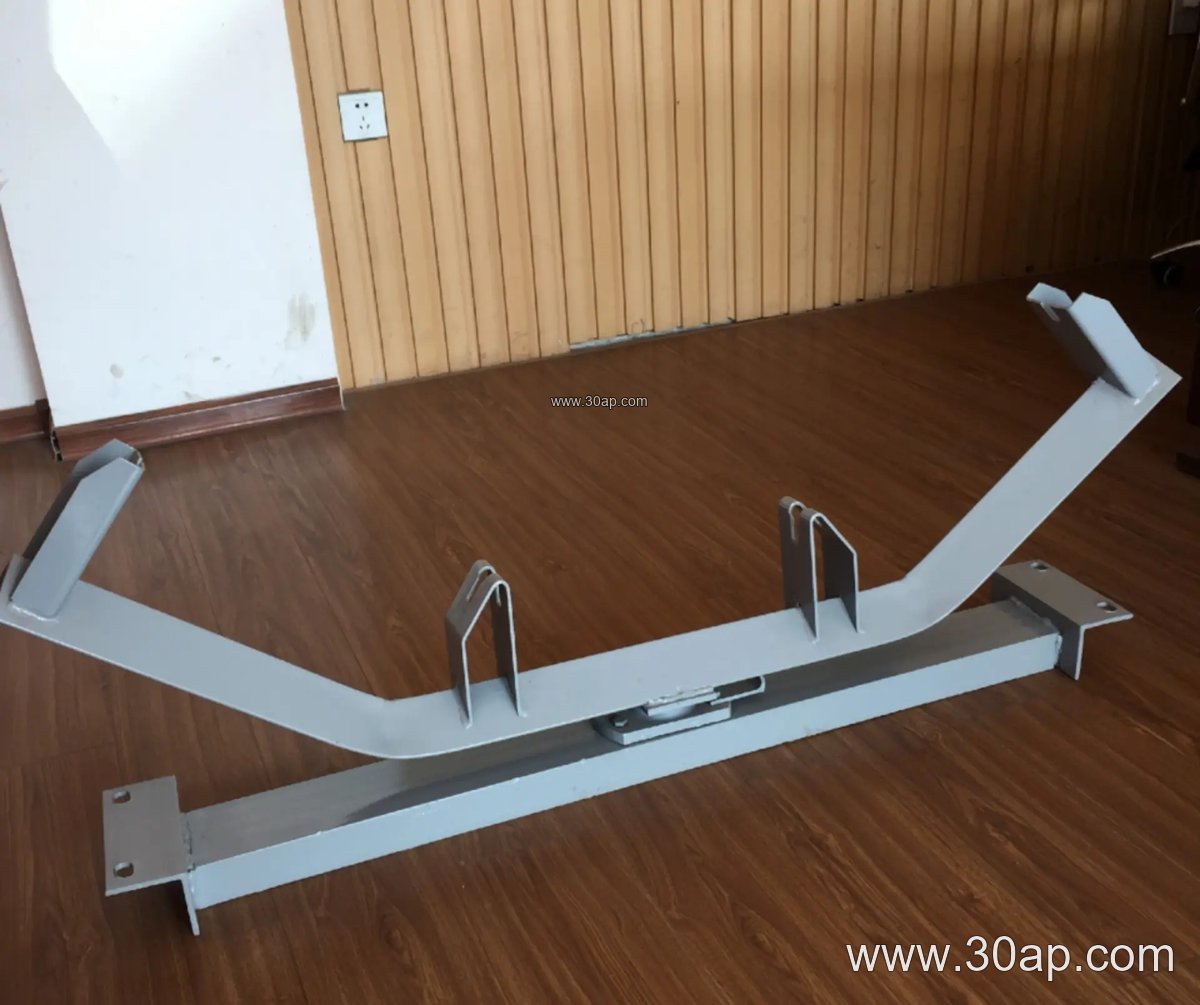
A conveyor carrying bracket, also known as a carrying idler bracket or troughing bracket, is a structural component that supports the idler rollers on the carrying side of a conveyor belt. It holds the rollers at the correct trough angle to keep the belt in a stable shape and ensure smooth material transport. This bracket is essential in bulk handling systems across industries such as mining, cement, power plants, and aggregate production.
Construction and Materials
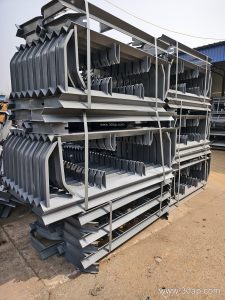
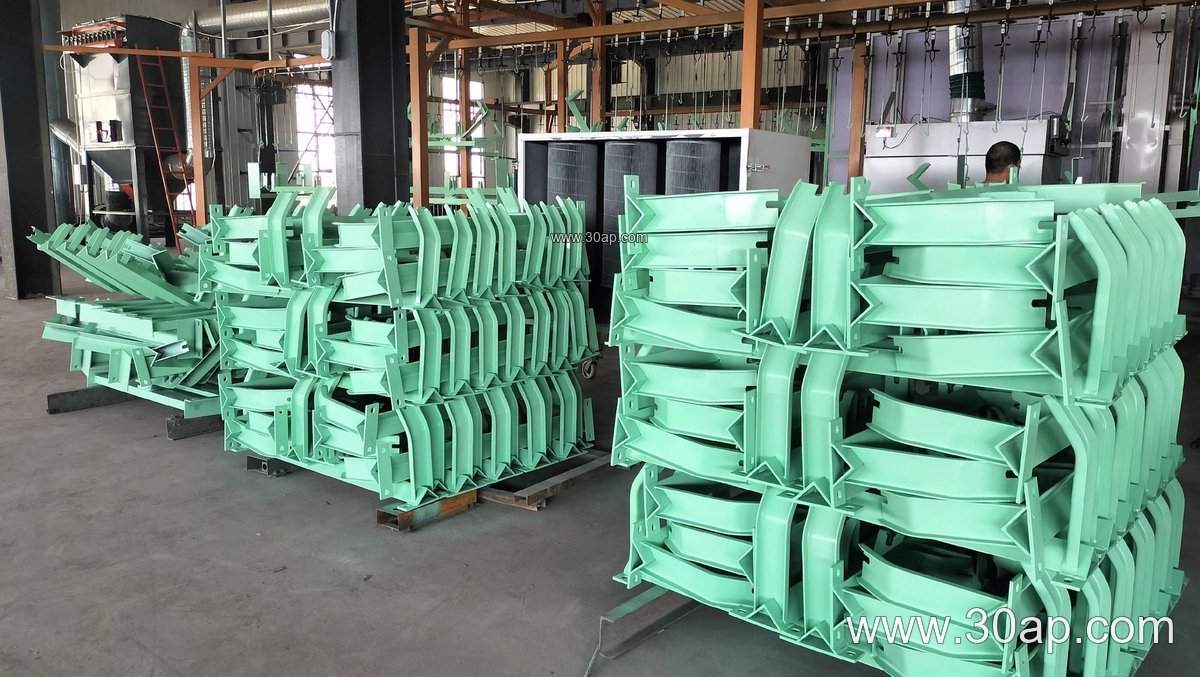
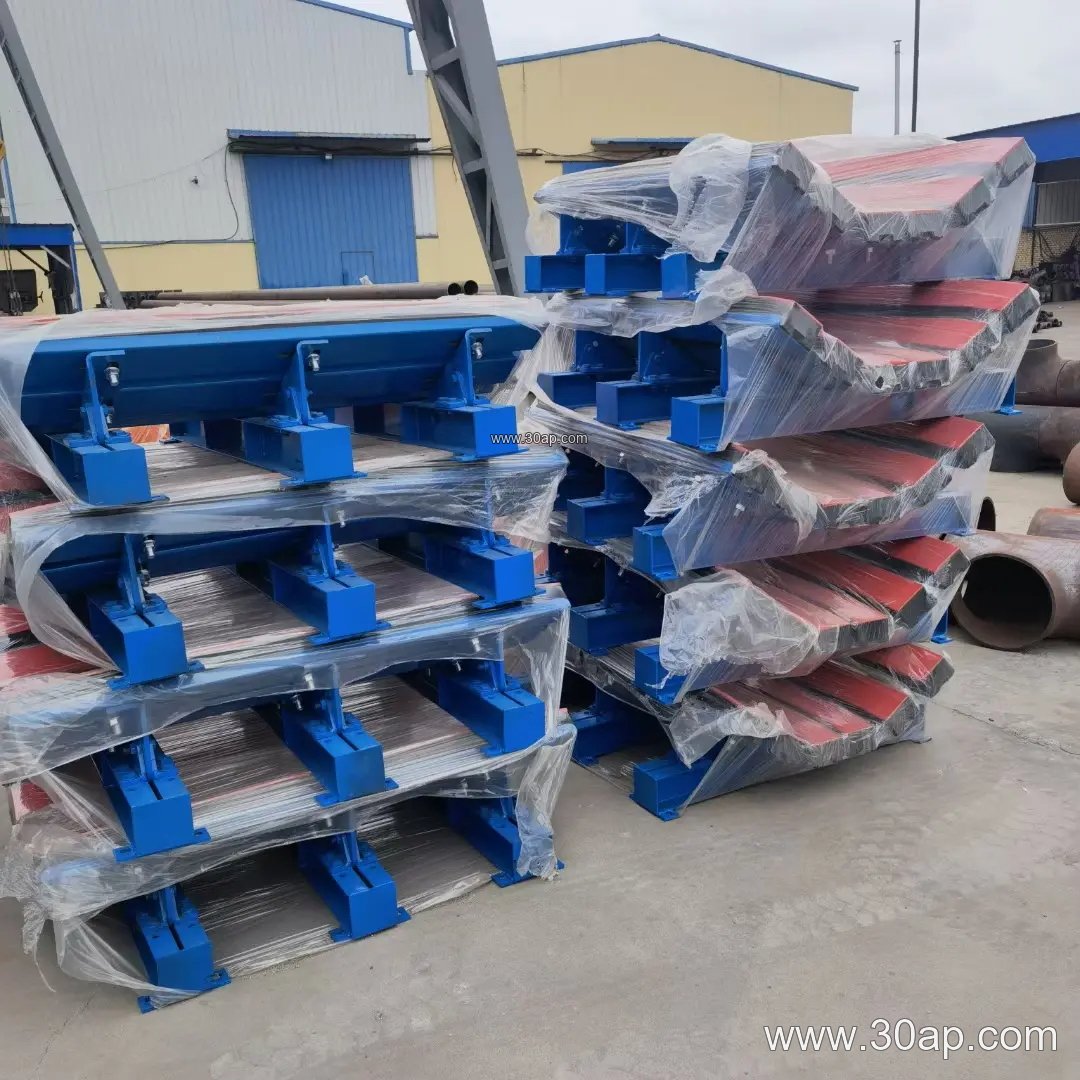
Carrying brackets are typically fabricated from angle steel, channel steel, or bent steel plate. The choice of material and profile depends on the load requirements and environmental conditions. Common designs include fixed troughing brackets and adjustable brackets that allow the trough angle to be set between 20 and 45 degrees. The bracket must be robust enough to withstand the weight of the belt, material, and idler rollers, as well as dynamic loads during operation.
Role in Conveyor Systems
The carrying bracket works in conjunction with conveyor idler rollers to support the conveyor belt. By maintaining the proper trough angle, it helps prevent material spillage and belt misalignment. In a typical conveyor, carrying brackets are installed at regular intervals along the carrying run. They are often used with impact idlers at loading points and training idlers in areas prone to misalignment. The bracket also contributes to the overall efficiency of the conveyor by reducing belt wear and energy consumption.
Applications and Industry Use
Conveyor carrying brackets are found in a wide range of industries. In coal mining, they support heavy-duty belts that transport coal from the face to the surface. In cement plants, they handle clinker and raw materials. Power plants use them in coal handling systems, while quarries and aggregate operations rely on them for moving crushed stone and sand. The bracket design must suit the specific belt width and load conditions. For example, a B1200 belt with a 35-degree trough angle might use Ø133 idlers, but the exact configuration is determined by the conveyor designer.
Types and Variations
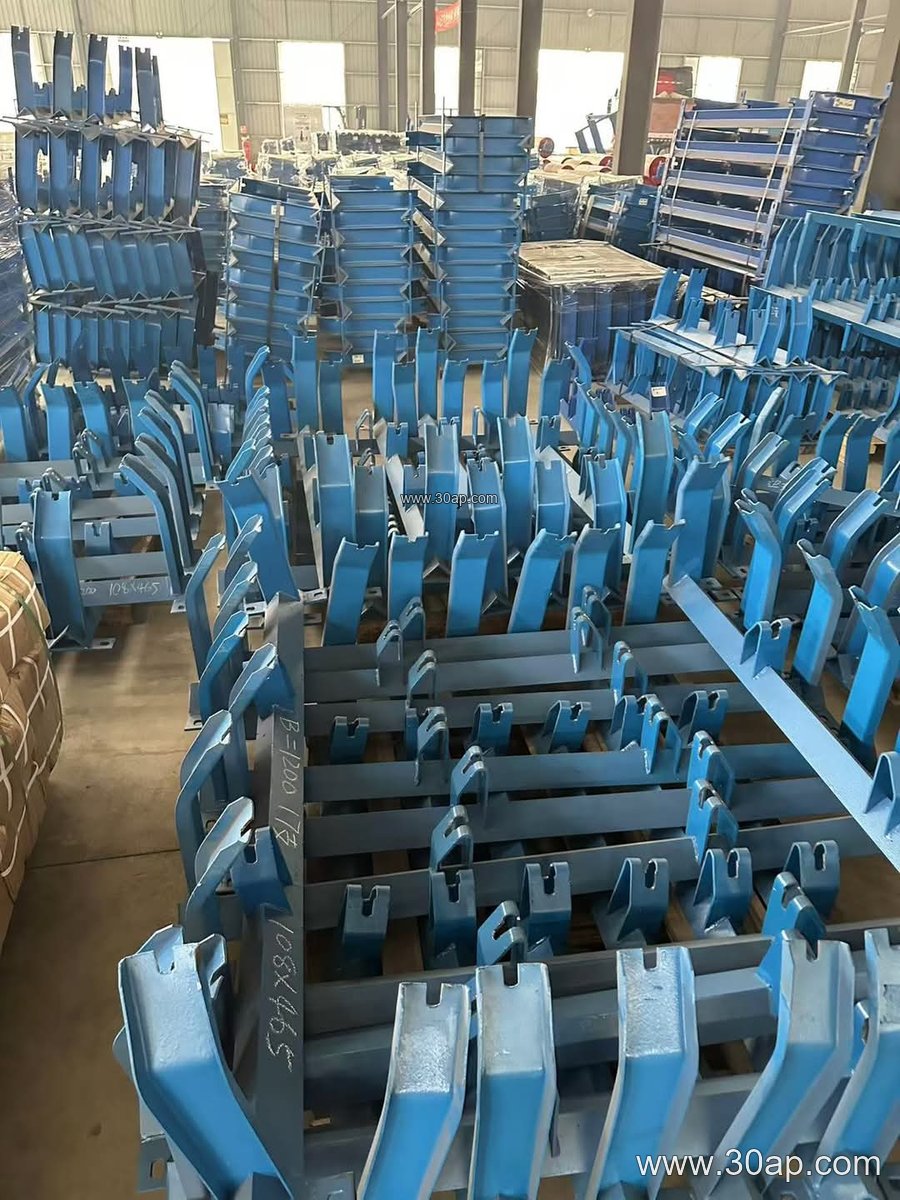
Several types of carrying brackets exist to meet different operational needs. The most common is the fixed troughing bracket, available in trough angles of 20, 30, 35, and 45 degrees. Adjustable brackets allow on-site changes to the trough angle, which can be useful when handling materials with varying characteristics. Transition brackets are used near pulleys to gradually change the belt from flat to troughed. Impact brackets, often reinforced, are installed at transfer points to absorb shock. For special belt types like corrugated sidewall or pipe conveyor belts, dedicated bracket designs may be required.
Selection and Maintenance Tips
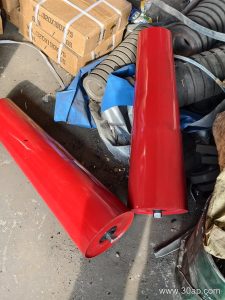
When selecting a carrying bracket, consider the belt width, idler diameter, trough angle, and load capacity. The bracket must match the idler roller spacing and the belt’s physical properties. Common belt widths include B500, B650, B800, B1000, B1200, B1400, B1600, B1800, and B2000. Idler diameters such as Ø89, Ø108, Ø133, Ø159, and Ø194 are typical. It is important not to assume a fixed relationship between belt width and idler diameter; each conveyor design dictates the appropriate combination. Regular inspection of brackets for wear, corrosion, and loose fasteners helps maintain optimal performance. Adjustable brackets should be checked to ensure they remain at the set angle.
Conclusion
The conveyor carrying bracket is a small but critical part of any belt conveyor system. Proper selection and maintenance ensure reliable operation and extend the life of the conveyor belt and idler rollers. Whether in a mining operation or a processing plant, choosing the right bracket for the application is key to efficient material handling.