What a Rock Conveyor Belt Is
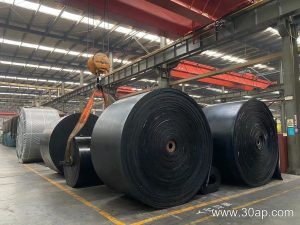
A rock conveyor belt is a heavy-duty rubber belt built to move crushed stone, gravel, ore and other abrasive bulk materials along a conveyor system. In practice, the product is often simply called a quarry conveyor belt or an aggregate conveyor belt, and it belongs to the wider family of heavy-duty mining conveyor belts. Unlike a belt handling sand or grain, a rock conveyor belt works under sharp impact, constant abrasion and heavy loads, so its cover compound and carcass must be chosen with care.
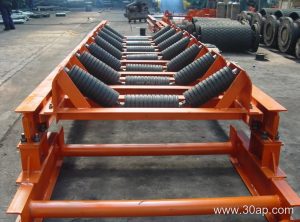
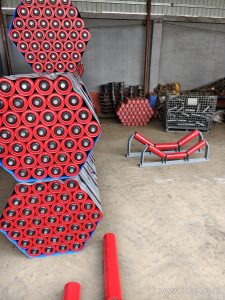
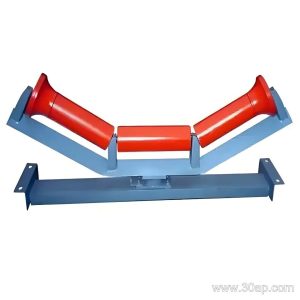
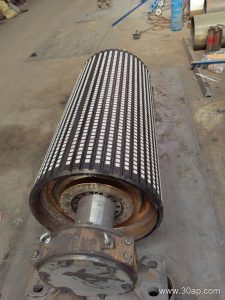
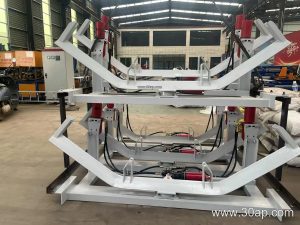
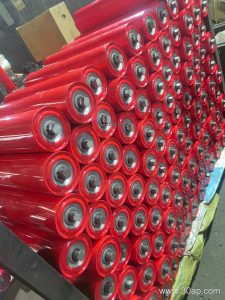
The belt is only one part of the system. A typical installation also includes an idler roller set, a conveyor pulley at the drive and tail positions, and a sturdy conveyor bracket supporting the frame. The belt, rollers and pulleys must be matched as a system rather than selected separately.
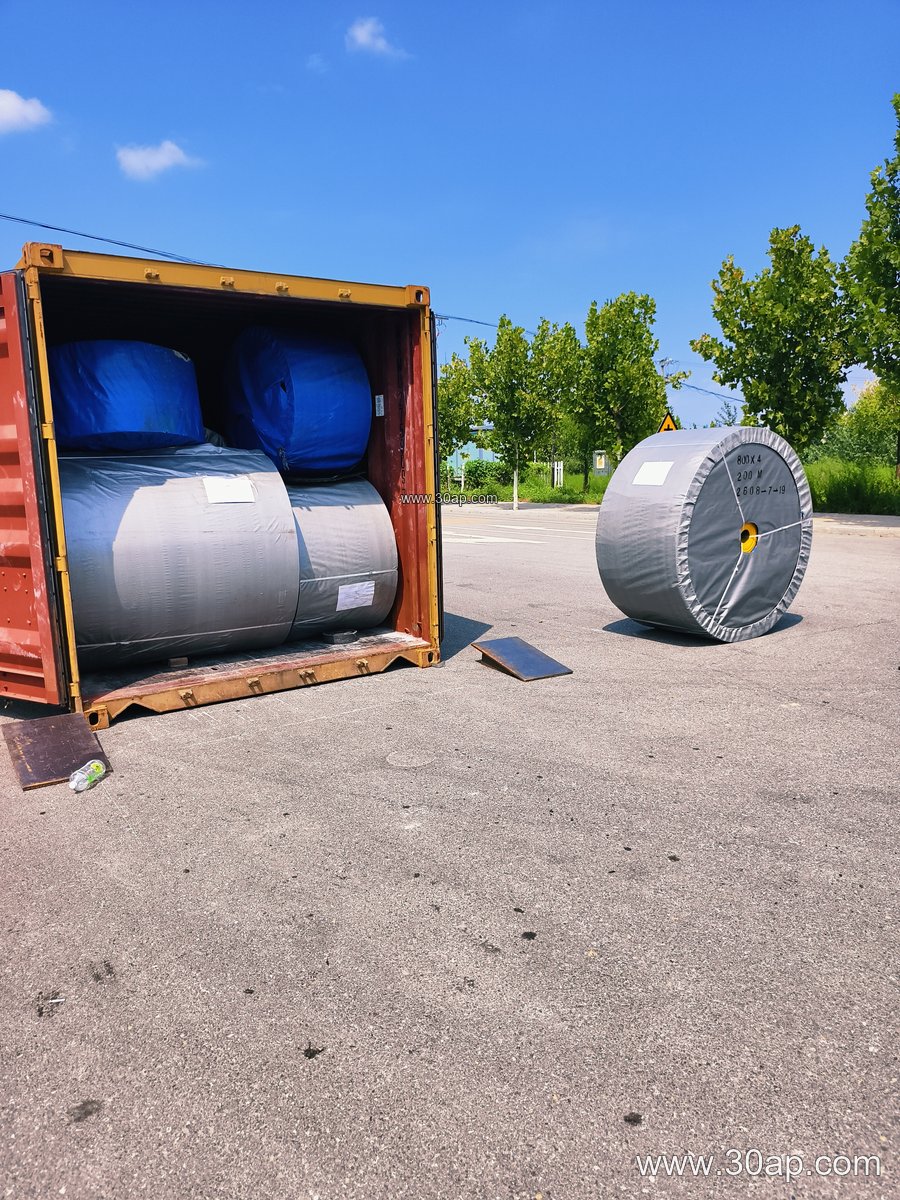
Construction and Common Types
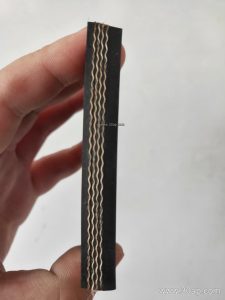
Most rock conveyor belts use a fabric or steel cord carcass with rubber covers on both sides. The carcass carries the tension, while the top cover absorbs impact and abrasion and the bottom cover protects against wear on the return side.
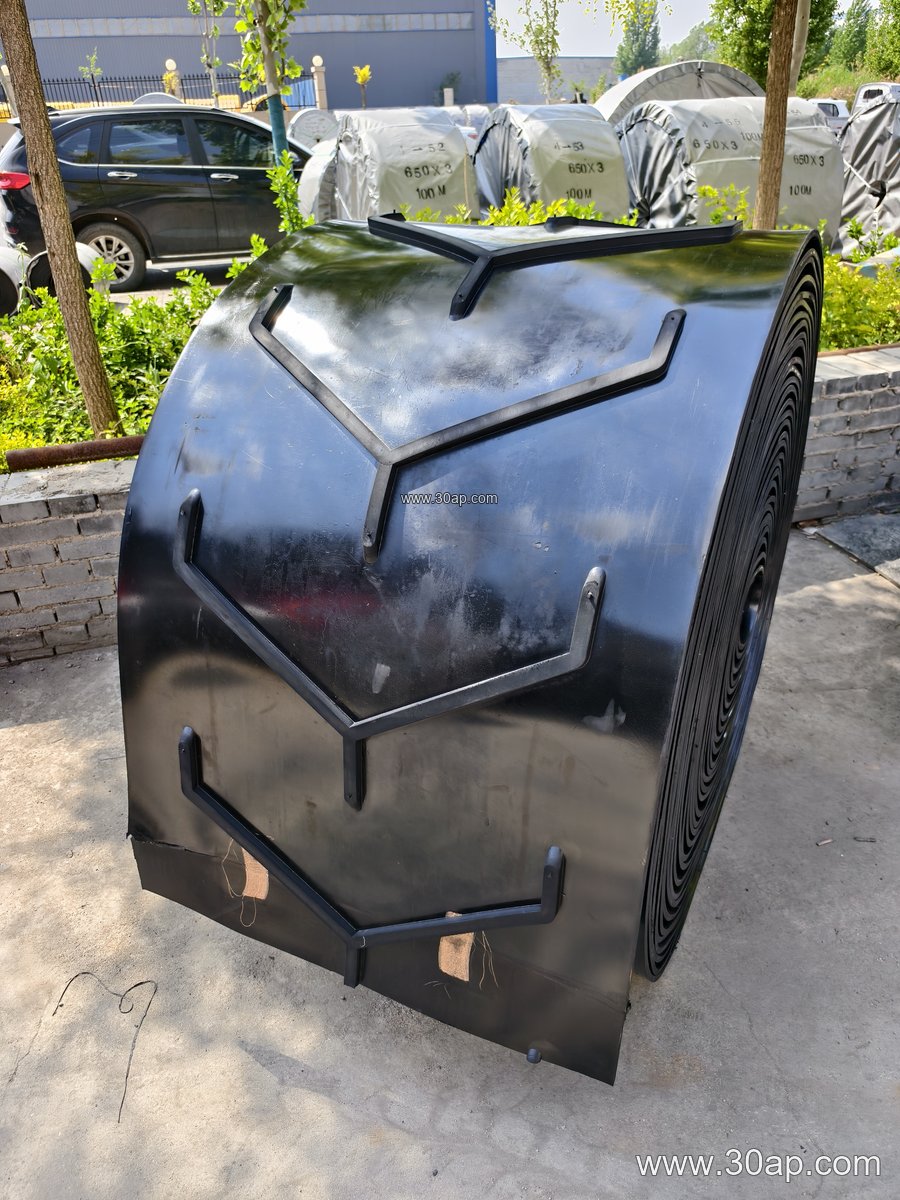
Fabric core options
- EP conveyor belt – polyester fabric carcass, widely used in quarries and crushing plants for its low stretch and good strength.
- NN conveyor belt – nylon fabric carcass, offering high flexibility and resistance to fatigue.
- Multi-ply fabric core conveyor belt – several fabric plies combined to suit heavier loads and longer conveying distances.
Steel cord and special constructions
- Steel cord conveyor belt – used for high tension and long hauls, common in large mines and port loading systems.
- Chevron conveyor belt – with raised cleats to prevent material rollback on inclined sections.
- Corrugated sidewall conveyor belt – with sidewalls and cross cleats for steep inclines and confined spaces.
- Pipe conveyor belt – forms a closed tube to contain dust and protect material along the route.
Cover grades are usually selected to match the duty. Abrasion resistant conveyor belt grades suit crushed rock, heat resistant conveyor belt grades suit cement clinker and sinter, and flame retardant or fire resistant conveyor belt grades are used in coal mining and underground coal mining conveyor systems where safety rules require them. Oil resistant and cold resistant grades are available for special environments.
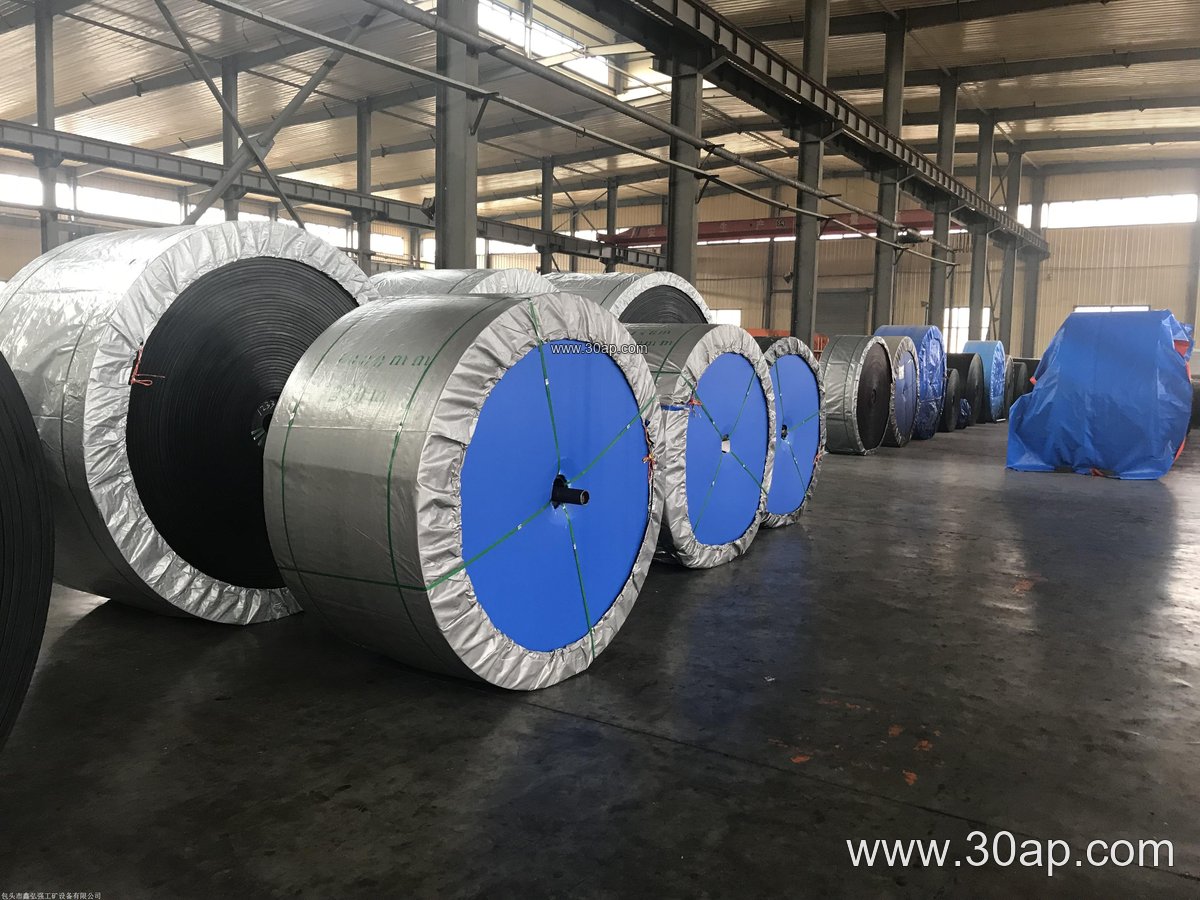
Typical Parameters
The following values are common reference ranges. Actual specifications are set by the conveyor design and should be confirmed with the belt manufacturer.
| Parameter | Common reference values |
|---|---|
| Belt width | B500, B650, B800, B1000, B1200, B1400, B1600, B1800, B2000 |
| EP strength grades | EP200, EP315, EP400, EP500, EP630, EP800, EP1000, EP1250, EP1600, EP2000 |
| Cover thickness | 3+1.5, 4+2, 5+2, 6+2, 8+3 mm |
| Carcass plies | Usually 2 to 6 plies for fabric belts |
Width and strength are independent choices. A 1000mm or 1200mm belt can be supplied in several strength grades, and the pulley diameter is determined by the belt construction and the conveyor design, not by belt width alone. A 1200mm wide conveyor belt and a 1800mm wide conveyor belt may both be reasonable for different throughput targets.
Where It Is Used
Rock conveyor belts appear across mining, quarrying, cement, power and construction operations. In a stone crushing plant, a crusher conveyor belt carries blasted rock from the primary crusher to screening. In sand making plants, belts feed and return material between stages. Cement plants use them for limestone and clinker, power plants for coal and ash, and ports for ship loading. Underground coal mining conveyors use flame retardant and anti-static constructions, while iron ore and copper ore operations often prefer high strength or steel cord belts.
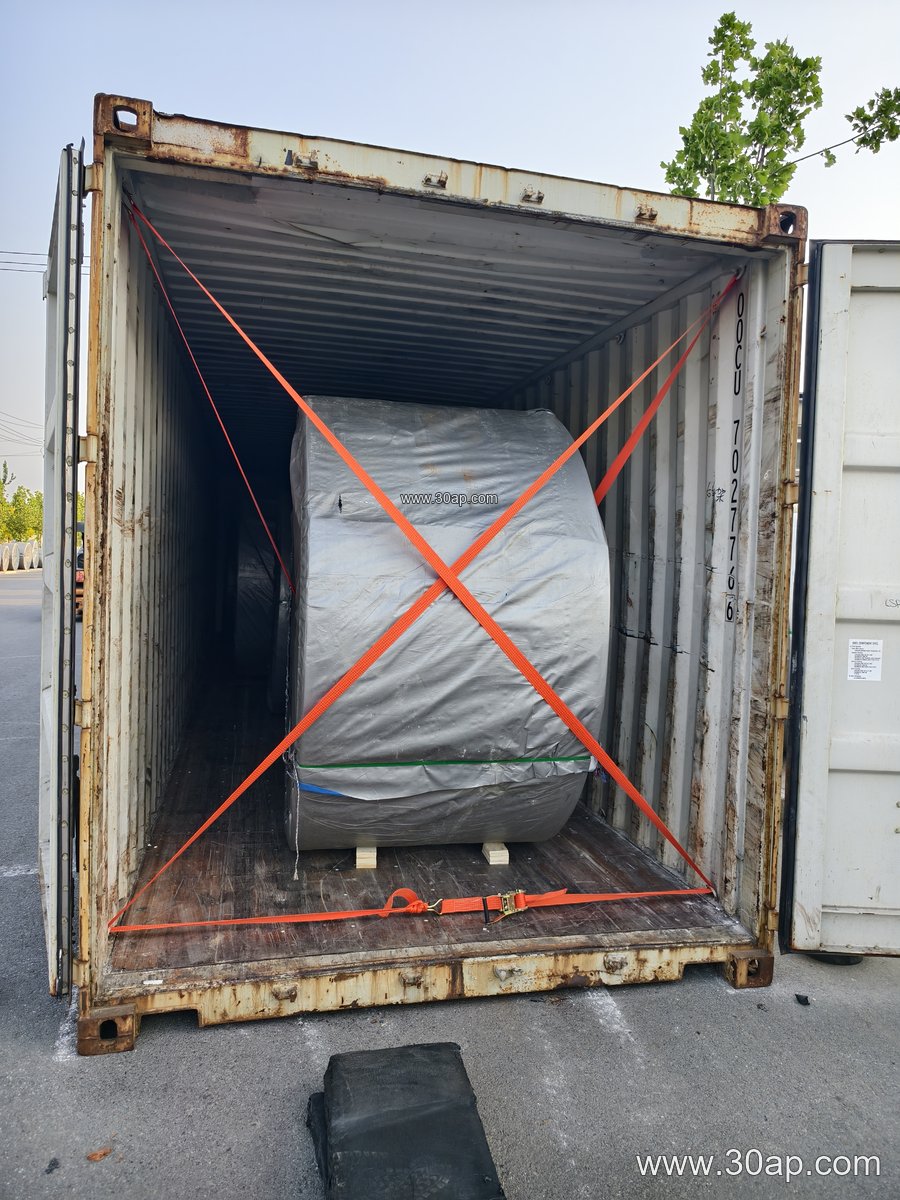
For more information on matching belts with idler rollers, pulleys and frames, visit www.example.com/conveyor-belt and www.example.com/rock-conveyor-belt.
What Buyers Should Check
- Material and duty – rock size, drop height, moisture and temperature determine cover grade and thickness.
- Strength and width – calculate the required tension and throughput before choosing an EP or steel cord grade.
- Pulley and roller compatibility – confirm pulley diameters and idler roller spacing with the belt supplier.
- Safety requirements – coal and underground applications usually need flame retardant and anti-static properties.
- Maintenance – check splice quality, alignment and cover wear regularly; a worn cover accelerates carcass damage.
A well-selected rock conveyor belt, supported by suitable rollers, pulleys and brackets, keeps crushing and mining lines running with fewer stoppages.