What an Impact Resistant Conveyor Belt Is
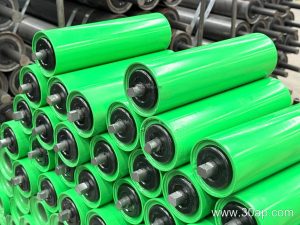
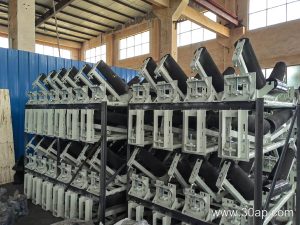
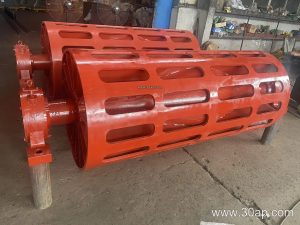
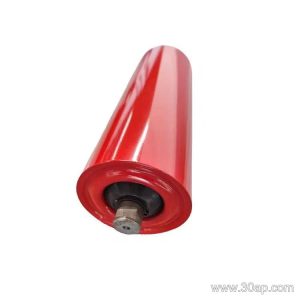
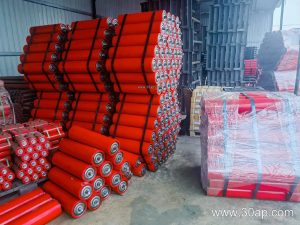
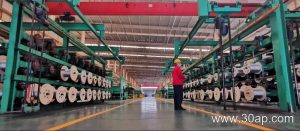
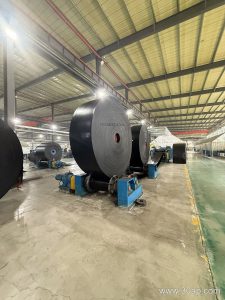
An impact resistant conveyor belt is a heavy-duty rubber belt engineered to absorb the shock of large, sharp or fast-falling material at loading points. Instead of letting lumps of rock, ore or clinker punch through the carcass, the belt spreads the force across a reinforced top cover and a resilient breaker layer. This makes it a practical choice wherever material drops from a crusher, screen or chute with significant energy. In many plants the belt works alongside conveyor pulleys, idler rollers and conveyor brackets, but its own job is to survive the hit.
How the Belt Is Built
The construction usually combines three elements. A fabric core, often an EP Conveyor Belt or NN Conveyor Belt carcass, provides tensile strength and tracking stability. A thick top cover, commonly 6+2 mm, 8+3 mm or heavier, resists cutting and gouging. Between them, some designs add an impact breaker layer of rubber or fabric to cushion point loads. Cover compounds can also be selected for abrasion, heat or oil exposure, so a single belt may be both an Abrasion Resistant Conveyor Belt and a shock-tolerant unit.
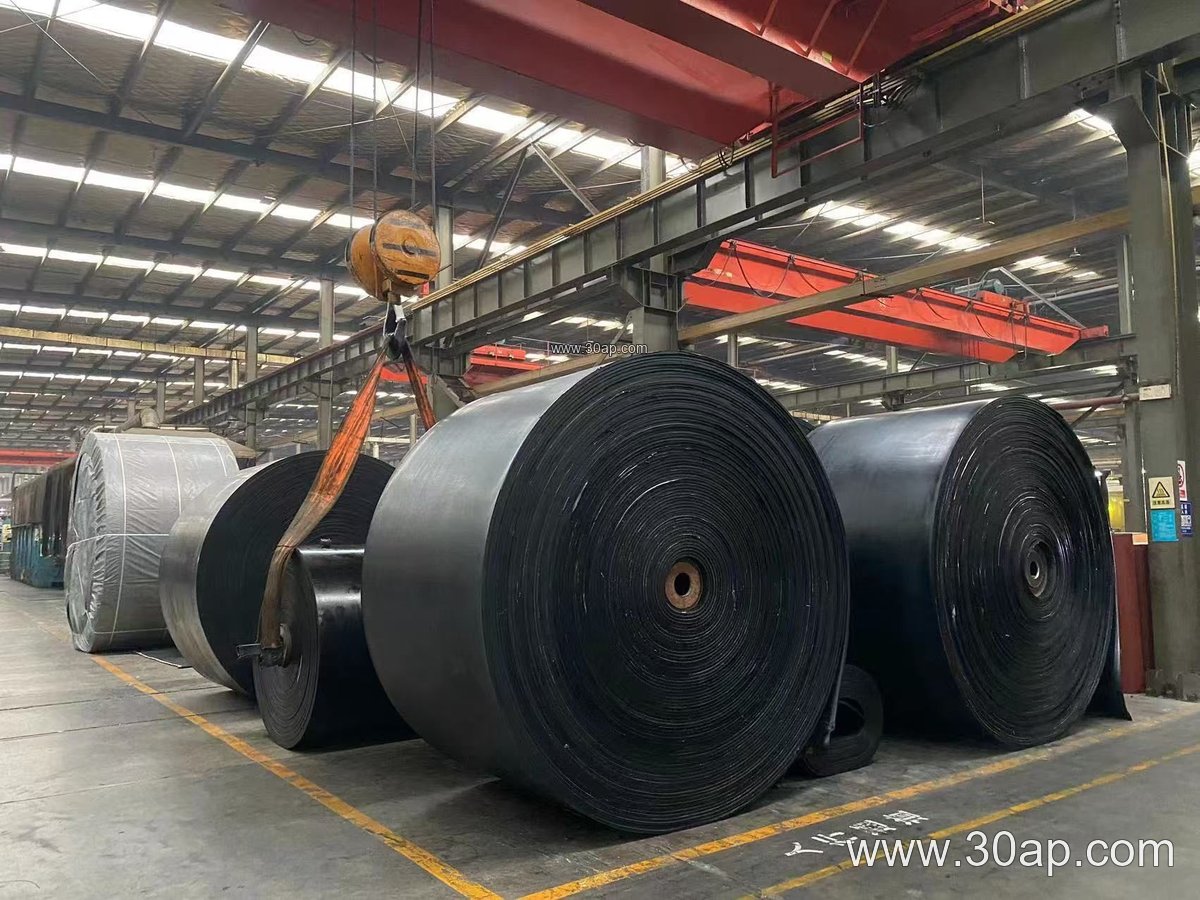
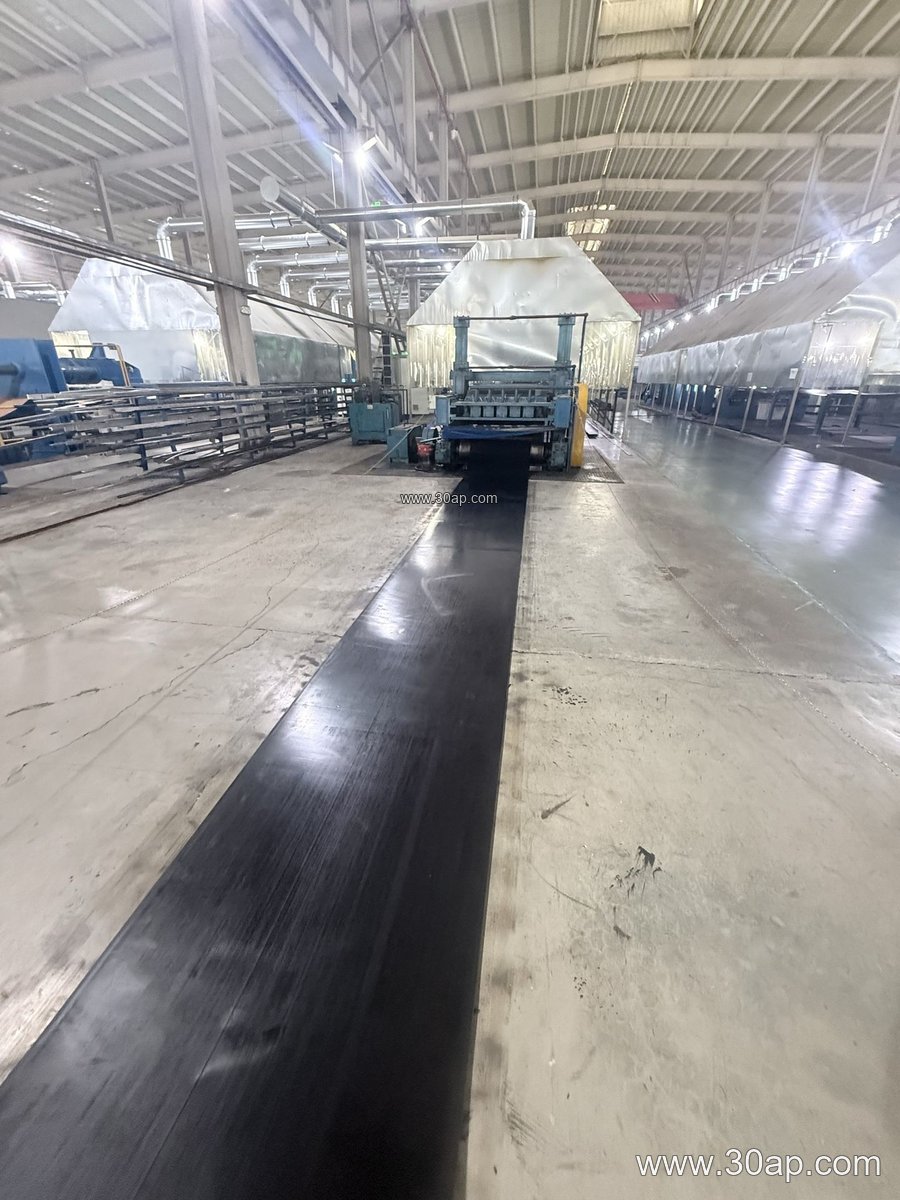
Common Construction Reference
| Element | Typical Options | Notes |
|---|---|---|
| Carcass | EP200 to EP1000, NN200 to NN400, steel cord where high tension is needed | Selected by load and center distance |
| Top cover | 6+2 mm, 8+3 mm, thicker by design | Thicker cover improves cut resistance |
| Ply count | 2 to 6 layers | Common range, varies by manufacturer |
| Width | B800, B1000, B1200, B1400, B1600 | Matched to the conveyor design |
Where It Fits in the Plant
The belt is most valuable at transfer points. In a quarry or sand making plant, primary crushed stone lands on the belt with sharp edges. In a coal mining or underground coal mining operation, run-of-mine coal and rock create similar shock loads. Cement plants use it under clinker crushers, power plants under coal handling chutes, and iron ore or copper ore operations at the discharge of primary crushers. It also appears in port conveyor systems and ship loading lines where grab or hopper discharge is sudden.
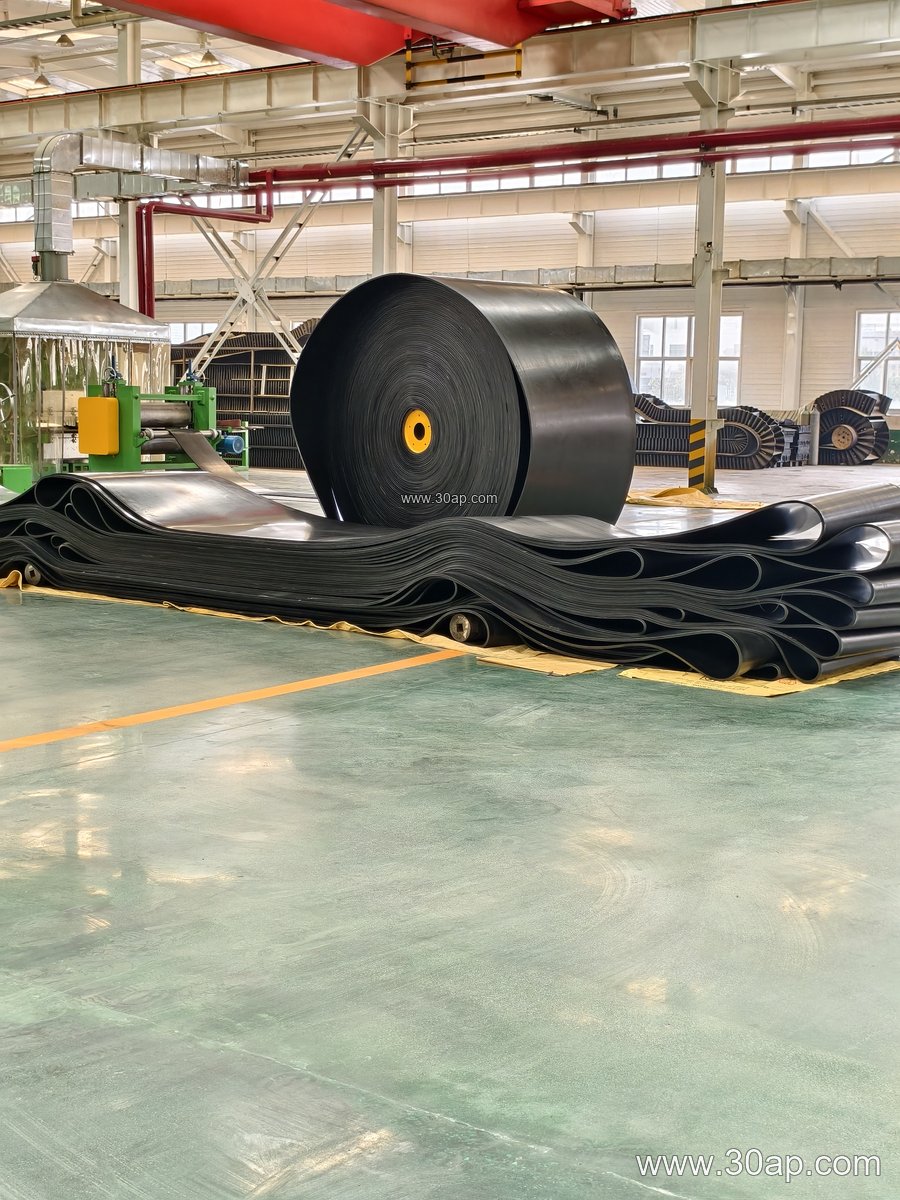
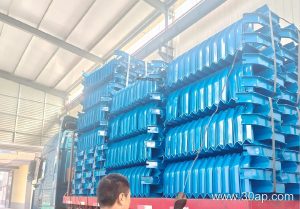
Because the loading zone is punishing, the belt is often supported by closely spaced idler rollers and impact idlers, with sturdy conveyor brackets holding the frame. The conveyor pulley at the drive end still supplies motion, while the tail and bend pulleys guide the return path. None of these components replace the belt; they simply share the duty with it.
Selection Points for Buyers
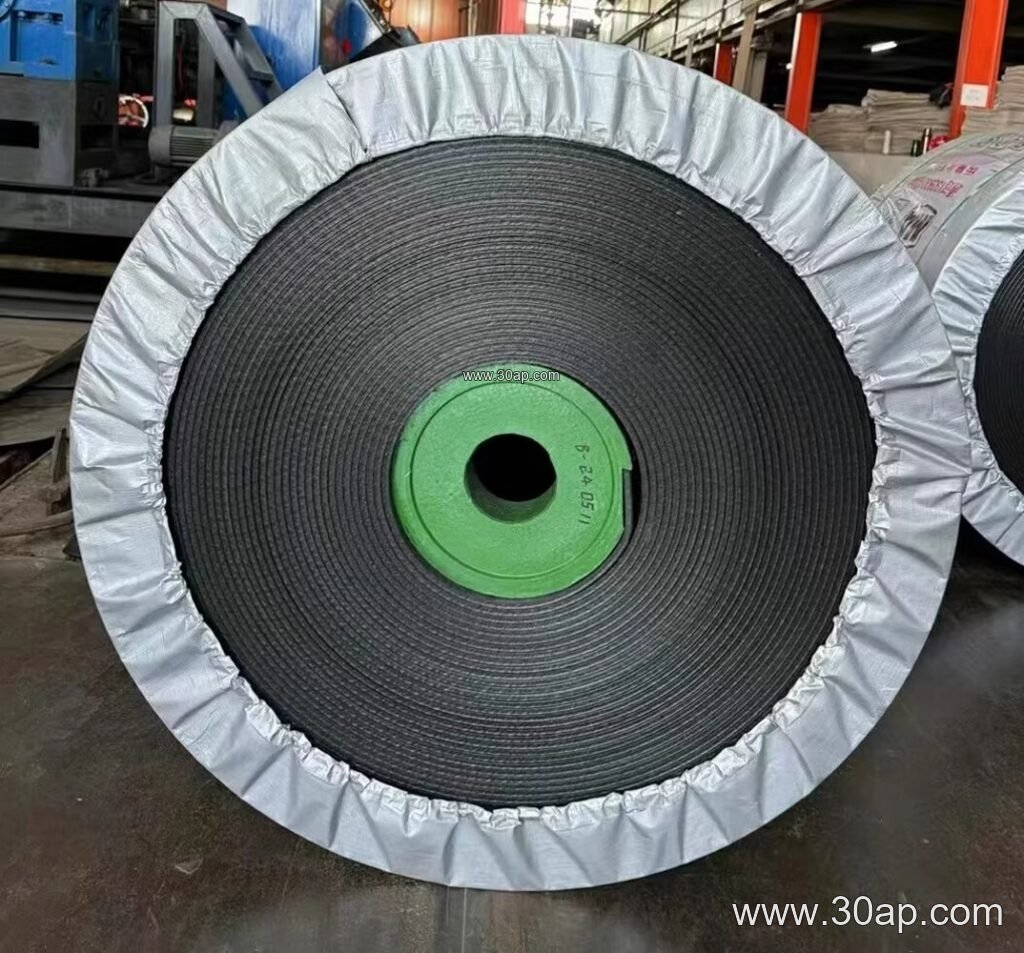
Start with the material. Lump size, drop height, throughput and moisture decide how much impact protection is required. Then check tension: an EP Conveyor Belt in EP400 or EP630 may suit a medium conveyor, while a Steel Cord Conveyor Belt is used when the duty is very high. Confirm cover thickness and grade, and state whether the environment needs Flame Retardant Conveyor Belt, Heat Resistant Conveyor Belt or Oil Resistant Conveyor Belt properties. For underground work, flame retardant and anti-static grades are often requested.
- Confirm belt width and carcass strength against the conveyor design, not by rule of thumb.
- Ask for the cover compound and thickness in writing.
- Check splice method and edge condition for the loading zone.
- Review impact idler spacing and chute design before blaming the belt.
Installation and Care
A belt that survives impact still needs correct support. Keep impact idlers close under the chute, avoid sharp chute lips, and control material drop height where possible. Inspect the top cover for cuts and gouges, and repair small damage before it reaches the carcass. Track alignment through the tail and bend pulleys, and keep idler rollers turning freely. For a crusher conveyor belt or rock conveyor belt, a short maintenance check after each shift is often more useful than a long one after a failure.
Buyers should treat published strengths and cover sizes as reference data, since constructions differ between suppliers. The right impact resistant conveyor belt is the one matched to the actual drop, lump size and tension of the line, with the conveyor structure working as a system rather than as isolated parts.