Why the Conveyor Pulley Defines System Performance
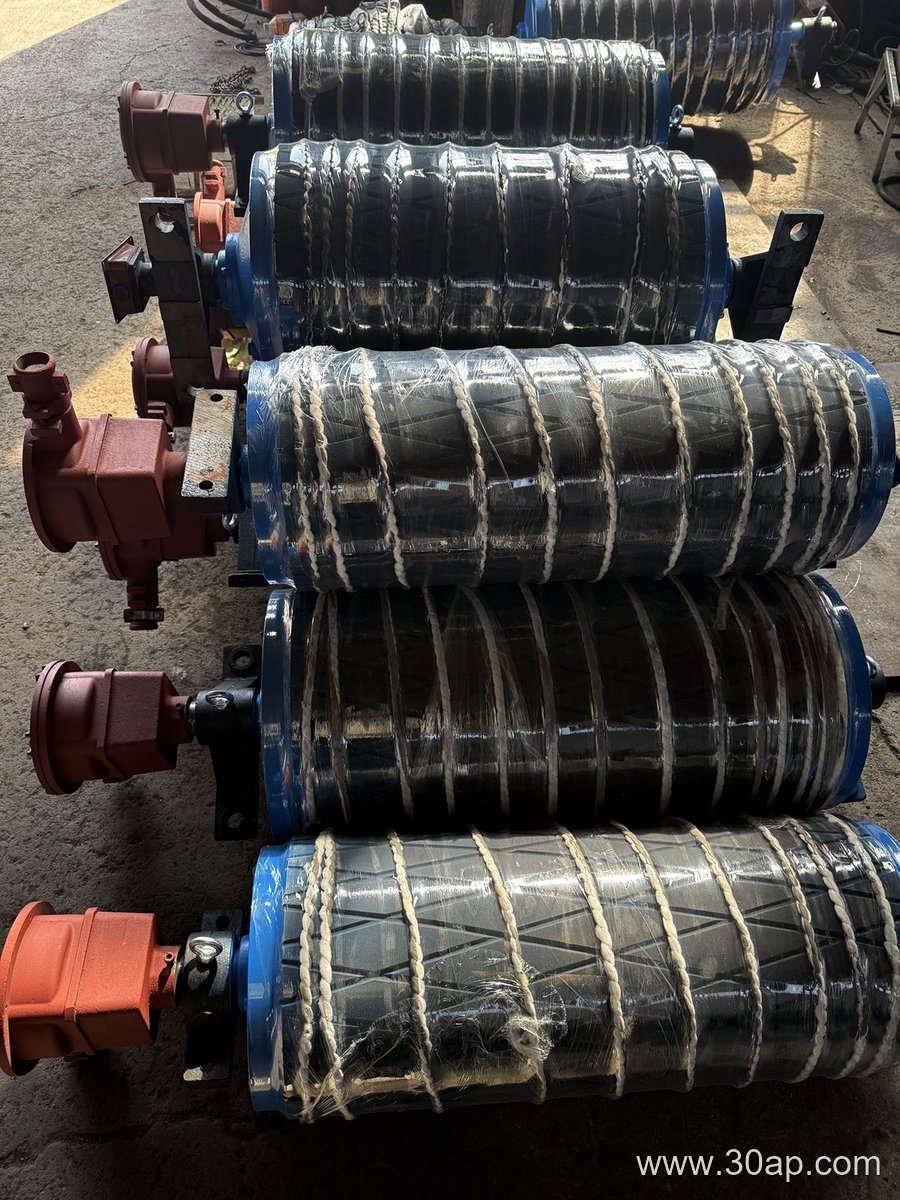
The conveyor pulley is the mechanical heart of any belt conveyor, transferring drive torque and maintaining belt tension. A poorly chosen pulley leads to belt misalignment, premature bearing failure, and costly downtime. For industrial buyers, understanding load ratings, shell thickness, and shaft deflection is non-negotiable.
Key Specifications for Purchasing
- Determine the required face width and diameter based on belt width and wrap angle.
- Verify the pulley’s lagging type (ceramic, rubber, or plain) against friction and wear conditions.
- Check the shaft’s bending stress and fatigue life for your maximum belt tension.
- Specify crown profile or flat face for tracking control in reversing or high-speed systems.
Matching Material and Environment
For corrosive or abrasive environments, choose stainless steel or vulcanized rubber lagging. For heavy mining, use forged or fabricated steel with a minimum shell thickness per CEMA standards. Always request a dynamic balancing certificate for pulleys operating above 300 fpm.
Selection and Cost Advice
Do not oversize the pulley beyond the calculated shaft deflection limit—this increases cost without benefit. Instead, prioritize bearing life (L10) and seal protection. Compare quote terms: include end disc welding, hub locking elements, and spare bushings. Ask for a finite element analysis (FEA) summary for critical pulleys over 24 inches in diameter.
Finally, verify the pulley matches your existing frame and take-up travel. A minor dimensional error can halt installation. For long-term value, purchase from suppliers who offer on-site pulley refurbishment and balanced replacement guarantees.
Understanding Conveyor Brackets
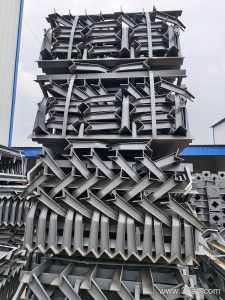
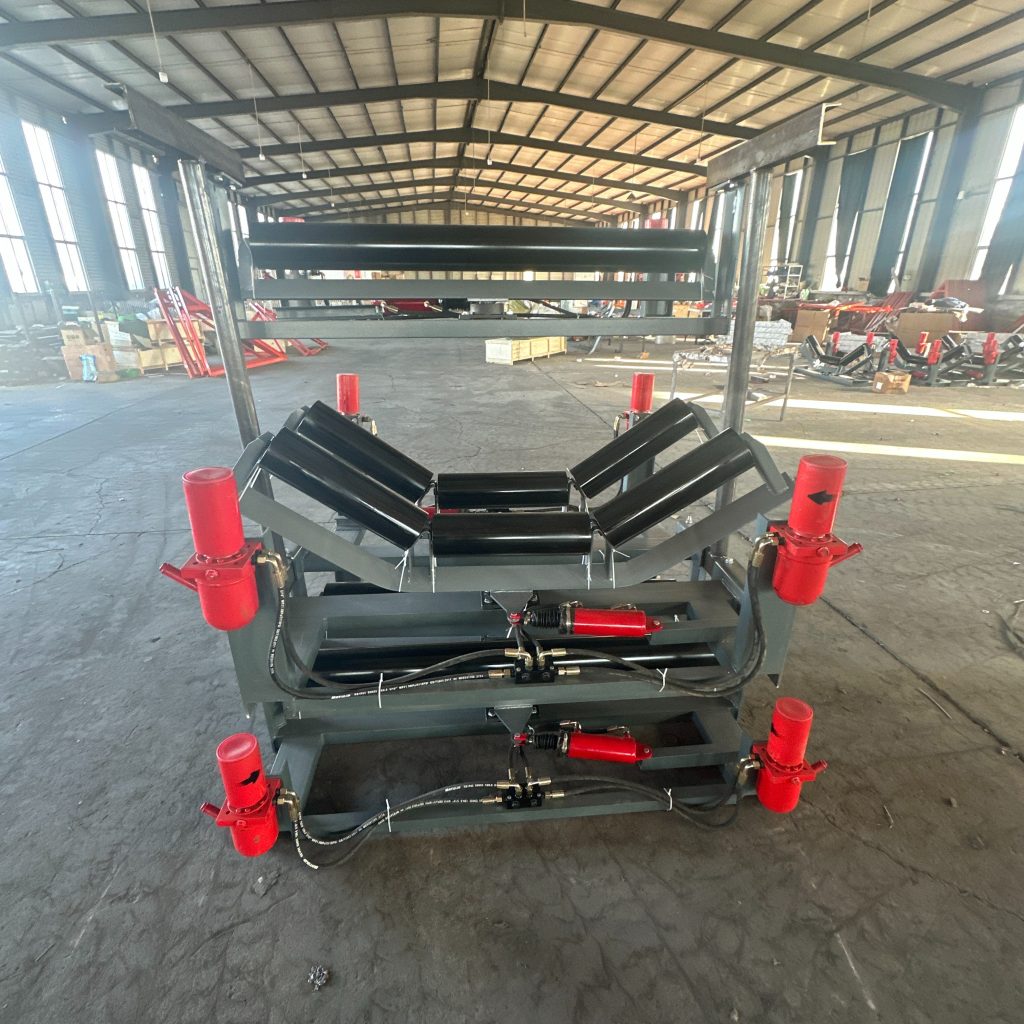
A conveyor bracket is the structural link that secures rollers, idlers, and frames to the main conveyor line. Without a properly engineered bracket, even the best belt or chain system will misalign, vibrate, or fail under load.
Key Selection Criteria
- Material grade: Choose galvanized steel for corrosive environments or stainless for food/pharma.
- Load rating: Match the bracket’s static and dynamic capacity to your peak tonnage per hour.
- Adjustability: Slotted or angled brackets allow precise roller height and trough angle tuning.
- Compatibility: Verify bolt patterns, shaft diameters, and frame width before ordering.
Purchasing Advice
Always request a deflection test report for heavy-duty conveyor brackets. For retrofit projects, measure the existing center distance and mounting hole spacing. Buy from suppliers who offer CAD files and corrosion warranties.
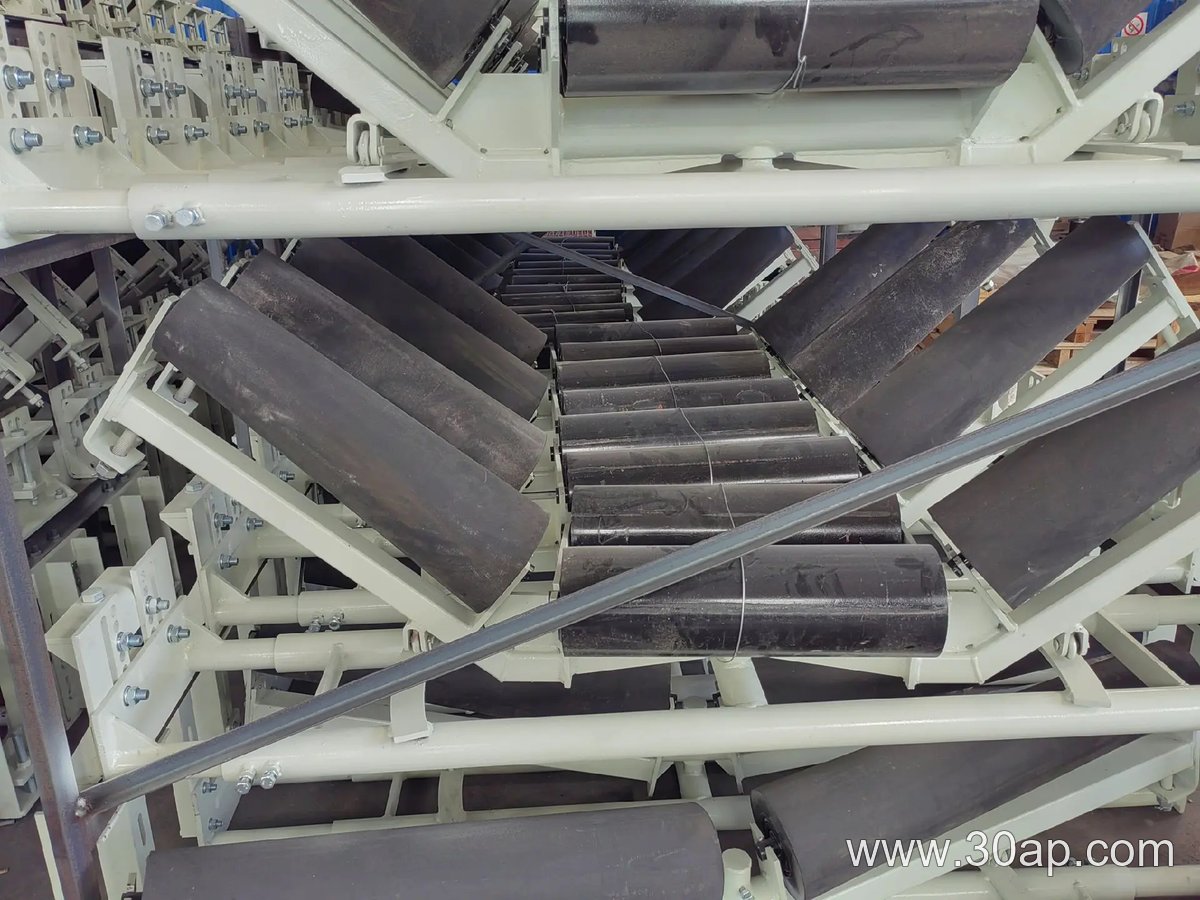
Proper installation—using torque-controlled bolts and locking washers—extends bracket life by up to 40%. Consider spare brackets in your initial purchase to minimize downtime during unplanned wear.
Why the Conveyor Belt Is Your System’s True Workhorse
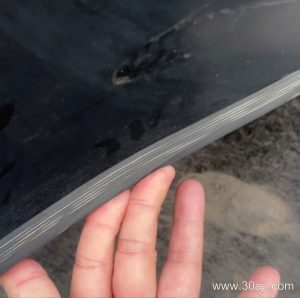
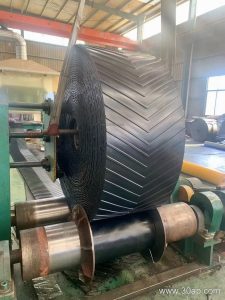
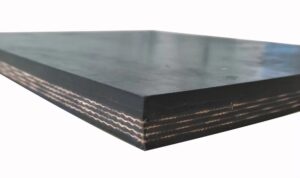
The conveyor belt is not a mere accessory—it is the primary load-bearing interface between your product and your process uptime. Selecting the wrong belt causes premature wear, misalignment, and costly stoppages.
First, Identify Your Material and Environment
Before pricing, answer two questions: what travels on the belt (abrasive, hot, oily, or sharp), and what surrounds it (humidity, chemicals, or extreme temperatures)?
- For sharp or heavy aggregates, use multi-ply rubber with reinforced breaker fabric.
- For food contact, choose FDA-grade thermoplastic polyurethane (TPU) with a smooth, seam-free profile.
Check Tension and Belt Construction
Verify the belt’s working tension against your pulley diameter and motor power. A stiffer carcass (steel cord) suits long, high-tension runs; fabric belts work for shorter, curved paths.
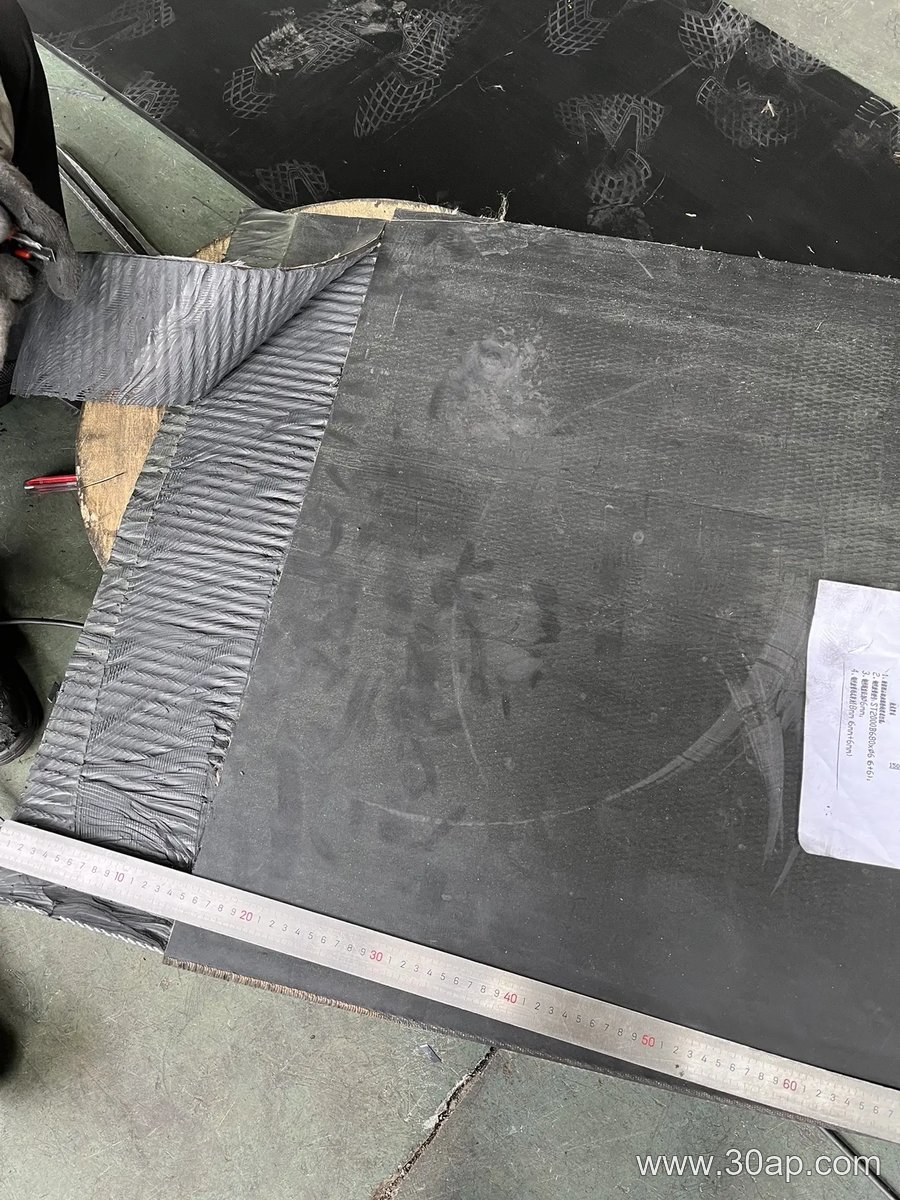
Always request a splice method recommendation: mechanical fasteners for quick repairs, vulcanized splicing for seamless, hygienic operations.
Purchase Advice: Test Before You Commit
Ask suppliers for a flex test on a sample under your actual load. Confirm belt thickness, edge sealing, and minimum pulley radius against your frame. Finally, order one spare belt—same spec—to avoid waiting 6–10 weeks for a custom build.
Inspect belt tracking monthly and adjust idlers proactively. A well-chosen conveyor belt can outlast three motors if matched correctly.
What Makes an Idler Roller Critical to Your System
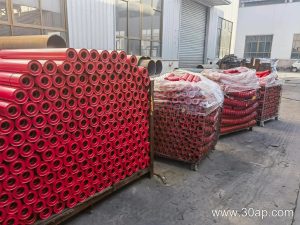
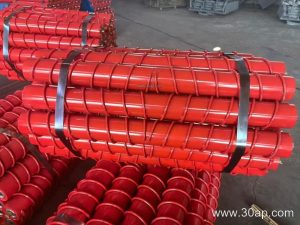
The idler roller is the unsung workhorse of any belt conveyor, supporting the belt and material weight while minimizing friction. A quality idler roller reduces energy consumption, prevents belt misalignment, and extends the life of both belt and structure.
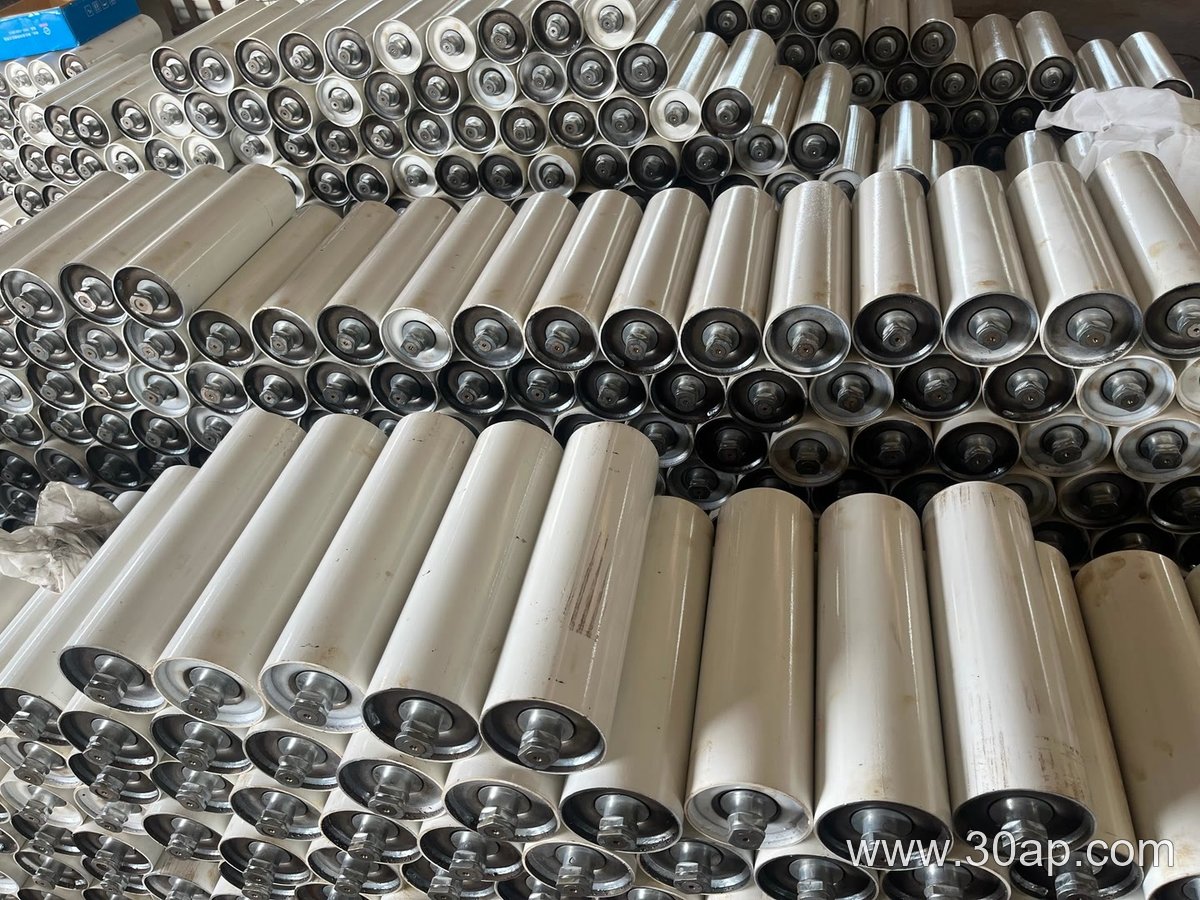
Key Selection Factors
- Load rating – Match the roller’s dynamic load capacity to your maximum material weight and belt speed.
- Roller diameter – Larger diameters reduce belt sag and are better for high-impact zones.
- Sealing system – Choose labyrinth or contact seals based on dust and moisture exposure.
- Shell material – Steel for heavy duty, HDPE for corrosive or food-grade environments.
Purchasing Advice
Always verify the idler roller’s shell thickness and bearing type (usually C3 clearance) against your operating temperature. Request a sample for a trial run, and confirm spare parts availability. Avoid the cheapest option—premature replacement costs far more than a reliable roller upfront.