What a Port Belt Conveyor Pulley Does
A port belt conveyor pulley is the rotating drum that drives or guides the conveyor belt in bulk terminal systems. At a port, the equipment often works continuously, handling iron ore, coal, fertilizer, grain, or other bulk cargo between ship loaders, stackers, and storage yards. The pulley has to transmit torque, keep the belt tracking, and survive a salty, dusty, and sometimes humid environment. In this article, the term refers to the drum assembly used on port conveyor systems, also called a port conveyor drum or port conveyor pulley.
How the Drum Is Built
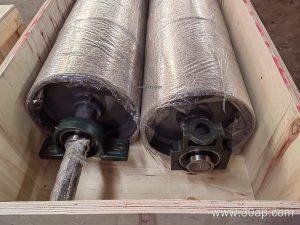
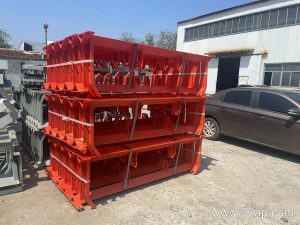
The core is usually a steel shell with welded end discs and a shaft. The shaft is supported by bearing housings mounted on a conveyor bracket or a steel frame. The shell can be machined smooth or covered with rubber, ceramic, or other lagging. Bearing selection, shaft diameter, and shell thickness are determined by the belt tension, torque, and load, not by belt width alone.
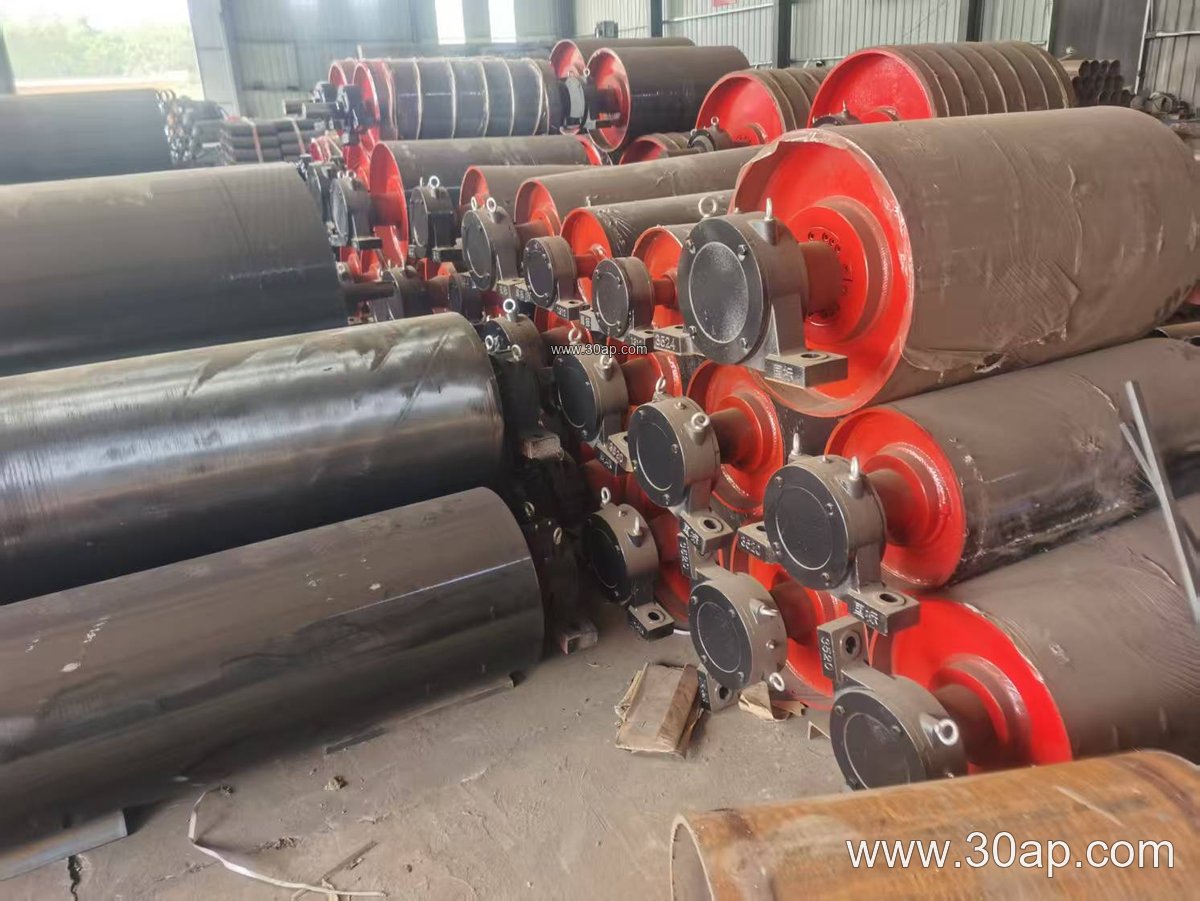
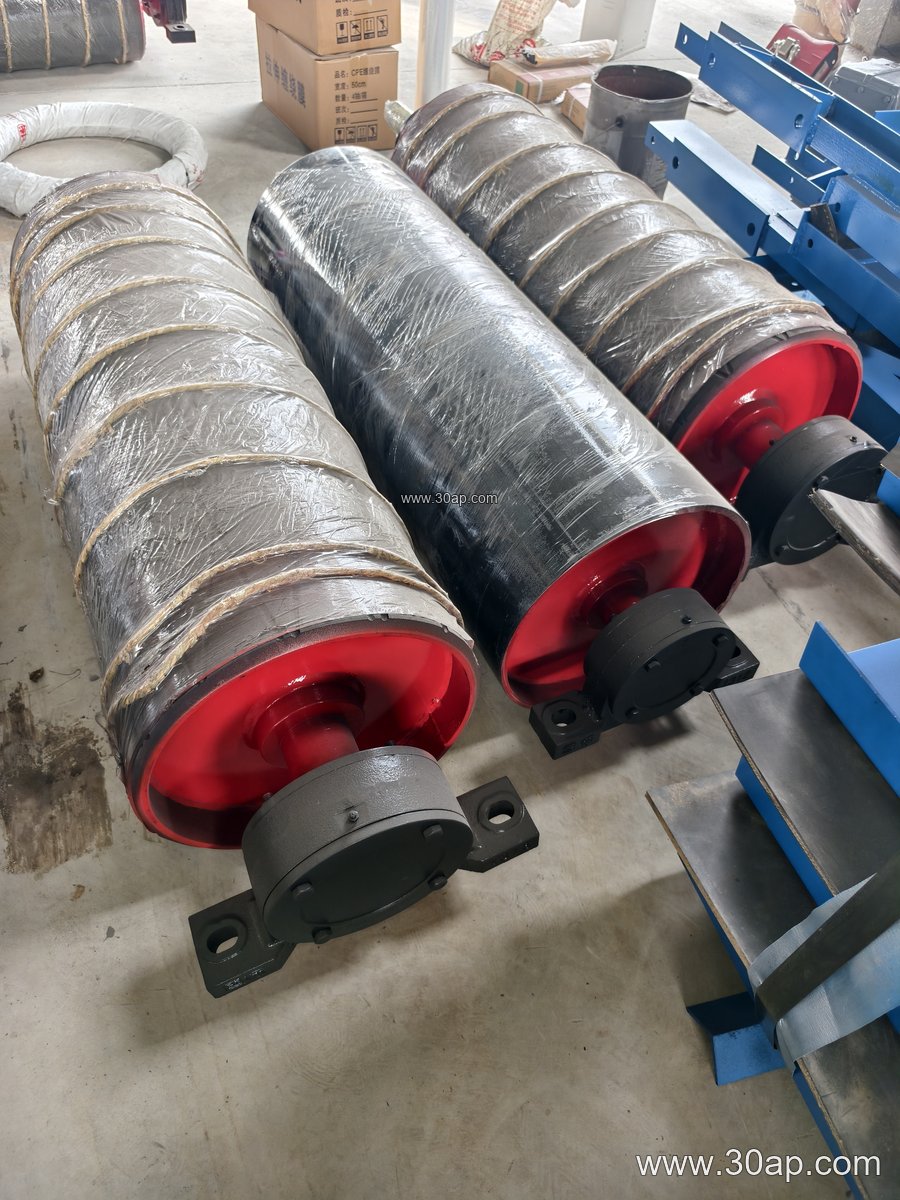
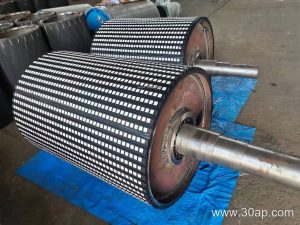
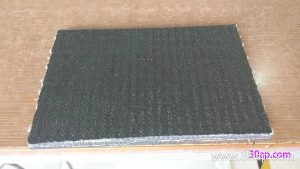
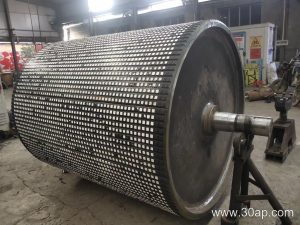
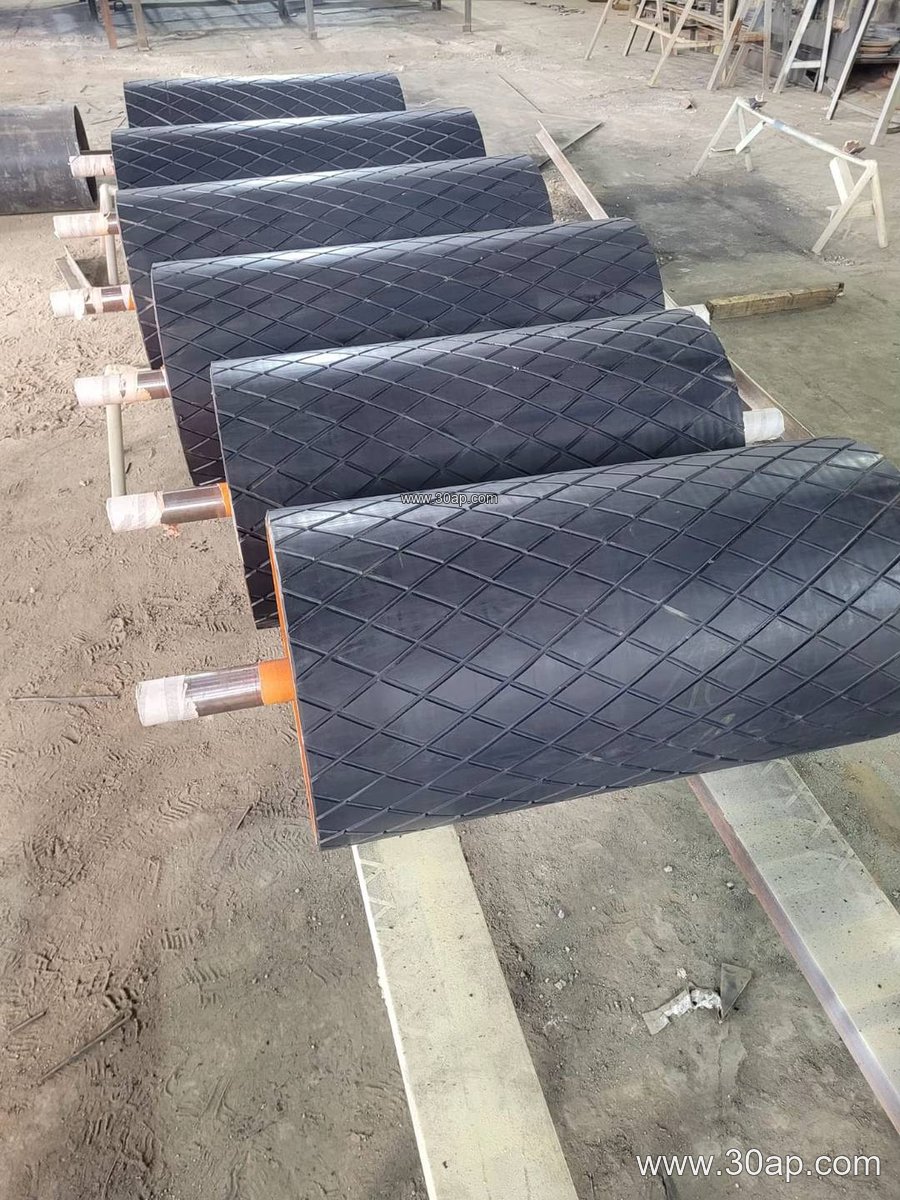
Common surface forms include plain, cast rubber, cold-bonded rubber, hot-vulcanized rubber, diamond lagging, herringbone lagging, and ceramic lagging. Lagging thickness commonly ranges from 8 mm to 20 mm, depending on grip requirements and wear conditions. The drum face width is usually slightly wider than the belt. For example, a B1200 system often uses a face around 1400 mm, while a B800 system may use about 950 mm. These are typical references, not fixed rules.
Where It Fits in the Conveyor Line
A drive pulley at the head end transfers power from the gearbox to the belt. A tail pulley at the loading end helps support the belt and maintain tension. Bend pulleys change belt direction around take-up systems, while snub pulleys increase wrap angle on the drive drum. These roles are not interchangeable, and each position places different demands on the pulley.
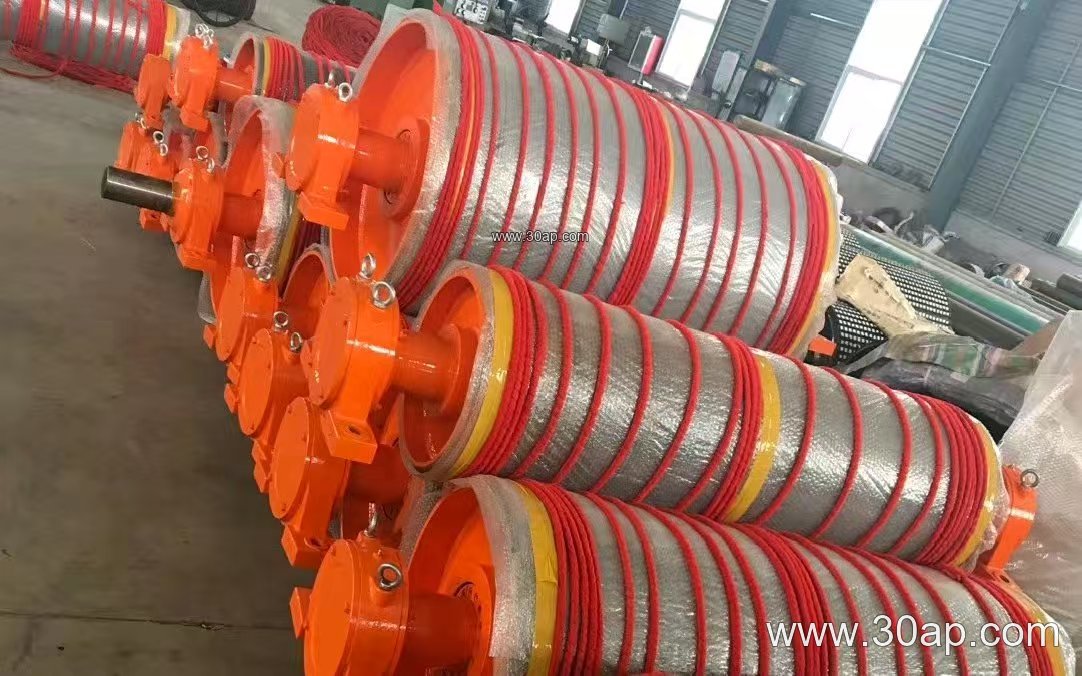
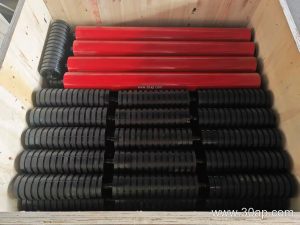
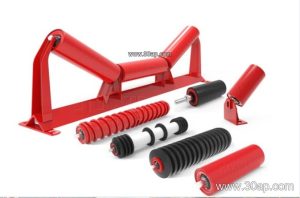
In port terminals, the belt often carries abrasive ore or coal, so a rubber lagged drum may be paired with an abrasion resistant conveyor belt or a heavy-duty mining conveyor belt. Where oil or chemicals are present, an oil resistant conveyor belt can reduce swelling and extend belt life. For dusty coal or grain operations, a flame retardant conveyor belt may be required by site rules. The conveyor pulley, belt, and idler roller work as one system, so mismatch between components can cause tracking problems or premature wear.
Common Sizes and Configurations
Port conveyors vary widely, so pulley dimensions are matched to the conveyor design. Typical belt widths include B400, B500, B650, B800, B1000, B1200, B1400, B1600, B1800, B2000, B2200, and B2400. Drum diameters commonly range from Ø200 to Ø1800, with larger diameters used where belt tension and torque are high. Shaft diameters commonly range from Ø50 to Ø200, selected by torque and bearing load.
| Belt Width Reference | Typical Pulley Face Width | Common Diameter Examples |
|---|---|---|
| B800 | About 950 mm | Ø500, Ø630 |
| B1000 | About 1150 mm | Ø630, Ø800 |
| B1200 | About 1400 mm | Ø800, Ø1000 |
| B1400 | About 1600 mm | Ø1000, Ø1250 |
| B1600 | About 1800 mm | Ø1250, Ø1400 |
These combinations are examples only. A B1200 belt may work with Ø1000 in one terminal and a different diameter in another, depending on tension, speed, and take-up arrangement. Buyers should provide the belt width, belt speed, motor power, and expected load so the supplier can calculate the shaft and bearing requirements.
What Buyers Should Check Before Ordering
- Confirm the pulley position: drive, tail, bend, take-up, or snub. Each has different loading and lagging needs.
- Specify the belt type and duty, such as EP conveyor belt, steel cord conveyor belt, or heat resistant conveyor belt, because belt tension affects drum design.
- State the environment: salt air, coal dust, oil, or high temperature. This guides lagging and bearing protection choices.
- Check that the conveyor bracket and bearing housings match the shaft and frame dimensions.
- Ask for the balancing grade and runout tolerance, especially for high-speed port conveyors.
- Plan maintenance access for lagging inspection and bearing lubrication.
For a port project, the conveyor pulley is not a stand-alone item. It should be selected together with the conveyor belt, idler roller, and supporting structure. A well-matched drum reduces belt slip, improves tracking, and keeps the terminal running smoothly.