What a Terminal Conveyor Pulley Does
A terminal conveyor pulley is the large drum at the discharge end of a belt conveyor, often called the head pulley or discharge pulley. Its main job is to redirect the conveyor belt and discharge the material. While it may look similar to a drive pulley, the terminal pulley is specifically positioned at the terminal point of the conveyor line. In many systems, the terminal pulley is also the drive pulley, but not always. Understanding its role helps buyers specify the right unit for quarry, cement plant, or power plant applications.
Construction and Key Components
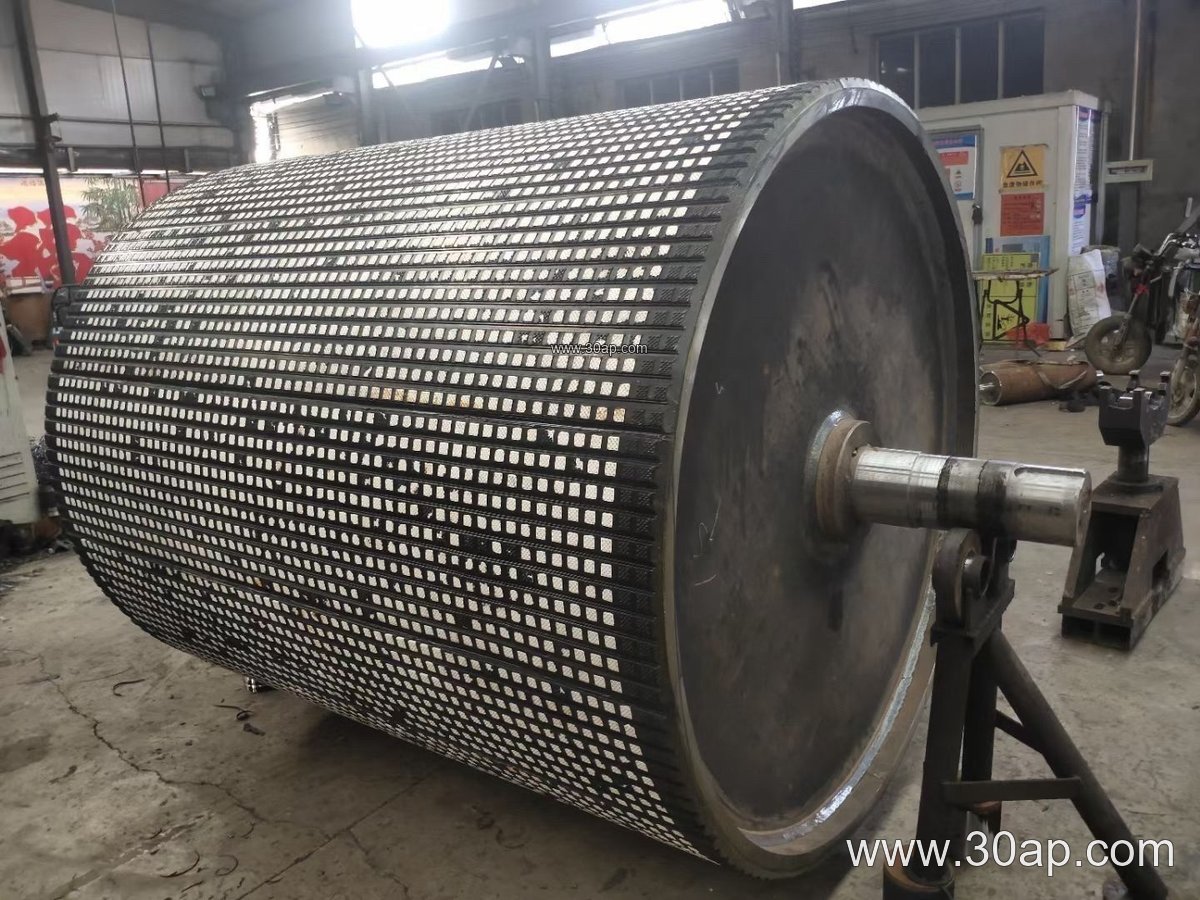
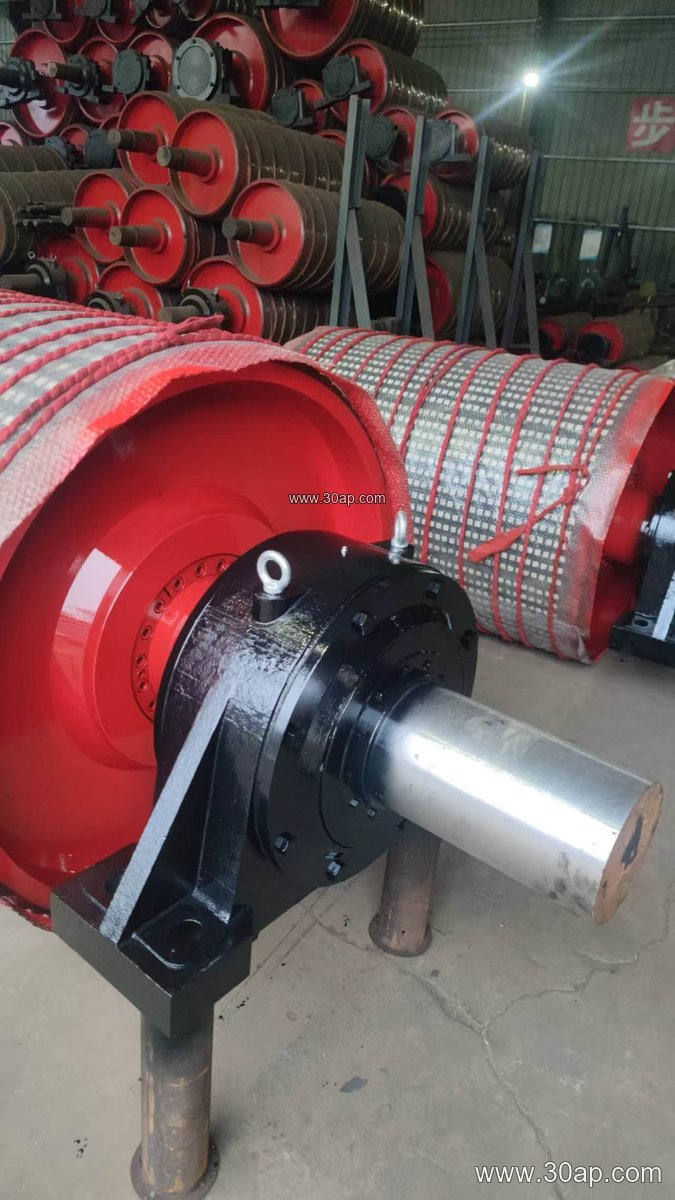
A terminal conveyor pulley typically consists of a cylindrical shell, shaft, hubs, and bearing housings. The shell can be smooth or lagged with rubber, ceramic, or other materials to improve grip and wear resistance. Common lagging types include plain rubber, diamond pattern, and herringbone. The pulley is mounted on a shaft that is supported by bearings, often housed in conveyor brackets. The shaft diameter is determined by torque and load, not simply by belt width. For example, a B1200 conveyor might use a shaft of Ø120 or Ø140, but this depends on the actual design.
Where Terminal Pulleys Are Used
Terminal pulleys are found in a wide range of bulk material handling operations. In a limestone quarry, a terminal pulley at the discharge point feeds crushed rock onto a transfer conveyor. In a coal-fired power plant, the terminal pulley on the coal conveyor discharges fuel into the bunker. Cement plants use them to transfer clinker and additives. Sand and gravel plants rely on terminal pulleys to direct aggregate onto stockpiles. Because these environments are often abrasive and dusty, the pulley surface and bearing seals must be chosen carefully. A rubber lagged terminal pulley can reduce belt slip, while a ceramic lagged version may suit high-wear areas.
Matching the Pulley to the Belt and System
The terminal pulley must work in harmony with the conveyor belt and other components. The belt width and pulley face width are related: the pulley face is usually wider than the belt to allow for tracking. For instance, a B800 belt might use a pulley face of about 950 mm, and a B1400 belt might use around 1600 mm. Diameters vary widely: common sizes include Ø500, Ø630, Ø800, Ø1000, and Ø1250. The correct diameter depends on belt speed, tension, and the allowable bend radius of the belt. It is not true that one belt width can only match one pulley diameter. A B1000 conveyor could use a Ø800 or Ø1000 pulley depending on the application. Similarly, shaft diameters such as Ø80, Ø100, or Ø120 are selected based on torque calculations.
Surface Options and Lagging
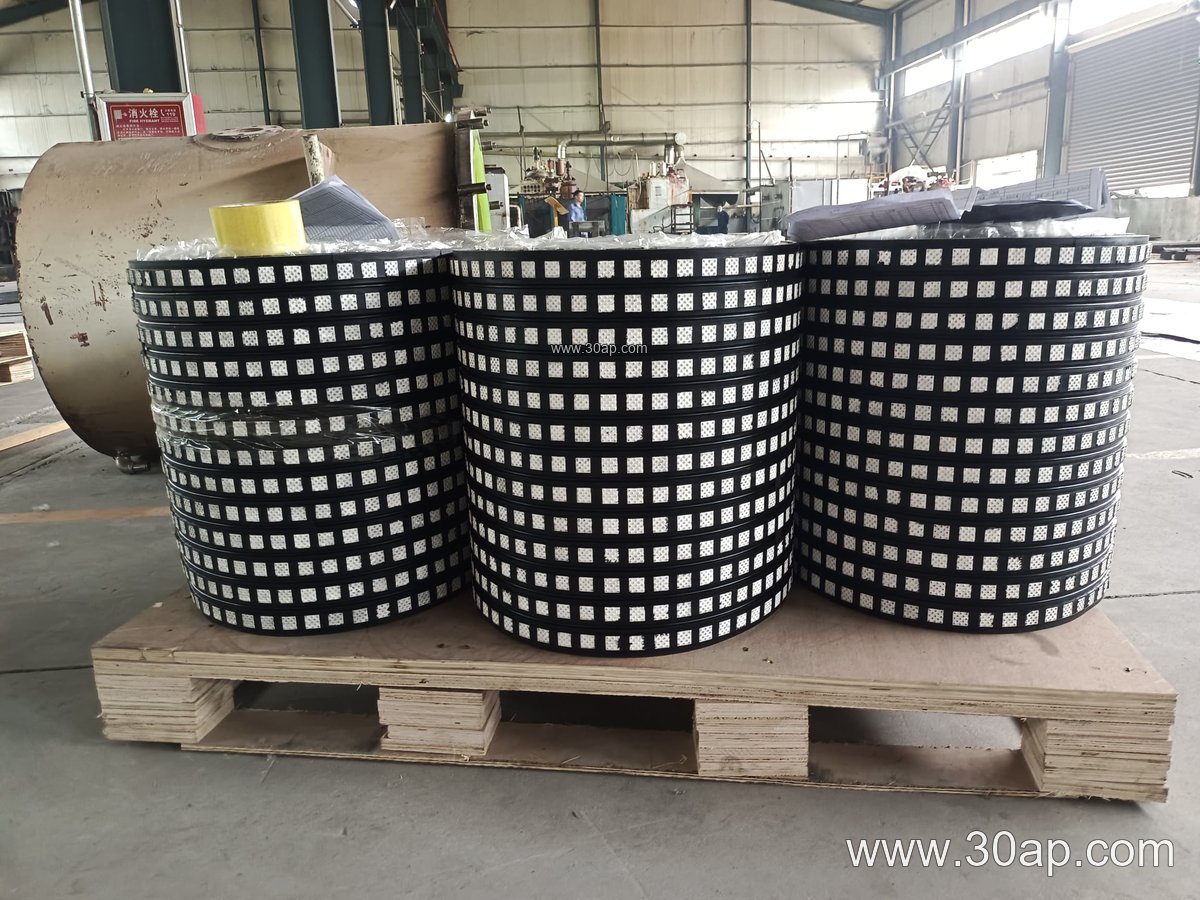
The surface of a terminal pulley can be plain, grooved, or lagged. Lagging thickness commonly ranges from 8 mm to 20 mm. Rubber lagging improves friction between pulley and belt, reducing slip in wet or dusty conditions. Diamond or herringbone patterns help shed water and debris. Ceramic lagging offers excellent wear resistance for high-abrasion materials like iron ore or copper ore. For food or clean applications, a smooth rubber or stainless steel surface may be preferred. The choice of lagging should consider the conveyor belt type: a heavy-duty mining conveyor belt with a rough surface may pair well with a rubber lagged pulley.
Buyer Checklist for Terminal Conveyor Pulleys
When specifying a terminal conveyor pulley, gather the following information:
- Belt width (e.g., B650, B1000, B1400) and desired pulley face width.
- Required pulley diameter (e.g., Ø400, Ø630, Ø1000) based on belt tension and space.
- Shaft diameter and bearing type, determined by torque and load.
- Lagging type and thickness (e.g., 10 mm rubber, 15 mm ceramic).
- Operating environment: abrasive, corrosive, or high-temperature.
- Compatibility with conveyor brackets and other pulleys such as idler rollers.
Also consider the belt speed and the material being conveyed. For example, a terminal pulley in a coal mining conveyor system may need flame retardant lagging and anti-static properties. In a port handling bulk materials, a robust rubber lagged pulley with a large diameter can handle high tonnage. Always verify the pulley’s dynamic balance and bearing life with the supplier. Remember that terminal pulleys are not interchangeable with drive, tail, or bend pulleys; each has a distinct function and design.
Maintenance and Longevity
Regular inspection of the terminal pulley helps prevent unplanned downtime. Check lagging wear, belt tracking, and bearing condition. Worn lagging can be re-coated or replaced. Keep the pulley clean from material buildup, which can cause belt misalignment. Lubricate bearings according to the manufacturer’s schedule. In dusty environments like a cement plant or quarry, sealed bearings and proper housekeeping extend service life. A well-maintained terminal pulley contributes to the overall efficiency of the conveyor system, working alongside the conveyor belt, idler rollers, and conveyor brackets.
For more information on conveyor pulleys, belts, and components, visit our site at www.example.com/conveyor-pulley or www.example.com/belt-components. Our range includes terminal pulleys, drive pulleys, and accessories for mining, cement, and power industries.